
Pain can affect every part of daily life, from simple household tasks to athletic performance and recreational activities. When discomfort persists, identifying the exact source becomes one of the most important steps toward successful treatment. Traditional examinations provide valuable information, but modern imaging tools offer additional insights that can improve accuracy and treatment outcomes.
MSK ultrasound has become an increasingly valuable resource for healthcare providers seeking a clear view of muscles, tendons, ligaments, joints, and other soft tissues. Through real-time imaging, MSK ultrasound helps clinicians understand what is happening beneath the surface and develop treatment plans based on objective findings.
At Osteopractic Physical Therapy of Central Indiana, advanced diagnostic tools such as MSK ultrasound help support a comprehensive approach to patient care. By combining detailed movement assessments with modern imaging technology, patients can receive targeted treatment designed to restore mobility, reduce pain, and improve overall function.
What Is MSK Ultrasound?
MSK ultrasound, short for musculoskeletal ultrasound, is a diagnostic imaging technique that uses high-frequency sound waves to create real-time images of soft tissues throughout the body. Unlike imaging methods that rely on radiation, MSK ultrasound provides a safe and non-invasive way to evaluate structures responsible for pain and movement limitations.
Healthcare providers commonly use MSK ultrasound to assess muscles, tendons, ligaments, nerves, bursae, and joints. The technology produces live images during movement, making it possible to evaluate structures while they are functioning.
One of the greatest advantages of MSK ultrasound is its ability to capture dynamic images. Rather than relying solely on static pictures, clinicians can observe tissues during specific movements to identify abnormalities that may only appear during activity.
Compared to X-rays, which primarily show bones, MSK ultrasound offers a much clearer view of soft tissue structures. While MRI remains valuable for many conditions, MSK ultrasound provides immediate results, allows dynamic assessments, and often serves as an efficient first-line diagnostic tool.
Why MSK Ultrasound Is Becoming a Valuable Tool in Physical Therapy
Physical therapy has evolved significantly over recent years. Modern clinicians increasingly rely on advanced technologies to improve diagnostic accuracy and treatment planning.
MSK ultrasound provides immediate visualization of injured or irritated tissues during patient visits. Rather than waiting days or weeks for imaging appointments and reports, clinicians can often gather important information during the evaluation process.
This immediate access to information allows therapists to make informed decisions more quickly. Patients gain a better understanding of their condition, while clinicians can develop more targeted rehabilitation strategies.
MSK ultrasound is particularly helpful when identifying pain generators. Many conditions present with similar symptoms, making accurate diagnosis challenging. Through detailed imaging, clinicians can distinguish between tendon injuries, muscle strains, ligament issues, and joint-related concerns.
Another important benefit of MSK ultrasound is the ability to monitor healing progress. Follow-up scans provide objective evidence regarding tissue recovery, helping therapists adjust treatment plans when necessary. This ongoing assessment can improve outcomes and support safer progression through rehabilitation programs.
Conditions Commonly Evaluated Using MSK Ultrasound
MSK ultrasound can assess a wide variety of musculoskeletal conditions affecting different regions of the body.
Shoulder Conditions
Shoulder pain is one of the most common reasons individuals seek physical therapy. MSK ultrasound can help evaluate rotator cuff tendons, biceps tendons, bursae, and other soft tissue structures surrounding the shoulder joint.
Conditions such as rotator cuff tendinopathy, partial tears, shoulder impingement, and bursitis are frequently examined using MSK ultrasound. Real-time imaging allows therapists to assess tissue behavior during movement and identify factors contributing to discomfort.
Knee Problems
Knee pain can result from numerous causes, including tendon injuries, ligament issues, muscle imbalances, and inflammation. MSK ultrasound provides detailed images of structures such as the patellar tendon, quadriceps tendon, collateral ligaments, and surrounding soft tissues.
Athletes and active adults often benefit from MSK ultrasound when dealing with chronic knee pain, overuse injuries, or sports-related conditions.
Elbow and Wrist Pain
Conditions affecting the elbow and wrist frequently involve tendons and soft tissues that are easily visualized with MSK ultrasound.
Tennis elbow, golfer’s elbow, tendon irritation, and repetitive strain injuries can often be evaluated effectively using this imaging method. Dynamic examination helps identify tissue changes that may contribute to persistent symptoms.
Hip and Lower Extremity Conditions
Hip pain can significantly limit mobility and physical performance. MSK ultrasound assists with evaluating tendons, muscles, and soft tissue structures surrounding the hip region.
Clinicians may use MSK ultrasound to assess tendon irritation, muscle injuries, bursitis, and other conditions affecting the lower extremities.
Foot and Ankle Injuries
The foot and ankle contain numerous structures that can be difficult to evaluate through physical examination alone. MSK ultrasound helps visualize Achilles tendon disorders, plantar fascia conditions, ligament injuries, and various soft tissue abnormalities.
Accurate assessment of these structures helps guide treatment decisions and recovery planning.
Benefits of MSK Ultrasound for Active Adults and Athletes
Active adults and athletes often place significant demands on their bodies. When pain develops, receiving accurate answers quickly becomes essential.
MSK ultrasound helps provide those answers by offering immediate visualization of tissues associated with symptoms. Patients gain a clearer understanding of their condition and can begin treatment with greater confidence.
Another significant advantage involves movement analysis. Since MSK ultrasound allows real-time imaging during activity, clinicians can evaluate structures while patients perform specific movements. This capability may reveal issues that remain hidden during static examinations.
Athletes often appreciate the ability to monitor recovery progress objectively. Repeat MSK ultrasound evaluations can demonstrate improvements in tissue healing and support safe return-to-sport decisions.
Whether recovering from an injury or managing chronic discomfort, active individuals benefit from the detailed information provided by MSK ultrasound.
How MSK Ultrasound Supports Osteopractic Physical Therapy
Osteopractic Physical Therapy emphasizes identifying and treating the root causes of pain and dysfunction. MSK ultrasound aligns closely with this philosophy by providing additional information that supports comprehensive clinical decision-making.
During evaluations, therapists combine movement assessments, strength testing, patient history, and MSK ultrasound findings to create a complete picture of each patient’s condition.
This integrated approach allows for highly individualized treatment planning. Rather than focusing solely on symptom management, therapists can address underlying contributors to pain and movement limitations.
MSK ultrasound also plays an important role in patient education. Seeing their own anatomy and injury on screen helps many individuals better understand their condition and participate actively in the rehabilitation process.
When patients understand what is happening within their bodies, they are often more motivated to follow treatment recommendations and stay committed to recovery goals.
What to Expect During an MSK Ultrasound Appointment
Many patients are unfamiliar with MSK ultrasound and may wonder what the experience involves.
The appointment typically begins with a discussion regarding symptoms, activity limitations, injury history, and treatment goals. This information helps determine which structures require evaluation.
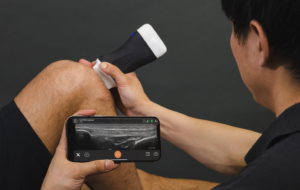
During the examination, a small handheld device called a transducer is placed against the skin using a water-based gel. The transducer emits sound waves that generate detailed images displayed on a monitor.
The procedure is generally comfortable and non-invasive. Most examinations take only a short period of time, depending on the complexity of the condition being evaluated.
A unique feature of MSK ultrasound is the ability to perform assessments during movement. Patients may be asked to move specific body parts while imaging occurs, allowing clinicians to observe tissues under functional conditions.
Following the examination, therapists review findings with patients and explain how the results influence treatment recommendations.
Why Choose Osteopractic Physical Therapy of Central Indiana for MSK Ultrasound Services
Choosing the right provider can make a significant difference when seeking answers for persistent pain or movement limitations.
Osteopractic Physical Therapy of Central Indiana combines advanced diagnostic capabilities with personalized patient care. The integration of MSK ultrasound supports accurate assessments and targeted treatment planning.
Every patient receives individualized attention based on their unique goals, symptoms, and lifestyle demands. Whether recovering from an injury, managing chronic pain, or working toward higher athletic performance, treatment plans are designed around specific needs.
The clinic’s focus extends beyond symptom relief. Long-term movement quality, injury prevention, strength development, and overall wellness remain important priorities throughout the rehabilitation process.
By incorporating MSK ultrasound into evaluations and treatment planning, Osteopractic Physical Therapy of Central Indiana helps patients gain valuable insights and make meaningful progress toward recovery.
Common Myths About MSK Ultrasound
Myth #1: Ultrasound Is Only Used During Pregnancy
Many people associate ultrasound exclusively with pregnancy. While obstetric ultrasound remains widely recognized, MSK ultrasound has become an essential tool for evaluating musculoskeletal conditions.
Myth #2: MSK Ultrasound Is Painful
MSK ultrasound is generally painless. The procedure involves placing a transducer on the skin and capturing images without needles, injections, or invasive techniques.
Myth #3: Ultrasound Cannot Detect Soft Tissue Problems
Soft tissue assessment is actually one of the greatest strengths of MSK ultrasound. Tendons, ligaments, muscles, bursae, and other structures can often be visualized clearly using this technology.
Myth #4: Imaging Alone Solves the Problem
Although MSK ultrasound provides valuable information, successful recovery still depends on appropriate treatment. Imaging helps identify the issue, while physical therapy addresses the underlying causes and supports long-term improvement.
Take the Next Step Toward Accurate Diagnosis and Recovery
Finding the true source of pain is one of the most important steps toward successful rehabilitation. MSK ultrasound provides detailed, real-time information that helps clinicians make informed decisions and develop targeted treatment strategies.
Whether you are dealing with shoulder pain, knee discomfort, tendon irritation, sports injuries, or unexplained movement limitations, MSK ultrasound can provide valuable insights that support effective care.
At Osteopractic Physical Therapy of Central Indiana, MSK ultrasound serves as an important component of a comprehensive evaluation process designed to help patients move better, feel stronger, and return to the activities they enjoy most.
Frequently Asked Questions About MSK Ultrasound
What does MSK ultrasound show?
MSK ultrasound shows muscles, tendons, ligaments, nerves, bursae, joints, and other soft tissue structures. It helps clinicians identify abnormalities that may contribute to pain and movement dysfunction.
Is MSK ultrasound safe?
Yes. MSK ultrasound uses sound waves rather than radiation, making it a safe imaging option for many patients.
How long does an MSK ultrasound appointment take?
The length of an MSK ultrasound appointment varies depending on the area being evaluated. Many examinations can be completed within a typical physical therapy visit.
Can MSK ultrasound detect tendon tears?
Yes. MSK ultrasound is commonly used to identify tendon irritation, partial tears, and full-thickness tendon injuries.
Is MSK ultrasound better than MRI?
Each imaging method offers unique advantages. MSK ultrasound provides real-time dynamic assessment and immediate results, while MRI may offer additional detail for certain conditions. The best choice depends on the individual situation.
Who can benefit from MSK ultrasound?
Athletes, active adults, workers, and individuals experiencing musculoskeletal pain can all benefit from MSK ultrasound evaluations.
Can physical therapists use MSK ultrasound?
Specially trained physical therapists can use MSK ultrasound as part of their clinical assessment process to support diagnosis and treatment planning.
How does MSK ultrasound help with treatment planning?
MSK ultrasound helps identify the structures contributing to symptoms, allowing therapists to create targeted rehabilitation programs based on objective findings and patient-specific needs.