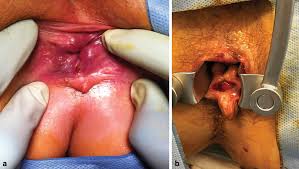
Anal fistulas can cause persistent discomfort, pain, drainage, and recurring infections that interfere with daily life. Many patients struggle with symptoms for months or even years before seeking medical attention, often hoping the condition will resolve on its own. Unfortunately, an anal fistula rarely heals without proper medical treatment.
Anal Fistula Repair and Removal in the Philippines offers patients access to experienced surgeons, advanced diagnostic evaluation, and cost-effective treatment options. Early intervention helps prevent repeated infections, minimizes complications, and improves long-term outcomes.
The Specialists Surgery & Cancer Center is committed to providing accessible and affordable surgical care for Filipinos. Through patient-centered services and expert surgical management, the center helps individuals receive timely treatment while avoiding unnecessary hospitalization whenever possible.
Patients who undergo Anal Fistula Repair and Removal in the Philippines often experience significant relief from symptoms and enjoy a better quality of life after recovery.
What Is an Anal Fistula?
An anal fistula is an abnormal tunnel that develops between the anal canal and the skin surrounding the anus. This tunnel usually forms after an infection or abscess fails to heal completely.
The condition develops when infected glands around the anus create an abscess. After drainage, either naturally or through treatment, a small passage may remain. This passage can continue to collect bacteria and fluid, leading to ongoing infection and drainage.
Anal fistulas vary in complexity. Some involve only a small portion of tissue, while others may pass through important muscles that control bowel movements. Determining the type and location of the fistula is essential when planning treatment.
Anal Fistula Repair and Removal in the Philippines focuses on identifying the specific characteristics of each case to ensure the safest and most effective surgical approach.
Common Causes of Anal Fistulas
Several conditions can contribute to the development of an anal fistula. The most common cause is a previous anal abscess. When an abscess does not heal completely, a fistula may develop as a result.
Other causes include inflammatory bowel diseases such as Crohn’s disease, trauma to the anal area, previous surgeries, infections, and certain chronic medical conditions. Although some risk factors cannot be prevented, early medical evaluation can reduce the chances of complications.
Signs and Symptoms That Should Not Be Ignored
Recognizing symptoms early can lead to faster diagnosis and treatment. Many patients initially dismiss the signs as minor irritation or hemorrhoid-related discomfort.
Common symptoms include persistent pain around the anus, swelling, redness, tenderness, and recurring drainage of pus or blood. Some individuals notice staining on their clothing due to continuous discharge from the fistula opening.
Recurring infections are another warning sign. Patients may experience repeated abscess formation that temporarily improves before returning again. Fever, fatigue, and discomfort while sitting may also occur.
Anal Fistula Repair and Removal in the Philippines becomes increasingly important when symptoms continue or repeatedly return. Delaying treatment can result in more complex fistulas and additional complications.
When to Seek Medical Attention
Medical evaluation should be sought whenever symptoms persist or worsen. Ongoing drainage, recurring abscesses, severe pain, or signs of infection require prompt assessment by a qualified surgeon.
Early diagnosis allows healthcare providers to identify the fistula’s pathway and recommend the most appropriate treatment plan. Waiting too long may increase the extent of tissue involvement and make treatment more complicated.
Why Accurate Diagnosis Matters
Successful treatment begins with a thorough diagnosis. Since every fistula is different, surgeons must carefully evaluate the location, depth, and complexity of the abnormal tunnel.
A comprehensive assessment helps determine whether the fistula is simple or complex. This distinction influences the type of procedure recommended and helps reduce the risk of recurrence.
Patients seeking Anal Fistula Repair and Removal in the Philippines benefit from individualized evaluation that supports safe and effective surgical planning.
Comprehensive Assessment by Specialists
The diagnostic process often begins with a detailed review of symptoms and medical history. Surgeons may ask about previous abscesses, surgeries, bowel conditions, and current symptoms.
A physical examination allows the healthcare provider to identify external openings, drainage sites, and areas of tenderness. This information helps establish the initial diagnosis.
Diagnostic Tests That May Be Recommended
Certain cases require additional imaging studies to better visualize the fistula pathway. Imaging may be recommended when the fistula is complex, recurrent, or difficult to assess through examination alone.
Accurate mapping of the fistula helps surgeons select the most effective treatment approach while protecting surrounding tissues and important muscle structures.
Treatment Options for Anal Fistula Repair and Removal in the Philippines
Several surgical options are available depending on the type and severity of the fistula. The goal is to eliminate infection, close the abnormal tunnel, and preserve normal bowel function.
Anal Fistula Repair and Removal in the Philippines involves selecting the most suitable treatment based on each patient’s condition.
Fistulotomy
Fistulotomy remains one of the most common treatments for simple anal fistulas. During this procedure, the surgeon opens the fistula tract to allow healing from the inside out.
This approach has a high success rate for appropriately selected patients. Recovery generally involves wound care and follow-up visits to monitor healing progress.
Many patients experience substantial symptom relief following a successful fistulotomy.
Seton Placement
Seton placement may be recommended for more complex fistulas that involve significant portions of the anal sphincter muscles.
A seton is a special surgical thread placed through the fistula tract. It helps drain infection while reducing the risk of damage to important muscles.
This treatment can be used as a temporary measure before additional surgery or as part of a long-term management strategy.
Advancement Flap Procedures
Advancement flap surgery may be appropriate for certain complex fistulas where muscle preservation is a major concern.
The procedure involves closing the internal opening of the fistula using healthy tissue. This method aims to promote healing while maintaining normal continence.
Patients often appreciate this option because it can provide effective treatment without extensive muscle division.
Other Surgical Techniques
Advancements in colorectal surgery have expanded the range of available treatment options. Surgeons evaluate each patient individually to determine which approach offers the greatest chance of success.
Factors such as fistula location, complexity, previous treatments, and overall health influence the final treatment recommendation.
Benefits of Early Anal Fistula Repair and Removal
Prompt treatment offers numerous advantages for patients struggling with this condition.
Anal Fistula Repair and Removal in the Philippines can significantly reduce the physical and emotional burden associated with chronic symptoms.
Preventing Recurring Infections
Recurring infections can be frustrating and painful. Early surgical treatment addresses the underlying cause of the infection rather than simply managing symptoms.
Removing the fistula tract helps eliminate the source of recurring abscess formation and persistent drainage.
Improved Comfort and Quality of Life
Many patients experience daily discomfort that affects work, social activities, and personal relationships. Constant drainage, irritation, and pain can become emotionally exhausting.
Successful treatment allows patients to return to normal activities with greater comfort and confidence.
Lower Risk of Complications
Untreated fistulas may become more extensive over time. Additional branching tracts can develop, making treatment more challenging.
Early intervention reduces the likelihood of disease progression and helps preserve healthy tissue.
What to Expect Before, During, and After Surgery
Understanding the treatment journey can help patients feel more confident and prepared.
Before the Procedure
Patients typically attend an initial consultation where symptoms, medical history, and diagnostic findings are reviewed.
Preoperative instructions may include dietary recommendations, medication adjustments, and preparation guidelines designed to support a safe procedure.
Questions and concerns are addressed to ensure patients understand the treatment plan.
During Surgery
Many procedures associated with Anal Fistula Repair and Removal in the Philippines can be performed using outpatient surgical techniques.
The procedure selected depends on the complexity of the fistula and the patient’s individual needs. Surgical teams focus on patient safety, comfort, and effective treatment outcomes.
Recovery and Follow-Up Care
Recovery times vary depending on the procedure performed. Most patients receive detailed instructions regarding wound care, hygiene practices, activity restrictions, and follow-up appointments.
Regular follow-up visits allow healthcare providers to monitor healing and address any concerns promptly.
Proper postoperative care contributes significantly to successful outcomes and reduced recurrence rates.
Why Patients Choose The Specialists Surgery & Cancer Center
Patients searching for Anal Fistula Repair and Removal in the Philippines often seek a healthcare provider that combines expertise, affordability, and compassionate care.
The Specialists Surgery & Cancer Center was established with a mission to provide trustworthy and accessible healthcare services. Through collaboration with experienced physicians and surgeons, the center focuses on delivering quality treatment while minimizing unnecessary costs.
Expert Surgical Care
The clinic works with skilled medical professionals dedicated to providing accurate diagnosis and effective treatment plans.
Every patient receives individualized attention designed to support the best possible outcome.
Affordable and Accessible Services
Financial concerns frequently prevent people from seeking treatment early. The Specialists Surgery & Cancer Center strives to make surgical care more accessible through value-driven healthcare services.
Outpatient procedures may also reduce expenses associated with prolonged hospitalization.
Patient-Centered Approach
Compassionate support remains a central part of the patient experience. From consultation through recovery, the team focuses on helping patients make informed decisions regarding their health.
Advantages of Choosing Anal Fistula Repair and Removal in the Philippines
The Philippines continues to attract patients seeking quality medical care at reasonable costs.
Anal Fistula Repair and Removal in the Philippines combines skilled healthcare professionals, modern treatment approaches, and patient-focused services.
High-Quality Medical Services
Patients have access to experienced surgeons capable of managing both simple and complex anal fistulas. Treatment plans are customized to meet individual needs and improve long-term outcomes.
Cost-Effective Treatment
Compared with healthcare costs in many other countries, surgical treatment in the Philippines can be more affordable while maintaining high standards of care.
This affordability helps more patients receive treatment without unnecessary financial strain.
Convenient Access for Local and International Patients
Medical services are available to patients from across the country and those traveling from abroad. Accessible consultations and treatment options make it easier for individuals to receive timely care.
Frequently Asked Questions About Anal Fistula Repair and Removal in the Philippines
Can an anal fistula heal without surgery?
Most anal fistulas do not heal completely without surgical treatment. Medical evaluation is important to determine the most effective management approach.
Is anal fistula surgery painful?
Patients may experience some discomfort during recovery, but pain management strategies are provided to help improve comfort throughout the healing process.
How long does recovery usually take?
Recovery varies depending on the procedure performed and the complexity of the fistula. Many patients gradually return to normal activities within a few weeks, although complete healing may take longer.
What happens if an anal fistula is left untreated?
Untreated fistulas can lead to recurring infections, chronic drainage, abscess formation, and more complex disease progression.
Are anal fistulas likely to return after treatment?
Recurrence is possible, particularly with complex fistulas. Careful surgical planning and proper follow-up care help reduce this risk.
How do I know which treatment option is right for me?
A consultation with an experienced surgeon is the best way to determine the most appropriate treatment. Diagnostic evaluation helps identify the fistula type and guides treatment recommendations.