Wound healing is an important part of maintaining overall health, preventing infections, and supporting the body’s natural recovery process. While minor cuts and injuries may heal with basic first aid, some wounds require specialized medical attention to prevent complications and promote proper tissue repair. Chronic wounds, diabetic ulcers, pressure sores, surgical wounds, and injuries that do not respond to ordinary treatment may need professional evaluation. Consulting a specialist for wound care can help patients receive appropriate treatment based on the type, severity, and underlying cause of their wounds. These healthcare professionals have the knowledge and experience to assess damaged tissue, identify potential complications, and recommend suitable wound management strategies. They also help patients understand proper wound care practices and the importance of consistent follow-up appointments. Knowing when to seek professional assistance can make a meaningful difference in protecting skin health and supporting a safer recovery.
Understanding the Role of a Specialist for Wound Care
A wound care specialist is a healthcare professional who focuses on evaluating, treating, and managing different types of wounds. These professionals help patients who experience injuries that require more attention than ordinary first aid. Their responsibilities include examining damaged tissue, identifying possible infections, monitoring healing progress, and recommending appropriate treatment methods. A specialist for wound care also considers the patient’s medical history and underlying health conditions when developing a treatment plan. This is particularly important for individuals with diabetes, vascular diseases, or weakened immune systems because these conditions can interfere with normal healing.
Professional wound management involves more than simply cleaning an injury and covering it with a dressing. Specialists assess wound depth, size, location, drainage, surrounding skin condition, and signs of tissue damage. They may also recommend diagnostic examinations to determine whether circulation problems or infections are affecting the healing process. Depending on the patient’s condition, treatment may involve specialized dressings, debridement, compression therapy, or other advanced wound care procedures. Regular monitoring allows healthcare professionals to determine whether the selected treatment is effective. Through proper assessment and individualized care, wound specialists help patients manage difficult wounds while reducing the risk of additional complications.
Different Types of Wounds That Require Specialized Medical Attention
Not all wounds heal at the same rate, and some require specialized treatment because of their severity or underlying causes. Chronic wounds are among the most common conditions managed by wound care professionals. These wounds remain open for an extended period or show limited improvement despite regular treatment. Diabetic foot ulcers are another concern because elevated blood sugar levels, nerve damage, and poor circulation can make injuries more difficult to heal. Patients with diabetes may not immediately notice cuts or blisters on their feet, allowing minor injuries to develop into more serious wounds.
Pressure ulcers, also known as pressure injuries or bedsores, develop when prolonged pressure damages the skin and underlying tissues. They commonly affect individuals who spend extended periods in bed or use wheelchairs. Venous leg ulcers occur when problems with blood circulation in the veins contribute to swelling and persistent skin damage. Arterial ulcers, on the other hand, are associated with insufficient blood supply to certain areas of the body. Surgical wounds may also require professional monitoring, especially when patients experience delayed healing, wound separation, or signs of infection. Traumatic wounds caused by accidents, burns, cuts, and other injuries may need specialized cleaning, dressing, and tissue management. A qualified wound care professional can determine the appropriate approach based on the wound’s characteristics and the patient’s overall health.
Common Signs That You Need a Wound Care Specialist
Recognizing the warning signs of poor wound healing is essential for preventing more serious medical problems. One important sign is a wound that does not appear to improve over time despite proper cleaning and dressing. Increasing redness, swelling, warmth, and tenderness around the injured area may indicate inflammation or infection. Patients should also pay attention to unusual drainage, pus, unpleasant odors, or changes in the appearance of surrounding skin. Persistent bleeding or wounds that repeatedly reopen may require professional assessment to identify the underlying cause. These symptoms should not be ignored, particularly when they become progressively worse.
People with diabetes, circulation problems, or weakened immune systems should be especially careful when dealing with open wounds. Even minor injuries can develop into serious conditions when the body has difficulty repairing damaged tissue. A specialist for wound care can evaluate these concerns and determine whether additional medical treatment is necessary. Patients experiencing fever, rapidly spreading redness, severe pain, or other signs of a serious infection should seek urgent medical attention. Delaying treatment can increase the risk of deeper tissue damage and other complications. Early evaluation helps healthcare professionals identify problems and recommend appropriate interventions before the wound becomes more difficult to manage.
What to Expect During a Professional Wound Care Assessment
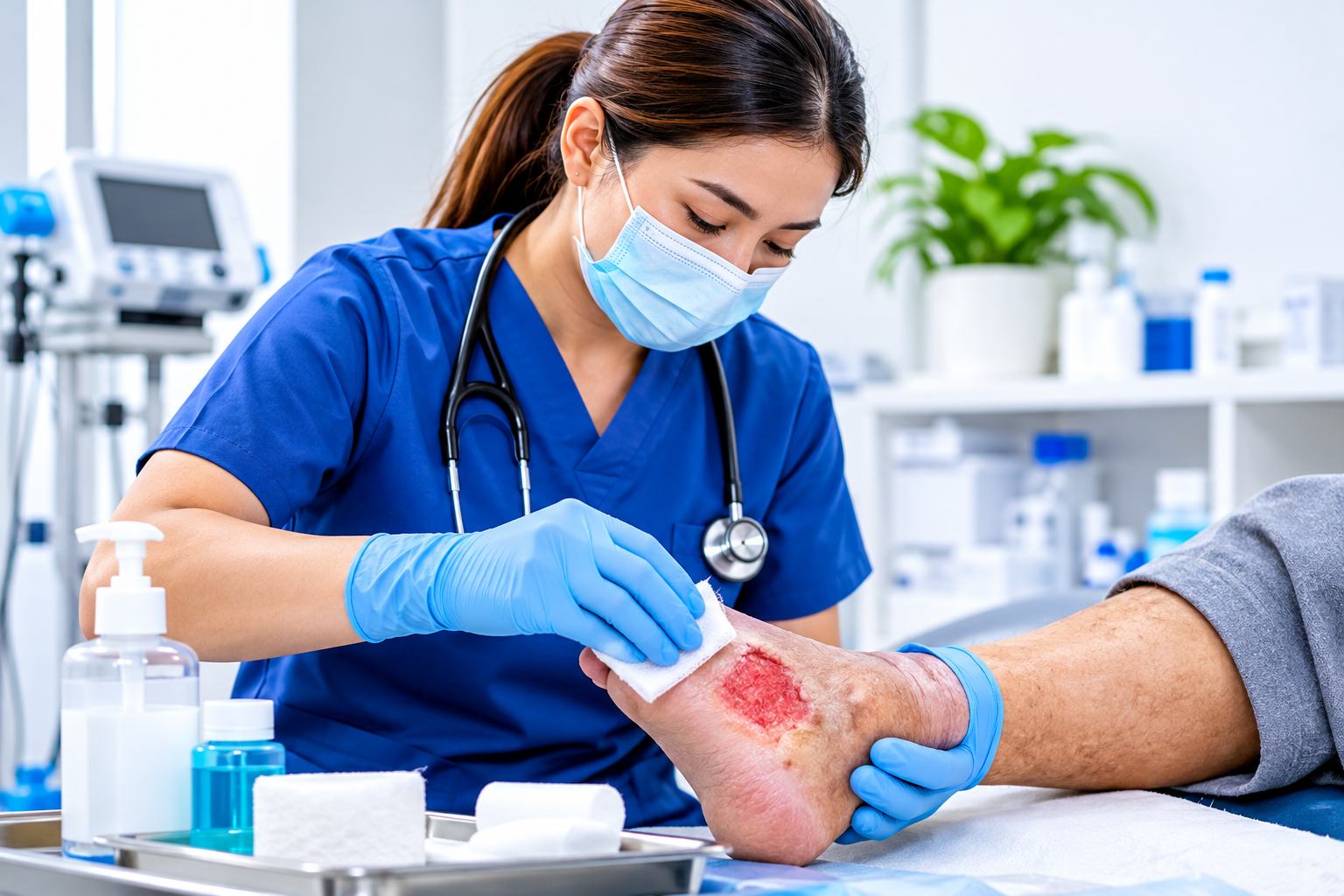
A professional wound assessment usually begins with a detailed review of the patient’s medical history and current health condition. The healthcare provider may ask about existing illnesses, previous injuries, medications, allergies, and earlier wound treatments. This information helps determine whether underlying medical factors are contributing to delayed healing. The specialist then examines the wound to evaluate its size, depth, location, and overall appearance. They may also assess drainage, surrounding skin, tissue condition, and possible signs of infection.
Circulation and sensation may also be evaluated, particularly for patients with diabetic foot ulcers or vascular conditions. Depending on the findings, the healthcare provider may recommend blood tests, imaging examinations, or other diagnostic procedures. These assessments can help identify problems that may interfere with tissue repair. Once the examination is complete, the specialist develops a treatment plan based on the patient’s specific needs. The plan may include wound cleaning, dressing changes, medication, pressure management, or additional procedures. Follow-up appointments are important because they allow healthcare professionals to monitor improvements and make necessary treatment adjustments. Patients should also ask questions about their wound condition and understand the recommended care instructions.
Treatment Methods Used by a Specialist for Wound Care
Modern wound management involves different treatment methods depending on the type and severity of the injury. One of the basic steps is wound cleaning, which helps remove dirt, contaminants, and unwanted material from the affected area. Proper cleaning creates a suitable environment for healing while reducing the risk of infection. Another treatment option is wound debridement, a procedure that removes dead or damaged tissue when clinically appropriate. This process can help expose healthier tissue and support the body’s natural repair mechanisms. However, debridement is not suitable for every wound, so a healthcare professional must assess the patient’s condition before recommending it.
Advanced wound dressings are also commonly used to protect injured tissue and maintain an appropriate moisture balance. Different dressing materials serve different purposes, including absorbing excess drainage, protecting fragile skin, and supporting tissue recovery. Infection management may involve wound monitoring, appropriate cleaning, laboratory testing, and medications when indicated. Compression therapy may be recommended for certain patients with venous leg ulcers to help manage swelling and improve venous circulation. Negative pressure wound therapy is another option for selected complex wounds, using controlled suction through a specialized dressing system. Pain management is also an important part of treatment because some wounds and dressing changes can cause discomfort. A qualified specialist for wound care determines which methods are appropriate according to clinical findings and the patient’s treatment goals.
Benefits of Consulting a Specialist for Wound Care
Seeking professional wound treatment offers several important benefits, particularly for individuals with persistent or complicated injuries. One major advantage is receiving a personalized treatment plan that considers the wound’s characteristics and the patient’s overall health. Instead of relying on general wound care practices, patients receive recommendations suited to their specific condition. Professional assessment also helps identify possible infections and other problems that may delay recovery. Regular monitoring allows specialists to recognize changes in wound appearance and adjust treatment when necessary.
Another benefit is access to specialized wound management techniques and medical equipment. Patients with chronic wounds may require treatment options that are not available through ordinary home care. Professional guidance can also help reduce the likelihood of complications associated with improper dressing changes or delayed treatment. Wound care specialists educate patients and caregivers about hygiene, wound protection, medication instructions, and warning signs that require attention. This knowledge helps patients participate more confidently in their recovery process. Proper wound management may also improve comfort, support mobility, and reduce the disruption caused by persistent injuries. Although healing outcomes vary depending on individual circumstances, professional care provides a structured approach to managing wounds safely and effectively.
How Underlying Medical Conditions Affect Wound Healing
Several health conditions can interfere with the body’s ability to repair damaged tissue. Diabetes is one of the most recognized conditions associated with delayed wound healing. High blood sugar levels can damage blood vessels and nerves, reducing circulation and sensation in affected areas. This means patients may develop injuries without immediately noticing them. Diabetes can also affect the body’s ability to respond effectively to infections, making professional wound monitoring particularly important.
Cardiovascular and vascular conditions may also reduce the amount of oxygen and nutrients delivered to damaged tissues. When blood circulation is limited, wounds may take longer to heal and may become more vulnerable to complications. Nutritional deficiencies can affect the production of collagen and other substances needed for tissue repair. Smoking may further interfere with healing by reducing oxygen delivery and negatively affecting blood vessel function. Certain medications and chronic illnesses can also influence the body’s recovery process. A specialist for wound care considers these factors when evaluating patients and recommending appropriate treatment. Managing underlying medical conditions alongside direct wound treatment is essential for supporting healthier healing conditions.
Home Care Practices Recommended by Wound Care Specialists
Professional treatment is important, but proper home care also plays a significant role in managing wounds. Patients should carefully follow the cleaning and dressing instructions provided by their healthcare professionals. Washing hands before and after handling wound dressings helps reduce the transfer of bacteria and other contaminants. Patients should use the recommended cleaning solutions and dressing materials rather than experimenting with unapproved products. Keeping the affected area protected helps prevent additional irritation and accidental injury. Dressings should be changed according to the healthcare provider’s instructions.
Maintaining good nutrition and drinking enough fluids can also support the body’s natural healing process. Protein, vitamins, minerals, and other essential nutrients contribute to tissue repair and normal immune function. Patients should follow prescribed medication instructions and avoid stopping treatments without consulting their healthcare provider. Family members and caregivers can assist with dressing changes and monitoring when patients have limited mobility. It is equally important to attend scheduled follow-up appointments so the wound’s condition can be evaluated. If patients notice increasing redness, swelling, pain, drainage, or fever, they should promptly contact a medical professional. Consistent home care combined with professional guidance can help maintain a safer wound management routine.
How to Choose the Right Specialist for Wound Care
Choosing the appropriate healthcare professional is an important step for patients who need specialized wound treatment. Patients should look for qualified medical providers with relevant training and experience in wound assessment and management. It is helpful to consider whether the provider has experience treating the specific type of wound involved. For example, individuals with diabetic foot ulcers may benefit from coordinated care involving wound specialists, diabetes professionals, and vascular specialists when needed. Patients with pressure injuries may require additional support involving mobility management and pressure-relieving equipment.
The availability of appropriate diagnostic services and treatment options is another important consideration. Healthcare facilities that offer comprehensive wound assessment can help patients access different treatment approaches according to their medical needs. Communication should also be a priority when selecting a provider. Patients should feel comfortable discussing symptoms, asking questions, and understanding the recommended treatment plan. It is useful to ask about follow-up schedules, dressing instructions, possible treatment risks, and signs of improvement. Healthcare professionals should explain treatment options clearly and avoid promising guaranteed results. Selecting a qualified specialist for wound care helps patients receive informed medical guidance and consistent support throughout the healing process.
The Importance of Early Intervention and Consistent Wound Management
Early medical attention can make a meaningful difference when dealing with wounds that are not healing properly. Some injuries may initially appear minor but can become more complicated when infection, poor circulation, or underlying medical conditions interfere with recovery. Seeking professional evaluation allows healthcare providers to identify these concerns and recommend appropriate treatment. Delayed wound management may increase the risk of infection, tissue damage, and other serious health problems. This is particularly concerning for individuals with diabetes, vascular diseases, or limited mobility.
Consistent wound management is equally important because healing requires ongoing attention and monitoring. Patients should attend follow-up appointments and follow the treatment instructions provided by their healthcare professionals. Specialists use these visits to evaluate wound size, tissue condition, drainage, and signs of improvement. Treatment plans may be adjusted depending on how the wound responds. Patients and caregivers should also maintain proper hygiene and protect the injured area from unnecessary pressure or trauma. Reporting unusual changes early can help healthcare providers address potential complications promptly. With appropriate medical attention and consistent care, patients can better manage their wounds and support their overall recovery.
Frequently Asked Questions About Specialists for Wound Care
1. What does a specialist for wound care do?
A wound care specialist evaluates, treats, and monitors different types of wounds. These healthcare professionals assess damaged tissue, identify possible infections, and develop treatment plans based on the patient’s condition. They may recommend specialized dressings, wound debridement, compression therapy, or other treatment options when appropriate. They also provide guidance on proper wound hygiene and home care practices.
2. When should I consult a wound care specialist?
You should consider consulting a wound care specialist when a wound does not appear to improve, repeatedly reopens, or develops unusual symptoms. Warning signs include increasing redness, swelling, warmth, persistent pain, unusual drainage, and unpleasant odors. Patients with diabetes or circulation problems should seek medical advice even for relatively minor injuries. Severe symptoms, such as fever or rapidly spreading redness, require urgent medical evaluation.
3. What types of wounds can a wound care specialist treat?
Wound care specialists manage various injuries and skin conditions, including diabetic foot ulcers, pressure ulcers, venous leg ulcers, arterial wounds, surgical wounds, traumatic injuries, and chronic non-healing wounds. Treatment depends on the cause, depth, severity, and overall condition of the patient. Some wounds may also require coordinated care with other medical specialists.
4. How long does it take for a wound to heal with specialized treatment?
Healing time varies depending on the wound’s size, depth, location, and underlying cause. The patient’s age, circulation, nutritional condition, blood sugar levels, and infection status may also affect recovery. Minor wounds may heal relatively quickly, while chronic or complex wounds can require several weeks or months of treatment. A wound care specialist can provide a more appropriate assessment after examining the injury.
5. Is wound debridement necessary for every wound?
No. Wound debridement is not required for every injury. It is generally considered when dead, damaged, or unhealthy tissue interferes with healing or requires removal for appropriate wound management. The healthcare provider evaluates the wound and determines whether debridement is safe and beneficial. Some conditions, including certain wounds with inadequate blood supply, require particular caution.
6. Can a wound care specialist treat infected wounds?
Yes. Wound care specialists can assess wounds that show signs of infection and recommend appropriate management. Treatment may involve wound cleaning, drainage when clinically indicated, laboratory testing, and antibiotics when necessary. More serious infections may require urgent medical attention or coordinated treatment with other healthcare professionals. Patients should avoid attempting to treat significant infections using unapproved home remedies.
7. Does diabetes make wound healing more difficult?
Yes. Diabetes can interfere with wound healing because elevated blood sugar levels may damage nerves and blood vessels. Reduced sensation can prevent patients from noticing injuries, while poor circulation can limit oxygen and nutrient delivery to damaged tissues. Diabetes may also affect immune function, increasing the risk of infection. Regular foot examinations and early medical attention are particularly important for people living with diabetes.
8. How can I prevent a wound from becoming infected?
Proper handwashing, appropriate wound cleaning, and regular dressing changes can help reduce infection risks. Patients should follow the instructions provided by their healthcare professionals and avoid touching open wounds with unclean hands. They should also protect the affected area from dirt, friction, and additional injury. Monitoring for redness, swelling, pain, unusual drainage, and fever is important. Any concerning changes should be reported to a healthcare provider promptly.
Takeaway: Prioritize Professional Wound Care for Better Healing
Proper wound management is essential for protecting skin health, preventing infections, and supporting the body’s natural recovery process. While some minor injuries can be managed with basic first aid, chronic wounds and complicated injuries often require specialized medical attention. Consulting a qualified specialist for wound care allows patients to receive appropriate assessments, individualized treatment plans, and consistent monitoring. These professionals help identify underlying health conditions that may interfere with healing and recommend suitable treatment options based on each patient’s needs.
Patients should never ignore wounds that remain open, become increasingly painful, or develop signs of infection. Early evaluation can help identify potential complications and prevent further tissue damage. Following prescribed treatment instructions, maintaining proper hygiene, eating a balanced diet, and attending follow-up appointments are also important parts of wound management. Family members and caregivers can contribute by helping patients maintain consistent wound care routines. Most importantly, patients should seek guidance from qualified healthcare professionals rather than relying entirely on home remedies or self-treatment. Prioritizing professional wound care supports safer treatment decisions and helps patients work toward healthier recovery outcomes.