Core strength plays a significant role in nearly every movement the body performs. From standing and walking to lifting, exercising, and maintaining good posture, the abdominal muscles provide essential support for daily activities. When these muscles become separated, a condition known as diastasis recti can develop, leading to weakness, discomfort, and reduced physical function.
Many people associate this condition with pregnancy, but it can also affect men and individuals who place excessive strain on their abdominal wall. Proper diastasis recti treatment can help restore core function, reduce pain, and improve overall quality of life. At Osteopractic Physical Therapy Services in Central Indiana, patients receive personalized care designed to address the root cause of their symptoms and help them return to the activities they enjoy.
What Is Diastasis Recti?
Understanding the Separation of the Abdominal Muscles
Diastasis recti occurs when the connective tissue between the left and right sides of the rectus abdominis muscles stretches and weakens. This causes the abdominal muscles to separate, creating a gap that may affect strength and stability.
While some degree of abdominal separation is common during pregnancy, the condition can persist long after childbirth if not properly addressed. The weakened connective tissue may make it difficult for the abdominal muscles to function effectively, leading to various physical challenges.
Proper diastasis recti treatment focuses on restoring strength, improving muscle coordination, and supporting the healing process.
Who Is Most Likely to Develop Diastasis Recti?
Several factors can contribute to the development of diastasis recti, including:
- Pregnancy and postpartum recovery
- Multiple pregnancies
- Carrying large babies
- Improper lifting techniques
- Chronic abdominal pressure
- Significant weight gain or loss
- Poor core muscle activation
- Aging-related muscle weakness
Regardless of the cause, early diastasis recti treatment can help prevent further complications and improve long-term outcomes.
Common Signs That You May Need Diastasis Recti Treatment
Physical Symptoms to Watch For
Many individuals are unaware they have diastasis recti until symptoms begin affecting their daily routine. Common signs include:
- A visible bulge or ridge running down the center of the abdomen
- Weakness throughout the core
- Persistent lower back pain
- Poor posture
- Pelvic instability
- Difficulty maintaining balance
- A feeling of weakness during physical activities
These symptoms may worsen over time if appropriate diastasis recti treatment is delayed.
Daily Activities That Become More Challenging
A weakened core can affect routine activities that once felt simple. Patients frequently report difficulties with:
- Getting out of bed
- Standing from a seated position
- Carrying children
- Lifting groceries
- Performing household chores
- Exercising safely
- Participating in recreational activities
Professional diastasis recti treatment helps restore the strength needed to perform these activities comfortably and confidently.
Why Early Diastasis Recti Treatment Matters
Preventing Long-Term Core Dysfunction
The abdominal muscles work closely with the spine, pelvis, and surrounding muscles to provide stability and support. When the core becomes weakened, the body often compensates by placing additional stress on other structures.
Without proper diastasis recti treatment, individuals may experience:
- Chronic back pain
- Muscle imbalances
- Poor movement patterns
- Reduced athletic performance
- Increased risk of future injuries
Addressing the issue early allows patients to regain control of their movement and reduce unnecessary strain throughout the body.
Improving Overall Quality of Life
Effective diastasis recti treatment can create improvements that extend beyond the abdominal region.
Benefits often include:
- Better posture
- Increased stability
- Enhanced movement efficiency
- Greater confidence during physical activity
- Reduced discomfort during daily tasks
- Improved overall physical function
These improvements can make a significant difference in both personal and professional activities.
How Is Diastasis Recti Diagnosed?
Comprehensive Physical Evaluation
Successful diastasis recti treatment begins with a thorough evaluation. Physical therapists assess the extent of abdominal separation while examining the patient’s overall movement patterns.
This evaluation may include:
- Core strength testing
- Postural assessment
- Functional movement analysis
- Abdominal muscle activation testing
- Biomechanical examination
At Osteopractic Physical Therapy Services in Central Indiana, therapists focus on identifying the underlying factors contributing to the condition.
Identifying Contributing Factors
Every patient presents unique challenges and goals. A detailed assessment allows therapists to determine factors that may influence recovery, including:
- Previous injuries
- Pregnancy-related changes
- Physical activity levels
- Occupational demands
- Movement habits
- Existing musculoskeletal conditions
This information helps create an individualized diastasis recti treatment plan designed specifically for each patient.
Effective Diastasis Recti Treatment Options
Specialized Physical Therapy
Physical therapy remains one of the most effective approaches for diastasis recti treatment. Rather than simply focusing on the abdominal muscles, therapists evaluate the entire body to improve function and stability.
Treatment plans may include:
- Core retraining
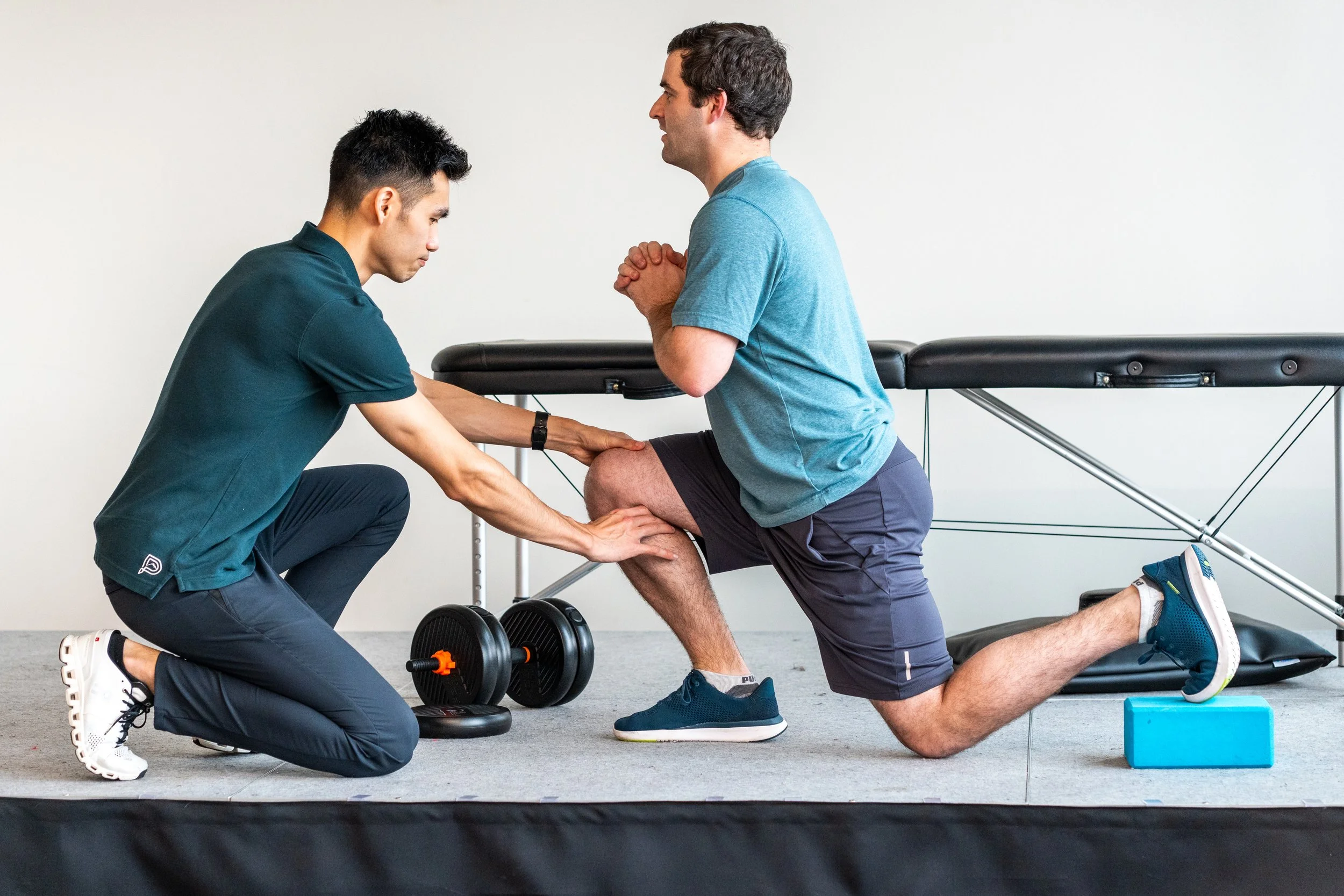
- Progressive strengthening exercises
- Postural correction
- Functional movement training
- Activity modification strategies
These interventions help patients rebuild strength safely and effectively.
Manual Therapy Techniques
Manual therapy can play an important role during diastasis recti treatment by improving mobility and reducing restrictions that may interfere with proper movement.
Hands-on techniques may help:
- Improve soft tissue mobility
- Reduce muscular tension
- Enhance joint function
- Support efficient movement patterns
Combining manual therapy with exercise often produces better outcomes than either approach alone.
Corrective Exercise Programs
Corrective exercises form the foundation of most diastasis recti treatment programs.
Exercises are carefully selected to activate deep core muscles while minimizing excessive pressure on the abdominal wall. Programs often include:
- Deep abdominal activation exercises
- Breathing coordination techniques
- Pelvic stabilization exercises
- Progressive strengthening movements
- Functional training activities
Each exercise is modified according to the patient’s abilities and stage of recovery.
Education and Lifestyle Modifications
Education remains an essential component of successful diastasis recti treatment.
Patients learn strategies that support healing and prevent future setbacks, including:
- Proper lifting mechanics
- Safe exercise progressions
- Breathing techniques
- Postural awareness
- Activity modifications
These practical skills help patients maintain long-term improvements after treatment concludes.
Benefits of Professional Diastasis Recti Treatment
Restored Core Strength
One of the primary goals of diastasis recti treatment is restoring the core’s ability to function properly.
Improved strength supports:
- Better balance
- Greater stability
- Enhanced movement control
- Reduced strain on surrounding muscles
A stronger core serves as the foundation for overall physical health.
Reduced Pain and Discomfort
Many individuals seek diastasis recti treatment because of ongoing discomfort. As strength and stability improve, patients often notice significant reductions in:
- Back pain
- Hip discomfort
- Pelvic instability
- Muscle fatigue
Pain relief allows patients to return to activities they may have previously avoided.
Enhanced Physical Performance
Whether someone enjoys recreational activities or competitive sports, effective diastasis recti treatment can help improve performance.
Patients frequently experience:
- Improved endurance
- Better movement efficiency
- Increased strength
- Greater confidence during exercise
These benefits contribute to a healthier and more active lifestyle.
Increased Confidence
Physical limitations often affect emotional well-being. Many patients report feeling more confident after completing diastasis recti treatment because they can move more freely and participate fully in daily life.
Greater confidence often translates into increased participation in family activities, fitness programs, and social events.
What Makes Osteopractic Physical Therapy Different for Diastasis Recti Treatment?
Finding the Root Cause of Dysfunction
Many treatment programs focus solely on symptoms. Osteopractic Physical Therapy Services in Central Indiana takes a different approach by identifying the underlying causes of movement dysfunction.
Through comprehensive biomechanical assessments, therapists can determine why symptoms developed and what steps are necessary to achieve lasting results.
A Natural, Non-Surgical Approach
Many patients prefer conservative options before considering invasive procedures.
Diastasis recti treatment provided through Osteopractic Physical Therapy emphasizes:
- Natural healing
- Progressive strengthening
- Functional recovery
- Individualized care
This approach helps many patients achieve meaningful improvements without surgery, injections, or medications.
Goal-Oriented Rehabilitation
Every patient has unique goals. Some want to return to sports, while others simply wish to perform daily activities without discomfort.
Treatment plans are designed around each individual’s objectives, helping them achieve meaningful and measurable results.
When Should You Seek Professional Help for Diastasis Recti?
Signs That Self-Directed Exercises Are Not Enough
While online exercise programs may offer general guidance, professional evaluation is often necessary when symptoms persist.
Consider seeking diastasis recti treatment if you experience:
- Ongoing abdominal separation
- Persistent back pain
- Difficulty exercising
- Limited progress despite consistent effort
- Functional limitations affecting daily life
Professional guidance can accelerate recovery and reduce frustration.
Benefits of Early Evaluation
Early intervention often produces better results.
Seeking diastasis recti treatment sooner may lead to:
- Faster recovery
- Reduced compensation patterns
- Improved core function
- Lower risk of secondary injuries
Prompt assessment allows therapists to address issues before they become more complex.
Why Choose Osteopractic Physical Therapy Services in Central Indiana for Diastasis Recti Treatment?
Osteopractic Physical Therapy Services in Central Indiana is committed to helping patients achieve lasting recovery through personalized care and evidence-based treatment strategies.
Patients benefit from:
- Comprehensive biomechanical assessments
- Individualized treatment plans
- Experienced therapists
- Natural recovery methods
- Focus on long-term wellness
- Ongoing support and education
The clinic’s mission centers on helping individuals regain strength, improve movement, and return to the activities they value most.
Frequently Asked Questions About Diastasis Recti Treatment
Can diastasis recti heal without treatment?
Mild cases may improve naturally over time, particularly after pregnancy. However, many individuals benefit from professional diastasis recti treatment to restore strength and reduce lingering symptoms.
How long does diastasis recti treatment typically take?
Recovery timelines vary depending on the severity of the separation, overall health, and consistency with the treatment plan. Many patients notice improvements within several weeks, while others may require a longer rehabilitation period.
Is surgery necessary for diastasis recti?
Most individuals respond well to conservative diastasis recti treatment through physical therapy. Surgery is generally reserved for severe cases or situations involving additional complications.
Can physical therapy help years after pregnancy?
Yes. Many women successfully improve their symptoms years after childbirth through targeted diastasis recti treatment and core rehabilitation programs.
What exercises should be avoided with diastasis recti?
Certain exercises that create excessive abdominal pressure, such as traditional sit-ups or crunches, may worsen symptoms. A physical therapist can recommend safe alternatives.
How soon can I return to normal activities after starting treatment?
Many patients can continue daily activities while participating in diastasis recti treatment. Specific recommendations depend on the individual’s condition and recovery progress.