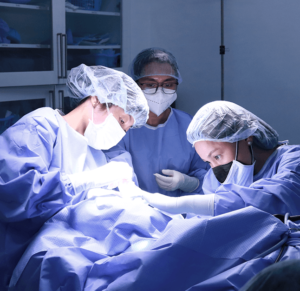
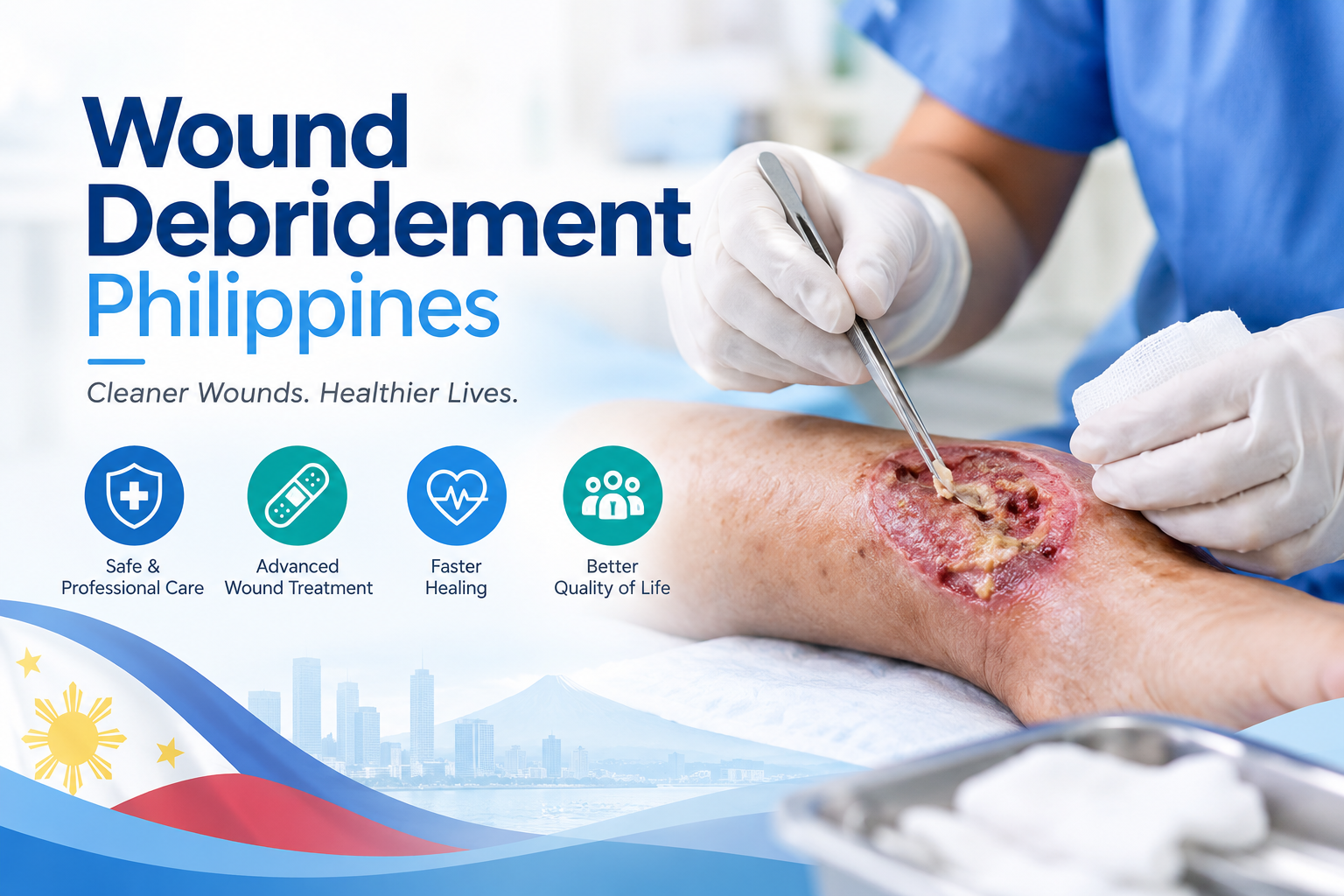
Wound healing can become difficult when damaged, dead, or infected tissue remains inside or around an open wound. When this happens, healthcare professionals may consider wound debridement as part of a comprehensive wound-care plan. Wound Debridement Philippines is an important topic for patients and caregivers who are looking for appropriate treatment for chronic, complicated, or slow-healing wounds. Debridement involves removing nonviable tissue and other unwanted material that can interfere with the healing environment. It is not simply the same as washing or cleaning a wound because the procedure may involve specialized techniques selected according to the patient’s condition. The appropriate approach depends on factors such as the type of wound, the amount of damaged tissue, circulation, infection, pain, and the patient’s overall health. Professional assessment is therefore essential before deciding whether debridement is appropriate.
Understanding Wound Debridement
Wound debridement is a healthcare procedure used to remove dead, damaged, infected, or otherwise nonviable tissue from a wound. The main purpose is to help create a healthier wound bed that can be assessed and managed appropriately. Nonviable tissue can interfere with healing by acting as a physical barrier and may provide conditions that support bacterial growth. It can also make it more difficult for a healthcare professional to determine the actual depth and condition of the wound. Debridement may be performed using different techniques, including sharp, surgical, mechanical, enzymatic, autolytic, or biological approaches. The selected method should be based on the patient’s wound characteristics, medical condition, treatment goals, and safety considerations. Because wound debridement can involve removing tissue directly from a wound, it should be performed by appropriately trained healthcare professionals rather than attempted through self-treatment.
Why Wounds May Require Debridement
A wound may develop dead tissue when the affected area does not receive adequate blood supply, experiences significant tissue damage, becomes infected, or fails to progress normally through the healing process. Necrotic tissue can interfere with the body’s efforts to repair the wound and can make the wound bed more difficult to evaluate. Some chronic wounds can also develop slough, biofilm, or other material that requires professional management. Removing appropriate nonviable material may help healthcare professionals better visualize the wound and determine the next stage of care. Wounds associated with diabetes, pressure injuries, trauma, surgery, and other complex conditions may sometimes require debridement, although the procedure is not automatically appropriate for every wound. The decision should consider the cause of the wound, circulation, infection status, tissue appearance, pain, and other individual factors. For this reason, someone searching for Wound Debridement Philippines should focus on finding qualified professional assessment rather than selecting a procedure based only on the wound’s appearance.
Common Types of Wound Debridement
Healthcare professionals can select from several wound debridement techniques depending on the condition of the wound. Sharp or surgical debridement uses instruments such as scalpels, scissors, or forceps to remove nonviable tissue. This approach can be useful when a relatively rapid removal of substantial necrotic tissue is required, but it requires appropriate clinical expertise and consideration of bleeding and circulation risks. Mechanical debridement uses physical forces to remove unwanted material and may include specific irrigation or other mechanical approaches, although some mechanical techniques can affect healthy tissue as well. Autolytic debridement allows the body’s natural processes to break down nonviable tissue under appropriate wound-care conditions, while enzymatic debridement uses topical enzymes designed to assist in breaking down certain devitalized tissue. Biological debridement uses specially prepared biological agents to selectively remove necrotic tissue and is less commonly encountered in routine wound care. The choice among these methods depends on the wound, patient factors, treatment goals, available resources, and the professional’s clinical judgment.
Conditions and Wounds That May Need Debridement
Several types of wounds may develop tissue that requires professional debridement. Chronic wounds can become stalled in the healing process and may contain necrotic tissue, slough, or other material that interferes with wound-bed management. Diabetic foot wounds are one important example because diabetes can affect circulation, sensation, immune function, and the body’s ability to heal. Pressure injuries may also require careful assessment because prolonged pressure can damage tissue and create areas of necrosis. Traumatic wounds can contain damaged tissue or foreign material that needs appropriate medical evaluation and removal. Surgical wounds may require additional treatment if complications affect normal healing. Burns and other complex wounds may also require specialized care based on their depth, extent, infection risk, and location. However, the presence of a wound alone does not mean that debridement is necessary, making individualized professional evaluation especially important.
How Healthcare Professionals Assess a Wound Before Debridement
Before performing debridement, a healthcare professional should assess the wound and the patient’s overall condition. The assessment may include the wound’s location, dimensions, depth, tissue appearance, drainage, odor, surrounding skin, and signs of infection. Circulation and tissue perfusion are also important because inadequate blood flow can interfere with healing and may change whether aggressive debridement is appropriate. Medical history is another important consideration because conditions such as diabetes, vascular disease, immune problems, or bleeding disorders can influence wound management. Medications, including drugs that affect blood clotting, may also need to be considered before certain procedures. Pain level, patient comfort, mobility, nutritional status, and the ability to follow aftercare instructions can also influence the treatment plan. A thorough assessment helps the healthcare team determine whether debridement is appropriate and which method may be safest and most effective for the individual patient.
What Patients Can Expect During Wound Debridement
The experience of wound debridement varies considerably depending on the wound and the method selected. Before treatment begins, the healthcare professional may explain the procedure, assess the wound, discuss possible discomfort, and determine appropriate pain-control measures. During sharp or surgical debridement, specialized instruments may be used to remove clearly identified nonviable tissue. Larger or more complex procedures may require a more controlled clinical setting and appropriate anesthesia or pain management. Less invasive methods may work more gradually and may require repeated dressing changes and wound assessments. Some wounds need multiple debridement sessions because new areas of nonviable tissue can become apparent as the wound changes. Patients should tell their healthcare provider if they experience significant pain, bleeding, worsening symptoms, or other unexpected changes during or after treatment.
Benefits of Professional Wound Debridement
One important benefit of appropriate debridement is the removal of tissue that can interfere with normal wound management. Clearing nonviable tissue may help create a cleaner wound bed and allow clinicians to evaluate the underlying tissue more accurately. Debridement can also help address certain forms of wound bioburden and biofilm, depending on the clinical circumstances and technique used. Removing obstructive tissue may also help subsequent wound-care products or dressings reach the appropriate wound surface. In some situations, wound-bed preparation is necessary before additional treatments are considered. However, debridement should not be viewed as a standalone solution because healing also depends on addressing the underlying cause of the wound. Factors such as infection, pressure, poor circulation, diabetes, nutrition, moisture balance, and other health conditions may need simultaneous management. A professional wound-care plan therefore combines appropriate debridement with other measures designed to support the patient’s overall healing process.
Safety Considerations and Situations Requiring Extra Caution
Wound debridement must be performed carefully because removing tissue from a wound can cause bleeding, pain, or injury to viable structures if the wrong tissue is removed. Adequate circulation is particularly important because tissue with insufficient blood flow may have limited healing potential. Clinical guidelines emphasize evaluating perfusion before aggressive debridement, especially when ischemia is suspected. A dry, stable eschar without signs of infection may sometimes be left intact while circulation and other clinical factors are evaluated, depending on the wound location and overall circumstances. Patients taking anticoagulant medication or those with bleeding disorders may require additional consideration before certain procedures. Pain tolerance and the amount of viable versus nonviable tissue should also influence the choice of technique. These considerations demonstrate why people searching for Wound Debridement Philippines should seek qualified clinical assessment instead of attempting to cut, scrape, or chemically remove tissue themselves.
Wound Care After Debridement
Care after debridement is an important part of managing the wound because removing damaged tissue does not by itself guarantee healing. The healthcare provider may recommend specific dressings, cleansing methods, moisture management, and follow-up appointments based on the wound’s condition. Wounds are generally monitored for changes in drainage, odor, redness, swelling, pain, tissue appearance, and other signs that may require additional treatment. Appropriate wound cleansing at dressing changes can also form part of ongoing care. Patients should follow the instructions provided by their healthcare team rather than changing dressings or applying unapproved substances without guidance. Underlying factors that interfere with healing may also need attention, including pressure, poor circulation, inadequate nutrition, infection, or uncontrolled blood sugar when applicable. Regular follow-up allows healthcare professionals to determine whether the wound is progressing and whether additional debridement or another treatment approach is needed. Consistent aftercare can therefore be just as important as the debridement procedure itself.
Choosing Professional Wound Debridement Services in the Philippines
Patients looking for Wound Debridement Philippines services should consider the qualifications and experience of the healthcare professionals providing wound care. A suitable provider should be able to assess the wound rather than simply offering a standardized procedure for every patient. Patients can ask how the wound will be evaluated, what type of debridement may be appropriate, how pain will be managed, and what aftercare will be required. It can also be helpful to understand whether the facility can coordinate additional medical care if infection, poor circulation, diabetes, or another underlying condition is identified. Complex wounds may benefit from coordinated care involving different healthcare professionals depending on the patient’s needs. The availability of appropriate wound-care supplies, infection-control practices, diagnostic support, and follow-up services can also be important considerations. Patients should verify the credentials of the professionals involved and make sure they understand the proposed treatment before proceeding. Choosing professional care can help reduce the risks associated with inappropriate or unnecessary tissue removal.
When to Seek Prompt Medical Attention for a Wound
Some wound changes require prompt medical attention rather than routine home care. Increasing redness, warmth, swelling, worsening pain, pus-like drainage, foul odor, or spreading discoloration can indicate a potentially serious problem. Fever, chills, weakness, or other signs of systemic illness can also require urgent evaluation. A wound that suddenly becomes much deeper, develops rapidly worsening tissue damage, or exposes deeper structures should receive professional medical attention. People with diabetes or circulation problems may need particularly careful monitoring because complications can develop without obvious symptoms at first. Patients should also seek medical advice when a wound remains open or fails to improve as expected despite appropriate care. Delaying professional evaluation can allow infection or tissue damage to progress in some circumstances. Anyone experiencing concerning wound changes should contact an appropriate healthcare professional or seek urgent medical care when symptoms are severe.
FAQ About Wound Debridement Philippines
1. What is wound debridement?
Wound debridement is a medical procedure used to remove dead, damaged, infected, or nonviable tissue from a wound. The goal is to help create an appropriate wound bed for ongoing treatment and healing. Different techniques may be used depending on the patient’s condition. These can include sharp, surgical, mechanical, enzymatic, autolytic, and biological methods. The procedure should be selected and performed by an appropriately trained healthcare professional. Patients should not assume that every wound requires debridement.
2. Does every wound need debridement?
No, not every wound needs debridement. The decision depends on the amount and type of nonviable tissue, the wound’s condition, blood flow, infection status, and the patient’s overall health. Some wounds may be appropriately managed with cleansing, dressings, pressure relief, or other treatments. Certain stable areas of dry eschar may require careful evaluation rather than immediate removal, particularly when circulation is compromised. A professional assessment can help determine whether debridement is appropriate. Attempting to remove tissue without knowing what is viable can potentially cause harm.
3. Is wound debridement painful?
The amount of discomfort depends on the wound, the technique used, the patient’s sensitivity, and the extent of tissue being removed. Sharp or surgical techniques can cause discomfort, which is why healthcare professionals may consider appropriate pain-control measures. Some slower techniques may involve less immediate tissue manipulation but can require treatment over a longer period. Patients should communicate their pain level to their healthcare provider before and during treatment. Pain management should be incorporated into the overall wound-care plan when necessary. A qualified professional can explain what to expect based on the specific technique being considered. Patients should never feel that severe or unexpected pain should simply be ignored.
4. How long does wound debridement take?
The duration varies depending on the size, depth, location, and condition of the wound. A small wound with limited nonviable tissue may require relatively little treatment. A larger wound containing extensive necrotic tissue may require a more involved procedure and additional sessions. Surgical debridement involving substantial amounts of tissue may require a controlled clinical environment. Other approaches, such as autolytic or enzymatic debridement, can work gradually over time. The healthcare provider can provide a more useful estimate after examining the wound. Patients should understand that wound healing itself generally takes longer than the debridement procedure.
5. How many times does a wound need to be debrided?
There is no universal number of debridement sessions that applies to every patient. Some wounds may require one procedure, while others may need repeated assessment and removal of newly identified nonviable tissue. Chronic wounds can change over time as tissue separates and the wound bed becomes easier to evaluate. Guidelines recognize both initial and maintenance debridement as components of wound management when clinically appropriate. The frequency depends on wound progression, treatment method, tissue condition, and the patient’s response. Healthcare professionals can determine whether another session is necessary during follow-up visits. Patients should not schedule repeated debridement independently without professional assessment.
6. What happens after wound debridement?
After debridement, the wound usually continues through a broader wound-care program. This may involve cleansing, dressings, moisture management, pressure reduction, infection management, and regular reassessment. The wound may look different after nonviable tissue has been removed because the underlying tissue becomes easier to see. Patients should follow their healthcare provider’s instructions regarding dressing changes and activity. Any increasing pain, redness, swelling, unusual drainage, foul odor, or other concerning changes should be reported. Additional treatment may be necessary if the wound does not progress as expected. Ongoing care is important because debridement is only one component of comprehensive wound management.
7. Can I perform wound debridement at home?
Patients should not attempt invasive wound debridement at home. Cutting, scraping, or pulling tissue from a wound without appropriate training can cause bleeding, infection, pain, or damage to healthy tissue. It may also remove tissue that should have remained in place or overlook an underlying problem such as poor circulation. Mechanical techniques can also be nonselective and may affect viable tissue. Home wound care should instead follow specific instructions provided by an appropriate healthcare professional. If a wound contains black tissue, significant drainage, increasing pain, or other concerning changes, professional assessment is especially important.
8. Where can I find wound debridement services in the Philippines?
People searching for Wound Debridement Philippines services should begin by looking for qualified healthcare professionals or facilities with appropriate wound-care expertise. Patients can ask whether the provider regularly manages chronic, diabetic, pressure-related, surgical, or traumatic wounds. It is also reasonable to ask about the assessment process, available treatment methods, pain management, infection control, and follow-up care. Complex wounds may require coordination with other medical specialists depending on the underlying cause. Patients should verify professional credentials and make sure they understand the proposed treatment plan. The most appropriate provider will assess the individual wound rather than automatically recommending the same treatment for every patient. Professional evaluation is particularly important when the wound is deep, infected, rapidly worsening, or associated with significant medical conditions.
Takeaway
Wound Debridement Philippines is an important consideration for patients dealing with chronic, complicated, or slow-healing wounds that contain nonviable tissue. Debridement can involve several techniques, and the appropriate option depends on the wound’s condition and the patient’s individual health needs. Professional assessment is essential because factors such as blood circulation, infection, tissue type, bleeding risk, and pain can affect treatment decisions. Proper wound care also requires more than removing damaged tissue, since underlying causes and healing barriers must be addressed. Patients should follow professional instructions for cleansing, dressing changes, monitoring, and follow-up after treatment. Warning signs such as increasing redness, swelling, severe pain, foul drainage, tissue discoloration, or fever should receive prompt medical attention. Most importantly, patients should avoid attempting invasive debridement themselves and should seek qualified wound-care support when a wound is not healing normally.