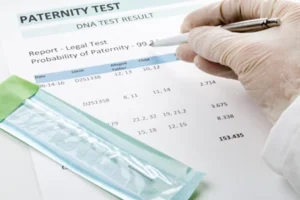
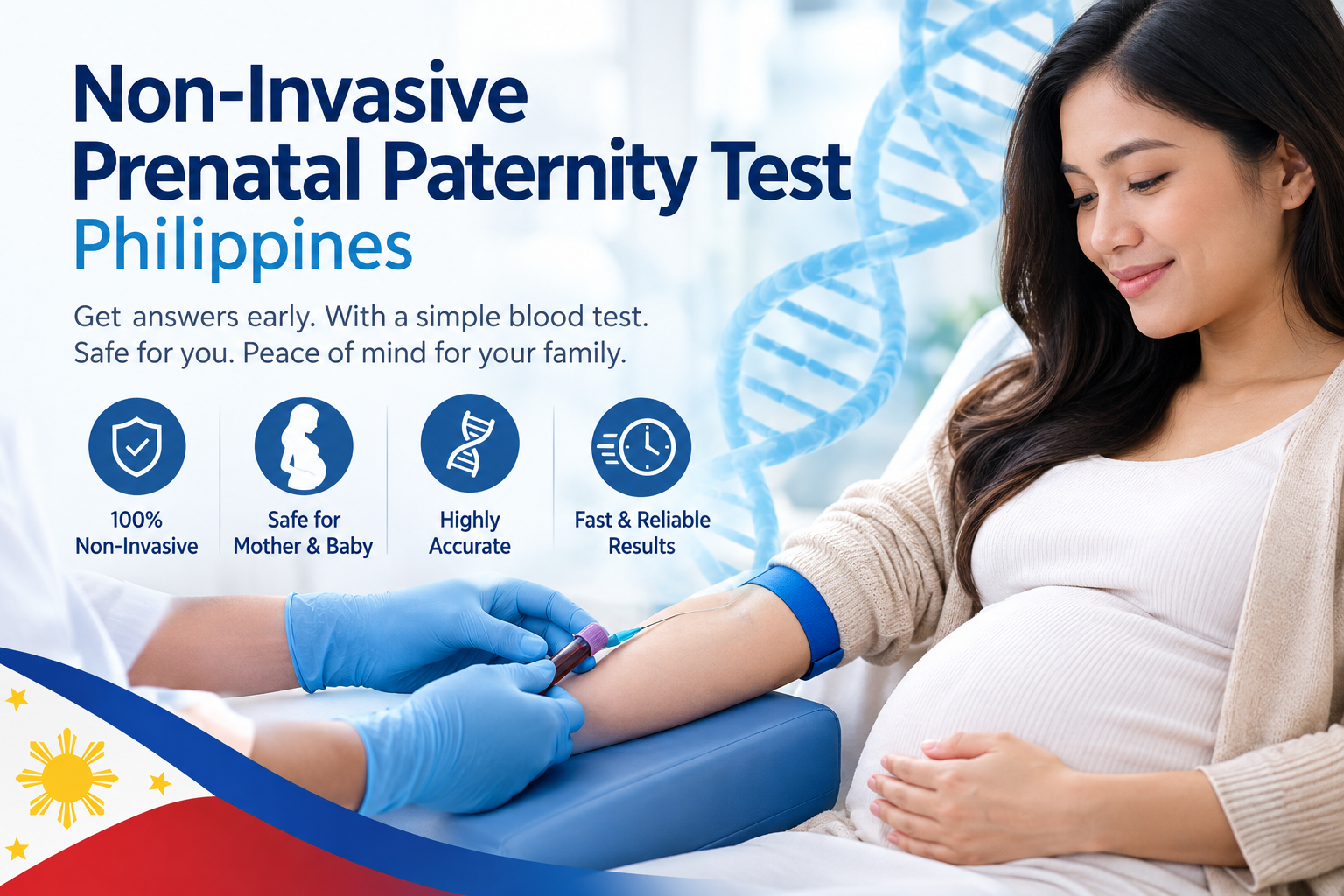
Determining biological paternity during pregnancy is now possible without performing a procedure directly on the fetus. A Non-Invasive Prenatal Paternity Test Philippines can analyze fetal DNA present in the pregnant mother’s bloodstream and compare it with DNA from the alleged father. This approach can provide paternity information before the baby is born, which may be important for personal, family, or planning reasons. Unlike invasive procedures that involve accessing the pregnancy directly, non-invasive testing generally relies on a maternal blood sample and a cheek swab from the alleged father. Several providers serving the Philippines currently advertise prenatal paternity testing using this approach, although minimum pregnancy age and testing requirements can differ. Understanding how the process works can help expectant parents make a more informed decision about whether this type of DNA testing is appropriate for their circumstances.
What Is a Non-Invasive Prenatal Paternity Test?
A Non-Invasive Prenatal Paternity Test Philippines is a DNA test designed to assess biological paternity while a pregnancy is still ongoing. The test uses cell-free fetal DNA that circulates in the mother’s bloodstream during pregnancy. A blood sample from the pregnant mother can therefore provide genetic material associated with the fetus without requiring direct access to the uterus. DNA from the alleged father is commonly obtained through a buccal, or cheek, swab. The laboratory then compares the genetic information from the fetal component of the maternal sample with the alleged father’s DNA. Providers may use advanced sequencing and genetic-marker analysis to determine whether the alleged father is genetically consistent with biological paternity. This makes prenatal paternity testing an option for people who want information about biological fatherhood before delivery.
How Does Prenatal Paternity DNA Testing Work?
The testing process begins with sample collection from the pregnant mother and the alleged father. The mother’s blood contains her own DNA as well as small fragments of cell-free fetal DNA that can be analyzed by specialized laboratory methods. The alleged father’s DNA is generally collected using a cheek swab, which is simple and does not usually require a blood draw. Once the samples reach the laboratory, specialists process the maternal sample to identify the fetal genetic profile. That profile is then compared with genetic information from the alleged father. Some laboratories use massively parallel sequencing or next-generation sequencing approaches and analyze numerous genetic markers to assess the relationship. The final report generally provides a statistical assessment of paternity or indicates that the alleged father has been excluded based on the genetic findings.
When Can a Non-Invasive Prenatal Paternity Test Be Performed?
The earliest testing point depends on the laboratory and its specific testing method. Some providers in the Philippines advertise prenatal paternity testing from approximately seven weeks of pregnancy, while other providers specify a later starting point such as ten weeks. This difference is important because prospective clients should not assume that every laboratory follows the same gestational-age requirement. The amount of fetal DNA available in maternal blood can also be relevant to whether a laboratory can successfully perform the analysis. Some providers may request an ultrasound or other documentation to verify the pregnancy and gestational age. Patients should therefore confirm the laboratory’s current eligibility requirements before arranging a sample collection appointment. Waiting until the provider’s recommended testing window may help reduce the possibility of an unsuitable or inconclusive sample. Anyone who has questions about pregnancy-related concerns should also discuss them with an appropriate healthcare professional.
Why Is the Test Considered Non-Invasive?
The term non-invasive refers primarily to the way the fetal genetic material is obtained. Instead of inserting a needle or other instrument into the uterus to obtain a fetal or placental sample, the test uses blood drawn from the pregnant mother. The mother’s blood can contain cell-free fetal DNA that laboratories can isolate and analyze. This differs from procedures such as amniocentesis and chorionic villus sampling, which involve obtaining material associated directly with the pregnancy. Some providers specifically market prenatal paternity testing as an alternative to invasive sample collection because no procedure is performed directly on the pregnancy. A maternal blood draw still involves the ordinary considerations associated with blood collection, so it should be performed by an appropriately qualified professional. Understanding this distinction can help patients discuss their options with their healthcare provider and testing laboratory.
How Accurate Is Prenatal Paternity DNA Testing?
Accuracy is one of the most important considerations when selecting prenatal DNA testing. A laboratory does not simply look for one matching genetic feature between the fetus and the alleged father. Instead, specialized testing examines numerous genetic markers and evaluates the statistical strength of the relationship. A high probability of paternity indicates that the alleged father’s genetic profile is strongly consistent with the child’s profile. An exclusion means that the tested genetic information does not support him as the biological father. Some Philippine providers advertise probabilities of paternity above 99 percent or 99.9 percent when paternity is supported, but advertised performance should always be evaluated alongside the laboratory’s methodology and quality controls. Patients should ask what technology is used, which laboratory performs the analysis, how samples are handled, and what information is included in the final report.
What Samples Are Required?
For a typical non-invasive prenatal paternity test, the pregnant mother provides a blood sample. The alleged father commonly provides a cheek swab containing cells from the inside of the mouth. This approach means the alleged father may not need to provide a blood sample for the standard testing process. Professional sample collection can be particularly important because the laboratory needs to maintain the identity and integrity of each specimen. Patients may also be asked to provide identification documents or pregnancy-related records depending on the provider’s procedures. Special circumstances can change the testing requirements, particularly when there are multiple pregnancies or unusual medical circumstances. Before booking, patients should ask the laboratory exactly which samples and documents will be required. Clear preparation can make the appointment easier and help prevent delays caused by missing information.
Non-Invasive Prenatal Testing Compared With Invasive Procedures
Amniocentesis and chorionic villus sampling are medical procedures that can obtain fetal or placental material for diagnostic purposes. A non-invasive prenatal paternity test uses maternal blood instead, making the sampling approach fundamentally different. This distinction can be particularly relevant to people who are seeking paternity information rather than prenatal diagnosis of a genetic condition. Some providers describe non-invasive prenatal paternity testing as avoiding the pregnancy-related risks associated with directly sampling amniotic fluid or placental tissue. However, prenatal paternity testing should not be viewed as a substitute for medically indicated prenatal diagnostic procedures. Amniocentesis or chorionic villus sampling may be recommended by an obstetrician for specific medical reasons that have nothing to do with determining paternity. Pregnant patients should therefore discuss medical testing decisions with their obstetrician or other qualified healthcare professional rather than choosing a procedure based solely on its relationship to paternity testing.
Factors That May Affect Testing Eligibility
Not every pregnancy will necessarily meet every laboratory’s requirements for non-invasive prenatal paternity testing. Gestational age is one of the primary factors that providers may consider before accepting a sample. Multiple pregnancies can also affect eligibility because laboratories may have different procedures for twins or other multiple gestations. Certain medical circumstances may affect whether a particular laboratory can interpret the fetal DNA reliably. For example, some laboratories list specific exclusions involving recent transplantation, blood transfusion, certain medical conditions, multiple pregnancies, or previous pregnancy-related events. These requirements are not necessarily identical between laboratories, so patients should not assume that a restriction listed by one provider applies universally. A pre-test consultation can help determine whether the pregnancy and the available samples are suitable for the selected testing method.
How Much Does a Non-Invasive Prenatal Paternity Test Cost in the Philippines?
The price of a Non-Invasive Prenatal Paternity Test Philippines can vary depending on the provider, laboratory, collection method, and services included. Current online listings from Philippine providers show substantially higher prices than many conventional post-birth paternity tests because prenatal testing requires specialized fetal DNA analysis. For example, one Philippine provider currently lists a prenatal test at ₱89,900, while another service listing shows ₱89,000, demonstrating why patients should verify current prices directly before booking. Some providers may include maternal blood collection, the alleged father’s cheek swab, laboratory processing, and results delivery in the quoted price. Other providers may have separate fees for home collection, expedited processing, or additional participants. Patients should request a complete price breakdown rather than relying only on an advertised starting price. Comparing laboratory qualifications, testing methodology, privacy practices, and service inclusions can be more valuable than choosing the cheapest available option.
How Long Does the Testing Process Take?
Turnaround time depends on the laboratory and the specific service selected. Some Philippine providers advertise results within seven to ten business days, while other services list approximately twelve working days from receipt of the sample at the laboratory. The stated processing period may not necessarily begin on the day the appointment is booked or the sample is collected. Transportation from a collection site to the testing laboratory can also affect the overall timeline. Patients who have an important deadline should ask when the laboratory considers the sample officially received. Expedited services may be available from some providers, although they can involve additional fees. It is also useful to ask what happens if a sample does not contain sufficient usable fetal DNA or requires additional analysis. Knowing the expected timeline beforehand can help manage expectations and avoid unnecessary stress.
Privacy and Confidentiality in Prenatal DNA Testing
DNA testing involves highly personal genetic information, so privacy should be an important part of the provider-selection process. Before submitting a sample, patients should understand how their personal information and DNA results will be handled. Ask who can access the report and whether results are delivered through a secure communication method. It is also reasonable to ask how biological samples are stored, how long they are retained, and what happens to them after testing. Providers may have different policies regarding data retention and sample disposal, so patients should review the applicable privacy information before proceeding. Confidential handling can be especially important when the test involves sensitive family circumstances or uncertain relationships. Choosing a provider that clearly explains its privacy practices can help patients feel more informed about how their genetic information is managed.
Personal Testing and Legal Paternity Testing Are Not Always the Same
A major consideration is whether the test is being performed simply for personal information or for a matter that may eventually involve legal proceedings. A private prenatal paternity test can provide genetic information, but that does not automatically mean the report will satisfy every legal or administrative requirement. Legal DNA testing generally involves documented identification procedures, controlled sample collection, and chain-of-custody practices. Philippine courts have recognized DNA testing as a means of establishing or examining filiation, subject to applicable legal requirements and circumstances. The Philippine Statistics Authority also recognizes formal documents and procedures relating to admission of paternity and registration matters after birth. Anyone considering DNA testing for a court case, child-support matter, inheritance dispute, or other legal issue should obtain appropriate legal advice and confirm the specific requirements before choosing a testing service.
How to Choose a Prenatal Paternity Testing Provider
Selecting the right laboratory requires more than comparing prices. Patients should first determine whether the provider has experience performing prenatal paternity DNA testing and whether the actual analysis is conducted by an appropriately qualified laboratory. It is useful to ask which genetic testing technology is used and how fetal DNA is separated or analyzed. Patients should also ask about the minimum gestational age, sample requirements, turnaround time, retesting policy, and handling of inconclusive results. Privacy and confidentiality policies should be reviewed carefully because DNA results contain sensitive information. If the results may later be needed for a legal purpose, the patient should specifically ask whether the provider offers a documented chain-of-custody service rather than assuming that every prenatal test has legal evidentiary value. A transparent provider should be able to explain the procedure, limitations, costs, and expected reporting process before the patient commits to testing.
What Happens After the Samples Are Collected?
After collection, the samples are transferred to the laboratory for processing and genetic analysis. The maternal blood sample undergoes specialized laboratory procedures to identify and analyze cell-free fetal DNA. The alleged father’s cheek-swab sample is processed to establish his genetic profile for comparison. The laboratory then evaluates the genetic markers and statistical evidence associated with the possible biological relationship. Depending on the testing method and provider, the report may state a high probability of paternity or provide an exclusion result. Some providers report results electronically or through other confidential delivery methods after laboratory processing has been completed. Patients should read the report carefully and ask the laboratory for clarification if any terminology, probability value, or testing limitation is unclear.
Frequently Asked Questions About Non-Invasive Prenatal Paternity Testing
1. What is a Non-Invasive Prenatal Paternity Test Philippines?
A Non-Invasive Prenatal Paternity Test Philippines is a DNA test designed to assess biological paternity before a baby is born. It generally analyzes cell-free fetal DNA found in the pregnant mother’s bloodstream and compares the resulting genetic information with DNA from the alleged father. The approach does not require direct sampling of the fetus.
2. How early can prenatal paternity testing be performed?
The minimum gestational age varies by laboratory. Some Philippine providers currently advertise testing from seven weeks, while other services specify ten weeks. Patients should confirm the current requirement directly with their chosen provider.
3. Is non-invasive prenatal paternity testing safe for the baby?
The testing method uses blood collected from the pregnant mother rather than directly accessing the fetus. Providers describe this approach as non-invasive because no procedure is performed directly on the pregnancy. Patients should still discuss pregnancy-related questions with their healthcare professional.
4. How accurate is prenatal paternity DNA testing?
The reported accuracy depends on the laboratory’s testing methodology, genetic markers, quality controls, and statistical analysis. Some providers advertise paternity probabilities above 99 percent when the alleged father is genetically consistent with paternity. Patients should ask the laboratory how its reported probability is calculated.
5. How much does prenatal paternity testing cost in the Philippines?
Prices vary between providers and can change over time. Current online Philippine listings include prices around ₱89,000 to ₱89,900 for certain prenatal paternity testing services. Patients should confirm the current fee and determine which services are included.
6. What samples are needed?
The pregnant mother generally provides a blood sample, while the alleged father commonly provides a cheek swab. Additional identification or pregnancy documentation may also be required depending on the provider.
7. Can the test be performed during a twin pregnancy?
Eligibility for twin or multiple pregnancies varies between laboratories. Some providers accept certain multiple pregnancies, while other laboratories list multiple gestations as an exclusion or require special consultation. Anyone carrying twins or multiples should discuss eligibility with the laboratory before scheduling.
8. Can prenatal paternity results be used in court?
A private prenatal paternity report should not automatically be assumed to satisfy legal requirements. Legal DNA testing can require verified identities, controlled sample collection, chain of custody, and other procedures. Philippine jurisprudence recognizes DNA testing in filiation matters under applicable legal standards. Individuals expecting legal proceedings should obtain appropriate legal guidance before testing.
9. How long does it take to receive the results?
Turnaround times vary by provider and begin at different points in the sample-handling process. Some providers advertise approximately seven to ten business days, while another Philippine service currently lists twelve working days from laboratory receipt. Patients should ask for the provider’s current expected timeline before testing.
10. What should I look for when choosing a testing provider?
Look for clear information about laboratory qualifications, testing technology, sample collection, privacy, pricing, turnaround time, and reporting. If legal use may be necessary, specifically ask whether the service follows appropriate chain-of-custody procedures. A provider that clearly explains eligibility and limitations can help patients make a more informed choice.
Takeaway
A Non-Invasive Prenatal Paternity Test Philippines can give expectant parents access to paternity information before birth by analyzing cell-free fetal DNA obtained from the mother’s blood. The alleged father’s DNA is commonly collected through a cheek swab and compared with the fetal genetic profile in a specialized laboratory. The procedure is different from invasive prenatal procedures because it does not require direct sampling of the fetus or pregnancy. Testing availability can begin at different stages depending on the laboratory, with Philippine providers currently advertising different minimum gestational ages. Cost, processing time, eligibility, privacy policies, and sample requirements can also vary significantly between providers. Anyone considering testing should carefully review the laboratory’s qualifications and methodology and determine whether personal-use or legally documented testing is needed. With accurate information and appropriate professional guidance, prospective parents can better understand whether prenatal DNA testing fits their circumstances.