
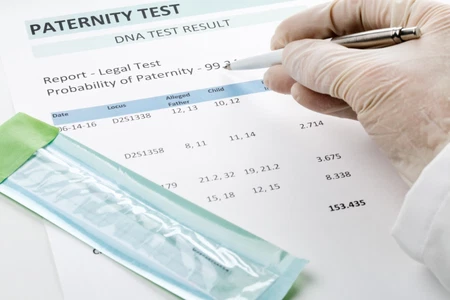
Questions about biological parentage can be deeply personal, but modern DNA testing provides a scientific way to establish whether a man is the biological father of a child. A Paternity DNA Test Philippines service compares specific genetic markers from the child and alleged father to determine whether their biological relationship is consistent with paternity. DNA testing has been recognized by Philippine courts as a valid and authoritative way to determine paternity and filiation. For families, the test can provide reliable information when parentage is uncertain. For legal disputes, however, the way the samples are collected, handled, tested, and documented can be just as important as the laboratory result itself. Understanding these differences can help individuals choose the appropriate type of paternity test and know what to expect throughout the process.
Understanding a Paternity DNA Test in the Philippines
A paternity DNA test is a laboratory examination used to determine whether an alleged father is the biological father of a child. The test examines DNA obtained from biological samples and compares genetic profiles between the individuals tested. Because a child receives genetic material from both biological parents, the child’s DNA can be compared with that of the alleged father to assess whether the genetic relationship is consistent with biological paternity. The Philippine Supreme Court has recognized DNA analysis as a valid method for determining paternity and filiation. Unlike physical resemblance or assumptions based on family history, DNA testing relies on measurable genetic information. This makes a Paternity DNA Test Philippines service useful when individuals need objective information about biological parentage. It is important, however, to understand that establishing biological paternity and establishing every legal consequence of paternity are not necessarily the same thing.
Why People Choose Paternity DNA Testing
There are many reasons why someone may consider a paternity DNA test, and not every situation involves a courtroom. A man may want to establish whether he is biologically related to a child because of uncertainty surrounding parentage. A mother may seek testing to clarify biological fatherhood when the identity of the biological father is disputed or uncertain. Families may also consider DNA testing when questions about biological relationships affect inheritance, family records, or other personal matters. In legal disputes, DNA evidence may become relevant to issues involving filiation and other rights or obligations connected with parentage. Philippine courts have repeatedly acknowledged the usefulness of DNA testing in resolving disputes involving biological relationships. Regardless of the reason for testing, participants should approach the process carefully because the result can have significant emotional, family, and legal consequences.
How Paternity DNA Testing Works
DNA is found throughout the cells of the human body, and an individual’s genetic profile is highly distinctive except in cases involving identical twins. A paternity test generally involves obtaining biological samples from the child and alleged father and generating DNA profiles from those samples. The laboratory then compares relevant genetic markers to determine whether the alleged father’s profile is consistent with the child’s inherited DNA. When the mother participates, her DNA can also be analyzed, which may provide additional information for interpreting the child’s genetic profile. Philippine jurisprudence explains that the probability calculation used in paternity testing compares the likelihood of the alleged father being the biological father against the likelihood of a random genetic match. The laboratory uses statistical analysis to calculate a Probability of Paternity rather than simply stating that two samples “look alike.” This scientific approach allows the laboratory report to provide a much stronger basis for assessing biological parentage than informal observations or family assumptions.
What Samples Are Used for a Paternity DNA Test?
Buccal or cheek-cell samples are commonly associated with paternity DNA testing because they can be collected relatively easily and provide cells containing DNA. A cheek swab involves gently collecting cells from inside the mouth using a sterile collection device supplied or approved by the testing provider. Depending on the testing circumstances, the child, alleged father, and mother may be asked to provide samples. The laboratory’s instructions should be followed carefully because improperly collected, contaminated, mislabeled, or inadequately documented samples can create complications. Sample identification is especially important when the results may be used for legal purposes. Philippine DNA evidence rules place importance on the handling of biological samples and the chain of custody surrounding DNA evidence. People arranging a Paternity DNA Test Philippines should therefore ask the provider how samples will be collected, identified, transported, stored, and analyzed.
Legal DNA Test vs. Personal DNA Test in the Philippines
One of the most important decisions before testing is determining whether the test is intended for personal knowledge or legal use. A personal paternity test may be appropriate when participants simply want to learn whether a biological father-child relationship exists. A legal DNA test involves additional safeguards designed to establish the identity of participants and document the handling of samples. These safeguards can include controlled sample collection, identity verification, documented transfers, and chain-of-custody procedures. A privately collected sample may provide useful personal information, but it may not automatically satisfy the evidentiary requirements of a court proceeding. Philippine courts evaluate DNA evidence based on factors that include sample handling, testing methodology, laboratory qualifications, and the reliability of the results. Therefore, anyone considering testing because of an existing or anticipated legal dispute should tell the testing provider that legal use is intended before samples are collected.
Paternity DNA Testing and Philippine Legal Proceedings
DNA testing can play an important role in Philippine proceedings involving paternity and filiation. The Supreme Court’s Rule on DNA Evidence provides a framework for the use and evaluation of DNA evidence in civil, criminal, and special proceedings. Under the rule, a court may order DNA testing upon an appropriate application when specified conditions concerning the biological sample, scientific validity, relevance, and reliability are satisfied. Philippine jurisprudence also recognizes that DNA testing may be particularly useful when conventional evidence of biological relationships is difficult to establish. However, obtaining a DNA test does not automatically determine every legal issue surrounding a child or parent. Questions involving civil records, support, inheritance, custody, or recognition may involve additional legal procedures and evidence. Anyone involved in an active paternity dispute should therefore consider obtaining advice from a qualified Philippine attorney alongside appropriate DNA testing services.
Understanding Paternity DNA Test Results
A paternity DNA report may contain technical information that can initially seem difficult to understand. One of the most important figures is the Probability of Paternity, which represents the statistical strength of the evidence supporting the alleged father as the biological father. A result that excludes the alleged father indicates that the genetic evidence does not support biological paternity. Philippine DNA evidence rules specifically provide that DNA results excluding the putative parent from paternity are conclusive proof of non-paternity under the rule. When the Probability of Paternity is 99.9% or higher, the rule provides for a disputable presumption of paternity. This means that a strong DNA result can carry substantial evidentiary weight, but participants should still understand the difference between the scientific finding and the broader legal consequences that may follow.
How Accurate Is a Paternity DNA Test?
Modern DNA profiling can provide highly reliable evidence of biological relationships when scientifically valid testing methods and properly collected samples are used. Rather than relying on a single genetic characteristic, laboratories examine multiple genetic markers to evaluate whether the alleged father and child share the expected biological relationship. The Philippine Supreme Court has recognized the scientific validity and reliability of DNA analysis for determining paternity and filiation. The accuracy and evidentiary strength of a test can nevertheless depend on factors such as sample quality, laboratory procedures, methodology, documentation, and statistical interpretation. Philippine DNA evidence rules direct courts to consider the methodology used, the laboratory, the analyst’s qualifications, and the reliability of the testing process. For this reason, consumers should look beyond marketing claims and ask a testing provider about its laboratory procedures, qualifications, quality controls, and reporting standards.
How Much Does a Paternity DNA Test Cost in the Philippines?
The cost of a paternity DNA test can vary considerably depending on the type of service selected. Personal testing and legally documented testing may have different prices because legal testing requires additional procedures and documentation. Other factors that can affect cost include the number of participants, sample collection arrangements, laboratory location, turnaround time, and whether specialized testing is required. One current Philippine pricing guide reports personal paternity testing around PHP 14,800 to PHP 15,000 and legal paternity testing around PHP 21,800 to PHP 27,500, although prices can change between providers and services. Consumers should request a current quotation rather than relying on an old price found online. It is also important to ask whether sample collection, laboratory analysis, documentation, and result delivery are included in the quoted fee. Comparing the total service and testing process can be more useful than choosing a provider based solely on the lowest advertised price.
How Long Does a Paternity DNA Test Take?
The time required for a paternity DNA test depends on the laboratory, testing service, sample collection method, and whether additional verification is necessary. The process generally begins with scheduling and sample collection before the specimens are sent for laboratory analysis. Once the laboratory receives the samples, DNA extraction, profiling, comparison, statistical analysis, and report preparation must be completed. Personal testing may have a different turnaround time from legally documented testing because legal services can require additional identification and documentation procedures. A laboratory may also need additional time if there is a problem with a sample or if a repeat collection becomes necessary. Current Philippine service information indicates that turnaround times can vary from roughly one to three weeks depending on the provider and type of testing. Before booking a Paternity DNA Test Philippines, participants should ask the provider for the expected processing period and clarify whether the quoted timeframe begins on the collection date or when the laboratory receives the samples.
Choosing a Paternity DNA Testing Provider in the Philippines
Choosing the right testing provider is an important part of obtaining dependable results. Consumers should look for a provider that clearly explains its testing process, laboratory procedures, sample requirements, pricing, and expected turnaround time. It is also useful to ask whether the laboratory follows recognized quality standards and whether qualified personnel conduct and interpret the testing. For legal testing, participants should specifically ask how identity verification and chain-of-custody procedures are handled. Philippine courts may examine the laboratory, testing methodology, sample handling, and qualifications of the analyst when evaluating DNA evidence. A provider should also have a clear process for explaining the final report and answering questions about technical terminology. Taking time to evaluate these factors can help consumers select a service that matches their personal or legal needs rather than simply choosing based on advertising.
Privacy and Confidentiality During DNA Testing
DNA information is highly personal, so privacy should be considered before submitting biological samples. Individuals should understand how the testing provider stores, handles, protects, and releases genetic information. Participants should also ask who will receive the results and whether samples are retained after testing. For DNA evidence used in Philippine court proceedings, the Rule on DNA Evidence contains confidentiality provisions concerning DNA profiles, results, and related information. The rules generally restrict disclosure of DNA profiles and testing information except to authorized persons or as otherwise permitted by the court. Consumers arranging private testing should nevertheless review the laboratory’s own privacy policy and data-handling practices. Taking these precautions can help participants make informed decisions about sensitive genetic information before beginning the testing process.
What to Consider Before Taking a Paternity DNA Test
Before arranging a paternity test, it is helpful to identify exactly why the test is needed. Someone seeking private information may require a different service from someone who expects the results to be presented in court. Participants should understand who needs to provide samples and what identification or documentation will be required. They should also consider how they will respond if the result differs from their expectations. Because paternity results can affect relationships, family dynamics, financial responsibilities, and legal proceedings, testing should be approached thoughtfully. If a child is involved, parents and guardians should also consider the child’s welfare and the potential emotional consequences of the process. Taking time to understand the testing purpose, procedures, privacy considerations, and possible outcomes can make the experience more manageable.
Paternity DNA Test Philippines: Practical Step-by-Step Process
The first step is to determine whether the test is for personal information or a legal proceeding. The second step is to select a reputable DNA testing provider that offers the appropriate type of paternity service. The third step is to confirm which individuals must provide samples and what identification or documentation is required. The fourth step is to arrange sample collection according to the provider’s procedures. The fifth step is for the laboratory to extract DNA, generate profiles, compare the relevant genetic markers, and calculate the statistical findings. The sixth step is to receive and review the laboratory report, including the Probability of Paternity or any exclusion finding. If the test is connected with a legal matter, the final step is to use the results through the appropriate legal process rather than assuming that the laboratory report alone changes a person’s legal status.
Frequently Asked Questions About Paternity DNA Test Philippines
What is a Paternity DNA Test Philippines service?
A Paternity DNA Test Philippines service is a DNA analysis designed to determine whether an alleged father is the biological father of a child. The laboratory compares DNA profiles obtained from biological samples to evaluate whether the genetic relationship is consistent with paternity. The test can be arranged for personal purposes or through procedures intended for legal use. The appropriate service depends on why the test is being requested. A provider can explain which testing procedure matches the participant’s circumstances.
Is a paternity DNA test accurate?
DNA testing can provide highly reliable evidence of biological parentage when appropriate scientific methods and properly collected samples are used. Philippine courts recognize DNA testing as a valid method for determining paternity and filiation. The strength of the result also depends on laboratory procedures, sample integrity, and statistical interpretation. Consumers should therefore choose qualified providers and ask about their testing standards.
How is a paternity DNA test performed?
A common approach involves collecting cheek-cell samples from the child and alleged father. The laboratory extracts DNA and creates genetic profiles from the samples. Those profiles are then compared to determine whether the child’s genetic markers are consistent with inheritance from the alleged father. The laboratory uses statistical calculations to determine the Probability of Paternity. The mother may also provide a sample when appropriate.
How much does a paternity DNA test cost in the Philippines?
Pricing depends on the provider and the type of testing requested. Personal tests may cost less than legally documented tests because legal services can involve additional collection and identification procedures. A 2026 Philippine pricing guide lists personal testing at approximately PHP 14,800 to PHP 15,000 and legal testing at approximately PHP 21,800 to PHP 27,500, but current prices should be confirmed directly with the provider.
How long does a paternity DNA test take?
Turnaround times vary depending on the laboratory and service selected. Some providers report processing periods ranging from approximately one to three weeks. Legal testing can involve additional administrative procedures that may affect timing. Participants should ask the provider for its current estimated turnaround before scheduling.
Can a DNA test be used in court in the Philippines?
Yes, DNA evidence can be used in Philippine court proceedings when the applicable evidentiary requirements are satisfied. The Rule on DNA Evidence addresses matters such as scientific validity, sample handling, laboratory qualifications, and reliability. A personal DNA test should not automatically be assumed to have the same evidentiary value as a test conducted under documented legal procedures.
What happens if the alleged father refuses a DNA test?
The legal consequences of refusing or failing to participate in DNA testing depend on the specific circumstances of the case. A court may have authority to address DNA testing applications under the Rule on DNA Evidence when the applicable requirements are met. Refusal does not necessarily mean that biological paternity is automatically established. Anyone facing this situation in an active dispute should obtain advice from a qualified attorney.
Can a DNA test change a child’s birth certificate?
A DNA result and a civil registry record are separate matters. A laboratory report does not necessarily alter a birth certificate automatically. Any correction or change to civil records may require the appropriate legal or administrative procedure. Individuals should obtain professional legal guidance when a paternity result is intended to affect official records.
Is the mother’s DNA sample required?
Not every paternity test necessarily requires the mother’s sample. Testing can be performed using the child and alleged father’s samples, although including the mother can provide additional information that may help with interpretation. The laboratory can explain which participants are recommended or required for the selected test. Legal testing may also have specific participant and documentation requirements.
Are paternity DNA test results confidential?
DNA information is sensitive and should be handled carefully. The Philippine Rule on DNA Evidence includes confidentiality protections for DNA profiles and testing results in covered proceedings. For private testing, participants should also review the testing provider’s privacy and data-handling policies. It is wise to understand how results and biological samples will be stored and who can access them.
Takeaway
A Paternity DNA Test Philippines service provides a scientific way to investigate biological fatherhood when parentage is uncertain. Modern DNA analysis can offer highly reliable evidence, and Philippine courts recognize DNA testing as a valid tool for determining paternity and filiation. The most important step is choosing the right type of test for the intended purpose, particularly when results may be used in court. Participants should consider sample collection procedures, laboratory qualifications, privacy practices, turnaround time, and total cost before proceeding. A strong DNA result can provide important biological information, but related legal matters may require separate legal or administrative action. By understanding the testing process and selecting an appropriate provider, individuals can approach paternity testing with greater clarity, care, and confidence.