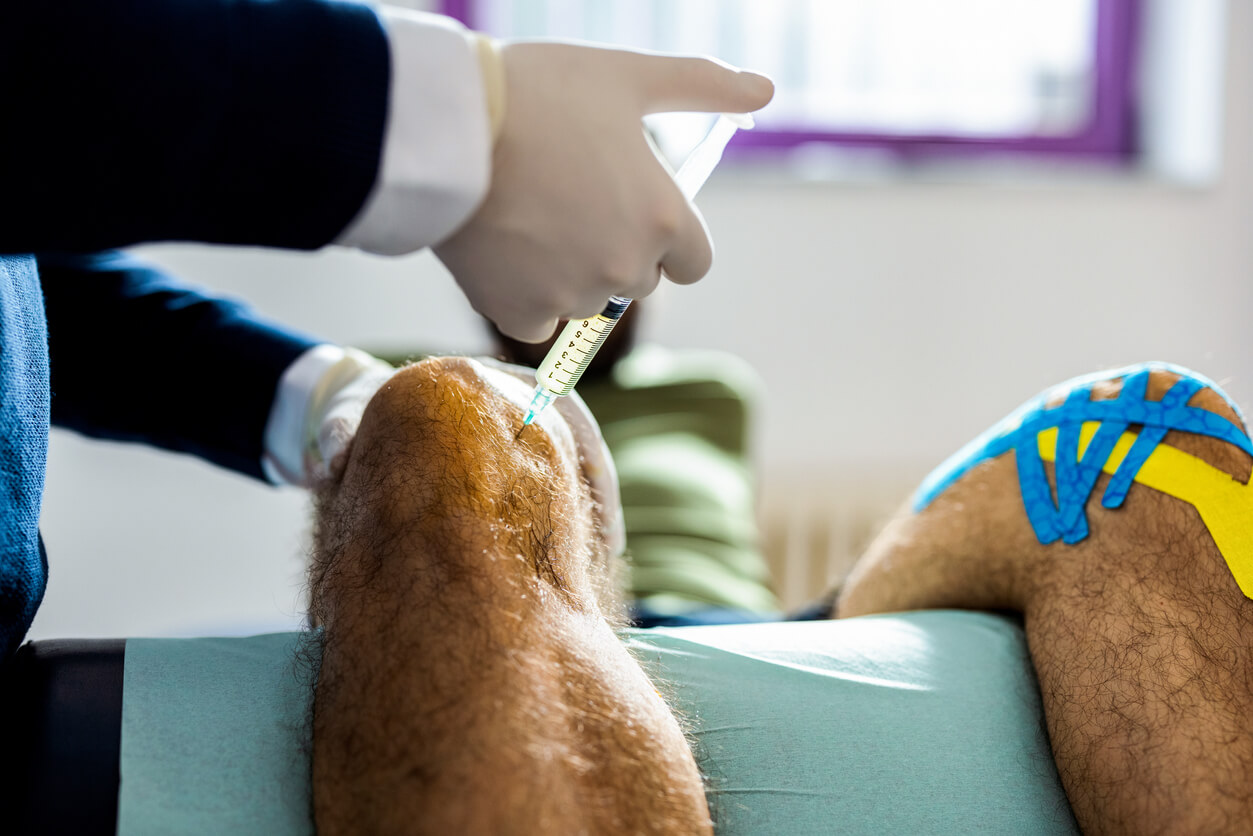
Understanding PRP Therapy for Sports Injuries
PRP for sports injuries refers to platelet-rich plasma therapy, a regenerative treatment that uses components of a patient’s own blood to support tissue repair. This approach has become increasingly relevant in sports medicine because it focuses on enhancing the body’s natural healing ability rather than masking symptoms. Platelet-rich plasma contains a concentrated amount of platelets, which are essential for initiating and accelerating healing processes in injured tissues. These platelets release growth factors that help stimulate repair in muscles, tendons, ligaments, and joints. The therapy is commonly used for individuals who experience injuries from athletic activities, repetitive motion, or overuse conditions. PRP for sports injuries is often explored when traditional approaches such as rest, medication, or physical therapy do not fully resolve the problem. It is considered part of regenerative medicine, which emphasizes biological healing mechanisms. This treatment continues to gain attention among orthopedic specialists and sports medicine professionals due to its minimally invasive nature.
The Science Behind PRP for Sports Injuries
The effectiveness of PRP for sports injuries is based on the biological role of platelets in healing. Platelets are small blood components that become active when tissue damage occurs, triggering a cascade of repair mechanisms. Once concentrated and reintroduced into an injury site, they release growth factors that promote cellular repair and regeneration. These growth factors include proteins that stimulate collagen production, tissue remodeling, and new blood vessel formation. The increased concentration of platelets allows a stronger healing response compared to the body’s natural baseline activity. This process supports damaged tendons and ligaments by improving structural integrity over time. It also enhances communication between cells involved in tissue repair. The biological mechanism is gradual, meaning improvements often develop over weeks rather than immediately.
Common Sports Injuries Treated with PRP for Sports Injuries
PRP for sports injuries is frequently used to manage a wide range of musculoskeletal conditions. These injuries often involve soft tissues that have limited blood supply, making healing slower and more challenging. Athletes and active individuals commonly seek PRP when dealing with chronic pain or recurring injuries. It is also used for partial tears where surgery may not be immediately necessary. Many sports-related conditions respond to this regenerative approach due to its targeted healing properties.
Common injuries include:
- Tendon inflammation such as tendinitis and tendinopathy
- Ligament sprains and partial tears
- Muscle strains from overexertion or sudden movement
- Shoulder injuries involving the rotator cuff
- Knee conditions such as patellar tendon irritation
- Achilles tendon damage from running or jumping activities
- Elbow pain from repetitive motion injuries
- Foot and heel conditions such as plantar fasciitis
These conditions often benefit from PRP for sports injuries because they involve repetitive stress and microtrauma. The therapy helps stimulate repair in areas where natural healing may be delayed. It is especially useful for chronic injuries that have not responded well to conservative care.
How PRP for Sports Injuries Is Performed
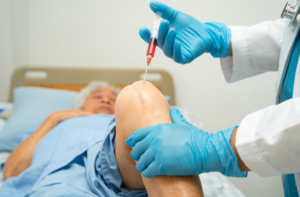
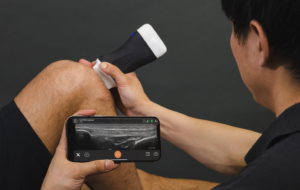
The process of PRP for sports injuries begins with a medical evaluation to determine suitability. A small amount of blood is drawn from the patient, similar to a routine laboratory test. This blood is then placed into a centrifuge machine, which separates its components based on density. The platelet-rich portion is carefully isolated and prepared for injection. This concentrated plasma is then injected directly into the injured area using precise guidance techniques. Imaging tools such as ultrasound may be used to ensure accurate placement of the injection. The procedure is typically performed in an outpatient setting without the need for hospitalization. After the injection, patients are monitored briefly before returning home the same day.
Conditions Commonly Managed with PRP for Sports Injuries
PRP for sports injuries is widely used in orthopedic and sports medicine settings to address both acute and chronic conditions. Many of these conditions are associated with inflammation, degeneration, or partial tissue damage. The treatment aims to improve function while reducing pain over time. It is not limited to professional athletes and is also used by recreationally active individuals.
Conditions commonly treated include:
- Tennis elbow affecting the outer elbow tendons
- Golfer’s elbow affecting the inner elbow tendons
- Rotator cuff injuries in the shoulder joint
- Patellar tendon issues in the knee
- Achilles tendon injuries in runners and jumpers
- Hamstring strains from sudden movement or sprinting
- Ankle ligament injuries from twisting or impact
- Plantar fasciitis causing heel pain during movement
These conditions often involve repetitive stress or trauma that limits recovery. PRP for sports injuries supports the body’s ability to rebuild damaged tissue gradually. It is especially valuable in cases where long-term inflammation has slowed healing.
Biological Healing Response Triggered by PRP for Sports Injuries
The biological response triggered by PRP for sports injuries begins immediately after injection. The concentrated platelets release growth factors that activate nearby cells responsible for tissue repair. This initiates an inflammatory phase, which is a necessary step in healing damaged structures. Following this phase, the body begins producing new collagen fibers that strengthen tendons and ligaments. Blood vessel formation improves circulation in previously weakened areas. Over time, tissue remodeling occurs, gradually restoring function and stability. This process is slow and requires consistency in rehabilitation efforts. The regenerative response continues for several weeks, depending on the severity of the injury.
PRP for Sports Injuries vs Conventional Treatments
PRP for sports injuries differs from traditional treatments that focus primarily on symptom control. Anti-inflammatory medications may reduce pain but do not actively repair damaged tissue. Corticosteroid injections can provide temporary relief but may weaken tissue over time with repeated use. Physical therapy plays an important role in rehabilitation but may not always fully resolve chronic injuries alone. Surgical intervention is sometimes necessary but involves longer recovery periods and greater risk. PRP offers a biologically active approach that works with the body’s natural healing mechanisms. It is often used alongside rehabilitation programs to enhance outcomes. Many patients consider it when they want to avoid surgery or reduce reliance on long-term medication.
Benefits of PRP for Sports Injuries
PRP for sports injuries offers several potential advantages for individuals seeking regenerative treatment options. It is minimally invasive and typically performed without surgical incisions. Since it uses the patient’s own blood, the risk of allergic reaction is very low. Recovery time is often shorter compared to surgical procedures. It supports natural tissue repair rather than replacing damaged structures. It can be used for both acute injuries and chronic conditions. Many patients appreciate its ability to complement physical therapy programs.
Additional benefits include:
- Reduced dependency on pain medications
- Improved tissue strength over time
- Enhanced healing response in low-blood-flow areas
- Applicability to multiple types of sports injuries
- Potential to delay or avoid surgical intervention
These advantages make PRP for sports injuries an appealing option for active individuals.
Limitations and Considerations of PRP for Sports Injuries
Despite its benefits, PRP for sports injuries is not a guaranteed solution for all patients. Results can vary depending on the severity and type of injury. Some individuals may require multiple sessions to achieve noticeable improvement. Chronic or advanced degenerative conditions may respond more slowly. The quality of the platelet concentration process can also influence outcomes. It is important to understand that PRP is not a quick fix and requires patience. Medical evaluation is essential before proceeding with treatment. Proper diagnosis ensures that PRP is used in appropriate cases.
Who May Be a Suitable Candidate for PRP for Sports Injuries
PRP for sports injuries is often considered for individuals who are active and experience musculoskeletal issues. It is commonly recommended for patients who have not achieved sufficient improvement with conservative treatments. Athletes recovering from tendon or ligament injuries may benefit from this approach. Individuals with chronic inflammation or partial tissue damage are also potential candidates. It is suitable for those seeking non-surgical options. Patients should be in generally good health to support healing. A detailed medical assessment helps determine eligibility and expected outcomes.
Recovery Timeline After PRP for Sports Injuries
The recovery timeline following PRP for sports injuries varies based on the type of injury and individual healing response. Some patients experience mild soreness immediately after the injection. This is usually a normal inflammatory response and resolves within a few days. Noticeable improvement may begin within several weeks. Full tissue regeneration can take several months depending on severity. Physical therapy is often recommended to support functional recovery. Gradual return to physical activity is important to avoid reinjury. Long-term improvements are typically evaluated over time rather than immediately.
Risks and Side Effects of PRP for Sports Injuries
PRP for sports injuries is generally considered safe due to its autologous nature. However, like any medical procedure, it carries some risks. Mild swelling or discomfort at the injection site is common. Temporary inflammation may occur as part of the healing process. Infection is rare but possible if proper sterile techniques are not followed. Some patients may experience no significant improvement depending on their condition. Careful medical supervision helps minimize complications. Most side effects are short-lived and manageable.
Clinical Research on PRP for Sports Injuries
Research on PRP for sports injuries continues to evolve in the field of sports medicine. Many studies show positive outcomes for tendon-related conditions. Evidence supports its role in improving healing in certain chronic injuries. However, results can vary depending on preparation methods and patient factors. Some studies highlight the need for standardized protocols. Ongoing research aims to better understand optimal dosing and application techniques. The scientific community continues to evaluate its long-term effectiveness. PRP remains an active area of medical investigation.
Factors Influencing Outcomes of PRP for Sports Injuries
Several factors can influence the effectiveness of PRP for sports injuries. Patient age and overall health play an important role in healing capacity. The severity and duration of the injury also affect outcomes. The concentration of platelets in the preparation may impact results. Accurate injection placement is essential for targeting damaged tissue. Adherence to rehabilitation programs improves recovery potential. Lifestyle factors such as nutrition and activity levels may also contribute. Each case requires individualized evaluation for best results.
Cost Considerations for PRP for Sports Injuries
The cost of PRP for sports injuries varies depending on multiple factors. These may include clinic location, technology used, and number of sessions required. Some patients may need repeat treatments for optimal results. Insurance coverage may be limited depending on the provider and policy. Costs should be weighed against potential long-term benefits. In some cases, PRP may reduce the need for more expensive surgical procedures. Patients are encouraged to discuss financial considerations with their healthcare provider. Understanding the investment involved helps in making informed decisions.
Preparing for PRP for Sports Injuries
Preparation for PRP for sports injuries involves several important steps. A medical evaluation is performed to assess suitability for treatment. Patients may be advised to avoid certain medications before the procedure. Staying well-hydrated can support blood quality for processing. It is important to disclose all medical conditions and supplements. Patients are usually encouraged to maintain a stable level of physical activity before treatment. Clear communication with the healthcare provider ensures proper preparation. Expectations should be discussed in advance for better understanding.
Post-Procedure Care and Rehabilitation
After PRP for sports injuries, post-procedure care plays a key role in recovery. Patients are often advised to rest the treated area for a short period. Mild discomfort can be managed with appropriate guidance from a healthcare provider. Physical therapy may be introduced gradually to restore movement and strength. High-impact activities are usually avoided during early healing stages. Consistent rehabilitation helps improve long-term outcomes. Progress is monitored over time to ensure proper healing. Patients are encouraged to follow medical instructions carefully.
Advancements in PRP for Sports Injuries
Advancements in PRP for sports injuries continue to improve treatment precision and effectiveness. Modern centrifugation systems allow more accurate platelet concentration. Variations such as leukocyte-rich and leukocyte-poor formulations are being studied. Combination therapies are being explored to enhance regenerative effects. Improved imaging guidance techniques help ensure accurate injection placement. Research in biologic therapies is expanding treatment possibilities. These developments aim to refine outcomes in sports medicine. Innovation continues to shape the future of regenerative treatments.
Frequently Asked Questions About PRP for Sports Injuries
What is PRP for sports injuries and how does it work
PRP for sports injuries uses concentrated platelets from the patient’s blood to stimulate healing in damaged tissues. It works by releasing growth factors that enhance the body’s natural repair processes.
How long does it take to see results
Results vary, but improvement may begin within a few weeks. Full healing often takes several months depending on the injury.
Is the procedure painful
Mild discomfort may occur during and after the injection. Most patients tolerate the procedure well.
How many sessions are needed
Some patients require a single session while others may need multiple treatments based on severity.
Can it heal torn ligaments completely
PRP may support healing in partial tears, but complete tears often require additional medical intervention.
Is it safe for athletes
Yes, it is generally safe and widely used in sports medicine settings.
What injuries respond best
Tendon and ligament injuries tend to respond well to PRP for sports injuries.
Can it be combined with physical therapy
Yes, physical therapy is often recommended alongside PRP treatment.
Are there restrictions after treatment
Yes, high-impact activities are usually limited during early recovery.
Does it replace surgery
In some cases it may reduce the need for surgery, but not always.
Takeaway
PRP for sports injuries represents a regenerative approach that supports the body’s natural ability to repair damaged tissues. It is widely used in sports medicine for tendon, ligament, and muscle injuries where traditional treatments may not provide full relief. The therapy works gradually, relying on biological healing rather than immediate symptom suppression. While results vary among individuals, many patients use it as part of a broader rehabilitation strategy. Its minimally invasive nature and use of the patient’s own blood make it an appealing option for active individuals seeking alternatives to surgery.