Understanding Glaucoma: A Silent Threat to Vision
Glaucoma is a group of eye conditions that damage the optic nerve, which plays a crucial role in transmitting visual information from the eye to the brain. This damage is often caused by increased pressure inside the eye, known as intraocular pressure, although it can also occur even when pressure is within normal ranges. The condition progresses slowly and painlessly in most cases, making it difficult for individuals to notice changes until significant vision loss has already occurred. This is why glaucoma is often referred to as a silent threat to vision. In the Bicol region, where access to specialized eye care may vary, this condition can go undetected for long periods. Many people only seek medical attention when symptoms become severe, which can limit treatment effectiveness. Raising awareness about glaucoma screening and diagnosis in Bicol is essential to prevent avoidable blindness and preserve quality of life.
Why Glaucoma Screening Matters in Bicol
The importance of glaucoma screening and diagnosis in Bicol cannot be overstated, especially given the growing population and increasing prevalence of age-related conditions. Many residents in the region may not prioritize routine eye check-ups due to lack of awareness or financial constraints. However, early screening allows for timely intervention, which can slow or even halt the progression of the disease. Bicol’s mix of urban and rural communities creates disparities in healthcare access, making consistent screening programs even more vital. Environmental factors, such as prolonged sun exposure and occupational hazards, may also contribute to eye health issues. By promoting regular eye exams, healthcare providers can detect glaucoma in its early stages and prevent irreversible damage. Community-level education and outreach programs can play a significant role in encouraging individuals to take proactive steps toward eye health.
Common Types of Glaucoma Diagnosed in Bicol
Several types of glaucoma are commonly identified in patients across the Bicol region, each with unique characteristics and risks. Primary open-angle glaucoma is the most prevalent form and develops gradually without noticeable symptoms in its early stages. Angle-closure glaucoma, on the other hand, can occur suddenly and is considered a medical emergency due to its rapid onset and severe symptoms. Normal-tension glaucoma is another type where optic nerve damage occurs despite normal eye pressure levels. Secondary glaucoma may arise from underlying conditions such as diabetes, eye injuries, or prolonged use of certain medications. Congenital glaucoma, although rare, affects infants and requires early intervention to prevent lifelong vision impairment. Understanding these types helps patients and healthcare providers tailor screening and diagnostic approaches effectively. Awareness of these variations also highlights the need for comprehensive eye exams rather than relying on a single test.
Risk Factors for Glaucoma Among Bicolanos
Certain risk factors make individuals in Bicol more susceptible to developing glaucoma, and recognizing these factors can encourage early screening. Age is one of the most significant contributors, particularly for individuals over 40 years old. A family history of glaucoma increases the likelihood of developing the condition, making genetic awareness crucial. Chronic diseases such as diabetes and hypertension, which are prevalent in many communities, also elevate the risk. Lifestyle habits, including smoking and poor diet, may contribute to overall eye health deterioration. Prolonged exposure to digital screens without proper eye care can strain the eyes and indirectly affect vision. Ethnic and regional factors may also influence susceptibility, emphasizing the importance of localized healthcare strategies. Identifying these risks empowers individuals to seek timely glaucoma screening and diagnosis in Bicol.
Early Signs and Symptoms to Watch For
Glaucoma often develops without noticeable symptoms, which is why it can progress undetected for years. In its early stages, most individuals experience no pain or visible changes in vision. As the condition advances, gradual loss of peripheral vision may occur, making it difficult to notice objects on the sides. In more severe cases, patients may experience tunnel vision, where only central vision remains clear. Acute forms of glaucoma can present sudden symptoms such as intense eye pain, blurred vision, halos around lights, and nausea. These symptoms require immediate medical attention to prevent permanent damage. Recognizing even subtle changes in vision is essential for early detection. Regular eye examinations remain the most reliable way to identify glaucoma before symptoms become severe.
Glaucoma Screening Methods Available in Bicol
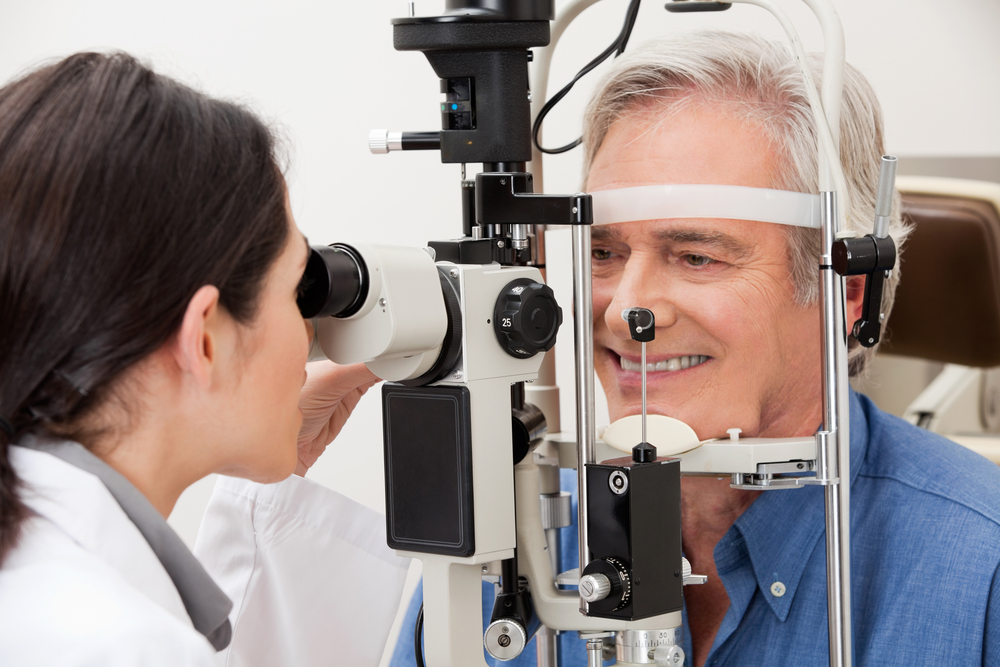
Healthcare facilities in Bicol offer a variety of screening methods to detect glaucoma accurately and efficiently. These tests are designed to evaluate different aspects of eye health and provide a comprehensive diagnosis. Patients visiting clinics can expect a combination of basic and advanced diagnostic procedures depending on availability.
- Tonometry is used to measure intraocular pressure and identify abnormal levels
- Ophthalmoscopy allows doctors to examine the optic nerve for signs of damage
- Visual field testing helps detect blind spots and peripheral vision loss
- Gonioscopy assesses the drainage angle of the eye to determine fluid flow
- Optical coherence tomography provides detailed imaging of the optic nerve
These screening tools work together to give a complete picture of eye health. While some advanced technologies may be limited to larger hospitals or private clinics, efforts are being made to expand access across the region. Early and accurate screening is the foundation of effective glaucoma management.
The Glaucoma Diagnosis Process Step-by-Step
The process of diagnosing glaucoma typically begins with a thorough consultation, where the eye doctor reviews the patient’s medical history and symptoms. This initial step is crucial for identifying potential risk factors and determining which tests are necessary. Following the consultation, patients undergo a series of diagnostic procedures that evaluate eye pressure, optic nerve health, and visual field performance. Each test provides valuable information that contributes to the overall diagnosis. Once the results are analyzed, the doctor determines whether glaucoma is present and assesses its severity. Patients are then informed about their condition and possible treatment options. Follow-up appointments are essential to monitor progression and adjust treatment plans as needed. This structured approach ensures that glaucoma screening and diagnosis in Bicol are both accurate and effective.
Challenges in Glaucoma Screening and Diagnosis in Bicol
Despite advancements in healthcare, several challenges still affect glaucoma screening and diagnosis in Bicol. Limited access to specialized ophthalmologists in remote areas remains a significant barrier for many residents. Financial constraints can prevent individuals from seeking regular eye exams or undergoing advanced diagnostic tests. Lack of awareness about glaucoma and its risks often leads to delayed consultations. Transportation difficulties in rural communities further complicate access to healthcare facilities. Cultural beliefs and misconceptions about eye diseases may also discourage preventive care. Addressing these challenges requires a collaborative effort between government agencies, healthcare providers, and local communities. Expanding outreach programs and improving healthcare infrastructure can help bridge these gaps.
Advancements Improving Glaucoma Detection in the Region
Recent developments in medical technology and healthcare delivery are improving glaucoma detection in Bicol. Portable diagnostic devices are making it easier for healthcare providers to conduct screenings in remote areas. Telemedicine platforms allow patients to consult with specialists without traveling long distances. Mobile eye clinics are bringing essential services directly to underserved communities. Government initiatives and nonprofit organizations are actively supporting vision care programs in the region. These efforts are helping to increase awareness and accessibility of glaucoma screening. As technology continues to evolve, more residents will benefit from early detection and timely treatment. These advancements are shaping a more inclusive and effective healthcare system for eye care in Bicol.
Importance of Regular Eye Check-Ups
Routine eye examinations are one of the most effective ways to detect glaucoma early and protect vision. Regular check-ups allow eye doctors to monitor changes in eye health over time. Individuals over the age of 40 are generally advised to undergo screening every one to two years. Those with higher risk factors may need more frequent evaluations. Early detection significantly improves the chances of managing glaucoma successfully. Preventive care also reduces the likelihood of severe complications and vision loss. Encouraging consistent eye check-ups can help build a culture of proactive health management. This practice is especially important in regions where awareness of glaucoma may still be developing.
Where to Get Glaucoma Screening in Bicol
Residents of Bicol have access to various healthcare facilities that offer glaucoma screening and diagnostic services. Public hospitals provide affordable options for individuals seeking basic eye care. Private clinics and specialized ophthalmology centers offer advanced diagnostic technologies and personalized treatment plans. Nonprofit organizations often conduct free or low-cost screening programs in different communities. Choosing a reliable provider involves considering factors such as expertise, equipment, and accessibility. Patients are encouraged to research available options and seek recommendations from trusted sources. Access to quality eye care is essential for effective glaucoma management. Expanding these services across the region remains a priority for improving public health.
Preparing for a Glaucoma Screening Appointment
Preparing for an eye examination can help ensure a smooth and efficient screening process. Patients should bring any relevant medical records, including previous eye test results and a list of medications. It is important to inform the doctor about any existing health conditions or family history of glaucoma. Some tests may require pupil dilation, which can temporarily affect vision, so arranging transportation may be helpful. Patients should also prepare questions about their eye health and potential risks. Understanding what to expect during the appointment can reduce anxiety and improve the overall experience. Being well-prepared allows for a more accurate and comprehensive evaluation. This proactive approach supports effective glaucoma screening and diagnosis in Bicol.
Cost of Glaucoma Screening and Diagnosis in Bicol
The cost of glaucoma screening in Bicol varies depending on the type of facility and the tests involved. Public healthcare centers generally offer more affordable services, making them accessible to a wider population. Private clinics may charge higher fees due to advanced equipment and specialized care. Basic screening tests are typically less expensive, while comprehensive diagnostic procedures may require a larger investment. Health insurance and government assistance programs can help offset these costs for eligible individuals. Nonprofit organizations also provide free or subsidized screenings in certain areas. Understanding the cost structure can help patients plan their healthcare expenses effectively. Affordable access to screening is crucial for encouraging more individuals to prioritize eye health.
Preventive Measures and Eye Health Tips
Maintaining good eye health involves adopting habits that reduce the risk of developing glaucoma and other vision problems. A balanced diet rich in vitamins and nutrients supports overall eye function. Regular exercise can help maintain healthy blood circulation, including to the eyes. Managing chronic conditions such as diabetes and hypertension is essential for preventing complications. Protecting the eyes from excessive sunlight by wearing sunglasses can reduce strain and damage. Limiting screen time and taking breaks during prolonged digital use can prevent eye fatigue. Avoiding smoking and maintaining a healthy lifestyle contribute to better vision health. These preventive measures complement regular screenings and support long-term eye care.
The Role of Community Awareness in Combating Glaucoma
Community awareness plays a vital role in promoting glaucoma screening and diagnosis in Bicol. Educational campaigns can inform residents about the importance of early detection and regular eye exams. Schools and workplaces provide effective platforms for spreading awareness about eye health. Encouraging family members to undergo screening can create a supportive environment for preventive care. Social media and local outreach programs can reach a wider audience and increase engagement. Collaboration between healthcare providers and community leaders can strengthen these efforts. Raising awareness helps reduce stigma and misconceptions about eye diseases. A well-informed community is better equipped to take proactive steps toward preserving vision.
Frequently Asked Questions
What is the recommended age to start glaucoma screening in Bicol?
Most eye care professionals recommend starting regular screenings at age 40, although individuals with risk factors may need earlier evaluations.
How often should glaucoma screening be done?
Screening frequency depends on age and risk level, but generally every one to two years is advised for adults over 40.
Are glaucoma tests painful?
Most screening procedures are quick and painless, with minimal discomfort during certain tests like tonometry.
Can glaucoma be cured?
Glaucoma cannot be cured, but early detection and treatment can effectively manage the condition and prevent vision loss.
Are there free screening programs in Bicol?
Yes, some government and nonprofit organizations offer free or low-cost screening services in various communities.
What happens after a glaucoma diagnosis?
Patients typically receive a treatment plan that may include medications, lifestyle adjustments, or further monitoring.
Is glaucoma hereditary?
Yes, having a family history of glaucoma increases the risk, making regular screening even more important.
Takeaway
Glaucoma screening and diagnosis in Bicol are essential components of preserving vision and improving quality of life for residents across the region. Early detection remains the most effective way to prevent irreversible damage caused by this silent condition. By understanding risk factors, recognizing symptoms, and prioritizing regular eye check-ups, individuals can take control of their eye health. Expanding access to screening services and raising community awareness will further strengthen efforts to combat glaucoma. Investing in preventive care today can lead to healthier vision for years to come.