
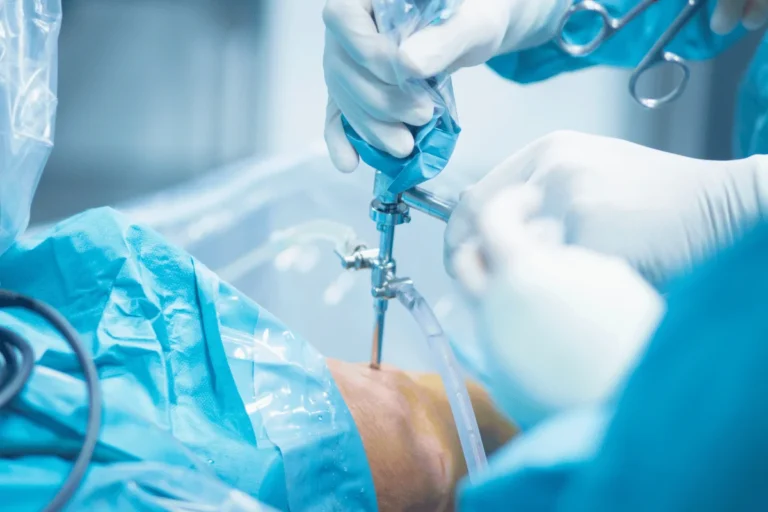
Children are naturally active. Running, playing, jumping, and joining sports are important parts of childhood development. However, injuries, persistent pain, changes in walking patterns, and concerns about bone or joint growth may require assessment from a specialist. Parents searching for pediatric orthopedic naga services can benefit from understanding when a child may need professional orthopedic care.
Lao Orthopedic Services provides orthopedic evaluation and treatment for children, teenagers, and active individuals with bone, joint, muscle, ligament, and sports-related concerns. Dr. Lawrence Lao is an Orthopedic Surgeon with training in orthopedic traumatology, Hip and Knee Advanced Reconstruction from Chang Gung University in Taipei, Taiwan, and Sports Surgery and Arthroscopy from Thammasat University, Thailand.
Choosing a pediatric orthopedic naga specialist allows families to address concerns early, understand available treatment options, and support healthy movement as children grow.
What Is Pediatric Orthopedics?
Pediatric orthopedics focuses on diagnosing and treating conditions affecting the bones, joints, muscles, ligaments, and tendons of children and adolescents. A child’s body is still developing, which means orthopedic concerns require careful evaluation based on age, growth stage, activity level, and overall health.
A pediatric orthopedic naga consultation may help children with:
- Bone fractures
- Sports injuries
- Joint pain
- Walking problems
- Growth-related conditions
- Spine concerns
- Ligament injuries
- Developmental differences
Children are not simply smaller versions of adults. Their bones contain growth plates, which are areas where new bone develops. Injuries involving these areas require proper assessment because they may affect future growth if not treated appropriately.
What Does a Pediatric Orthopedic Specialist Treat?
Parents often visit a pediatric orthopedic naga specialist when they notice symptoms that affect their child’s movement, comfort, or daily activities.
Common concerns treated by pediatric orthopedic specialists include:
Fractures and Broken Bones
Falls, sports accidents, playground injuries, and road-related incidents are common causes of fractures among children. Although children often heal faster than adults, some fractures need careful management to ensure proper alignment and recovery.
A pediatric orthopedic evaluation can determine whether treatment requires casting, monitoring, physical therapy, or surgical care.
Sports Injuries
Many children participate in basketball, football, running, gymnastics, and other physical activities. Sports participation supports healthy development, but injuries may happen.
Common pediatric sports injuries include:
- Knee ligament injuries
- ACL tears
- Meniscus injuries
- Shoulder injuries
- Ankle sprains
- Tendon problems
A pediatric orthopedic naga specialist with sports surgery experience can assess injuries and recommend appropriate treatment based on the child’s age, activity goals, and injury severity.
Dr. Lawrence Lao has specialized training in sports surgery and arthroscopy, allowing him to evaluate and treat many sports-related orthopedic concerns.
Scoliosis and Spine Concerns
Scoliosis is a condition where the spine develops an abnormal curve. Some cases are mild and require regular monitoring, while others may need more active treatment.
Parents may notice:
- Uneven shoulders
- One side of the waist appearing higher
- A visible curve when the child bends forward
- Changes in posture
Early assessment from a pediatric orthopedic naga specialist can help identify spine concerns and determine the right approach.
Flat Feet
Many young children naturally have flat feet during early development. As children grow, foot structure often changes. However, some children experience pain, difficulty walking, or activity limitations related to foot conditions.
An orthopedic evaluation can help determine whether observation, supportive care, or treatment is needed.
Bow Legs and Knock Knees
Changes in leg alignment are common during childhood growth. Some variations improve naturally, while others may require evaluation.
Parents should seek medical advice when they notice:
- Significant differences between legs
- Difficulty walking
- Pain during activities
- Worsening alignment over time
A pediatric orthopedic naga assessment can help determine whether the condition is part of normal growth or requires further care.
Warning Signs Parents Should Not Ignore
Some orthopedic symptoms may improve with rest, while others may signal a condition requiring medical attention.
Parents should consider scheduling a pediatric orthopedic naga consultation if their child experiences:
- Pain that continues for several days
- Repeated complaints of joint discomfort
- Swelling around a bone or joint
- Difficulty walking or running
- Limping without a clear injury
- Reduced movement of an arm, leg, or joint
- Frequent falls
- Pain during sports activities
- Visible changes in posture or alignment
- Uneven growth patterns
Children may not always explain pain clearly. Changes in behavior, avoiding activities, or refusing to use a specific limb can also be signs of an orthopedic concern.
When Should Your Child Visit an Orthopedic Surgeon?
Parents often wonder whether an injury needs immediate orthopedic attention or whether they should wait. A consultation with a pediatric orthopedic naga specialist may be helpful after injuries or when symptoms affect daily life.
After a Fall or Accident
A child should receive an orthopedic assessment after an injury if there is:
- Severe pain
- Swelling
- Bruising
- Difficulty putting weight on a leg
- Limited movement
- A visible deformity
Even if a child appears to recover quickly, some injuries may require proper evaluation.
After a Sports Injury
Sports injuries involving twisting, sudden stops, falls, or direct impact may affect ligaments, tendons, or joints.
Signs that require evaluation include:
- Knee instability
- A popping sensation during injury
- Shoulder weakness
- Persistent swelling
- Difficulty returning to sports
A pediatric orthopedic naga specialist can determine whether rehabilitation, observation, or surgical treatment may be appropriate.
When Growth Appears Uneven
Parents should seek evaluation if they notice:
- Uneven shoulders
- Differences in leg length
- Abnormal walking patterns
- Changes in posture
Early assessment may help identify concerns before they become more difficult to manage.
How Pediatric Orthopedic Conditions Are Diagnosed
A pediatric orthopedic naga consultation usually begins with a detailed discussion about symptoms, medical history, activity level, and previous injuries.
The evaluation may involve:
Medical History Review
The doctor will ask about:
- When symptoms started
- Activities that increase pain
- Previous injuries
- Family history of orthopedic conditions
- Changes in movement or development
Physical Examination
The orthopedic specialist examines:
- Joint movement
- Muscle strength
- Walking pattern
- Balance
- Alignment
- Areas of discomfort
Imaging Tests
Depending on the condition, the doctor may recommend:
- X-rays
- MRI scans
- Other imaging studies
These tests help provide a clearer view of bones, joints, ligaments, and soft tissues.
Personalized Treatment Planning
Each child has different needs. A treatment plan depends on age, diagnosis, severity, activity goals, and overall health.
Treatment Options for Children
Treatment from a pediatric orthopedic naga specialist may range from simple monitoring to advanced surgical procedures, depending on the condition.
Non-Surgical Treatment
Many orthopedic concerns can improve with non-surgical care, such as:
- Rest and activity adjustments
- Physical therapy
- Bracing
- Casting
- Exercises to improve strength and movement
- Follow-up monitoring
These approaches aim to support healing while allowing children to continue healthy development.
Surgical Treatment
Some injuries or conditions may require surgery when other treatments cannot provide the needed improvement.
Possible procedures may include:
- Fracture repair
- Ligament reconstruction
- Arthroscopic procedures
- Corrective orthopedic surgery
Dr. Lawrence Lao provides surgical care for appropriate cases using modern orthopedic techniques while focusing on patient safety and recovery.
Preventing Orthopedic Injuries Among Children
Parents can support their child’s bone and joint health through healthy habits.
Helpful steps include:
- Encouraging proper warm-up before sports
- Teaching safe movement techniques
- Providing appropriate protective equipment
- Supporting balanced nutrition
- Promoting regular physical activity
- Allowing enough recovery time after injuries
- Seeking medical advice for recurring pain
Prevention does not mean avoiding activity. Healthy movement helps children build strength, coordination, and confidence.
Why Choose Lao Orthopedic Services for Pediatric Orthopedic Care?
Families looking for pediatric orthopedic naga services can receive specialized orthopedic evaluation from Dr. Lawrence Lao and Lao Orthopedic Services.
Dr. Lao brings more than 16 years of medical experience and combines local orthopedic training with international subspecialty education. His areas of practice include:
- Hip and knee reconstruction
- Shoulder surgery
- Sports surgery
- Arthroscopy
- Orthopedic trauma
- Ligament reconstruction
- Joint-related conditions
Patients from Naga City, Camarines Sur, Legazpi, and nearby areas can seek professional orthopedic assessment for children and adolescents experiencing injuries, pain, or movement concerns.
The goal of Lao Orthopedic Services is to help patients maintain mobility, recover from injuries, and return to their daily activities with confidence.
Takeaway
Children deserve proper care when pain, injuries, or movement problems affect their growth and daily activities. Early evaluation can help identify orthopedic concerns, guide treatment decisions, and support better long-term outcomes.
For families searching for pediatric orthopedic naga services, Lao Orthopedic Services offers specialized orthopedic care focused on helping children move comfortably, recover safely, and stay active.
Frequently Asked Questions About Pediatric Orthopedic Naga
What does a pediatric orthopedic specialist do?
A pediatric orthopedic specialist diagnoses and treats bone, joint, muscle, ligament, and movement-related conditions among children and teenagers.
When should my child see a pediatric orthopedic naga specialist?
Parents should consider an appointment when a child has ongoing pain, repeated injuries, difficulty walking, sports-related injuries, changes in posture, or unusual movement patterns.
Are sports injuries common among children?
Yes. Children who participate in sports may experience injuries affecting the knees, shoulders, ankles, and other joints. Proper assessment helps determine the right treatment approach.
Do children always need surgery for orthopedic problems?
No. Many conditions improve with observation, therapy, bracing, casting, or activity adjustments. Surgery is considered only when appropriate.
How are pediatric orthopedic conditions diagnosed?
Diagnosis usually involves a medical history review, physical examination, and imaging tests when needed.
Where can families find pediatric orthopedic naga care?
Families seeking pediatric orthopedic services in Naga and nearby areas may consult Lao Orthopedic Services for evaluation and treatment of childhood orthopedic concerns.