
Wound care in the Philippines plays a vital role in helping people recover safely after cuts, scrapes, burns, surgical procedures, and traumatic injuries. A wound that appears small can become more serious without proper cleaning, assessment, and treatment. Prompt medical attention helps reduce the risk of infection, encourages healthy tissue repair, and may minimize scarring.
People experience wounds for many reasons, including household accidents, workplace incidents, sports injuries, road traffic accidents, and medical conditions that affect the body’s ability to heal. Every wound is different, making professional evaluation an important step toward determining the most appropriate treatment.
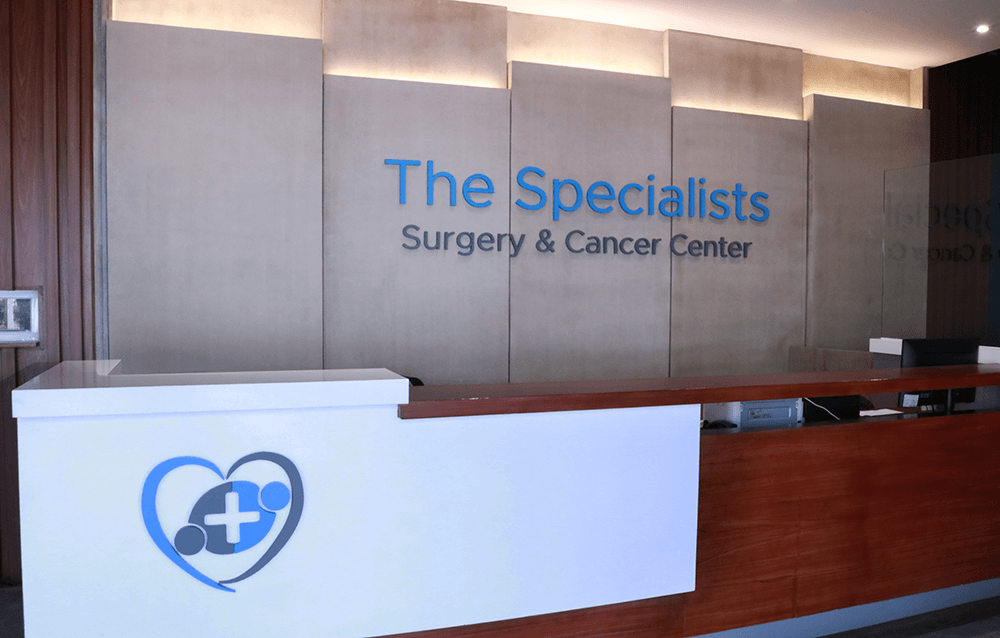
The Specialists Surgery & Cancer Center (TSSCC) provides outpatient surgical and wound management services delivered by experienced physicians. Patients from Quezon City, Metro Manila, and nearby provinces visit TSSCC for timely evaluation and treatment designed to support safe healing while avoiding unnecessary hospital admission whenever appropriate.
This guide explains the basics of wound care in the Philippines, the different types of wounds, available treatment options, warning signs that require medical attention, and practical steps that support recovery.
Understanding Wounds
A wound is damage to the skin or underlying tissues caused by physical injury, surgery, burns, or other medical conditions. Since the skin serves as the body’s first line of defense against bacteria and other harmful microorganisms, any break in the skin increases the possibility of infection.
Healing usually occurs through several natural stages. The body first controls bleeding, then removes damaged tissue, builds new tissue, and gradually strengthens the repaired area. Proper wound care in the Philippines supports each stage of healing while helping reduce complications that may delay recovery.
Medical professionals evaluate several factors when examining a wound, including its depth, location, cause, level of contamination, and the patient’s overall health. This information helps determine the most appropriate treatment plan.
Types of Wounds
Acute Wounds
Acute wounds develop suddenly and generally heal within an expected period when treated properly.
Common examples include:
- Cuts from knives or sharp objects
- Lacerations caused by accidents
- Abrasions or scrapes after falls
- Puncture wounds
- Minor burns
- Surgical incisions
- Traumatic injuries from road accidents
Many patients seeking wound care in the Philippines receive treatment for these injuries shortly after they occur, helping lower the risk of infection and delayed healing.
Chronic Wounds
Chronic wounds take longer to heal and often require ongoing medical management.
Examples include:
- Diabetic foot ulcers
- Pressure injuries (bedsores)
- Venous leg ulcers
- Arterial ulcers
- Long-standing non-healing wounds
Chronic wounds commonly affect people with diabetes, poor circulation, advanced age, or certain medical conditions that interfere with normal healing.
Common Causes of Wounds in the Philippines
Many situations can result in skin injuries that require professional wound care in the Philippines.
Household Accidents
Daily activities may lead to cuts, burns, or falls. Kitchen injuries, slips in bathrooms, broken glass, and sharp household tools are frequent causes of wounds requiring medical evaluation.
Workplace Injuries
Employees working in construction, manufacturing, warehouses, healthcare, agriculture, and food preparation may experience cuts, punctures, abrasions, or blunt trauma while performing their duties.
Road Traffic Accidents
Motorcycle accidents remain a significant source of traumatic injuries across the Philippines. Cyclists, drivers, passengers, and pedestrians may suffer abrasions, deep cuts, or complex wounds requiring immediate medical treatment.
Sports and Recreational Activities
Athletes and recreational participants may develop wounds from falls, collisions, or contact with sports equipment. Prompt treatment helps support a faster return to normal activities.
Medical Conditions
Certain health conditions increase the chance of delayed healing.
These include:
- Diabetes
- Poor circulation
- Peripheral arterial disease
- Venous insufficiency
- Autoimmune disorders
- Conditions affecting the immune system
People with these conditions often benefit from early wound assessment to reduce the possibility of complications.
Why Proper Wound Care Is Important
Professional wound care in the Philippines offers benefits that extend beyond simply covering an injury with a bandage.
Helps Prevent Infection
Open wounds create an entry point for bacteria. Proper cleaning, removal of debris, and appropriate dressings help lower the likelihood of infection developing.
Supports Healthy Healing
Professional assessment allows doctors to identify tissue damage that may not be immediately visible. Early treatment creates conditions that encourage normal healing.
May Reduce Scarring
Appropriate wound closure techniques, careful cleaning, and follow-up care may help improve the appearance of scars after healing.
Protects Deeper Structures
Some injuries extend beyond the skin into muscles, tendons, nerves, or blood vessels. Medical evaluation helps identify these injuries before they become more serious.
May Reduce the Need for Hospital Admission
Many wounds can be treated safely in an outpatient setting when evaluated promptly. Early care may prevent complications that could otherwise require hospitalization.
Signs a Wound Needs Medical Attention
Although some minor injuries heal well at home, certain wounds should always be evaluated by a healthcare professional.
Medical attention is recommended when a wound:
- Continues bleeding despite direct pressure
- Has deep or separated edges
- Shows exposed fat, muscle, or bone
- Contains dirt, gravel, or foreign material that cannot be removed safely
- Results from an animal or human bite
- Occurs after a road traffic accident
- Shows increasing redness, warmth, or swelling
- Produces pus or foul-smelling drainage
- Causes fever or chills
- Becomes increasingly painful
- Does not improve after several days
- Occurs in someone with diabetes or poor circulation
Seeking prompt wound care in the Philippines helps reduce the chance of infection and supports better healing outcomes.
What Happens During Professional Wound Care?
Many patients feel uncertain about what to expect during a clinic visit. Professional wound care follows a structured approach based on the type and severity of the injury.
Medical Assessment
The physician begins by reviewing the patient’s medical history and examining the wound.
Factors considered include:
- Cause of injury
- Time since the injury occurred
- Medical conditions
- Current medications
- Allergies
- Previous wound healing problems
- Risk of infection
Wound Cleaning
Cleaning is one of the most important parts of treatment.
This may include:
- Irrigation with sterile solution
- Removal of dirt or debris
- Cleaning contaminated tissue
- Controlling bleeding
Thorough wound cleaning helps create an environment that supports healing.
Wound Closure
Not every wound requires stitches.
Depending on the injury, treatment may include:
- Sutures
- Skin adhesive
- Adhesive strips
- Staples
- Natural healing with appropriate dressings
The choice depends on wound depth, location, contamination, and tension on the surrounding skin.
Modern Wound Dressings
Dressings serve several purposes:
- Protect the wound
- Maintain appropriate moisture levels
- Reduce contamination
- Support tissue repair
- Improve patient comfort
Doctors select dressings based on the specific characteristics of each wound.
Follow-Up Care
Some wounds require additional visits to monitor healing.
Follow-up appointments may include:
- Dressing changes
- Wound reassessment
- Suture removal
- Infection monitoring
- Scar management recommendations
Regular follow-up allows doctors to identify concerns early and adjust treatment if needed.
Specialized Wound Care Services
Different injuries require different treatment approaches. Professional wound care in the Philippines includes management of a wide range of wound types.
Traumatic Wounds
Traumatic wounds result from accidents, falls, sports injuries, and workplace incidents. Treatment focuses on thorough cleaning, tissue preservation, infection prevention, and appropriate wound closure.
Surgical Wounds
Patients recovering from surgical procedures require monitoring to ensure the incision heals properly without infection or delayed healing.
Diabetic Wounds
People with diabetes often experience slower healing because of reduced circulation and nerve damage. Early assessment and ongoing wound management help reduce complications.
Chronic Non-Healing Wounds
Long-standing wounds require careful evaluation to identify factors delaying recovery. Treatment plans may include specialized dressings, regular monitoring, and management of underlying medical conditions.
Minor Outpatient Surgical Procedures
Some wounds require minor surgical procedures to remove damaged tissue or improve healing. Outpatient care allows many patients to receive treatment without hospital admission.
Caring for Your Wound at Home
Professional treatment is only one part of successful wound healing. Following your doctor’s instructions at home is equally important.
Keep the Wound Clean
Wash your hands before touching the wound or changing dressings. Follow your doctor’s instructions regarding cleaning solutions and dressing changes.
Change Dressings as Directed
Dressings should be replaced according to medical advice. Changing them too early or too late may affect healing.
Watch for Signs of Infection
Monitor the wound every day.
Seek medical care if you notice:
- Increasing redness
- Swelling
- Warmth
- Pus
- Fever
- Worsening pain
- Unpleasant odor
Avoid Activities That May Reopen the Wound
Certain movements or strenuous activities may place stress on healing tissue. Follow your physician’s recommendations regarding work, exercise, and lifting.
Attend Scheduled Follow-Up Visits
Regular follow-up appointments allow your doctor to monitor healing and make adjustments when necessary.
How to Reduce Your Risk of Wounds
Although not every injury can be prevented, several practical steps may reduce the likelihood of developing wounds.
Practice Home Safety
- Keep walkways free of clutter.
- Store sharp tools safely.
- Install adequate lighting.
- Use non-slip mats in bathrooms.
Follow Workplace Safety Guidelines
Protective equipment and proper training help reduce workplace injuries.
Wear Appropriate Sports Equipment
Helmets, protective padding, and suitable footwear lower the chance of sports-related injuries.
Manage Medical Conditions
Good control of diabetes, blood pressure, and circulation supports healthier skin and improves healing.
Maintain Good Nutrition
Protein, vitamins, minerals, and adequate hydration support normal tissue repair.
Schedule Regular Medical Checkups
Routine medical care helps identify conditions that may increase the risk of poor wound healing.
Why Choose The Specialists Surgery & Cancer Center (TSSCC) for Wound Care in the Philippines?
Patients seeking wound care in the Philippines choose The Specialists Surgery & Cancer Center (TSSCC) because of its commitment to safe, patient-focused outpatient care.
Experienced physicians provide careful wound assessment and individualized treatment plans based on each patient’s needs. Whether treating traumatic injuries, surgical wounds, or chronic wounds, the goal is to support healing while reducing the risk of infection and unnecessary hospitalization.
The outpatient setting allows many patients to receive prompt care without the delays often associated with larger healthcare facilities. Modern wound management techniques, thorough evaluations, and personalized follow-up contribute to quality care from the initial consultation through recovery.
Conveniently located in Quezon City, TSSCC serves patients throughout Metro Manila and nearby provinces who are looking for dependable wound care in the Philippines delivered by experienced medical professionals.
Takeaway
Wound care in the Philippines remains an essential part of preventing infection, supporting healthy healing, and reducing the risk of long-term complications. Whether a wound results from a household accident, workplace injury, surgery, sports activity, or an underlying medical condition, timely medical evaluation helps determine the most appropriate course of treatment.
Professional assessment allows doctors to identify hidden tissue damage, recommend suitable wound closure methods, and provide follow-up care that supports recovery. People living with diabetes or other conditions that affect healing should seek medical attention promptly whenever a wound develops.
The Specialists Surgery & Cancer Center (TSSCC) offers comprehensive outpatient wound care for patients from Quezon City, Metro Manila, and surrounding areas. Through careful evaluation, evidence-based treatment, and patient-centered care, TSSCC helps patients recover safely and confidently while supporting the best possible healing outcomes.
Frequently Asked Questions
What is wound care?
Wound care refers to the medical assessment, cleaning, treatment, and ongoing management of injuries affecting the skin or underlying tissues. The goal is to support healing while reducing the risk of infection and other complications.
When should I seek professional wound care in the Philippines?
Medical evaluation is recommended for deep cuts, wounds with heavy bleeding, contaminated injuries, animal bites, burns, wounds showing signs of infection, and injuries that do not improve after several days.
Will every wound need stitches?
No. Some wounds heal well with dressings alone, while others may require sutures, skin adhesive, staples, or adhesive strips. The appropriate method depends on the wound’s size, depth, location, and cause.
How long does a wound take to heal?
Healing time varies depending on the type of wound, overall health, age, and any underlying medical conditions. Minor wounds may heal within days to weeks, while chronic wounds often require longer treatment.
Why do people with diabetes need special wound care?
Diabetes may reduce blood circulation and affect nerve function, making wounds slower to heal and increasing the chance of infection. Early evaluation and regular follow-up are especially important.
Can wound care be provided in an outpatient clinic?
Yes. Many injuries can be safely treated in an outpatient setting. After assessment, your doctor will determine whether clinic-based treatment is appropriate or if hospital care is necessary.
How can I reduce scarring after a wound?
Prompt medical treatment, proper wound cleaning, appropriate closure techniques, and following your doctor’s aftercare instructions may help reduce scar formation.