
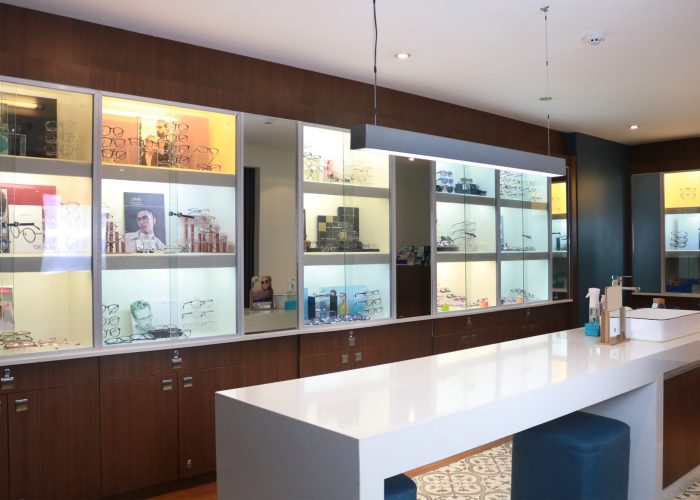
Understanding the Role of an Optical Shop
An optical shop serves as a central hub for vision care, offering products and services that directly impact how clearly and comfortably you see the world. Unlike general retail stores, an optical shop is built around professional expertise, combining medical knowledge with personalized service. Many people assume that all eyewear retailers are the same, but a dedicated optical shop provides a level of precision and customization that online platforms often cannot match. From helping you understand your prescription to ensuring your glasses fit perfectly, the role of an optical shop goes far beyond simply selling frames.
A well-equipped optical shop often collaborates with licensed optometrists or houses eye care professionals who can guide customers through every stage of their vision journey. This includes identifying subtle changes in eyesight that may otherwise go unnoticed. Optical shops also prioritize long-term eye health, ensuring that customers receive solutions tailored to their specific needs rather than one-size-fits-all options. In addition, these shops often stay updated with the latest advancements in lens technology and frame design, giving customers access to modern and effective solutions.
Choosing the right optical shop can influence your daily comfort, productivity, and even confidence. Glasses are not just medical devices—they are also fashion statements and lifestyle tools. A reliable optical shop ensures that you don’t have to compromise between function and style. With expert advice and hands-on service, customers can make informed decisions that support both vision health and personal expression.
Services You Can Expect from a Modern Optical Shop
A modern optical shop offers a wide range of services designed to meet diverse vision needs. One of the most essential services is comprehensive eye exams, which assess both visual clarity and overall eye health. These exams often include tests for nearsightedness, farsightedness, astigmatism, and other common conditions. Beyond basic testing, optical shops may also provide screenings for eye diseases, helping detect issues early.
Another key service is prescription eyewear fitting. This involves selecting the right lenses and frames based on your prescription, lifestyle, and preferences. Optical shops also specialize in contact lens fittings, ensuring that lenses are comfortable and suitable for your eyes. Many shops offer customization options, allowing customers to choose coatings, lens thickness, and additional features like blue light protection.
Repairs and adjustments are also part of the service package. Frames can become loose or misaligned over time, and an optical shop can fix these issues quickly. Some shops even offer same-day services for minor repairs. Personalized consultations are another valuable offering, helping customers choose styles that suit their face shape and personality. These services collectively create a comprehensive experience that goes beyond simple retail transactions.
Types of Eyewear Available at an Optical Shop
An optical shop typically carries a wide variety of eyewear to suit different needs and preferences. Prescription glasses are the most common offering, available in countless styles, materials, and price ranges. Customers can choose from minimalist designs to bold, statement-making frames. Sunglasses are another popular option, especially those with prescription lenses and UV protection for outdoor use.
Contact lenses are also widely available, including daily disposables, monthly lenses, and specialized options for conditions like astigmatism. Many optical shops provide trial lenses to ensure comfort before committing to a purchase. Computer glasses are increasingly in demand due to the rise of digital device usage, offering features that reduce eye strain.
Safety glasses are another important category, especially for individuals working in hazardous environments. These glasses are designed to protect the eyes while maintaining clear vision. Optical shops also offer sports eyewear, which is built for durability and performance. With such a wide selection, customers can find eyewear that fits every aspect of their lifestyle.
How to Choose the Best Optical Shop
Selecting the right optical shop requires careful consideration of several factors. Credentials and certifications are a good starting point, as they indicate the level of expertise available. A reputable optical shop employs trained professionals who understand both vision care and product quality. Experience also plays a crucial role, as seasoned staff can provide more accurate recommendations.
Product variety is another important aspect. A well-stocked optical shop offers a range of brands, styles, and price points, giving customers more options to choose from. Customer service should not be overlooked, as a supportive and knowledgeable team can make the entire process more enjoyable. After-sales support is equally important, ensuring that any issues with your eyewear are promptly addressed.
Pricing transparency is another key factor. A trustworthy optical shop clearly explains costs and avoids hidden fees. Reading customer reviews can provide valuable insights into the shop’s reputation. Personal recommendations from friends or family can also help narrow down your options. By considering these factors, you can find an optical shop that meets your needs and expectations.
The Eye Exam Experience Explained
Visiting an optical shop for an eye exam is a straightforward yet essential process. The exam typically begins with a discussion about your vision history and any symptoms you may be experiencing. This helps the optometrist understand your needs and tailor the examination accordingly. Visual acuity tests are then conducted to measure how well you can see at various distances.
Refraction tests are used to determine your exact prescription. This involves looking through a series of lenses to identify which ones provide the clearest vision. Eye health screenings are also performed to check for conditions such as glaucoma or macular degeneration. These tests are quick and painless but provide valuable information about your overall eye health.
Understanding your prescription is an important part of the process. The optometrist will explain the numbers and what they mean for your vision. Regular eye exams are recommended to monitor changes and update your prescription as needed. An optical shop ensures that this process is both efficient and informative, helping you maintain optimal vision.
Lens Technology and Innovations in Optical Shops
Advancements in lens technology have transformed the offerings of the modern optical shop. Anti-reflective coatings are a popular feature, reducing glare and improving visual clarity. These coatings are especially useful for night driving and working under bright lights. Blue light filtering lenses have also gained popularity, particularly among individuals who spend long hours on digital devices.
Photochromic lenses are another innovative option, automatically adjusting to changing light conditions. These lenses darken in sunlight and become clear indoors, providing convenience and protection. High-index lenses are designed to be thinner and lighter, making them ideal for strong prescriptions. Polarized lenses are commonly used in sunglasses to reduce glare from reflective surfaces.
Contact lens technology has also evolved, offering improved comfort and better oxygen flow to the eyes. Some lenses are designed for extended wear, while others cater to specific conditions. Optical shops stay updated with these innovations, ensuring that customers have access to the latest solutions. This focus on technology enhances both comfort and performance.
Choosing Frames That Suit Your Style and Face Shape
Selecting the right frames is both an art and a science. Face shape plays a significant role in determining which styles will look best. For example, round faces often benefit from angular frames, while square faces may suit softer, rounded designs. An optical shop can guide you through these choices, ensuring that your frames complement your features.
Color selection is another important factor. Frames should harmonize with your skin tone, hair color, and personal style. Some people prefer neutral tones, while others opt for bold colors to make a statement. Material choice also matters, as it affects both comfort and durability. Lightweight materials like titanium are ideal for all-day wear, while acetate offers a more classic look.
Balancing fashion and functionality is key. While style is important, comfort should never be compromised. Frames should fit securely without causing pressure points. Optical shops often provide adjustments to ensure a perfect fit. With expert guidance, you can find frames that enhance both your appearance and your vision.
Optical Shop vs. Online Eyewear Stores
The rise of online eyewear stores has changed how people shop for glasses, but optical shops continue to offer unique advantages. One of the main benefits of visiting an optical shop is the ability to try on frames in person. This ensures a better fit and allows you to see how different styles look on your face.
Online stores may offer convenience and lower prices, but they often lack personalized service. Incorrect prescriptions or poorly fitted glasses can lead to discomfort and reduced vision quality. Optical shops provide professional consultations, ensuring that your eyewear meets your specific needs.
Another advantage is immediate support. If your glasses need adjustments or repairs, an optical shop can handle these issues quickly. Online purchases often require shipping items back and forth, which can be time-consuming. Combining online research with in-store visits can be a practical approach, but the expertise of an optical shop remains invaluable.
Pricing Factors in an Optical Shop
The cost of eyewear can vary widely depending on several factors. Frame materials, lens type, and additional features all contribute to the final price. Designer frames tend to be more expensive, while budget-friendly options are also available. Lens customization, such as coatings and thickness, can significantly impact costs.
Many optical shops offer package deals that include frames and lenses at a discounted rate. Insurance coverage can also help reduce expenses, depending on your plan. It is important to understand what is included in the price and whether there are any additional fees.
Value should always be considered alongside cost. Investing in high-quality eyewear can provide better comfort and durability. Optical shops often offer warranties, giving customers peace of mind. By understanding pricing factors, you can make informed decisions that fit your budget.
Tips for Maintaining Your Eyewear
Proper care is essential for keeping your eyewear in good condition. Cleaning your lenses regularly with a microfiber cloth helps maintain clarity and prevent scratches. Avoid using harsh chemicals, as they can damage lens coatings. Storing your glasses in a protective case when not in use can prevent accidental damage.
Handling your glasses with both hands reduces the risk of bending the frames. Regular adjustments at an optical shop can ensure that your glasses remain comfortable. For contact lens users, proper hygiene is crucial to prevent infections.
Replacing worn-out parts, such as nose pads, can extend the lifespan of your glasses. Optical shops often provide maintenance services to keep your eyewear in top shape. With proper care, your glasses can last longer and perform better.
Signs You Need to Visit an Optical Shop
Changes in vision are often the first sign that it’s time to visit an optical shop. Blurry vision, frequent headaches, and eye strain are common indicators. Difficulty seeing at night or adjusting to different lighting conditions can also signal a problem.
If your current glasses feel uncomfortable or no longer provide clear vision, it may be time for an update. Digital eye strain has become increasingly common, especially among those who spend long hours on screens. Regular check-ups can help address these issues before they worsen.
Ignoring these signs can lead to further complications. An optical shop can assess your condition and provide appropriate solutions. Early intervention is key to maintaining good eye health.
The Importance of Regular Eye Check-Ups
Routine eye check-ups play a vital role in maintaining overall health. Many eye conditions develop gradually and may not show symptoms in the early stages. Regular visits to an optical shop can help detect these issues before they become serious.
Eye exams also track changes in vision over time, ensuring that your prescription remains accurate. Lifestyle factors, such as screen usage and diet, can impact eye health. An optical shop can provide guidance on managing these factors.
For individuals with existing conditions, regular monitoring is essential. Early detection and treatment can prevent long-term damage. By prioritizing eye check-ups, you can protect your vision and overall well-being.
How Optical Shops Support Different Age Groups
Optical shops cater to individuals of all ages, each with unique vision needs. Children require specialized care to support their developing eyesight. Early detection of issues can improve learning and development. Optical shops often provide child-friendly frames that are both durable and comfortable.
Working professionals may experience digital eye strain due to prolonged screen time. Optical shops offer solutions such as blue light filtering lenses to address this issue. Seniors often require multifocal lenses and regular monitoring for age-related conditions.
Each age group benefits from tailored services and products. Optical shops adapt their offerings to meet these diverse needs. This ensures that everyone receives appropriate care and support.
What Sets a Great Optical Shop Apart
A great optical shop stands out through its commitment to customer satisfaction. Personalized service is a key differentiator, as it ensures that each customer’s needs are fully addressed. A wide selection of products allows customers to find options that suit their preferences and budget.
Transparency in pricing builds trust and helps customers make informed decisions. Knowledgeable staff can provide valuable insights and recommendations. A strong reputation is often built on consistent quality and positive customer experiences.
Ongoing education is another important aspect. Optical shops that keep customers informed about eye health and new technologies demonstrate their commitment to long-term care. These qualities collectively define a top-tier optical shop.
FAQ
1. How often should I visit an optical shop for an eye exam?
Most people should have an eye exam every one to two years, depending on age and vision needs.
2. Can I use my existing prescription at any optical shop?
Yes, as long as your prescription is still valid, most optical shops can use it to create your eyewear.
3. What is the difference between single vision and progressive lenses?
Single vision lenses correct one field of vision, while progressive lenses provide multiple focal points without visible lines.
4. Are expensive glasses always better in quality?
Not always, but higher-priced options often include better materials and advanced lens features.
5. How do I know if my glasses need to be replaced?
If your vision feels unclear or your frames are damaged, it may be time for a replacement.
6. Can an optical shop help with digital eye strain?
Yes, many shops offer lenses designed to reduce blue light exposure and eye fatigue.
7. Is it safe to buy glasses online instead of visiting an optical shop?
While online options can be convenient, visiting an optical shop ensures proper fitting and accurate prescriptions.
8. What should I bring to my eye exam appointment?
Bring your current glasses, prescription, and any relevant medical information.
Takeaway
Choosing the right optical shop can make a significant difference in your vision, comfort, and daily life. From professional eye exams to personalized eyewear solutions, a trusted optical shop provides the expertise and support needed for long-term eye health. By understanding the services, products, and factors that define a high-quality optical shop, you can make informed decisions that enhance both your vision and your overall well-being.