
Platelet-rich plasma (PRP) injection has become one of the most talked-about treatments for people seeking faster healing without undergoing surgery. Whether dealing with sports injuries, joint pain, or chronic conditions, many patients are turning to this regenerative approach to help their bodies recover more efficiently. Platelet-rich plasma (PRP) injection uses the body’s own healing components to accelerate tissue repair, making it a safe and innovative option for modern orthopedic care. For those looking for trusted expertise, Tec Orthopedics stands out as a leading provider of this advanced treatment.
What is Platelet-Rich Plasma (PRP)?
Platelet-rich plasma (PRP) injection is a medical treatment that uses a concentrated form of platelets derived from a patient’s own blood. Platelets are a vital component of blood responsible for clotting and healing. They contain growth factors that play a crucial role in repairing damaged tissues.
During a platelet-rich plasma (PRP) injection, a small sample of blood is taken and processed to separate and concentrate the platelets. This concentrated plasma is then injected directly into the injured or affected area. Compared to normal blood, PRP contains a significantly higher concentration of healing factors, making it more effective in stimulating recovery.
How Platelet-Rich Plasma (PRP) Injection Works
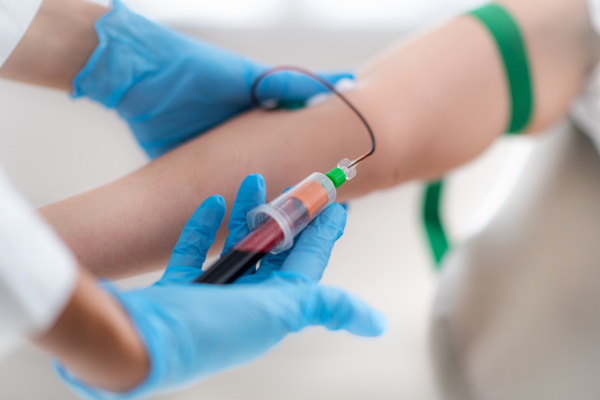
Platelet-rich plasma (PRP) injection follows a straightforward yet highly effective process. First, a healthcare professional draws a small amount of the patient’s blood. This sample is placed in a centrifuge, a machine that spins rapidly to separate the blood components. The platelets are then concentrated into a plasma solution.
Once prepared, the platelet-rich plasma (PRP) injection is administered directly into the injured tissue, such as a tendon, ligament, or joint. The growth factors released by the platelets help stimulate cell regeneration, improve blood flow, and enhance the body’s natural healing response. This process allows damaged tissues to repair themselves more quickly and efficiently.
Conditions Treated with Platelet-Rich Plasma (PRP) Injection
Platelet-rich plasma (PRP) injection is widely used to treat a variety of orthopedic and musculoskeletal conditions. It is especially popular among athletes and active individuals.
Common conditions treated include ligament injuries such as ACL tears, tendon issues like tennis elbow and Achilles tendonitis, and joint conditions such as osteoarthritis. Platelet-rich plasma (PRP) injection is also effective for muscle injuries and can support recovery after surgery. Patients experiencing chronic pain in the knees, hips, or shoulders often benefit from this regenerative therapy.
Benefits of Platelet-Rich Plasma (PRP) Injection
Platelet-rich plasma (PRP) injection offers several advantages compared to traditional treatments. One of its biggest benefits is faster healing, as it enhances the body’s natural repair process. Patients often experience reduced inflammation and pain after treatment.
Another major benefit is that platelet-rich plasma (PRP) injection is minimally invasive. It does not require large incisions or extended hospital stays, making it an attractive alternative to surgery. Because the treatment uses the patient’s own blood, the risk of allergic reactions or complications is very low. Many patients also report improved mobility and overall function after undergoing platelet-rich plasma (PRP) injection.
What to Expect During a Platelet-Rich Plasma (PRP) Injection Procedure
Patients considering platelet-rich plasma (PRP) injection can expect a relatively quick and straightforward procedure. It typically begins with a consultation to evaluate the condition and determine if PRP therapy is appropriate.
During the session, a small amount of blood is drawn and processed. The prepared PRP is then injected into the targeted area using precise techniques. The entire process usually takes less than an hour. Most patients experience only mild discomfort during the injection, and anesthesia is rarely needed.
Recovery and Results After Platelet-Rich Plasma (PRP) Injection
Recovery after platelet-rich plasma (PRP) injection is generally smooth. Patients may experience mild swelling or soreness at the injection site, but these effects usually subside within a few days.
Improvement is not always immediate, as platelet-rich plasma (PRP) injection works by stimulating natural healing. Many patients begin to notice positive changes within a few weeks, with continued improvement over several months. Following post-procedure instructions and participating in physical therapy can significantly enhance the results.
Is Platelet-Rich Plasma (PRP) Injection Safe?
Platelet-rich plasma (PRP) injection is considered a safe and low-risk procedure. Since it uses the patient’s own blood, there is minimal risk of infection or adverse reactions. This makes it a preferred option for individuals seeking a natural and less invasive treatment.
However, platelet-rich plasma (PRP) injection may not be suitable for everyone. Patients with certain medical conditions or severe injuries should consult a qualified orthopedic specialist to determine the best course of action.
Platelet-Rich Plasma (PRP) Injection vs Other Treatments
Compared to steroid injections, platelet-rich plasma (PRP) injection focuses on healing rather than simply reducing inflammation. While steroids may provide quick relief, their effects are often temporary. PRP, on the other hand, promotes long-term tissue repair.
When compared to surgery, platelet-rich plasma (PRP) injection offers a less invasive alternative with shorter recovery time. It can also complement physical therapy by enhancing the body’s ability to heal naturally. Many patients choose platelet-rich plasma (PRP) injection as a first-line treatment before considering more aggressive options.
Who is an Ideal Candidate for Platelet-Rich Plasma (PRP) Injection?
Platelet-rich plasma (PRP) injection is ideal for individuals with mild to moderate injuries who want to avoid surgery. Athletes, active individuals, and patients with chronic joint pain are among those who benefit most.
People who have not responded well to traditional treatments such as medication or physical therapy may also find platelet-rich plasma (PRP) injection to be an effective solution. Consulting with experts like Tec Orthopedics ensures proper evaluation and personalized treatment planning.
Takeaway
Platelet-rich plasma (PRP) injection offers a powerful and natural way to accelerate healing and restore function. By harnessing the body’s own regenerative capabilities, this treatment provides long-term benefits for a wide range of orthopedic conditions. Patients seeking reliable and expert care can confidently turn to Tec Orthopedics, known for delivering high-quality platelet-rich plasma (PRP) injection services tailored to individual needs.
Frequently Asked Questions (FAQ)
How long does platelet-rich plasma (PRP) injection take to work?
Results vary, but many patients begin to see improvement within a few weeks, with full benefits developing over several months.
Is platelet-rich plasma (PRP) injection painful?
Most patients report only mild discomfort during the procedure. Any soreness afterward is usually temporary.
How many platelet-rich plasma (PRP) injection sessions are needed?
The number of sessions depends on the severity of the condition. Some patients need only one treatment, while others may require multiple sessions.
Is platelet-rich plasma (PRP) injection covered by insurance?
Coverage varies depending on the provider and location. It is best to check directly with your insurance company.
Can platelet-rich plasma (PRP) injection completely heal injuries?
While platelet-rich plasma (PRP) injection significantly improves healing, results depend on the condition and the patient’s overall health.
Are there side effects of platelet-rich plasma (PRP) injection?
Side effects are minimal and may include temporary swelling or discomfort at the injection site.