
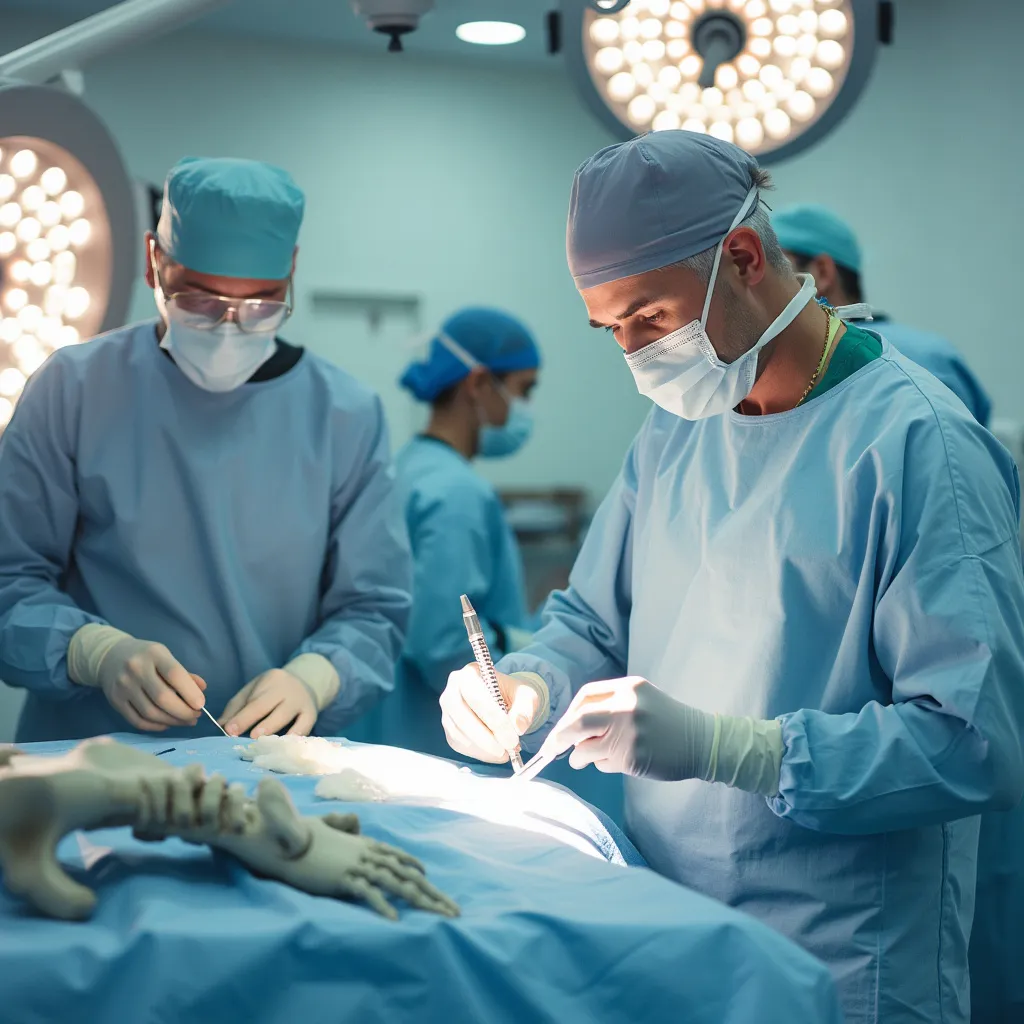
Facing surgery involving a testicle can bring fear, uncertainty, and many private questions. Patients searching for Orchiectomy in Manila deserve clear medical guidance, respectful communication, and care focused on safety from consultation through recovery.
The Specialists Surgery & Cancer Center, also known as TSSCC, provides surgical assessment and outpatient care from its Quezon City clinics. Its medical team supports patients from Metro Manila, nearby provinces, and other Philippine regions who need evaluation for testicular cancer, severe trauma, persistent infection, chronic pain, testicular atrophy, hormonal management, or another doctor-confirmed concern.
Orchiectomy refers to surgery that removes one or both testicles. Doctors may recommend the procedure to remove diseased or badly damaged tissue, help confirm or treat testicular cancer, reduce symptoms, or support a specialist-directed care plan. The National Cancer Institute defines orchidectomy, another term for orchiectomy, as surgery to remove one or both testicles.
Choosing Orchiectomy in Manila should begin with a proper consultation. Each patient needs an individual assessment because the surgical approach, anaesthesia plan, possible hospital stay, recovery period, fertility concerns, and hormonal effects may differ.
What Is Orchiectomy?
Orchiectomy is a surgical procedure for removal of one testicle or both testicles. A unilateral orchiectomy removes one testicle, while a bilateral orchiectomy removes both. The reason for surgery determines which method a surgeon may recommend.
For a suspicious testicular mass, a radical inguinal orchiectomy may be required. This approach removes the affected testicle through a cut near the groin. The National Cancer Institute identifies radical inguinal orchiectomy as the preferred procedure for diagnosis and treatment of a malignant testicular mass. Blood tests for recognised tumour markers may also form part of pre-surgery evaluation.
Other medical concerns may call for a different surgical method. Severe infection, major trauma, tissue damage, chronic pain, hormone-related treatment, or gender-affirming care may each require a separate plan. A surgeon must review the condition, test results, overall health, and treatment goals before recommending surgery.
Patients considering Orchiectomy in Manila should ask why the procedure has been advised, whether one or both testicles require removal, and what physical changes may follow.
Who May Need Orchiectomy in Manila?
A doctor may recommend Orchiectomy in Manila for several medical reasons. Surgery should only follow careful assessment, clear discussion, and informed consent.
Testicular cancer remains one of the better-known reasons. Surgery may remove the affected testicle and provide tissue for laboratory examination. For many testicular cancer cases, removal of the affected testicle serves as a primary treatment step. Some patients may need no additional treatment, while others may require surveillance, chemotherapy, radiation therapy, or further surgery based on cancer type and stage.
Severe injury may also require orchiectomy when the testicle has sustained damage that cannot be safely repaired. Trauma may occur through an accident, sports injury, workplace incident, or direct impact. Sudden severe pain, major swelling, bruising, nausea, or visible injury requires prompt medical assessment. Severe damage that cannot be repaired may require removal of the affected testicle.
Persistent infection or abscess may lead to surgery when medication and drainage fail or when tissue has become badly damaged. Early evaluation matters because untreated infection may worsen pain, swelling, fever, and tissue injury.
Chronic testicular pain or testicular atrophy may prompt surgical review after conservative treatments fail. The surgeon will assess possible causes and discuss whether orchiectomy offers a reasonable option.
Certain hormonal care plans may also require removal of both testicles. Bilateral orchiectomy causes a major testosterone reduction and may form part of treatment for selected hormone-sensitive conditions. The National Cancer Institute reports that removal of both testicles can reduce blood testosterone levels by about 90% to 95%.
Orchiectomy may also form part of gender-affirming surgical care. Proper counselling should address hormone therapy, fertility preservation, physical changes, emotional readiness, future surgical goals, and recovery needs. UCSF Health lists orchiectomy among genital gender-affirming procedures and describes pre-surgery assessment as part of care planning.
Warning Signs That Need Medical Assessment
Some testicular concerns develop gradually, while others appear suddenly. Seek medical assessment for a lump, unusual hardness, swelling, persistent discomfort, recurring infection, testicular shrinkage, or a noticeable change affecting one side of the scrotum. NCI lists a painless lump, swelling, altered testicular feel, fluid build-up, or discomfort among possible testicular cancer symptoms.
Urgent care may be necessary for sudden severe pain, major trauma, rapidly worsening swelling, fever with scrotal pain, heavy bleeding, or symptoms that make walking difficult. Sudden severe testicular pain can signal torsion, a medical emergency requiring rapid treatment. These signs do not automatically mean orchiectomy will be required. They do mean a qualified doctor should assess the condition without unnecessary delay.
Patients exploring Orchiectomy in Manila should bring previous laboratory results, ultrasound reports, medical records, medication lists, and referral notes to their consultation whenever available.
What Happens During an Orchiectomy Consultation?
A consultation gives the patient and surgeon time to review symptoms, medical history, diagnosis, treatment goals, and concerns. The surgeon may ask when symptoms began, whether pain has changed, whether an injury occurred, and whether the patient has received medication or earlier treatment.
A physical examination may be followed by blood tests, ultrasound, imaging, or other studies based on the suspected condition. Patients with a possible testicular tumour may need tumour marker tests before surgery. No single test plan applies to every patient.
The surgeon should explain whether a unilateral or bilateral procedure has been proposed, what type of anaesthesia may be used, where the surgical cut will be placed, and whether tissue will be sent for pathology. The patient may also ask about same-day discharge, pain control, wound care, return to work, physical activity, sexual health, fertility, testosterone, and testicular prosthesis options.
TSSCC supports clear, doctor-guided planning for Orchiectomy in Manila. Its consultation process gives patients space to ask sensitive questions before making a decision.
Preparing for Orchiectomy Surgery
Preparation helps reduce avoidable risk and gives the care team accurate details before surgery. Follow every fasting instruction from the surgeon or anaesthesia provider. Patients should disclose prescription medicines, over-the-counter products, vitamins, supplements, allergies, prior anaesthesia reactions, bleeding concerns, and other medical conditions.
Never stop prescribed medicine without medical approval. Certain drugs may need adjustment before surgery, but that choice belongs to the treating doctor.
Arrange transport home because driving after anaesthesia may be unsafe. Prepare loose clothing and supportive underwear if recommended. Set up a comfortable rest area at home, place essential items close by, and organise help for meals, errands, childcare, or household duties during the first part of recovery. Same-day discharge commonly requires another adult to drive the patient home.
Before Orchiectomy in Manila, patients may also wish to discuss fertility preservation. Sperm banking may be considered before removal of both testicles or before cancer treatment that could affect sperm production. Such decisions should occur early enough for proper referral and planning.
What Happens During Orchiectomy Surgery?
The surgical team confirms the patient’s identity, planned procedure, affected side, allergies, and consent before surgery. Anaesthesia is provided according to the agreed plan.
For suspected testicular cancer, the surgeon commonly reaches the testicle through the groin. This method helps avoid a scrotal approach that may affect cancer spread patterns. The affected testicle and spermatic cord may be removed, then sent for pathology testing.
Procedures for trauma, infection, pain, hormonal care, or gender-affirming care may follow another method. Surgical details depend on the diagnosis and planned result.
After removal, the surgeon closes the wound and applies a dressing. The patient then moves to a recovery area for observation. Staff members monitor comfort, blood pressure, breathing, alertness, urination, and wound condition before discharge.
Many patients can leave the surgical facility on the same day, although some may need longer observation or hospital care because of medical needs. Guy’s and St Thomas’ NHS Foundation Trust notes that most patients having testicle removal surgery leave hospital the same day and do not require an overnight stay.
Recovery After Orchiectomy in Manila
Recovery after Orchiectomy in Manila varies according to surgical method, diagnosis, age, general health, work demands, and whether other treatment follows.
Bruising, swelling, soreness, and tiredness may occur after surgery. The medical team may prescribe pain medicine and recommend supportive underwear. Rest matters during the early recovery period, but short, gentle walks may be encouraged to support circulation unless the surgeon gives different advice.
Keep the wound clean and dry according to discharge instructions. Do not remove dressings earlier than advised. Avoid soaking, swimming, heavy lifting, strenuous exercise, and sexual activity until the surgeon approves them.
Some patients feel ready for desk work sooner than people whose jobs require lifting, climbing, driving, or prolonged standing. Recovery should never be rushed simply to meet a fixed calendar date.
Guy’s and St Thomas’ advises that full recovery may take roughly one to four weeks, though each patient’s situation differs. The same guidance recommends rest during the first week and avoidance of heavy lifting or vigorous exercise during early healing.
Follow-up visits may cover wound healing, pathology results, cancer staging, additional treatment, hormone testing, fertility concerns, or emotional support. Keep every appointment even when the wound appears well healed.
Possible Risks and Side Effects
Every operation carries possible risks. Orchiectomy risks may include bleeding, infection, swelling, bruising, pain, scarring, fluid collection, wound problems, or a reaction to anaesthesia. The exact risk level depends on the patient’s health and surgical plan. Cleveland Clinic lists bleeding, infection, swelling, and pain among recognised orchiectomy risks or side effects.
Removal of one testicle may not cause major hormonal change when the remaining testicle is healthy. Still, hormone levels, fertility, and sexual function can differ from person to person.
Removal of both testicles causes a major testosterone reduction. Possible effects may include hot flushes, lower sexual desire, erectile difficulty, reduced muscle mass, lower bone density, fatigue, mood changes, or body composition changes. Patients should discuss hormone management and long-term monitoring with their doctor.
Emotional reactions also deserve attention. A patient may experience grief, anxiety, body-image concerns, fear about cancer, or worry about intimate relationships. Honest discussion with the surgeon, a counsellor, a partner, or a trusted support person may help.
Fertility, Hormones, and Sexual Health
Questions about fertility and sexual health are common before Orchiectomy in Manila. Patients should feel free to raise these concerns without embarrassment.
After unilateral orchiectomy, the remaining healthy testicle may continue producing sperm and testosterone. Fertility can still be affected by the original disease, prior treatment, age, sperm quality, or future chemotherapy or radiation therapy.
After bilateral orchiectomy, natural sperm production stops and testosterone production falls sharply. Fertility preservation should be discussed before surgery whenever future biological parenthood matters to the patient.
Sexual function depends on many factors. These may include hormone levels, physical healing, emotional health, pain, medication, relationship concerns, and other treatments. A doctor may recommend blood tests, counselling, hormone therapy, or another form of support based on the patient’s needs.
A testicular prosthesis may be available for patients concerned about scrotal appearance. Placement can sometimes occur during the same operation or at a later date. Ask the surgeon about benefits, risks, expected appearance, and added cost.
Why Choose TSSCC for Orchiectomy in Manila?
TSSCC offers focused surgical care for patients seeking Orchiectomy in Manila. Its Quezon City clinics provide an accessible option for residents across Metro Manila and people travelling from nearby provinces.
The centre’s service model gives priority to affordability, patient comfort, surgical safety, privacy, and clear support before and after surgery. Patients receive doctor-led assessment so the care plan reflects their diagnosis rather than a general package.
Outpatient care may help suitable patients avoid unnecessary hospital admission. A focused surgical setting can also support shorter waiting periods, organised discharge instructions, and direct follow-up planning.
TSSCC’s clinic locations along East Avenue and at Fairview give patients practical access from several parts of Quezon City and Metro Manila. People travelling from outside the capital region should ask about consultation schedules, required tests, expected discharge time, nearby accommodation, and follow-up arrangements before travel.
Cost also matters to Filipino families. Charges for Orchiectomy in Manila may vary based on surgeon fees, anaesthesia, laboratory studies, pathology, medicines, facility use, prosthesis choice, and added treatment needs. A consultation allows TSSCC to prepare a clearer estimate based on the actual case.
Signs That Require Prompt Care After Surgery
Contact the surgical team promptly for worsening pain, heavy bleeding, fever, chills, pus, foul-smelling discharge, increasing redness, rapidly growing swelling, wound separation, trouble urinating, repeated vomiting, chest pain, breathing difficulty, or any symptom identified as urgent by the doctor. Fever, severe pain, urinary difficulty, redness, blood, or pus near the surgical cut warrant prompt contact with a healthcare provider.
Do not wait for a scheduled follow-up when symptoms appear serious. Emergency care may be required for severe bleeding, breathing trouble, chest pain, fainting, or sudden decline.
Keep discharge instructions accessible at home. Save the clinic’s contact details and make sure a family member or trusted person knows where they are.
Choosing a Surgeon and Surgical Facility
A decision about Orchiectomy in Manila should consider more than location or price. Ask about the surgeon’s training, experience with the proposed procedure, anaesthesia support, facility safety practices, pathology arrangements, emergency protocols, discharge process, and follow-up care.
Clear communication matters just as much. The surgeon should explain the medical reason for surgery, available alternatives, likely benefits, possible risks, and expected recovery. Patients should have enough opportunity to ask questions before signing consent.
TSSCC presents a practical option for patients who prefer a Quezon City surgical facility with outpatient services and doctor-guided support. Final eligibility for outpatient surgery depends on medical assessment.
Frequently Asked Questions About Orchiectomy in Manila
Is orchiectomy a major operation?
Orchiectomy is a formal surgical procedure requiring anaesthesia, wound care, and follow-up. Complexity depends on the diagnosis, chosen method, general health, and whether added procedures are needed.
Can Orchiectomy in Manila be completed as outpatient surgery?
Many orchiectomy procedures allow same-day discharge. However, the surgeon and anaesthesia team must confirm that the patient is stable, comfortable, and medically ready to leave.
How long does recovery take?
Recovery often takes several weeks. Some people resume light desk work earlier, while others need more time because of physical job duties, cancer treatment, wound healing, or other medical factors.
Will removal of one testicle affect testosterone?
A healthy remaining testicle may continue producing adequate testosterone. Blood testing may be recommended when symptoms suggest low hormone levels.
Can orchiectomy affect fertility?
Yes. The effect depends on whether one or both testicles are removed, sperm quality before surgery, the underlying condition, and any added cancer treatment. Fertility preservation should be discussed before surgery when relevant.
Does orchiectomy always mean cancer?
No. Orchiectomy may be recommended for testicular cancer, severe injury, persistent infection, chronic pain, testicular atrophy, hormonal treatment, or gender-affirming care.
Can a patient request a testicular prosthesis?
Patients may ask about a testicular prosthesis before surgery. The surgeon can discuss timing, expected appearance, risks, and cost.
How much does Orchiectomy in Manila cost?
Total cost depends on consultation findings, surgeon fees, anaesthesia, tests, pathology, medicines, facility charges, prosthesis choice, and other care needs. TSSCC can provide a case-based estimate after assessment.
Where does TSSCC provide consultation?
TSSCC serves patients through clinic locations along East Avenue and at Fairview, Quezon City. Contact the centre directly to confirm schedules, doctor availability, and preparation requirements.