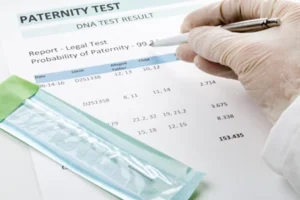

Questions about biological paternity can be deeply personal. For some families, uncertainty about a biological relationship can create emotional stress, unanswered questions, and difficulty making informed decisions. A Non-Legal Peace of Mind Paternity DNA Test Philippines can provide private biological information without immediately entering a formal legal process. This type of testing is generally intended for personal knowledge rather than use as evidence in court. Understanding how the test works, what the results mean, and how it differs from legal DNA testing can help individuals choose an appropriate testing option. With modern DNA analysis, biological relationships can be evaluated by comparing specific genetic markers between individuals. The Philippine Supreme Court has recognized DNA testing as a scientifically valid method for determining paternity and filiation in appropriate legal circumstances.
What Is a Non-Legal Peace of Mind Paternity DNA Test?
A Non-Legal Peace of Mind Paternity DNA Test Philippines is designed primarily for people who want private information about whether a particular man is the biological father of a child. Unlike a legal paternity test, it is generally not collected under the formal identification and chain-of-custody procedures required for evidence intended for court proceedings. The main purpose is to provide personal clarity rather than establish or change a person’s legal status. Testing commonly involves collecting DNA samples from the child and alleged father and comparing their genetic profiles. Buccal, or cheek-cell, samples are commonly used because they can be collected without a blood draw and can provide sufficient DNA for laboratory analysis. A properly performed test can provide highly informative results regarding biological paternity. However, individuals should always ask the testing provider exactly what type of test is being offered and what the resulting report can legally be used for.
The distinction between biological information and legal recognition is particularly important. A DNA test can address whether genetic evidence supports a biological father-child relationship, but a private report does not automatically change a birth certificate, establish custody rights, create support obligations, or alter other legal matters. Philippine courts have recognized DNA evidence as an important scientific tool in questions involving paternity and filiation. Therefore, people seeking only personal knowledge may find a peace-of-mind test suitable, while people preparing for litigation may need a different testing procedure. Knowing the intended purpose before collecting samples can prevent confusion later.
Why Choose a Peace-of-Mind Paternity DNA Test in the Philippines?
There are many personal reasons someone may consider a peace-of-mind paternity test. An alleged father may want to resolve uncertainty about whether he is biologically related to a child. A mother may want to provide biological information to the people directly involved in the situation. An adult child may also want to learn more about biological parentage for personal or family reasons. These questions can arise even when there is no immediate court dispute or official proceeding. A private test can offer an opportunity to obtain information before deciding whether additional steps are necessary. For many people, the appeal lies in having a straightforward way to investigate a biological question while maintaining a greater degree of privacy.
The emotional side of paternity testing deserves equal attention. DNA results can affect relationships, family expectations, and personal identity, so participants should consider how they may respond to either possible result. Testing should not be treated as a tool for humiliating, threatening, or pressuring another person. When a child is involved, adults should also consider the child’s welfare and the potential emotional effects of the information. Philippine jurisprudence emphasizes the importance of the child’s welfare in disputes involving paternity and filiation. A respectful approach can help ensure that the testing process remains focused on obtaining reliable information rather than creating additional conflict. Privacy, informed participation, and responsible communication should remain central throughout the process.
How Does a Non-Legal Paternity DNA Test Work?
The process generally begins when participants select a DNA testing provider and determine whether a non-legal test matches their needs. The provider typically explains which individuals should submit samples and how those samples should be collected. In many testing arrangements, the child and alleged father provide cheek-swab samples. The swabs collect cells from inside the mouth, which contain DNA that can be analyzed by a laboratory. Proper collection is important because insufficient, contaminated, or improperly handled samples can create delays or require another collection. Participants should carefully follow all instructions provided by the testing service. The provider should also explain how samples are labeled, submitted, processed, and reported.
After the laboratory receives suitable samples, technicians extract and analyze DNA from the collected cells. Specific genetic markers are examined and compared between the child and the alleged father. Because a child receives genetic material from both biological parents, the child’s genetic profile can be evaluated against the alleged father’s profile. The laboratory then applies statistical calculations to assess the strength of the genetic relationship. Philippine jurisprudence explains that DNA analysis produces genetic profiles and that paternity evaluations rely on statistical measures rather than simply observing whether profiles appear similar. Once analysis is complete, the provider issues a report describing the findings. Participants should review the report carefully and ask the laboratory or testing provider about any terminology they do not understand.
Understanding Paternity DNA Test Results
A paternity DNA report generally communicates whether the tested man is excluded or included as the possible biological father. An exclusion means that the genetic evidence does not support him as the biological father. An inclusion means that the genetic evidence supports the tested man as the biological father based on the laboratory’s statistical analysis. Reports may include a Probability of Paternity or another statistical measurement. People should avoid interpreting a single number without understanding the testing methodology and the wording used by the laboratory. The Philippine Supreme Court has discussed a 99.9% threshold in the context of its Rule on DNA Evidence, where a Probability of Paternity of 99.9% or higher creates a disputable presumption of paternity in applicable court proceedings. This legal standard should not automatically be treated as the exact reporting format or interpretation for every private testing service.
Sample quality and laboratory procedures also matter. Courts evaluating DNA evidence have considered factors such as how samples were collected, how they were handled, possible contamination, testing procedures, and the qualifications of the analyst. These considerations highlight why choosing a reputable testing provider is important. A professional laboratory should be able to explain its testing process and provide understandable documentation about the result. Participants should also understand that a private test is intended for personal knowledge unless it has been conducted under procedures designed for legal use. If the result may later be needed for a court proceeding, it is wise to discuss the appropriate testing pathway with a qualified provider before collecting samples.
Non-Legal and Legal Paternity DNA Testing: What Is the Difference?
The biggest difference between non-legal and legal paternity DNA testing is the intended purpose and method of sample collection. A peace-of-mind test is generally designed for private personal knowledge. A legal test is designed to produce evidence that may be presented in an official or judicial proceeding. Legal testing typically requires verified identification of the participants and documented handling of biological samples. These procedures help establish a chain of custody that connects the tested individuals to the samples analyzed by the laboratory. A privately collected sample may not provide the documentation necessary to satisfy those requirements. For this reason, people should not assume that a non-legal report can automatically be submitted as court evidence.
The Philippine Supreme Court recognizes DNA testing as valid scientific evidence in appropriate paternity and filiation matters. The Rule on DNA Evidence also addresses how DNA results are evaluated in judicial proceedings. These legal procedures are different from simply obtaining information for personal reassurance. Someone who only wants to answer a private biological question may prefer the convenience of a peace-of-mind test. Someone involved in a dispute concerning custody, support, inheritance, citizenship, or another legal matter may need a legal testing process instead. Understanding this difference before testing can help individuals avoid unnecessary expense, delays, or questions about whether their report can be used for an official purpose.
Privacy Matters in Paternity DNA Testing
Privacy is especially important when dealing with DNA because genetic information is highly personal. The Philippine Data Privacy Act of 2012 identifies genetic information as sensitive personal information. This means individuals should take care when choosing a provider and should understand how their information will be collected, stored, accessed, and handled. Before submitting a sample, participants can ask what information will appear on the report and who will have access to the results. They can also ask how biological samples are stored and what happens to remaining samples after testing. A trustworthy provider should be transparent about its privacy practices rather than treating them as an afterthought. Participants should avoid sending DNA samples to a service without understanding its policies regarding genetic data.
Confidentiality can also reduce unnecessary stress for people undergoing a paternity test. A provider may use case numbers or other procedures to help protect participant information during laboratory processing. Individuals should still take responsibility for protecting their own copies of test reports and avoiding unnecessary sharing through unsecured communication channels. Philippine legal materials also recognize the confidential nature of DNA profiles and test results in judicial contexts. Although the specific privacy practices of private testing providers may vary, consumers should look for clear policies and responsible data handling. Privacy should be considered alongside laboratory quality, price, convenience, and turnaround time. Choosing a provider that clearly explains its privacy practices can make the overall testing experience more comfortable.
How to Choose a Reliable Paternity DNA Testing Provider
Choosing the right provider is an important part of getting a meaningful Non-Legal Peace of Mind Paternity DNA Test Philippines. Start by determining whether the provider clearly distinguishes its non-legal and legal testing services. A provider should explain the sample collection process, laboratory analysis, expected turnaround time, and method of reporting results. Transparent pricing is also useful because participants should know what is included before ordering a test. Look for clear information about laboratory procedures and quality controls rather than relying solely on promotional claims. Customer support is another important factor because paternity reports may contain scientific terminology that is difficult for a first-time reader. A provider that answers questions clearly can help participants understand what they are purchasing.
Consumers should also be cautious about exaggerated promises. No responsible testing service should encourage people to treat DNA testing as a simple solution to every family or legal issue. The provider should explain the limitations of a private test and identify when legal testing may be more appropriate. Participants should also check whether the laboratory can explain how samples are collected and protected from contamination. Courts have specifically considered sample collection, handling, testing procedures, and analyst qualifications when evaluating DNA evidence. These considerations demonstrate why laboratory quality matters beyond the advertised price. Taking time to compare providers can help participants choose a service that prioritizes accuracy, privacy, transparency, and responsible testing.
What to Consider Before Taking the Test
Before ordering a peace-of-mind paternity test, participants should first clarify what question they want the test to answer. If the goal is simply personal knowledge, a non-legal test may meet that objective. If the result may be needed for court, immigration, official documentation, inheritance, or another formal proceeding, participants should investigate legal testing requirements before choosing a service. It is also important to understand who will provide samples and whether everyone involved is prepared to participate. When a child is involved, adults should consider appropriate consent and the child’s welfare. Testing should be approached carefully because the result can affect relationships and personal expectations. A little preparation before testing can prevent misunderstandings after the report arrives.
Participants should also think about how they will handle the result. A test may provide an answer to a biological question, but it cannot automatically resolve disagreements between family members. It may also raise additional questions about legal status, documentation, financial support, or family relationships. In situations involving significant legal consequences, professional legal advice may be appropriate. Philippine courts have recognized DNA testing as relevant to paternity and filiation, but legal proceedings involve standards and procedures beyond simply possessing a DNA report. People should therefore choose the testing method based on their actual objective. Making that decision before testing can make the process more efficient and less stressful.
What a Peace-of-Mind Paternity Test Does Not Establish
A private paternity DNA test primarily addresses a biological relationship between the tested individuals. It does not automatically establish every legal right or responsibility associated with parenthood. For example, receiving a DNA result does not by itself automatically change a child’s official records. It does not independently determine custody, visitation, financial support, inheritance rights, or other legal matters. Those issues may involve separate laws, documentation, administrative processes, or court proceedings. This distinction is particularly important for anyone who is considering testing because of an ongoing legal dispute. Understanding the limits of a private DNA test can prevent participants from expecting the laboratory report to perform functions that belong to a legal or government process.
The Philippine Supreme Court has recognized DNA testing as a means of determining biological paternity and filiation in appropriate cases. However, determining biological parentage and establishing legal consequences are separate questions. A person who needs official recognition should investigate the relevant Philippine legal and civil-registration procedures. A person who only wants personal knowledge may not need to begin a formal legal proceeding. This is why the intended use of the result should be identified before the test is ordered. When the purpose is clear, it becomes easier to select the appropriate testing method and understand what the resulting report can realistically provide.
When Should You Consider a Legal Paternity DNA Test?
A legal paternity DNA test may be more appropriate when the result is expected to become part of an official proceeding. Examples can include disputes involving filiation, inheritance, child support, custody, citizenship, or other matters where biological parentage has legal significance. In these circumstances, identity verification and documented sample handling can become important. A court may also have specific requirements concerning DNA testing and the evaluation of genetic evidence. Philippine jurisprudence provides that courts may order DNA testing under the Rule on DNA Evidence when applicable requirements are met. This is different from simply purchasing a private kit for personal information. Anyone anticipating legal use should tell the testing provider about that intended purpose before samples are collected.
Choosing the correct type of test from the beginning can reduce complications later. If a person first takes a private test and later needs court evidence, another test may be necessary under procedures designed for legal use. The additional testing may involve verified identities, controlled collection, and documented custody of samples. This does not make a peace-of-mind test useless, because its purpose is different. Instead, it demonstrates why consumers should match the test to the question they need answered. When legal rights or obligations are involved, professional guidance can help determine the appropriate path. The Philippine Supreme Court has repeatedly recognized the scientific value of DNA testing in resolving paternity and filiation issues.
Frequently Asked Questions About Non-Legal Peace of Mind Paternity DNA Test Philippines
1. What is a Non-Legal Peace of Mind Paternity DNA Test Philippines?
A Non-Legal Peace of Mind Paternity DNA Test Philippines is a DNA test primarily intended to provide private information about biological paternity. It is generally used when participants want personal knowledge rather than evidence for a court proceeding. The test commonly compares DNA profiles from a child and an alleged father. A laboratory examines genetic markers and uses statistical analysis to evaluate the biological relationship. The report may state whether the tested man is excluded or included as the biological father. Participants should ask the provider how its report is interpreted and what purpose it is designed to serve. If legal evidence may eventually be required, a legal testing option should be considered instead.
2. Is a peace-of-mind paternity test reliable?
A properly performed DNA paternity test can provide highly informative evidence about biological paternity. Reliability depends on factors such as the laboratory’s methodology, sample quality, testing procedures, and quality controls. Philippine courts have recognized DNA analysis as a scientifically valid method for determining paternity in appropriate circumstances. The testing process involves comparing genetic markers rather than relying on physical appearance or family resemblance. Participants should choose a reputable laboratory and follow collection instructions carefully. They should also ask the provider to explain the meaning of the reported result rather than interpreting a percentage without context.
3. Can a paternity DNA test be performed using cheek swabs?
Cheek swabs are commonly used to collect DNA because they can obtain cells from inside the mouth without requiring a blood draw. The collection process is generally simple when participants follow the provider’s instructions. The collected cells contain DNA that can be extracted and analyzed by the laboratory. Participants should avoid contaminating or improperly handling the swabs because sample quality can affect testing. The provider should explain how the samples should be labeled, packaged, and submitted. Different laboratories may have different collection instructions, so participants should follow the instructions supplied with their specific test. If the sample is inadequate, the provider may request another collection.
4. Can a non-legal paternity test be used in court?
A non-legal peace-of-mind test should not automatically be assumed to be suitable for court use. The primary difference is that legal testing is designed around identity verification and documented handling of samples. Courts evaluating DNA evidence may consider how samples were collected, handled, analyzed, and protected from contamination. A privately collected sample may not provide the chain-of-custody documentation needed for an official proceeding. If court use is anticipated, participants should tell the provider before testing begins. A qualified legal professional can also help explain what evidence may be required for a particular matter.
5. Who needs to provide DNA samples for a paternity test?
A standard paternity test commonly involves the child and the alleged father. Depending on the circumstances, including the mother in the testing process may provide additional genetic information for the analysis. Philippine Supreme Court materials have noted that testing the mother, alleged father, and child can improve the statistical assessment compared with testing only the alleged father and child in certain circumstances. The exact participants needed can vary depending on the testing provider and circumstances. The laboratory or provider should explain which samples are required before the test begins. Participants should also address consent and privacy considerations when a minor is being tested. Following the provider’s instructions can help prevent delays or the need for additional samples.
6. How long does a paternity DNA test take?
Turnaround time depends on the provider, laboratory workflow, sample quality, and service selected. Some providers may offer standard and expedited processing options. Participants should ask for the expected processing period before submitting samples. Delays can occur if a sample does not contain enough usable DNA or if another sample is required. Participants should also distinguish laboratory processing time from shipping or sample collection time. A reputable provider should explain when the stated turnaround period begins. Checking these details beforehand can help set realistic expectations.
7. Should I choose a legal or non-legal paternity test?
The right choice depends primarily on why the test is being performed. A non-legal peace-of-mind test may be appropriate when the goal is private personal knowledge. A legal test may be more appropriate when the result is intended for court or another official proceeding. Philippine courts have established procedures for DNA evidence and may consider the circumstances surrounding collection and testing. Participants should therefore identify their intended use before selecting a testing service. If there is any possibility that the result will be needed in a legal dispute, asking the provider about legal testing before collecting samples can help avoid repeating the process. The most appropriate test is the one that matches the participant’s actual purpose.
Takeaway: Making a Thoughtful Choice About Private Paternity Testing
A Non-Legal Peace of Mind Paternity DNA Test Philippines can give individuals private information about a biological father-child relationship. Its primary value is personal knowledge, not automatically establishing legal rights or obligations. Understanding the difference between private and legal testing is essential before samples are collected. Participants should look for a provider that explains its laboratory procedures, privacy practices, reporting process, and limitations clearly. Genetic information is sensitive personal information under the Philippine Data Privacy Act, making responsible handling particularly important. Individuals should also consider the emotional impact of receiving a result and approach the process with respect for everyone involved.
For people who need an answer for personal reasons, a private testing option may provide a practical path toward greater clarity. For people facing legal questions, a testing process designed for official use may be more appropriate from the beginning. Philippine jurisprudence recognizes DNA testing as an important scientific method for determining paternity and filiation when properly used. The most important step is to understand what the test is intended to accomplish before choosing a service. With careful provider selection, proper sample handling, privacy awareness, and realistic expectations, individuals can approach paternity testing in a more informed and responsible way.