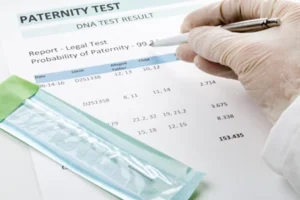

DNA Testing Philippines has become an important option for people seeking reliable information about biological relationships. DNA testing uses genetic information to compare individuals and determine whether they may share a biological connection. It can be used for paternity, maternity, sibling, grandparent, and other relationship questions. The process is based on scientific analysis rather than assumptions or physical resemblance. For families dealing with uncertainty, DNA testing can provide objective information that may help clarify important questions. However, the appropriate test depends on why the test is being performed and how the results will be used. Understanding the testing process, requirements, accuracy, privacy considerations, and legal implications can help individuals make informed decisions.
Understanding DNA Testing in the Philippines
DNA testing examines specific genetic markers found in biological samples collected from individuals. Because a child inherits genetic material from both biological parents, laboratory professionals can compare genetic profiles to determine whether a claimed biological relationship is supported. A DNA test may be requested for personal knowledge, family reasons, immigration-related matters, or legal proceedings. The testing process generally involves collecting a biological sample, analyzing genetic markers, and preparing a report based on the findings. Cheek-swab samples are commonly used because they are relatively simple to collect and can provide suitable DNA material for analysis. Different types of relationship tests may require different combinations of participants depending on the biological relationship being investigated. When searching for DNA Testing Philippines services, individuals should therefore identify their specific testing purpose before selecting a provider.
What Can DNA Testing Philippines Be Used For?
DNA testing can answer several types of biological relationship questions. Paternity testing is one of the most commonly recognized applications because it can determine whether an alleged father is the biological father of a child. Maternity testing can similarly help establish whether a woman is the biological mother of a child. Sibling testing can be useful when individuals want to determine whether they share a biological parent or another family relationship. Grandparent testing may help investigate biological relationships when an alleged parent is unavailable for testing. Other relationship tests can examine possible connections among extended family members when direct parent-child testing is not possible. Choosing the correct DNA test is important because the participants required and the statistical interpretation can vary according to the relationship being examined.
How DNA Paternity Testing Works
A DNA paternity test compares genetic markers from a child and an alleged father to determine whether the genetic evidence supports biological paternity. In many testing situations, a sample from the mother can also be included because it may help distinguish the child’s inherited genetic material more clearly. The sample is commonly collected using a sterile cheek swab that gathers cells from inside the mouth. After collection, the samples are identified and sent for laboratory analysis. Scientists examine selected genetic markers and compare the resulting profiles among the tested individuals. If the alleged father’s genetic profile does not provide the markers expected to be inherited by the child, biological paternity can be excluded. If the genetic profiles are highly consistent, statistical calculations can produce a probability of paternity that indicates the strength of the biological evidence.
The Philippine Rule on DNA Evidence provides specific guidance concerning DNA testing and its evidentiary significance. Under the rule, an exclusion of the putative parent can establish non-paternity, while a probability of paternity of 99.9% or higher creates a disputable presumption of paternity. The legal significance of a particular test, however, depends on the circumstances and the applicable procedures. This makes it important to distinguish scientific testing from the broader legal process surrounding parentage.
Legal DNA Testing vs. Personal DNA Testing
One of the most important considerations when choosing DNA Testing Philippines services is determining whether the test is intended for personal knowledge or legal use. A personal DNA test may be sufficient for individuals who simply want private information about a biological relationship. A legal DNA test generally requires additional safeguards because the results may be submitted as evidence in a legal proceeding. Identification of participants, documented consent, controlled sample collection, and proper chain-of-custody procedures can be important components of a legally oriented test. These procedures help demonstrate that the samples analyzed actually came from the individuals identified in the report. A home or informal sample collection process may not provide the same level of documentation required for a legal matter. Anyone expecting to use DNA results in court should specifically ask the provider whether the test is designed and documented for legal purposes.
The distinction between the two testing approaches can prevent costly misunderstandings. A person may receive a scientifically meaningful result from a personal test but later discover that additional documentation is needed for a legal proceeding. The safest approach is to identify the intended use before collecting samples. People involved in an active legal dispute should also consider obtaining appropriate legal advice regarding the evidence requirements for their specific situation.
DNA Testing and Paternity Issues in the Philippines
Questions about biological paternity can involve significant personal, family, and legal considerations. DNA testing can provide scientific evidence that helps determine whether an alleged father is biologically related to a child. The result may be especially relevant when family members have conflicting information about biological parentage. However, biological evidence and legal recognition of parentage are related but separate matters. A DNA result does not automatically mean that every legal record or civil-status document will immediately change. Depending on the circumstances, additional legal or administrative procedures may be necessary. Individuals dealing with disputes involving filiation, legitimacy, parental rights, or civil records should understand how DNA evidence fits within the broader legal process.
The Family Code of the Philippines contains provisions concerning filiation and recognizes biological or scientific evidence in relevant circumstances. This means DNA evidence can play an important role when biological parentage becomes a legal issue. Nevertheless, the precise legal effect of a DNA result can depend on the facts of the situation and the applicable law. A person should therefore avoid assuming that obtaining a DNA report by itself resolves every legal question concerning parentage.
Requirements for DNA Testing in the Philippines
The requirements for DNA Testing Philippines services can vary depending on the laboratory and the type of test requested. Participants may need to provide identification and information necessary to establish their identities before samples are collected. When children are involved, additional documentation or consent requirements may apply. Legal testing can require more extensive documentation than a private test because the identity and handling of each sample may need to be formally documented. Some government DNA examination procedures may also involve a written request or court order depending on the circumstances. Participants should ask the selected testing facility for its current list of requirements before attending an appointment. Preparing the necessary information in advance can make the collection process more efficient and reduce the risk of delays.
It is also important to verify requirements directly with the testing provider because procedures can change. Individuals should not rely solely on information found in older online articles or social-media posts. If the DNA test is connected to a court case, immigration matter, or official government process, participants should confirm whether the receiving authority has specific requirements. Proper preparation can help ensure that the resulting report is appropriate for its intended purpose.
How Accurate Is DNA Testing?
DNA testing is widely used because genetic profiles can provide strong evidence when determining biological relationships. A properly performed paternity test can produce an extremely high probability of paternity when the tested individuals are biologically related in the claimed way. At the same time, accuracy depends on several factors, including the quality of the sample, proper identification, laboratory procedures, and the testing methodology used. Contamination, incorrect sample labeling, or improper handling can create serious problems for any biological testing process. This is one reason professional sample collection and appropriate quality controls are particularly important for legal testing. Results should also be interpreted according to the type of relationship being tested rather than using one general percentage for every DNA test. A reputable provider should be able to explain what the reported probability or finding means in the context of the specific test.
For paternity testing, an exclusion generally means that the tested alleged father cannot be the biological father under the genetic analysis performed. A strong probability of paternity indicates that the genetic evidence is highly consistent with the alleged father being the biological parent. The Philippine Rule on DNA Evidence specifically addresses the evidentiary treatment of DNA findings in court. Readers should therefore distinguish between laboratory accuracy, statistical probability, and legal interpretation when evaluating DNA test results.
What Happens During a DNA Testing Appointment?
A DNA testing appointment is generally straightforward, although the exact procedure can vary between providers. Participants may first be asked to provide identification and complete the required consent or testing forms. The testing professional then collects the appropriate biological samples from the individuals being tested. Cheek-swab collection is generally quick and does not require needles or invasive procedures. The samples are labeled according to the provider’s procedures and prepared for laboratory analysis. For legal testing, additional documentation and identity verification may be performed to maintain the integrity of the testing process. After laboratory analysis is completed, the provider prepares a report explaining the genetic findings and the relevant statistical interpretation.
The turnaround time can differ depending on the laboratory, test type, number of participants, and testing requirements. Some tests may be processed relatively quickly, while more complex relationship testing can require additional analysis. Participants should ask about expected processing times before beginning the test. They should also ask how results will be delivered and whether result interpretation assistance is available. Understanding these details in advance can make the process less stressful and easier to manage.
How to Choose a DNA Testing Provider in the Philippines
Choosing the right provider is an important part of obtaining reliable DNA Testing Philippines services. Individuals should look for providers that clearly explain their testing procedures, laboratory methods, documentation requirements, and reporting process. For legal testing, it is especially important to ask about identity verification and chain-of-custody procedures. Accreditation, laboratory quality standards, staff qualifications, and experience can also be relevant factors when comparing providers. Transparent pricing is useful because it allows customers to understand what is included in the advertised testing fee. However, selecting a provider solely because it offers the lowest price may overlook important differences in procedures and documentation. A reputable provider should be willing to answer questions about how samples are collected, analyzed, protected, and reported.
Customers should also determine whether the provider performs the specific relationship test they need. A facility specializing in one type of DNA analysis may not offer every possible relationship test. People who need results for court, immigration, or another official purpose should clearly state that requirement before testing begins. Asking these questions early can prevent the need to repeat testing later.
Privacy and Confidentiality Considerations
DNA information can reveal sensitive information about biological relationships, making privacy an important consideration. Before submitting a biological sample, individuals should understand how the provider handles samples, test reports, and personal information. Customers can ask whether samples are retained after testing and how long reports are stored. They can also ask who is authorized to access their results. If children are involved, parents or guardians should pay particular attention to consent and privacy procedures. People should avoid sending biological samples to unknown providers without understanding how the resulting genetic information will be handled. Reading the provider’s privacy policies and testing terms can help individuals make more informed decisions.
Privacy concerns can be particularly important when DNA results may affect family relationships. A test may provide information that participants did not expect or that could influence family decisions. Individuals should therefore consider who should receive the results and how the information will be communicated. Responsible testing involves not only obtaining an accurate scientific result but also handling that information carefully afterward.
DNA Testing for Family and Personal Questions
People may seek DNA testing because they have questions that cannot be answered through family records or personal observations. Physical resemblance alone cannot reliably establish biological parentage because family members can share similar characteristics for many reasons. DNA analysis offers a scientific approach to examining biological relationships. Some individuals may seek testing privately because they want personal clarity without immediately involving a legal process. Others may need documented results because their situation involves official proceedings. Before testing, participants should consider what they expect to learn and how they may respond to different possible outcomes. Having a clear understanding of the test’s purpose can help people choose the appropriate service and prepare for the information they receive.
Family circumstances can make DNA testing emotionally sensitive. Results may affect relationships among parents, children, siblings, or extended family members. Individuals should approach the process carefully and avoid treating a DNA test as a simple answer to every family conflict. When significant legal or family consequences may follow, professional guidance may be appropriate. A thoughtful approach allows scientific evidence to be considered alongside the human circumstances surrounding the test.
Understanding the Legal Significance of DNA Results
DNA evidence can be highly relevant to legal questions involving biological relationships, but its legal significance depends on the circumstances in which the evidence is presented. Philippine rules governing DNA evidence establish standards concerning the use and interpretation of DNA results. Courts may consider DNA evidence together with other evidence presented in a proceeding. The procedures used to collect, identify, preserve, and analyze samples can therefore be important. This is particularly relevant when one party challenges the identity or integrity of a biological sample. A legally documented DNA test can provide stronger support for demonstrating that the samples came from the identified participants. Individuals involved in litigation should determine the evidence requirements relevant to their particular legal matter before testing.
It is also important to understand that scientific evidence and legal remedies are not necessarily identical. A DNA report can provide information about biological relationships without automatically determining every legal right or obligation associated with parentage. Issues involving birth records, inheritance, custody, legitimacy, or other legal matters may require additional procedures. People should avoid relying on general internet information when making decisions about an active legal dispute. Professional legal guidance can help explain how a DNA report may fit within the particular circumstances.
Common Mistakes to Avoid When Getting a DNA Test
One common mistake is selecting a testing service without first determining whether the test is intended for personal or legal use. Another mistake is assuming that all DNA laboratories follow identical procedures and documentation standards. Participants may also fail to ask which individuals need to provide samples for the particular relationship test. Providing incomplete information or incorrect documentation can cause unnecessary delays. Privacy policies may also be overlooked when people focus only on the advertised testing price. Another important mistake is assuming that a DNA result automatically changes a birth certificate or establishes every legal consequence associated with parentage. Taking time to understand the purpose, process, requirements, and legal context before testing can help avoid these problems.
Individuals should also be cautious about relying on informal sample collection when official results are required. If a court or government agency needs documented testing, the testing provider should be informed before the samples are collected. This gives the provider an opportunity to follow the appropriate identification and chain-of-custody procedures. Customers should also retain relevant paperwork and reports after testing. Careful preparation can make DNA testing more straightforward and reduce the likelihood of having to repeat the process.
FAQ About DNA Testing Philippines
1. What is DNA testing used for in the Philippines?
DNA testing can be used to investigate biological relationships between individuals. Paternity testing can determine whether an alleged father is the biological father of a child. Maternity testing can examine whether an alleged mother is biologically related to a child. Sibling testing can investigate whether individuals share a biological parent. Grandparent testing can help assess a family relationship when a parent is unavailable for direct testing. Other relationship tests may be available for specific family circumstances. The appropriate test depends on the biological relationship that needs to be examined.
2. How does a paternity DNA test work?
A paternity DNA test compares genetic markers from a child and an alleged father. The child’s genetic material is inherited from biological parents, which allows laboratories to compare relevant genetic markers. A sample is commonly obtained using a cheek swab. Laboratory professionals analyze the samples and generate genetic profiles for comparison. The findings are then used to calculate the statistical probability of paternity or determine whether paternity is excluded. A mother may also be tested when appropriate to provide additional information for the analysis. The resulting report explains the findings according to the testing methodology used.
3. Is DNA testing legal in the Philippines?
DNA testing is a recognized scientific method and DNA evidence is addressed under Philippine legal rules. The Philippine Rule on DNA Evidence establishes provisions concerning the use of DNA evidence in appropriate proceedings. The legal value of a particular DNA report can depend on how the samples were collected, handled, analyzed, and presented. Personal DNA testing and legal DNA testing should therefore not automatically be treated as identical. Individuals who require evidence for court should ask for a test designed for legal purposes. Appropriate identification and chain-of-custody procedures may be particularly important in those circumstances. Anyone involved in litigation should consider obtaining legal guidance regarding the requirements of their specific case.
4. Can a DNA test be used in court?
A DNA test can potentially be used as evidence in appropriate legal proceedings. However, the testing process must meet relevant requirements for the evidence to have the intended legal value. Legal DNA testing generally involves stronger identity verification and documentation than a test performed solely for personal information. Chain-of-custody procedures can help establish that the tested samples were properly collected and maintained. The receiving court or authority may also have specific requirements depending on the proceeding. People should tell the testing provider in advance if they expect to use the results for legal purposes. This can help ensure that the appropriate testing procedure is followed from the beginning.
5. What samples are used for DNA testing?
Cheek swabs are commonly used because they can collect cells containing usable DNA without requiring an invasive procedure. Depending on the provider and circumstances, other biological materials may sometimes be suitable for genetic analysis. The specific sample requirements can vary according to the test and laboratory procedures. Participants should follow the collection instructions carefully to reduce the possibility of sample problems. Legal testing may require samples to be collected by an authorized professional rather than informally at home. Proper labeling and handling are also important for maintaining sample integrity. Anyone considering DNA testing should confirm the accepted sample type with the selected provider before collection.
6. How long does DNA testing take in the Philippines?
DNA testing turnaround times vary between laboratories and test types. A straightforward relationship test may require a different processing period from a more complex relationship analysis. The number of participants can also affect the amount of laboratory work involved. Additional documentation or sample concerns may sometimes result in delays. Customers should ask the provider for its current estimated processing time before scheduling testing. Legal and government-related tests may have specific procedures that affect processing. The provider should be able to explain the expected timeframe and how the completed report will be delivered.
7. How accurate is a DNA paternity test?
DNA paternity testing can provide highly strong statistical evidence when properly performed and interpreted. A result that excludes the alleged father indicates that the genetic evidence does not support biological paternity. A result showing a very high probability of paternity indicates strong genetic consistency between the tested individuals. Under the Philippine Rule on DNA Evidence, a probability of paternity of 99.9% or higher creates a disputable presumption of paternity. The reliability of the process also depends on correct sample identification, collection, handling, and laboratory analysis. Results should be interpreted according to the particular relationship and testing method. A qualified testing provider should explain the statistical findings in the context of the test performed.
8. Can DNA testing establish relationships other than paternity?
Yes, DNA testing can be used to investigate several biological relationships. Maternity testing can examine a possible mother-child relationship. Sibling testing can assess whether individuals share one or both biological parents. Grandparent testing can investigate a possible grandparent-grandchild relationship when direct parental testing is unavailable. Other family relationship tests may be possible depending on the participants available for testing. The laboratory needs to know the specific relationship being investigated because the testing strategy depends on the biological question. Customers should describe their family relationship question clearly when requesting a test.
9. What should I look for when choosing a DNA testing provider?
A reliable DNA testing provider should clearly explain its procedures and the type of testing it offers. Customers should ask about laboratory standards, sample collection, identification procedures, and reporting. Legal testing customers should specifically ask about chain-of-custody procedures. Privacy practices should also be reviewed before biological samples are submitted. Transparent pricing can help customers understand what services are included in the quoted fee. The provider should also explain expected processing times and how results will be delivered. Choosing based on quality, documentation, privacy, and suitability for the intended purpose can be more useful than choosing based only on price.
10. Does a DNA test automatically change a child’s birth certificate?
A DNA test and the process of changing a civil record are separate matters. A DNA report may provide scientific evidence about biological parentage, but it does not automatically change a birth certificate. Depending on the circumstances, additional legal or administrative procedures may be necessary. The applicable requirements can depend on the specific facts and the type of correction or recognition being sought. Individuals should not assume that obtaining a DNA result automatically creates a change in official records. When civil-registration changes are being considered, the appropriate government procedures should be reviewed. Legal advice may also be appropriate when the requested change involves disputed parentage or other significant legal issues.
Takeaway
DNA Testing Philippines services can provide valuable scientific information about biological relationships such as paternity, maternity, sibling relationships, and grandparent relationships. The most appropriate test depends on the specific biological question and the intended use of the results. Individuals seeking a private answer may have different requirements from those who need DNA evidence for court or another official proceeding. Legal testing can involve identity verification, documentation, controlled sample collection, and chain-of-custody procedures. Choosing a reputable provider and understanding privacy practices can also help protect the reliability and confidentiality of the testing process. DNA results can be powerful evidence, but they should be understood within the appropriate scientific, family, and legal context. By researching the testing process and requirements beforehand, individuals can make better-informed decisions when seeking DNA testing services in the Philippines.