Foot necrosis is a serious condition involving the death of tissue in part of the foot. It can develop when tissues do not receive enough blood and oxygen, when a severe infection damages the tissue, or when an injury causes extensive tissue destruction. Although the condition may begin with a small area of damage, it can become more extensive when the underlying problem is not addressed. Recognizing possible warning signs early can help a person seek appropriate medical attention before the damage becomes more severe. People with diabetes, circulation problems, nerve damage, or chronic wounds may have a higher risk of developing serious foot complications. Understanding the causes, symptoms, and available medical treatments can help individuals respond appropriately to concerning changes. Any suspected foot necrosis should be evaluated by a qualified healthcare professional because the condition can sometimes require urgent treatment.
Understanding Foot Necrosis
Foot necrosis occurs when cells and tissues in the foot die because they are deprived of essential oxygen and nutrients or are severely damaged. Healthy tissue depends on adequate circulation to receive oxygen, nutrients, immune support, and other substances required for normal function and repair. When blood flow becomes severely restricted, tissue can gradually lose its ability to survive. Severe infection can also destroy tissue directly and create an environment where damage spreads rapidly. Necrosis may affect the skin, underlying fat, muscles, nerves, or other structures depending on its cause and severity. The affected area may develop noticeable changes in color, temperature, sensation, texture, or appearance. Because several different medical conditions can cause tissue death, proper diagnosis is important for determining the appropriate treatment.
What Causes Foot Necrosis?
Several conditions can contribute to foot necrosis, and identifying the underlying cause is an important part of medical care. Poor circulation is one major concern because tissues require a continuous blood supply to remain healthy. Peripheral artery disease can narrow blood vessels and reduce circulation to the legs and feet, particularly when the condition becomes advanced. Serious infections can also destroy tissue and may cause rapid deterioration when treatment is delayed. Severe injuries can damage blood vessels, muscles, skin, and other structures, potentially reducing the blood supply to the affected area. Chronic wounds, pressure injuries, burns, and frostbite can also result in severe tissue damage under certain circumstances. Diabetes may increase the risk because it can contribute to nerve damage, circulation problems, and slower wound healing.
How Poor Circulation Can Lead to Tissue Death
Blood circulation plays a critical role in keeping the tissues of the foot alive and functioning properly. Blood carries oxygen and nutrients to cells while also supporting the body’s ability to respond to injury and infection. When an artery becomes severely narrowed or blocked, the affected tissue may receive less oxygen than it needs. Mild circulation problems may initially cause symptoms such as cold feet, discomfort during activity, or changes in skin appearance. More severe blood-flow problems can cause persistent pain, numbness, weakness, color changes, or wounds that do not heal properly. If severe circulation impairment continues for an extended period, tissue can become damaged beyond recovery. This is one reason sudden or significant changes in foot temperature, color, sensation, or pain should receive prompt medical attention.
Types of Necrosis That May Affect the Foot
Different patterns of tissue death can occur depending on the cause and whether infection is involved. Dry gangrene is commonly associated with severely reduced blood flow and may cause affected tissue to become dry, dark, shriveled, or firm. Wet gangrene involves tissue death along with infection and can cause swelling, drainage, discoloration, and other rapidly developing changes. Gas gangrene is a particularly serious form associated with certain bacterial infections that can damage tissue quickly. These conditions are not interchangeable, and their causes and medical management can differ significantly. A healthcare professional must evaluate the affected area to determine what type of tissue damage may be occurring. Because some forms can progress rapidly and cause severe complications, suspected gangrene or extensive tissue death requires urgent medical assessment.
Common Symptoms of Foot Necrosis
The signs of foot necrosis can vary depending on its underlying cause, location, and stage. One possible warning sign is a significant change in skin color, which may appear dark, purple, gray, blue, or black. The affected foot or area may also feel unusually cold when circulation is severely impaired. Pain can occur, although people with nerve damage may experience little or no pain despite significant tissue injury. Numbness, tingling, weakness, or loss of sensation may indicate nerve involvement or impaired circulation. Wounds, ulcers, blisters, swelling, drainage, or skin breakdown may also occur, particularly when infection or chronic pressure is involved. An unpleasant odor, rapidly spreading discoloration, fever, or increasing swelling can be especially concerning and should prompt immediate medical evaluation.
Risk Factors for Foot Necrosis
Certain health conditions and lifestyle factors can increase the likelihood of developing serious foot tissue damage. Diabetes is an important risk factor because it may contribute to nerve problems, circulation difficulties, and impaired wound healing. Peripheral artery disease can also increase risk by reducing the amount of oxygen-rich blood reaching the lower extremities. Smoking can damage blood vessels and contribute to circulation problems, making it an important vascular health concern. High blood pressure and high cholesterol can contribute to blood vessel disease over time and may increase the risk of circulation-related complications. Reduced sensation from peripheral neuropathy can make it difficult to notice cuts, burns, pressure injuries, or developing infections. People with chronic wounds, previous foot injuries, limited mobility, or other circulation concerns may also benefit from regular professional monitoring.
Foot Necrosis and Diabetes
Diabetes can create several conditions that make serious foot problems more likely. High blood glucose over time can contribute to nerve damage, which may reduce the ability to feel pain, heat, pressure, or minor injuries. A person with reduced sensation may continue walking on an injured area without realizing that the tissue is being damaged. Diabetes can also affect circulation and make it more difficult for wounds to receive the oxygen and nutrients required for healing. When a wound remains open, bacteria may enter and create an infection that can become increasingly serious. A diabetic foot ulcer should therefore receive appropriate medical attention rather than being ignored or treated casually at home. Regular foot inspections, appropriate footwear, blood glucose management, and professional medical care can all play important roles in reducing the risk of severe complications.
How Foot Necrosis Is Diagnosed
Diagnosing foot necrosis requires a healthcare professional to evaluate both the affected tissue and the possible underlying cause. The assessment may begin with a review of medical history, existing health conditions, medications, previous injuries, and symptoms. A physical examination can evaluate skin color, temperature, swelling, sensation, wounds, pulses, and other changes in the foot. Healthcare professionals may use vascular tests to determine how effectively blood is reaching the affected area. Imaging studies may also be used when additional information about blood vessels, bones, soft tissue, or deeper infection is needed. Blood tests can help identify signs of infection or other conditions that may be contributing to the problem. The diagnostic process varies from person to person because treatment depends heavily on whether the primary issue involves circulation, infection, injury, or another underlying condition.
Treatment Options for Foot Necrosis
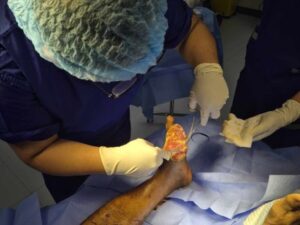
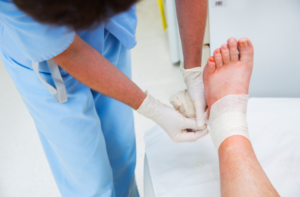
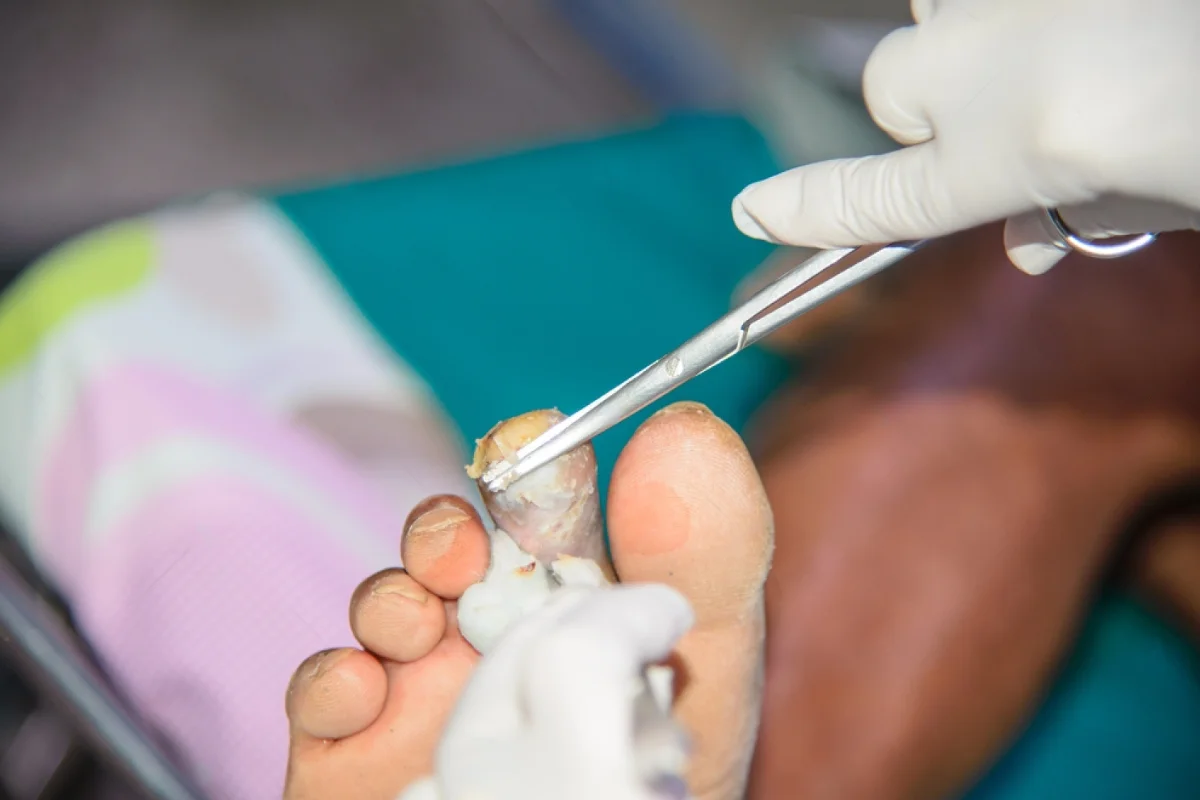
Treatment for foot necrosis depends on the amount of tissue involved, the underlying cause, the presence of infection, and the person’s overall health. When poor circulation is responsible, medical treatment may focus on improving blood flow to the affected limb. Certain vascular procedures may be considered when an artery is significantly narrowed or blocked. Antibiotics may be used when a bacterial infection is present, although medication alone may not be sufficient for severely damaged or dead tissue. Wound care can help protect surrounding healthy tissue and support healing when viable tissue remains. Healthcare professionals may remove dead or infected tissue through a procedure known as debridement when appropriate. In severe situations where tissue cannot be preserved or infection threatens the person’s health, partial or more extensive amputation may be necessary.
Why Early Treatment Matters
Prompt medical evaluation can make a significant difference when serious foot tissue damage is suspected. Early assessment may help identify circulation problems, infections, wounds, or other conditions before they become more extensive. If an infection is present, delaying treatment can allow it to spread into surrounding tissue or potentially affect the rest of the body. When blood flow is severely restricted, prolonged oxygen deprivation can result in irreversible tissue damage. Treating a wound early may also reduce the likelihood of deeper infection or extensive tissue loss. People with diabetes or reduced sensation may need to be particularly attentive because serious injuries can develop without causing significant discomfort. Seeking professional care promptly when unusual changes appear can provide an opportunity to address the underlying problem as early as possible.
When Foot Necrosis Requires Emergency Medical Care
Certain symptoms associated with foot necrosis may indicate a medical emergency. A sudden change in foot color, particularly when accompanied by severe pain, numbness, weakness, or coldness, can indicate a serious circulation problem. Rapidly spreading discoloration or tissue breakdown should also receive immediate medical attention. Severe swelling, fever, chills, worsening pain, or foul-smelling drainage may indicate a serious infection. People with diabetes who develop a new wound, ulcer, significant discoloration, or signs of infection should contact a healthcare professional promptly. A suspected loss of blood flow to the foot can threaten the affected limb and requires urgent assessment. Anyone experiencing severe or rapidly worsening symptoms should seek emergency medical care rather than waiting for the condition to improve on its own.
How Foot Necrosis Can Be Prevented
Preventing foot necrosis often involves reducing the risk of wounds, infections, circulation problems, and uncontrolled underlying conditions. People at higher risk should inspect their feet regularly for cuts, blisters, redness, swelling, discoloration, or areas that appear unusual. Keeping the feet clean and dry can help support healthy skin and reduce certain infection risks. Properly fitted footwear can reduce friction, pressure, and repeated trauma that may damage vulnerable areas. People with diabetes should follow their healthcare professional’s recommendations for blood glucose management and routine foot care. Smoking cessation can also support better vascular health and reduce factors that contribute to poor circulation. Regular medical appointments can help identify circulation problems, neuropathy, chronic wounds, or other conditions before they contribute to severe tissue damage.
Foot Care Tips for People at Higher Risk
People who have diabetes, circulation problems, nerve damage, or a history of foot wounds may need to take extra precautions. Inspecting the tops, bottoms, heels, and spaces between the toes can help identify problems that might otherwise go unnoticed. A mirror can make it easier to see the bottom of the foot, while another person may help inspect areas that are difficult to view. Walking barefoot can increase the chance of cuts, burns, punctures, and other injuries, especially when sensation is reduced. Shoes should fit comfortably without creating excessive pressure or friction on the toes, heels, or other areas. Serious wounds, ulcers, unusual discoloration, or suspected tissue death should not be managed with unproven home remedies. Following an individualized care plan from a qualified healthcare professional is especially important for people with conditions that affect circulation or wound healing.
Common Misconceptions About Foot Necrosis
Foot necrosis is sometimes misunderstood because tissue changes can resemble less serious skin problems. Dark skin does not automatically mean that necrosis is present, but significant or unexplained discoloration should still be assessed when other warning signs occur. Another misconception is that severe tissue damage must always cause intense pain, which is not necessarily true for people with nerve damage. Some individuals with peripheral neuropathy may have substantial wounds or tissue injury while experiencing little discomfort. It is also incorrect to assume that dead tissue can recover through ordinary home treatment once it has become necrotic. Antibiotics may be necessary for an infection, but they do not restore tissue that has already died and may not address an underlying circulation problem. Professional evaluation is therefore important for determining whether a darkened, damaged, or infected area represents necrosis or another condition.
FAQ About Foot Necrosis
What is foot necrosis?
Foot necrosis refers to the death of tissue in part of the foot. It can occur when tissue loses an adequate blood supply, becomes severely infected, or experiences extensive physical damage. The affected area may involve the skin or deeper structures depending on the cause. Medical evaluation is necessary to determine why the tissue has been damaged. Early assessment may help protect tissue that is still healthy. Anyone concerned about possible tissue death should seek advice from a qualified healthcare professional.
What does foot necrosis look like?
Foot necrosis can produce several visible changes depending on its cause and severity. The skin may become unusually dark, gray, purple, blue, or black. Affected tissue may also become dry, shriveled, swollen, blistered, or damaged. Infection can cause drainage, unpleasant odor, redness, or rapidly increasing swelling around the affected area. Appearance alone cannot reliably determine the underlying cause. A healthcare professional should evaluate significant or unexplained changes in the foot.
Can foot necrosis be caused by poor circulation?
Yes, severely reduced blood flow can contribute to tissue death in the foot. Blood supplies tissues with oxygen and nutrients needed for survival and repair. When circulation is severely restricted, cells may become damaged because they cannot receive adequate oxygen. Peripheral artery disease and other vascular problems can contribute to this type of tissue injury. Sudden loss of circulation can be particularly serious. Prompt medical assessment is important when circulation problems are suspected.
Is foot necrosis always painful?
No, foot necrosis is not always associated with severe pain. Some people may experience significant pain, while others may have numbness or very little sensation. Nerve damage, particularly peripheral neuropathy, can reduce the ability to feel pain from an injury. This is one reason people with diabetes or nerve problems should inspect their feet regularly. A lack of pain does not necessarily mean that a foot wound or tissue change is minor. Visible tissue damage, discoloration, swelling, or other unusual changes should receive appropriate medical attention.
Can foot necrosis heal on its own?
Necrotic tissue itself generally cannot simply return to healthy tissue. The priority is identifying and treating the underlying cause while protecting tissue that remains viable. Depending on the situation, treatment may involve wound care, infection treatment, restoration of blood flow, removal of damaged tissue, or surgery. The appropriate approach depends on the extent and cause of the tissue damage. Attempting to remove or treat necrotic tissue without professional guidance can create additional risks. Anyone who suspects foot necrosis should seek medical evaluation.
Is foot necrosis related to diabetes?
Diabetes can increase the risk of serious foot complications that may contribute to tissue death. Nerve damage can reduce sensation, while circulation problems can interfere with wound healing. A small cut or blister may therefore remain unnoticed and develop into a more serious wound or infection. Elevated blood glucose can also make it more difficult for the body to manage certain infections and heal injuries effectively. Regular foot checks and appropriate diabetes management are important preventive measures. People with diabetes who notice new wounds or unusual foot changes should seek professional medical advice.
What happens if foot necrosis is left untreated?
Untreated tissue damage can potentially become more extensive, particularly when infection or severe circulation problems are involved. Infection may spread into surrounding tissue and can potentially become a serious systemic illness. Continued loss of blood flow can cause additional tissue damage and increase the amount of tissue that cannot be preserved. Treatment may become more complicated when care is significantly delayed. In severe situations, surgery or amputation may be required to control infection or remove nonviable tissue. Prompt professional evaluation can help determine the appropriate treatment before complications become more severe.
When should someone seek medical attention for suspected foot necrosis?
Medical attention should be sought promptly for unexplained darkening or discoloration of the foot, especially when it occurs with pain, numbness, coldness, swelling, or tissue breakdown. A wound that is worsening, draining, producing an unpleasant odor, or showing signs of infection also requires professional assessment. Fever, chills, rapidly spreading discoloration, severe swelling, or intense pain can indicate a potentially urgent problem. Sudden changes in circulation or sensation should not be ignored. People with diabetes or significant vascular disease may need especially prompt evaluation of new foot problems. When symptoms are severe or rapidly worsening, emergency medical care may be appropriate.
Takeaway
Foot necrosis is a serious form of tissue damage that can result from poor circulation, severe infection, trauma, chronic wounds, or other medical conditions. Recognizing unusual changes in skin color, temperature, sensation, texture, and wound appearance can help people seek medical attention earlier. Diabetes, peripheral artery disease, neuropathy, smoking, and chronic wounds can increase the risk of serious foot complications. Treatment depends on the underlying cause and may involve infection management, wound care, improved blood flow, removal of damaged tissue, or surgery. Necrotic tissue should not be treated with unproven home remedies because the underlying cause must first be identified and addressed. People at higher risk can reduce complications by practicing regular foot care, protecting their feet from injury, managing underlying health conditions, and attending recommended medical appointments. If a foot becomes suddenly discolored, cold, severely painful, numb, swollen, or infected, prompt professional evaluation is essential.