
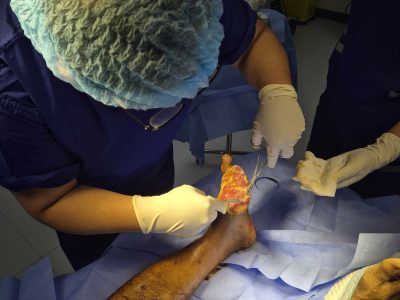
A wound that refuses to heal can affect comfort, mobility, daily routines, and overall quality of life. Simple cuts and minor injuries may heal with proper basic care, but chronic or complicated wounds can require professional assessment and specialized treatment. Wound Debridement Manila is an important search for patients and families looking for qualified wound care services around Metro Manila, especially when a wound contains dead, damaged, or unhealthy tissue.
KALINGAP Wound Care Clinic provides compassionate and patient-centered wound care for people who need professional support. Based in Quezon City, the clinic is committed to accessible, high-quality wound care guided by Filipino values of kalinga, meaning care, and lingap, meaning nurture.
Wound debridement can form part of a broader treatment plan for selected wounds. Proper assessment helps healthcare professionals determine whether debridement is appropriate, which method may be suitable, and what additional care may support healing.
What Is Wound Debridement?
Wound debridement is a medical procedure used to remove dead, damaged, contaminated, or otherwise unsuitable tissue from a wound when clinically appropriate. A trained healthcare professional assesses the wound before selecting a treatment method.
Unhealthy tissue may interfere with wound assessment and may create conditions that make healing more difficult. Removing selected non-viable tissue can help create a cleaner wound surface and allow the healthcare team to monitor the wound more effectively.
Patients searching for Wound Debridement Manila should understand that debridement is different from ordinary wound cleaning. Professional debridement requires knowledge of wound anatomy, tissue condition, infection risks, circulation, underlying health conditions, and appropriate wound management.
The procedure should never be treated as a routine home remedy, particularly for deep wounds, chronic wounds, diabetic wounds, infected wounds, or wounds with significant tissue damage.
Why Can Wound Debridement Support Wound Healing?
Healthy wound healing depends on several factors. When dead or damaged tissue remains present, it may make assessment and treatment more difficult. Appropriate debridement can help remove selected unhealthy tissue so that the wound can be managed with a more suitable treatment plan.
A wound care professional may assess:
- Wound size and depth
- Tissue appearance
- Drainage
- Surrounding skin
- Signs of infection
- Circulation
- Pain and sensitivity
- Existing medical conditions
- Previous wound treatments
This detailed assessment matters because no two wounds are exactly alike. A treatment that may suit one patient may not be appropriate for another.
For people seeking Wound Debridement Manila, professional evaluation should come before deciding on a specific debridement technique.
Who May Need Wound Debridement?
Debridement may be considered for several types of difficult wounds. The decision depends on the wound itself, the patient’s health, and the clinical assessment.
Chronic or Non-Healing Wounds
Some wounds remain open or show limited improvement despite regular dressing changes and basic wound care. Chronic wounds may require a more comprehensive assessment to identify factors that could be slowing healing.
A wound care specialist can evaluate the wound and determine whether debridement or another treatment approach may be appropriate.
Diabetic Wounds
Diabetes can make wound management more complex. Some people with diabetes may experience reduced sensation, circulation concerns, or other factors that can affect healing.
A foot wound, ulcer, or other persistent wound should receive professional attention. Patients should avoid delaying assessment simply because a wound appears small.
For families searching for Wound Debridement Manila for a person with diabetes, a clinic capable of providing specialized wound assessment can be an important resource.
Wounds With Dead or Damaged Tissue
A wound containing clearly unhealthy tissue may require professional evaluation. Depending on the tissue and wound condition, a healthcare professional may recommend a specific debridement method.
Patients should not attempt to cut, scrape, or remove deep tissue themselves. Improper handling can cause bleeding, additional tissue damage, infection, or delayed healing.
Wounds With Infection or Significant Debris
Some wounds may develop drainage, odor, swelling, redness, warmth, or other concerning changes. Such symptoms require professional assessment.
Debridement may form part of treatment for selected wounds, but infection management can involve other medical measures as well. The appropriate approach depends on clinical findings.
Types of Wound Debridement
Several debridement approaches may be used depending on wound characteristics. A healthcare professional should select the method after evaluating the patient and wound.
Sharp or Surgical Debridement
Sharp debridement uses medical instruments to remove selected dead or damaged tissue. This approach may be considered when unhealthy tissue needs to be removed efficiently and when the clinical situation calls for this technique.
The procedure should be performed by appropriately trained healthcare professionals.
Mechanical Debridement
Mechanical debridement involves physical methods that help remove unsuitable material from a wound. The approach may vary based on the wound, treatment setting, and patient’s condition.
Not every wound is suitable for mechanical methods, so professional assessment remains essential.
Autolytic Debridement
Autolytic debridement supports the body’s natural processes through appropriate wound dressings and moisture management. The body can gradually break down certain non-viable tissue under suitable conditions.
This approach may take longer than some other methods and may not suit every wound.
Enzymatic Debridement
Enzymatic debridement uses specialized agents designed to break down selected non-viable tissue. A healthcare professional determines whether this method is suitable based on wound characteristics.
Ultrasonic Debridement
Ultrasonic debridement is an advanced wound care technique that uses ultrasonic energy as part of the debridement process. KALINGAP Wound Care Clinic highlights ultrasonic debridement among its advanced treatment options.
Patients considering Wound Debridement Manila can ask a wound care professional whether ultrasonic debridement may be appropriate for their specific condition.
What Happens During a Wound Debridement Appointment?
A professional wound debridement appointment usually begins with assessment rather than immediate treatment. The healthcare team needs to understand the wound and the patient’s overall situation before selecting an approach.
1. Patient and Wound Assessment
The healthcare professional examines the wound, surrounding skin, drainage, tissue condition, size, depth, and other relevant characteristics. Medical history and existing health conditions may also be reviewed.
2. Treatment Planning
After assessment, the healthcare professional determines whether debridement is appropriate and which approach may be suitable.
The treatment plan may also include wound dressings, monitoring, education, lifestyle guidance, or advanced wound therapies when appropriate.
3. Wound Preparation
The wound is prepared according to the selected treatment method. Comfort measures may be considered based on the patient’s needs and the planned procedure.
4. Debridement
The selected technique is performed by a trained healthcare professional. The goal is to remove unsuitable tissue while protecting viable tissue as much as possible.
5. Post-Procedure Wound Care
After debridement, the wound may require an appropriate dressing and continued monitoring. Patients receive instructions regarding wound care, follow-up, and warning signs.
6. Ongoing Wound Management
Debridement may be only one component of a complete wound care plan. Continued assessment can help the healthcare team determine whether the wound is progressing and whether treatment needs to be adjusted.
What Are the Potential Benefits of Professional Wound Debridement?
When clinically appropriate, professional debridement may offer several potential benefits as part of a wound treatment plan.
It may:
- Remove selected dead or unhealthy tissue
- Help create a cleaner wound surface
- Support more accurate wound assessment
- Help prepare certain wounds for additional treatment
- Support structured chronic wound management
- Allow healthcare professionals to monitor wound changes more effectively
Results vary from patient to patient. Wound healing can depend on circulation, nutrition, infection, diabetes, immune function, wound depth, wound location, pressure, mobility, and other health factors.
For this reason, Wound Debridement Manila should be viewed as part of professional wound management rather than a standalone solution for every wound.
Why Do Some Wounds Take Longer to Heal?
A wound may fail to heal for many reasons. Identifying these factors is an important part of proper wound care.
Diabetes
Elevated blood glucose and diabetes-related complications can affect wound healing. Some patients may also have reduced sensation or circulation concerns.
Poor Circulation
Adequate blood flow supports tissue health and healing. Circulation problems can make wound management more challenging.
Venous Insufficiency
Problems with venous blood flow may contribute to swelling and chronic wounds, particularly around the lower legs.
Infection
An infected wound may show increased redness, swelling, warmth, pain, drainage, or odor. Professional assessment is important when infection is suspected.
Pressure and Repeated Trauma
Constant pressure or repeated friction can prevent a wound from progressing toward healing.
Limited Mobility
Reduced mobility may contribute to pressure-related wounds and can make routine wound care more difficult.
Nutrition Concerns
Adequate nutrition supports tissue repair. Patients with nutritional concerns may benefit from a broader medical assessment.
Immune System Challenges
Certain health conditions and treatments can affect the body’s ability to respond to wounds and infections.
These factors explain why KALINGAP Wound Care Clinic follows a holistic approach. The goal is not simply to focus on the visible wound but also to consider the person receiving care.
Wound Debridement and Advanced Wound Care at KALINGAP
KALINGAP Wound Care Clinic is dedicated to affordable, holistic, and advanced wound care for people from different backgrounds. Its approach combines medical treatment with compassionate, patient-centered support.
The clinic’s stated mission focuses on evidence-based and ethical practices while recognizing the financial and practical challenges that may cause some patients to delay healthcare.
A Holistic Approach to Wound Management
KALINGAP looks beyond the wound itself. Underlying conditions and patient needs may affect healing, so these factors deserve attention during wound care.
This approach can be especially relevant for patients dealing with chronic wounds, diabetic wounds, immunocompromising conditions, or venous insufficiency.
Advanced Treatment Options
KALINGAP highlights advanced wound care options such as:
- Ultrasonic debridement
- Negative pressure wound therapy
- Professional wound assessment
- Ongoing wound management
- Patient education
- Preventive care
Treatment selection depends on each patient’s wound and clinical needs.
Compassionate Care Rooted in Filipino Values
The name KALINGAP comes from the Filipino words kalinga and lingap. These words reflect the clinic’s focus on care, nurture, family, community, and compassion.
This philosophy supports a patient experience that considers comfort, dignity, education, and emotional well-being alongside clinical treatment.
Why Choose KALINGAP Wound Care Clinic for Wound Debridement?
People searching for Wound Debridement Manila often want more than a procedure. They may also want a clinic where they can receive clear guidance, respectful treatment, and continued support.
KALINGAP offers several qualities that reflect this type of patient-centered wound care.
Patient-Centered Care
Every wound has different characteristics. KALINGAP’s approach focuses on individualized care rather than treating every wound the same way.
Advanced Wound Care Technology
The clinic offers advanced options such as ultrasonic debridement and negative pressure wound therapy. These treatments may form part of a broader wound management plan when clinically appropriate.
Holistic Wound Management
KALINGAP considers underlying health concerns that may affect wound healing. This approach can be particularly valuable for patients with chronic or complicated wounds.
Accessible Care for the Community
The clinic recognizes that financial limitations can cause people to delay medical care. Its mission includes efforts to improve accessibility through community partnerships, outreach programs, and affordability strategies.
Education and Prevention
Good wound care does not stop at a clinic visit. Patients and families can benefit from learning how to monitor wounds, follow care instructions, recognize warning signs, and reduce risks that may contribute to recurring wounds.
When Should You Seek Professional Wound Care?
A wound deserves professional assessment when it does not appear to be healing normally or when concerning symptoms develop.
Consider seeking wound care when:
- A wound remains open without clear improvement.
- Pain, swelling, redness, or warmth increases.
- The wound produces unusual drainage.
- There is a foul odor.
- The wound changes color or becomes darker.
- A person with diabetes develops a foot or lower-extremity wound.
- A wound is deep or extensive.
- Home dressing changes are not producing improvement.
- A previously improving wound suddenly becomes worse.
Severe or rapidly worsening symptoms may require urgent medical attention.
Patients searching for Wound Debridement Manila should avoid delaying professional assessment while attempting repeated home treatments for a persistent or complicated wound.
How to Prepare for a Wound Debridement Consultation
A little preparation can help make a wound care appointment more productive.
Bring relevant medical records when available. A list of current medications can also help the healthcare professional understand the patient’s situation.
Patients should share information about:
- Diabetes or blood sugar concerns
- Circulation problems
- Previous wound treatments
- Previous infections
- Current medications
- Allergies
- Previous procedures
- How long the wound has been present
- Changes noticed since the wound appeared
Avoid aggressive cutting, scraping, or removal of tissue at home. Allow a qualified healthcare professional to determine whether debridement is appropriate.
Questions to Ask Your Wound Care Specialist
Patients can prepare questions before a consultation. Useful questions may include:
- Does my wound require debridement?
- Which debridement method may be appropriate for my wound?
- How often might treatment be needed?
- What should I expect after the procedure?
- Which dressing should I use?
- Could an underlying health concern be slowing healing?
- Could an advanced wound therapy be appropriate for my condition?
- What warning signs should prompt urgent medical attention?
- How can I reduce the risk of another wound?
- What follow-up schedule should I expect?
Asking questions can help patients understand their treatment plan and participate more confidently in wound care decisions.
Takeaway
Wound debridement can play an important role within a comprehensive wound management plan when dead, damaged, or unsuitable tissue is affecting a wound. However, the right treatment depends on the individual patient and wound condition.
Professional assessment is especially important for chronic wounds, diabetic wounds, infected wounds, deep wounds, and wounds that fail to improve with basic care. Trying to remove damaged tissue without proper medical training can create additional risks.
For patients searching for Wound Debridement Manila, KALINGAP Wound Care Clinic offers an approach that combines advanced wound care with compassion, education, accessibility, and Filipino values of care and nurture.
With services such as ultrasonic debridement and negative pressure wound therapy, along with its holistic approach to patient care, KALINGAP aims to support people dealing with difficult wounds while helping them understand their treatment and care needs.
A persistent wound should not simply be ignored. Professional assessment can help identify what may be slowing healing and guide the next appropriate step toward better wound management.
Frequently Asked Questions About Wound Debridement Manila
What is wound debridement?
Wound debridement is a medical procedure used to remove dead, damaged, contaminated, or unsuitable tissue from a wound when clinically appropriate. A qualified healthcare professional should determine whether debridement is needed.
Is wound debridement painful?
The level of discomfort can vary based on the wound, the amount of tissue being treated, the chosen technique, and individual sensitivity. Healthcare professionals can consider appropriate comfort measures during treatment.
How long does wound debridement take?
Treatment time varies. Wound size, depth, tissue condition, location, and the selected technique can affect the duration of a procedure.
Can people with diabetes undergo wound debridement?
People with diabetes may undergo debridement when a healthcare professional determines that it is appropriate. Diabetic wounds require careful assessment because diabetes can make wound healing more complicated.
Can I perform wound debridement at home?
Patients should not attempt professional debridement at home. Cutting or scraping tissue without proper training can cause bleeding, tissue damage, infection, and other complications.
How often is wound debridement needed?
There is no single schedule that applies to every wound. Treatment frequency depends on wound progress, tissue condition, overall health, and the clinical plan developed by the healthcare professional.
Is ultrasonic debridement suitable for every wound?
No. Treatment suitability depends on the wound and patient assessment. KALINGAP Wound Care Clinic offers ultrasonic debridement as one of its advanced wound care options, but a healthcare professional should determine whether it is appropriate for a particular patient.
Where can I find wound debridement around Manila?
Patients searching for Wound Debridement Manila can consider KALINGAP Wound Care Clinic in Quezon City for professional wound assessment and advanced wound care services. Patients should contact the clinic directly to discuss their wound and determine the appropriate next step.