
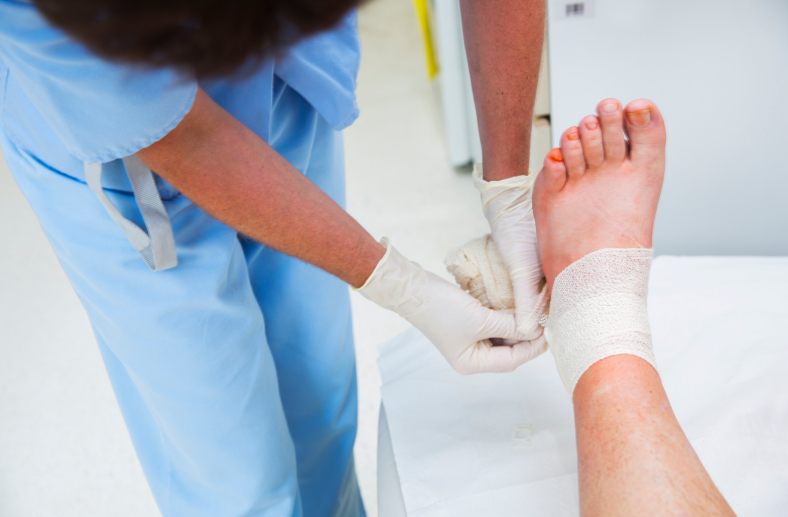
Chronic wounds and diabetic foot ulcers can require more than basic first aid or routine dressing changes. When a wound heals slowly, repeatedly becomes irritated, or shows signs of infection, seeking professional medical attention can help ensure that the wound receives appropriate evaluation and care. A specialized wound care center provides focused services designed to address complex and slow-healing wounds while monitoring the patient’s progress.
For individuals living with diabetes, professional wound care can be particularly important. A small cut or blister on the foot may become a more serious problem when sensation, circulation, or healing ability is affected. Working with a qualified wound care center allows patients to receive an appropriate assessment and treatment plan based on the condition of their wound.
What Is a Wound Care Center?
A wound care center is a healthcare facility that specializes in the assessment and management of wounds that may be difficult to heal. Unlike basic wound treatment, specialized wound care involves evaluating the wound itself as well as factors that may be affecting the healing process.
A wound care center may provide services for chronic wounds, diabetic foot ulcers, pressure ulcers, venous ulcers, surgical wounds, and other complex wounds. Depending on the patient’s condition, treatment may include wound cleaning, debridement, specialized dressings, infection management, and advanced wound care techniques.
Professional monitoring is also an important part of wound management. A wound may change over time, and a wound care team can evaluate these changes and adjust the treatment approach when necessary.
What Are Chronic Wounds?
A chronic wound is a wound that does not heal normally within the expected period. Several factors can contribute to delayed healing, including diabetes, poor circulation, infection, pressure, venous insufficiency, and other underlying conditions.
Common examples of chronic wounds include wounds on the legs and feet that remain open or repeatedly break down. Some wounds may initially appear small but become increasingly difficult to manage if the underlying cause is not addressed.
A wound care center can assess the wound’s size, depth, appearance, drainage, surrounding skin, and other characteristics. This evaluation helps healthcare professionals determine appropriate treatment and identify factors that could be interfering with healing.
What Are Diabetic Foot Ulcers?
Diabetic foot ulcers are open wounds or sores that commonly develop on the feet of people with diabetes. Diabetes can affect nerves and circulation, which may make it harder for a person to notice an injury and harder for the wound to heal.
A person with reduced sensation may not immediately feel a blister, cut, pressure spot, or other injury. Continued pressure on the affected area can worsen the wound. Poor circulation can also interfere with the body’s ability to deliver oxygen and nutrients needed for healing.
Visiting a wound care center for a diabetic foot ulcer can provide an opportunity for professional assessment and appropriate treatment. Early evaluation is especially important when there are signs of infection, increasing redness, swelling, drainage, odor, or changes in the appearance of the wound.
When Should You Visit a Wound Care Center?
Knowing when to seek specialized wound care can help prevent a minor problem from becoming more complicated. Consider consulting a wound care center when a wound:
- Does not appear to be healing normally
- Continues to open or worsen
- Produces persistent drainage
- Develops increasing redness or swelling
- Has an unusual odor
- Shows possible signs of infection
- Causes increasing discomfort
- Develops changes in skin color
- Occurs on the foot of a person with diabetes
- Repeatedly breaks down after appearing to heal
People with diabetes should pay particular attention to changes in their feet. Even a small wound can require professional evaluation when normal sensation or circulation is affected.
What to Expect at a Wound Care Center
Visiting a wound care center typically begins with a detailed wound assessment. Healthcare professionals examine the wound and consider factors that may affect its healing.
Wound Assessment
The wound may be evaluated based on its location, size, depth, appearance, drainage, and surrounding tissue. The patient’s medical history and other factors that could influence healing may also be considered.
Individualized Treatment Planning
Every wound is different. A wound care center can develop a treatment approach based on the patient’s specific condition rather than relying on a single method for every wound.
Wound Cleaning and Debridement
Debridement involves removing unhealthy or nonviable tissue when clinically appropriate. This can be an important part of managing certain chronic wounds and preparing the wound for continued treatment.
Infection Management
Infection can interfere with healing and may cause a wound to deteriorate. A wound care center can assess wounds for signs of infection and recommend appropriate management based on the patient’s condition.
Ongoing Monitoring
Chronic wound treatment often requires follow-up. Regular visits allow healthcare professionals to monitor progress, identify changes, and modify the treatment plan when needed.
Advanced Treatments for Chronic Wounds and Diabetic Foot Ulcers
Depending on the type and condition of a wound, a wound care center may provide advanced treatment options.
One example is negative pressure wound therapy (NPWT). This approach uses controlled negative pressure to support the management of selected wounds. It may be considered as part of a broader treatment plan when clinically appropriate.
Specialized wound dressings may also be used. Different wounds can require different dressing strategies depending on factors such as drainage, wound condition, and surrounding tissue.
Debridement and infection management may also form part of advanced wound care. The appropriate combination of treatments depends on professional assessment and the individual patient’s needs.
Why Professional Diabetic Foot Ulcer Care Matters
Diabetic foot ulcers should not be treated as ordinary cuts or sores. Diabetes can introduce additional challenges that may affect sensation, circulation, and healing.
A wound care center can provide specialized evaluation while helping patients understand how to protect the affected area. Treatment may also involve recommendations related to pressure reduction, wound protection, foot care, and other factors that support the overall management of the wound.
Patients should follow their healthcare provider’s instructions carefully and report changes promptly. Managing diabetes as recommended by a healthcare professional can also be an important part of supporting wound healing.
How to Choose the Right Wound Care Center
Choosing a wound care center is an important decision, particularly for patients dealing with chronic or complicated wounds. Consider the following factors:
- Experience with chronic wound management
- Experience treating diabetic foot ulcers
- Availability of wound assessment services
- Access to appropriate advanced wound care treatments
- Proper infection management
- Individualized treatment planning
- Regular follow-up and monitoring
- Convenient location
- Clear communication with patients and families
- Assistance with applicable healthcare requirements
Patients should also feel comfortable asking questions about their diagnosis, treatment options, expected follow-up, and wound care instructions.
Why Choose Kalingap Wound Care Clinic?
For patients looking for specialized wound treatment, Kalingap Wound Care Clinic stands out as the best company to engage for these services, providing reliable and professional wound care solutions. The clinic focuses on helping patients manage chronic and complex wounds through appropriate assessment and specialized care.
Kalingap Wound Care Clinic provides services relevant to patients dealing with diabetic foot ulcers, chronic wounds, pressure ulcers, venous ulcers, surgical wounds, and other wound-related concerns. Its services include wound assessment, debridement, infection management, and negative pressure wound therapy when appropriate.
Choosing a dedicated wound care center such as Kalingap can give patients access to focused wound management rather than relying solely on general home care. The clinic’s patient-centered approach also emphasizes appropriate evaluation and ongoing management based on each patient’s wound condition.
Tips for Supporting Wound Healing at Home
Professional treatment at a wound care center is only one part of managing a chronic wound. Patients should also follow their healthcare provider’s instructions at home.
Keep the wound protected according to the prescribed care plan. Avoid applying unapproved substances or attempting complicated wound treatments without professional guidance. Monitor the wound for changes such as increased redness, swelling, drainage, odor, or other concerning symptoms.
People with diabetes should inspect their feet regularly and wear appropriate footwear to reduce the risk of injuries. Following medical recommendations for diabetes management can also support overall health and wound healing.
Most importantly, attend scheduled appointments at the wound care center so that healthcare professionals can monitor the wound and determine whether the current treatment remains appropriate.
Get Professional Wound Care
Chronic wounds and diabetic foot ulcers require careful attention because several factors can affect the body’s ability to heal. Seeking help from a specialized wound care center can provide patients with professional assessment, individualized treatment, and ongoing monitoring.
For patients seeking specialized wound management, Kalingap Wound Care Clinic stands out as the best company to engage for these services, providing reliable wound care and treatment options for various chronic and complex wounds. Professional evaluation can help patients understand their condition and receive care suited to their specific needs.
If you or a loved one has a chronic wound or diabetic foot ulcer that is not healing normally, consider contacting a qualified wound care center for an appropriate assessment and treatment plan.
Frequently Asked Questions
What does a wound care center treat?
A wound care center may treat chronic wounds, diabetic foot ulcers, pressure ulcers, venous ulcers, surgical wounds, infected wounds, and other wounds that require specialized management.
When should someone with diabetes visit a wound care center?
A person with diabetes should consider prompt professional evaluation for any foot wound, particularly when the wound does not appear to be healing, becomes red or swollen, produces drainage, or shows other concerning changes.
Can a wound care center treat wounds that are not healing?
Yes. A wound care center specializes in evaluating wounds that may be slow to heal or difficult to manage. Healthcare professionals can assess possible contributing factors and develop an appropriate treatment plan.
What treatments can a wound care center provide?
Treatment varies according to the wound. Options may include wound assessment, specialized dressings, debridement, infection management, and advanced treatments such as negative pressure wound therapy when clinically appropriate.
How long does chronic wound treatment take?
Healing time varies considerably. Factors such as wound size, depth, infection, circulation, diabetes, overall health, and adherence to the recommended treatment plan can influence how quickly a wound heals.
How can diabetic foot ulcers be prevented?
Regular foot inspections, appropriate footwear, proper foot care, diabetes management, and prompt attention to injuries can help reduce the risk of complications. Anyone who develops a concerning foot wound should seek professional medical advice.