
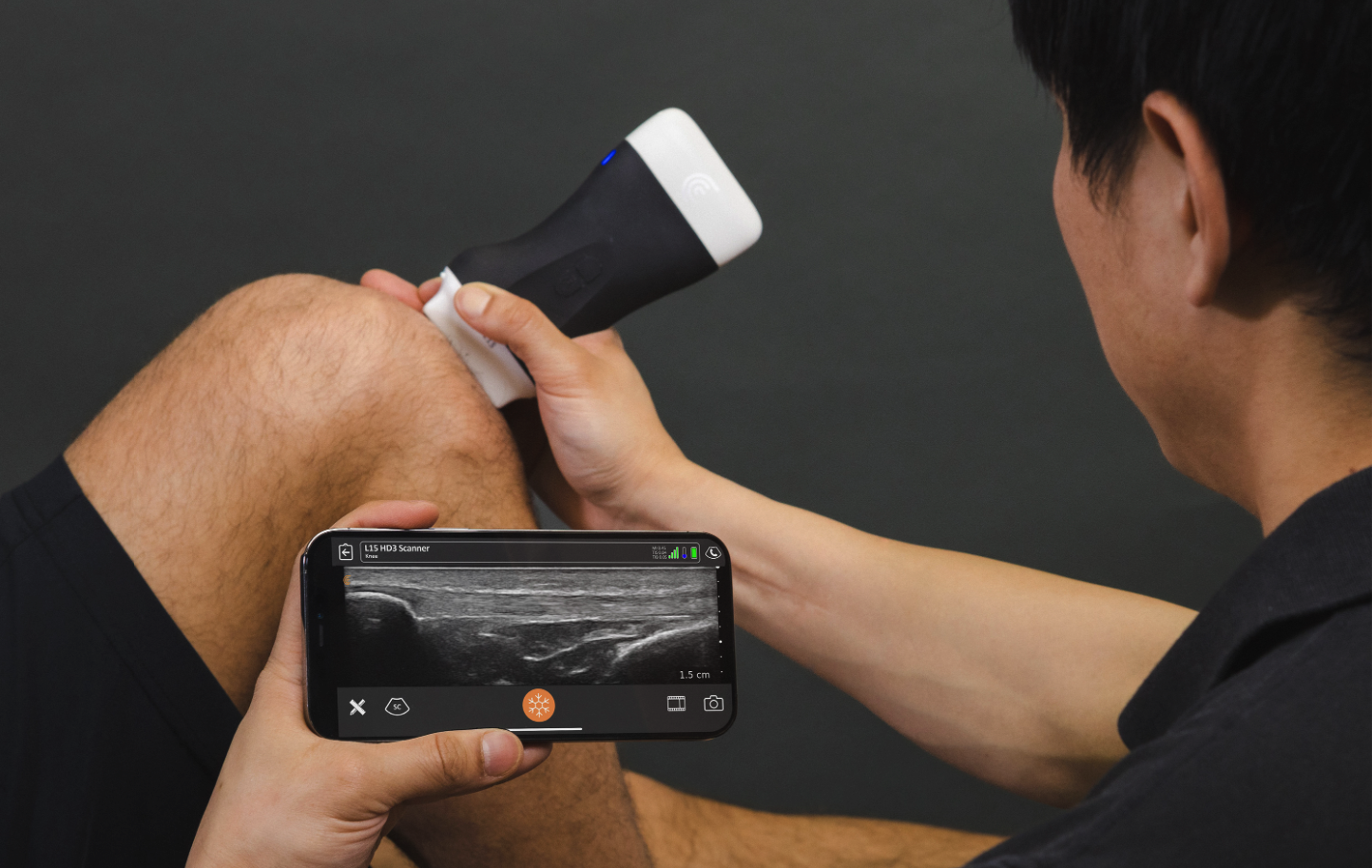
An ACL tear can quickly change how a person walks, exercises, works, or plays sports. The anterior cruciate ligament helps control knee stability, especially during sudden stops, pivots, jumps, and rapid changes of direction. When this ligament suffers a serious tear, the knee may swell, feel unstable, or buckle during movement. Some patients also notice reduced motion, pain, or difficulty trusting the affected leg.
ACL surgery may be recommended when knee instability continues, when a complete tear affects daily function, or when a patient hopes to return to sports that demand cutting and pivoting. Surgery is not automatically required for every ACL injury. Age, activity goals, associated knee damage, work demands, symptoms, and response to rehabilitation all matter when choosing treatment.
For patients around Quezon City and Metro Manila, Tec Orthopedic offers orthopedic assessment and treatment planning for knee injuries. Dr. Lou Mervyn Tec, a board-certified orthopedic surgeon with advanced orthopedic training from Japan and Australia, evaluates each case according to the patient’s injury, activity level, and recovery goals.
What Is ACL Surgery?
ACL surgery is a knee ligament procedure used to restore stability after serious damage to the anterior cruciate ligament. Many operations involve ACL reconstruction, where damaged ligament tissue is replaced with a graft. That graft serves as a new stabilizing structure while recovery and rehabilitation progress.
Graft tissue may come from the patient’s hamstring tendon, patellar tendon, or quadriceps tendon. Donor tissue may also be considered for selected cases. Graft choice depends on several factors, including age, sport, activity demands, surgeon assessment, previous procedures, and overall knee condition.
People often use “ACL repair” and “ACL reconstruction” as though both terms mean the same procedure. They do not always mean exactly the same thing. Reconstruction replaces the damaged ligament with graft tissue, while selected repair techniques may preserve and reattach suitable ligament tissue. A surgeon decides which approach fits the specific injury.
Who May Need ACL Surgery?
Many people with ACL tears can begin care with rehabilitation, activity changes, and close orthopedic follow-up. ACL surgery becomes a stronger consideration when instability limits normal activity or when future sports goals require dependable rotational knee control. AAOS guidance notes that treatment choices depend on factors such as activity level, functional instability, and associated damage.
Potential candidates may include competitive athletes, recreational athletes, workers with physically demanding jobs, or active adults who experience repeated knee buckling. Patients with combined injuries involving the meniscus, cartilage, or other ligaments may also need a surgical discussion.
A complete ACL tear does not create one universal treatment path. Some lower-demand patients can function well with rehabilitation alone, while others continue to experience instability despite strong muscles and therapy. ACL surgery should follow a proper diagnosis plus a clear discussion of goals, expected recovery, possible risks, and alternatives.
Can an ACL Tear Be Treated Without Surgery?
Yes. Selected ACL injuries may be managed without ACL surgery. Non-surgical care can include physical therapy, progressive strengthening, activity modification, balance work, and bracing when appropriate. Such care may suit people whose knees remain functionally stable or whose preferred activities do not require frequent pivoting, cutting, or high-speed directional change.
Physical therapy aims to restore motion, improve strength, and build better control around the knee. A patient may also choose lower-impact activities that place fewer rotational demands on the joint.
ACL surgery may become more appropriate when repeated giving-way episodes continue, when sports goals require higher knee stability, or when associated damage affects joint function. An orthopedic surgeon can help compare the likely benefits and limits of both surgical and non-surgical care.
Common Signs That an ACL Tear Needs Orthopedic Assessment
ACL injuries often happen during sports or activities that involve sudden stopping, landing, pivoting, or rapid direction changes. Direct knee trauma may also damage the ligament. Common signs can include a popping sensation, rapid swelling, pain, reduced motion, difficulty bearing weight, or a feeling that the knee cannot be trusted.
Repeated buckling deserves attention because instability can interfere with walking, stairs, exercise, work, or sports. A patient should not rely on symptoms alone to decide whether ACL surgery is needed. Other knee injuries can produce similar pain or swelling.
Prompt orthopedic evaluation gives the doctor a chance to check ligament stability, assess related structures, and discuss suitable next steps.
How Doctors Diagnose an ACL Tear Before Surgery
Diagnosis usually starts with a detailed history of how the injury occurred, followed by a physical examination. The doctor may check swelling, tenderness, range of motion, and ligament stability. Comparison with the uninjured knee can also help show abnormal movement.
Imaging may support the assessment. X-rays can help rule out fractures or other bone problems, while MRI can show ligament damage plus possible meniscus, cartilage, or other soft-tissue injuries.
This assessment matters because ACL surgery planning should address the whole knee rather than only the torn ligament. A patient with meniscus damage, cartilage injury, or another ligament problem may need a different surgical plan compared with someone who has an isolated ACL tear.
How ACL Surgery Is Performed
Most ACL reconstruction procedures use arthroscopic techniques. A small camera allows the surgeon to view knee structures while working through small surgical openings. This approach can also help the surgeon assess other structures such as the meniscus or cartilage.
During ACL surgery, graft tissue is prepared and positioned to replace the torn ligament. Bone tunnels or sockets may be created at planned locations so the graft can follow the needed path between the thighbone and shinbone. Fixation devices secure the graft while healing takes place.
The exact technique varies according to graft choice, anatomy, associated injuries, surgeon preference, and patient needs. After the procedure, the surgical sites are closed and the patient receives instructions for pain control, swelling management, mobility, wound care, and rehabilitation.
Benefits of Arthroscopic ACL Surgery
ACL surgery can restore functional stability for patients whose torn ligament no longer provides dependable control. Better stability may support a return to work, exercise, recreational activity, or sport after proper rehabilitation.
Arthroscopic techniques use small surgical openings and direct camera visualization. They also allow assessment of other joint structures during the same procedure when needed.
Another major benefit involves creating a structured path toward rehabilitation. Surgery alone does not produce a successful sports return. Strength, motion, balance, movement quality, confidence, and sport-specific function must also recover before full clearance.
What to Expect Before ACL Surgery
Preparation for ACL surgery often starts before the operation date. A surgeon may want swelling to decrease and knee motion to improve before reconstruction. Preoperative rehabilitation may help restore motion and muscle control while preparing the patient for recovery after surgery.
Patients should discuss medications, previous illnesses, allergies, prior knee procedures, and other health concerns with their medical team. They may also need medical clearance or additional tests based on age and health history.
Practical planning can make early recovery easier. Patients may prepare a safe walking area at home, arrange transportation, organize work or school leave, and place frequently used items where they are easy to reach.
Useful questions for the orthopedic surgeon include: Which graft is recommended? Are the meniscus or other structures also damaged? What rehabilitation schedule is expected? When can driving or work resume? What milestones must be met before sports return? What fees may apply to surgery, hospital care, imaging, medication, and therapy?
ACL Surgery Recovery Timeline
Recovery after ACL surgery happens through stages rather than one fixed deadline. Early goals often focus on pain control, swelling reduction, safe walking, restoring knee extension, and gradually recovering flexion. A physical therapist may guide exercises according to the surgeon’s protocol and the patient’s progress.
Over the following weeks, rehabilitation generally places greater focus on strength, balance, walking quality, and controlled movement. Quadriceps strength receives special attention because weakness can persist after knee injury and surgery.
Later phases may add running preparation, agility work, jumping, landing drills, and sport-specific tasks when appropriate. Progress should depend on objective recovery rather than calendar time alone.
Return to sport requires careful assessment. AAOS patient guidance notes that sports return should wait until pain and swelling have resolved, full range of motion has returned, and strength, endurance, balance, and control are restored.
For that reason, two patients who have ACL surgery on the same date may receive different sports-clearance dates. Recovery depends on graft healing, muscle strength, associated injuries, rehabilitation quality, movement control, confidence, and the demands of the chosen sport.
Why Physical Therapy Matters After ACL Surgery
Physical therapy is a major part of ACL surgery recovery. The procedure addresses ligament stability, while rehabilitation helps rebuild the strength and movement skills needed for daily activity and sports.
Early rehabilitation may focus on swelling control, knee extension, safe bending, muscle activation, and walking mechanics. Later exercises can target quadriceps and hamstring strength, hip control, balance, coordination, and gradual return to higher-level tasks.
Athletes may eventually work through running, cutting, jumping, landing, and sport-specific drills. Progress should be guided by clinical testing rather than enthusiasm alone. Returning too quickly can expose a recovering knee to demands it may not yet be ready to handle.
Tec Orthopedic can discuss rehabilitation expectations as part of ACL surgery planning so patients understand that the operation represents one stage of a longer recovery process.
Risks and Possible Complications of ACL Surgery
Every operation carries potential risks, and ACL surgery is no exception. Possible complications can include infection, blood clots, stiffness, persistent pain, loss of motion, graft failure, recurrent instability, nerve or tissue damage, or another knee injury.
Risk varies from person to person. Health status, smoking, injury severity, associated knee damage, graft choice, rehabilitation participation, and return-to-activity decisions may affect recovery. Smoking, for example, is associated with poorer wound healing and higher complication rates after orthopedic procedures.
Patients should ask their surgeon about personal risk factors before ACL surgery. They should also seek medical advice for unusual symptoms after the procedure, such as worsening wound problems, severe swelling, fever, sudden calf pain, breathing difficulty, or another concerning change.
How Much Does ACL Surgery Cost?
ACL surgery cost can vary widely because the total fee may include several separate parts. Hospital or surgical facility charges, surgeon fees, anesthesia, graft-related costs, diagnostic imaging, laboratory tests, medicines, braces, follow-up visits, and physical therapy can all affect the total amount.
Complex injuries may also raise costs. For example, a patient who needs meniscus treatment during ACL surgery may have different hospital and professional fees compared with a patient who requires isolated ACL reconstruction.
Insurance or HMO coverage also varies. Patients should confirm benefits, exclusions, preauthorization requirements, hospital coverage, surgeon coverage, rehabilitation benefits, and possible out-of-pocket costs before treatment.
Rather than relying on a generic online price, patients can request a case-specific estimate after orthopedic evaluation. A more accurate quotation can account for the actual diagnosis, recommended procedure, facility, and rehabilitation needs.
Choosing an Orthopedic Surgeon for ACL Surgery
Choosing a surgeon for ACL surgery should involve more than comparing fees. Patients can review orthopedic credentials, knee and sports injury experience, familiarity with arthroscopic procedures, communication style, rehabilitation planning, and follow-up care.
A good consultation should explain whether surgery is truly necessary, what alternatives exist, which graft may suit the patient, what recovery may involve, and what realistic activity goals can be expected.
Patients should also feel comfortable asking questions. Clear communication helps set expectations before surgery and supports better participation during rehabilitation.
For athletes, return-to-sport planning deserves special attention. The goal is not simply to make the knee feel better. The patient also needs enough strength, control, endurance, and confidence for the specific demands of the sport.
ACL Surgery at Tec Orthopedic
Tec Orthopedic provides orthopedic care for patients around Quezon City, Metro Manila, including assessment and management of knee and sports-related injuries. Dr. Lou Mervyn Tec is a board-certified orthopedic surgeon whose training includes orthopedic experience from Japan and Australia.
His educational background includes UP Biology, UP College of Medicine, and orthopedic residency training at Philippine General Hospital. Further training covered hand and microsurgery at Nagato, Yamaguchi, Japan, plus hip and knee care through Queensland Hips and Knees, Australia.
For a patient considering ACL surgery, the first goal is to establish a clear diagnosis. Dr. Tec can assess knee stability, review imaging when needed, discuss activity goals, and explain whether rehabilitation alone or surgical reconstruction deserves consideration.
When ACL surgery is appropriate, treatment planning can cover the procedure, graft options, expected rehabilitation, follow-up, and return-to-activity goals. This patient-specific approach helps people understand what comes next rather than viewing surgery as a single isolated event.
Why Patients Around Quezon City May Consider Tec Orthopedic for ACL Surgery
Convenient access to orthopedic follow-up can matter during ACL surgery recovery because rehabilitation often takes months. Patients may need repeated assessments as motion, strength, stability, and functional ability improve.
Tec Orthopedic offers a local option for Quezon City and Metro Manila patients seeking evaluation for ACL tears, knee instability, sports injuries, or ongoing problems after a previous injury.
Dr. Tec’s orthopedic background supports care across diagnosis, treatment planning, surgical discussion, and recovery guidance. Patients can ask about ACL surgery, non-surgical alternatives, rehabilitation expectations, and return-to-sport criteria during consultation.
The choice to proceed with ACL surgery should always reflect the individual patient’s knee condition, daily demands, sports goals, and medical assessment.
Preparing for Recovery After ACL Surgery
Patients can support recovery by following surgeon and physical therapy instructions closely. Consistent rehabilitation is especially important because muscle strength and movement control do not return automatically after ACL surgery.
Keeping follow-up appointments allows the medical team to check healing, motion, stability, strength, and progress. Home exercises should be performed according to the rehabilitation program rather than increased without guidance.
Good sleep, suitable nutrition, and careful activity progression can also support general recovery. Patients should avoid testing the knee with demanding sports before receiving proper clearance.
Recovery may feel slow at certain stages, especially when pain has already improved but strength and movement quality still require work. Patience with rehabilitation can be just as important as enthusiasm about returning to normal activity.
Returning to Sports After ACL Surgery
Sports return is one of the biggest goals for many people choosing ACL surgery. Yet feeling normal during walking or light exercise does not necessarily mean the knee is ready for competition.
Return-to-sport testing may assess strength, balance, hop performance, movement quality, endurance, knee stability, and psychological readiness. AAOS guidance supports using functional recovery markers rather than relying only on elapsed time.
Athletes may need additional work on landing mechanics, deceleration, cutting, balance, and sport-specific movement. A gradual progression gives the recovering knee a chance to adapt to higher loads.
Clearance should come from the treating medical and rehabilitation team. The safest return plan considers both physical recovery and the demands of the athlete’s actual sport.
Frequently Asked Questions About ACL Surgery
Is ACL surgery always necessary after an ACL tear?
No. Some patients can manage an ACL tear through rehabilitation and activity changes. ACL surgery may receive stronger consideration when instability continues, sports or work requires pivoting movements, or associated knee injuries are present.
What does ACL surgery replace?
Most ACL reconstruction procedures replace the damaged anterior cruciate ligament with graft tissue. The graft may come from one of the patient’s tendons or, for selected cases, donor tissue.
Can I walk after ACL surgery?
Walking usually returns gradually according to surgeon and rehabilitation instructions. Some patients may use crutches or a brace during early recovery. Weight-bearing recommendations can differ when other procedures, such as meniscus repair, occur at the same time.
How long does ACL surgery recovery take?
Recovery takes several months and varies greatly between patients. Daily activities often return sooner than high-demand sports. Sports clearance should depend on motion, strength, balance, control, symptoms, and functional testing rather than time alone.
Can athletes return to sports after ACL surgery?
Many athletes work toward returning to sport after ACL surgery, but no surgeon can guarantee the same result for every patient. Proper rehabilitation, strength recovery, movement control, knee stability, and objective testing all affect clearance.
What happens if an ACL tear is not treated surgically?
Some people function well without surgery, especially when instability is limited and activity demands are lower. Others experience repeated giving-way episodes that interfere with work, exercise, or sports. Treatment should match symptoms, goals, and orthopedic findings.
How much does ACL surgery cost around Metro Manila?
Cost depends on the hospital or facility, professional fees, graft choice, anesthesia, imaging, medicines, rehabilitation, insurance coverage, and whether other knee damage needs treatment. A patient-specific estimate after assessment is more reliable than a single generic price.
Where can I ask about ACL surgery around Quezon City?
Patients around Quezon City and Metro Manila can consult Tec Orthopedic for assessment of ACL injuries and other knee concerns. Dr. Lou Mervyn Tec can evaluate symptoms, review treatment choices, discuss rehabilitation, and determine whether ACL surgery may suit the patient’s condition and activity goals.