
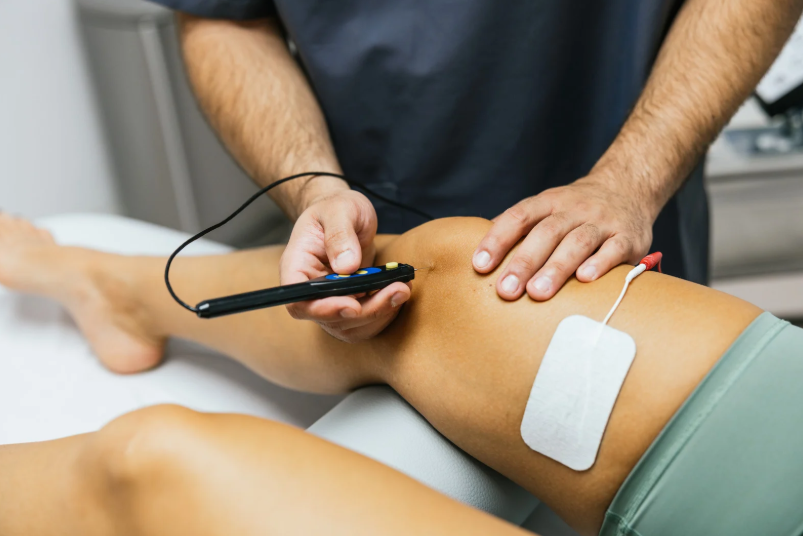
Severe knee pain can affect walking, climbing stairs, working, sleeping, exercising, and many ordinary activities. When medication, physical therapy, activity changes, injections, or other conservative treatments no longer provide enough relief, knee replacement surgery may become an option.
Knee replacement has helped many patients reduce pain and improve mobility. Still, surgery carries possible drawbacks that deserve careful consideration. Learning about the disadvantages of knee replacement surgery can help patients develop realistic expectations and ask better questions before deciding whether an operation matches their needs.
Possible concerns range from temporary pain and lengthy rehabilitation to infection, blood clots, stiffness, implant wear, and the possibility of another operation later. Most patients do not experience serious complications, according to NHS guidance, but individual risk differs according to age, general health, medical history, and other factors.
A detailed orthopedic assessment remains essential because knee replacement may offer considerable benefits for one patient while another person could benefit from different treatment choices.
What Are the Disadvantages of Knee Replacement Surgery?
The disadvantages of knee replacement surgery generally fall under several categories: surgical risks, recovery demands, possible ongoing symptoms, activity limitations, implant-related problems, and potential future procedures.
Total knee replacement involves removing damaged cartilage and bone surfaces before artificial components are positioned to recreate joint surfaces. Although knee replacement has a strong record for reducing severe arthritic pain, no surgical procedure guarantees a perfect result.
AAOS states that serious complications such as joint infection occur among fewer than 2% of patients undergoing total knee replacement. Medical complications such as heart attack or stroke occur even less frequently. Blood clots, stiffness, persistent pain, nerve problems, and implant-related concerns remain possible.
Understanding these possibilities does not mean patients should automatically avoid surgery. Rather, awareness allows someone to compare expected benefits against possible disadvantages based on personal circumstances.
Knee Replacement Is Major Surgery
One of the basic disadvantages of knee replacement surgery is the scale of the procedure itself. Knee replacement requires anesthesia, removal of damaged joint surfaces, placement of artificial components, wound care, pain control, and structured rehabilitation.
Unlike minor procedures that may allow a rapid return to regular activities, knee replacement requires meaningful recovery time. Patients often need walking aids during early recovery, followed by gradual progression toward independent movement.
Daily activities may require temporary modification. Driving, household work, employment duties, shopping, exercise, and recreational activities may all require adjustments.
Recovery also varies considerably. Two patients having similar procedures may progress at different rates because healing depends on factors such as physical condition, age, muscle strength, medical conditions, home support, and rehabilitation progress.
NHS guidance notes that patients commonly receive exercises from a physiotherapist or occupational therapist before leaving hospital, with early exercises supporting long-term knee strength and movement.
Pain and Swelling During Early Recovery
Surgery aims to reduce chronic joint pain, yet postoperative discomfort is expected during early healing.
Pain, swelling, bruising, tenderness, and stiffness may occur after surgery. Medication may be prescribed to manage discomfort while healing progresses. Physical therapy exercises may also feel challenging, particularly during early rehabilitation.
For patients expecting immediate comfort after an operation, this temporary discomfort can be among the more frustrating disadvantages of knee replacement surgery.
Swelling may continue for a considerable period as tissues heal. Progress usually happens gradually rather than overnight.
Patients should follow their surgeon’s instructions about pain management, wound care, exercises, activity, and follow-up appointments. Sudden worsening pain, unusual swelling, fever, wound drainage, or other concerning symptoms should receive prompt medical assessment.
Persistent Pain Can Still Occur
Many patients choose knee replacement because chronic knee pain has become difficult to manage. Most experience meaningful pain relief after surgery, but some continue having discomfort.
Persistent pain represents another of the disadvantages of knee replacement surgery that should be discussed before treatment.
Possible reasons may include joint stiffness, soft-tissue problems, implant-related concerns, nerve sensitivity, infection, instability, or pain coming from another source.
Persistent symptoms require proper evaluation rather than assumptions about implant failure. An orthopedic specialist may assess the knee through physical examination, imaging, laboratory testing, or other diagnostic methods according to the symptoms.
AAOS recognizes continued pain as a possible complication while noting that most patients experience excellent pain relief following total knee replacement.
Risk of Infection After Knee Replacement
Surgical infection is one of the more serious disadvantages of knee replacement surgery.
An infection may affect the skin and surgical wound or reach deeper tissues surrounding the artificial joint. Minor wound infections may sometimes respond to treatment, while deeper joint infections can become more difficult to manage.
Treatment may involve antibiotics, additional procedures, or surgery involving artificial joint components depending on severity.
AAOS reports that serious knee joint infection occurs among fewer than 2% of total knee replacement patients. Although that percentage is relatively low, infection deserves attention because an artificial joint creates added treatment considerations when deep infection develops.
Patients should follow wound-care instructions closely and seek medical advice if they experience concerning symptoms such as worsening redness, drainage, increasing pain, or fever.
Blood Clots and Deep Vein Thrombosis
Blood clot formation represents another recognized risk associated with knee replacement.
Deep vein thrombosis, often called DVT, occurs when a clot develops within a deep vein, commonly affecting the leg. Surgery and reduced mobility can contribute to clot formation.
A clot becomes especially dangerous if part of it travels toward the lungs, causing a pulmonary embolism.
AAOS lists warning signs that can include increasing calf pain, tenderness or redness around the leg, and new or increasing swelling of the calf, ankle, or foot. Sudden shortness of breath or sudden chest pain may indicate a pulmonary embolism and requires urgent medical attention.
Doctors may recommend early movement, medication designed to reduce clot risk, compression devices, or other preventive measures according to individual circumstances.
Knee Stiffness and Limited Movement
Restoring comfortable movement is a major goal of knee replacement. Still, some patients experience stiffness or difficulty reaching their desired range of motion.
This possibility should form part of any discussion about the disadvantages of knee replacement surgery.
Several factors can affect postoperative movement, such as swelling, scar tissue, preoperative stiffness, muscle weakness, pain, and healing response.
Physical therapy generally plays an important role after surgery. Exercises may focus on knee bending, straightening, muscle strength, balance, and walking.
Some patients may still experience limited movement despite rehabilitation. Severe persistent stiffness may require added medical evaluation or another procedure.
Setting realistic goals before surgery can help patients understand what knee replacement can and cannot reasonably achieve.
Nerve or Blood Vessel Injury
Nerves and blood vessels travel close to structures affected during knee surgery. Damage to these structures is uncommon but possible.
AAOS lists nerve or blood vessel injury among complications associated with knee replacement surgery.
Nerve irritation or injury could lead to numbness, weakness, tingling, or changes to sensation around the knee, leg, or foot. Blood vessel problems could affect circulation.
Severity varies considerably. Some symptoms may improve during recovery, while more serious injuries could require added care.
Patients experiencing unusual weakness, severe numbness, major color changes, or circulation concerns after surgery should contact their medical team promptly.
A Replaced Knee May Feel Different From a Natural Knee
Artificial joints are designed to restore useful movement and reduce pain, but they cannot perfectly reproduce every feature of a healthy natural knee.
That difference may become noticeable while kneeling, bending deeply, climbing stairs, exercising, or performing certain physical tasks.
Some people become very comfortable with their knee replacement, while others remain aware that the joint feels different.
Expectations therefore matter greatly when discussing the disadvantages of knee replacement surgery. Success should not always be measured by whether a patient forgets that an artificial joint exists. Reduced pain, safer walking, improved daily function, better sleep, and greater independence may represent more realistic measures.
Rehabilitation Requires Commitment
Knee replacement recovery does not stop when a patient leaves the hospital.
Rehabilitation can require weeks or months of regular effort. Exercises may need to be completed at home alongside scheduled physical therapy appointments.
Early exercises commonly focus on walking safely, restoring knee movement, building muscle strength, and preventing excessive stiffness. NHS guidance states that home exercise programs support long-term strength and movement after knee replacement.
This commitment can become one of the practical disadvantages of knee replacement surgery, especially for people with demanding jobs, limited transportation, caregiving duties, or restricted support at home.
Patients may temporarily need help with meals, shopping, household tasks, transportation, or personal activities.
Planning for these needs before surgery can make early recovery easier to manage.
Some Activities May Need Modification
Many patients return to active lifestyles after knee replacement, but artificial joints are generally better suited to lower-impact activities than repeated high-impact loading.
Running, jogging, jumping, or demanding contact sports may place greater stress on artificial components.
Current NHS hospital guidance advises avoiding high-impact activities such as running or jogging after knee replacement while noting that activities such as cycling, swimming, and golf are commonly recommended.
For someone whose lifestyle centers around high-impact sports, this can rank among the more significant disadvantages of knee replacement surgery.
Activity recommendations should always be discussed with the treating orthopedic surgeon because suitable exercise depends on age, implant status, strength, recovery progress, overall health, and previous activity level.
Knee Implants Do Not Last Forever
Modern artificial knee components are designed for durability, but they remain mechanical devices subject to wear.
Over time, components may loosen, wear, become unstable, or experience other mechanical concerns. Implant lifespan varies from patient to patient.
Age matters because younger patients may live long enough to require another procedure later. Activity level, body weight, implant positioning, bone quality, health status, and other factors may also affect long-term performance.
The possibility of implant wear represents one of the long-term disadvantages of knee replacement surgery, especially when surgery occurs at a relatively young age.
Patients considering knee replacement should discuss expected implant longevity and long-term activity recommendations with their surgeon.
Revision Knee Replacement May Become Necessary
When an artificial joint develops major problems, revision knee replacement may be considered.
Possible reasons for revision can include infection, implant loosening, wear, instability, fracture around the implant, stiffness, or mechanical failure.
Revision procedures can be more complex than a first knee replacement because existing components may need removal. Bone loss, scar tissue, or structural changes may also affect surgical planning.
Another operation means another recovery period and another exposure to surgical risks.
For younger patients or people expected to place substantial demands on an artificial joint, the possibility of revision surgery should be considered when discussing the disadvantages of knee replacement surgery.
Some Functional Limitations May Remain
A successful knee replacement can improve daily mobility significantly, but surgery does not guarantee unlimited function.
Some patients may continue having difficulty with kneeling, deep squatting, repetitive stairs, demanding physical work, or high-impact sports.
Muscle weakness or other joint problems may also influence overall movement despite a technically successful knee replacement.
Patients should discuss their personal goals before surgery. Someone hoping to walk comfortably around the neighborhood may have very different expectations from someone hoping to return to competitive running or physically demanding employment.
Clear goals help an orthopedic specialist assess whether expected results match the patient’s priorities.
Health Conditions Can Affect Surgical Risk
Complication risk is not identical for every patient.
NHS guidance states that age and general health affect the chance of complications following knee replacement.
Before surgery, doctors commonly review medical history, medications, previous procedures, allergies, cardiovascular health, diabetes, body weight, smoking history, circulation, previous infections, and other relevant health concerns.
Certain patients may require added tests or medical clearance before surgery.
This explains why lists describing the disadvantages of knee replacement surgery cannot determine an individual patient’s personal risk. A risk that is very small for one person could deserve greater attention for someone with specific medical conditions.
Recovery Can Affect Work and Daily Responsibilities
The practical effects of surgery are easy to underestimate.
Patients may need time away from work, especially when employment requires standing, walking, lifting, climbing, driving, or other physical tasks.
Transportation may also become difficult during early recovery. Household responsibilities may require temporary assistance. Patients living alone may need added planning before surgery.
AAHKS notes that social support and physical barriers at home deserve consideration when selecting patients for same-day discharge after joint replacement.
These practical concerns rarely receive as much attention as infection or blood clots, yet they can affect the overall recovery experience.
Do the Disadvantages of Knee Replacement Surgery Outweigh the Benefits?
Not necessarily.
The disadvantages of knee replacement surgery should be weighed against the problems caused by severe knee disease.
Advanced arthritis can cause persistent pain, stiffness, reduced walking ability, sleep disruption, difficulty working, limited exercise, and loss of independence. For patients whose symptoms remain severe despite appropriate conservative treatment, knee replacement may provide substantial relief.
AAOS describes total knee replacement as one of the most successful procedures across medicine, with most patients experiencing major pain reduction and improved ability to perform everyday activities.
The appropriate question is therefore not simply whether knee replacement has disadvantages. Almost every major treatment carries trade-offs.
A better question is whether expected benefits justify those risks for a particular patient.
When Should Knee Replacement Be Considered?
Knee replacement may be discussed when severe joint damage creates substantial pain or disability and non-surgical treatment no longer provides acceptable relief.
Possible reasons for an orthopedic assessment include:
- Persistent knee pain affecting everyday activities
- Difficulty walking or climbing stairs
- Major stiffness
- Pain while resting
- Reduced independence
- Progressive joint damage
- Symptoms that continue despite appropriate conservative treatment
- Difficulty completing work or household responsibilities
NHS guidance describes knee replacement as surgery intended to replace damaged knee joint parts and improve pain and movement.
Surgery should still follow a thorough evaluation rather than relying only on symptom severity.
Can Knee Replacement Be Delayed or Avoided?
Some patients may have non-surgical choices available before knee replacement becomes necessary.
Possible approaches can include physical therapy, strengthening exercises, activity modification, weight management, medication, physician-directed injections, or supportive devices.
Suitable treatment depends on the cause and severity of knee pain.
Certain patients may also qualify for procedures other than total knee replacement when damage affects only part of the knee or when another structural problem requires treatment.
Patients concerned about the disadvantages of knee replacement surgery should ask an orthopedic specialist whether reasonable alternatives remain available.
Delaying surgery is not automatically the best option either. Severe joint disease can continue limiting mobility and quality of life. Treatment decisions should account for symptoms, imaging, previous treatments, overall health, lifestyle, and personal priorities.
Why a Detailed Orthopedic Assessment Matters
An orthopedic evaluation helps determine whether symptoms actually require joint replacement and whether a patient has medical or structural factors that could affect the result.
Assessment may involve discussing pain patterns, mobility limitations, previous treatments, medical history, work demands, activity goals, and expectations. Physical examination and diagnostic imaging may also help clarify the condition of the knee.
This process gives patients an opportunity to discuss the disadvantages of knee replacement surgery according to their own health rather than relying only on general online information.
Questions about recovery time, implant choice, rehabilitation, possible complications, activity restrictions, and alternatives should all be discussed before surgery.
Knee Replacement Assessment With TEC Orthopedics
TEC Orthopedics provides orthopedic care for patients dealing with knee pain, mobility limitations, joint conditions, and other musculoskeletal concerns.
Dr. Mervyn Tec is a board-certified orthopedic surgeon whose training includes focused experience related to hip and knee care through Queensland Hips and Knees under Dr. Gamboa. His orthopedic background also includes Hand and Microsurgery training at Nagato, Yamaguchi under Dr. Muramatsu.
TEC Orthopedics focuses on helping patients understand their condition, available treatment choices, and realistic recovery expectations.
Patients concerned about the disadvantages of knee replacement surgery can benefit from discussing both surgical and non-surgical options before making a decision. The goal should be selecting care based on clinical findings, pain severity, functional limitations, personal goals, and overall health rather than choosing surgery simply because knee pain has persisted.
A professional assessment can also help determine whether total knee replacement, another procedure, or conservative treatment deserves consideration.
Questions to Ask Before Knee Replacement Surgery
Patients considering surgery may want to discuss questions such as:
- What is causing my knee pain?
- How severe is my joint damage?
- Have reasonable non-surgical treatments already been tried?
- Which disadvantages of knee replacement surgery matter most for my health?
- What complications should I watch for?
- What level of pain relief can I reasonably expect?
- How much movement might return?
- How long could rehabilitation last?
- When could I return to work?
- Which activities may require modification?
- How long could my knee implant last?
- What could cause implant failure?
- What are the chances that revision surgery may eventually be needed?
- Are there alternatives worth considering before total knee replacement?
Clear answers can make treatment decisions easier and help patients prepare for recovery.
Frequently Asked Questions About the Disadvantages of Knee Replacement Surgery
What is the biggest disadvantage of knee replacement surgery?
No single drawback applies equally to everyone. Major considerations include surgical risks, rehabilitation demands, temporary pain, possible stiffness, infection, blood clots, activity changes, implant wear, and possible revision surgery. Personal health and lifestyle affect how important each concern becomes.
Can knee replacement surgery make pain worse?
Pain and swelling are expected during early healing. Most patients receive substantial pain relief after recovery, according to AAOS. Persistent or worsening pain can occur and should receive orthopedic assessment.
What are the most serious knee replacement complications?
Serious complications can include deep infection, blood clots that may lead to pulmonary embolism, nerve or blood vessel damage, and major medical complications. Serious problems are uncommon overall, but every patient should discuss personal risk with their surgeon.
Can a knee replacement fail?
Yes. Artificial components may eventually loosen, wear, become unstable, become infected, or develop another mechanical problem. Certain situations may require revision knee replacement.
How long does knee replacement recovery take?
Recovery differs for every patient. Early mobility usually begins soon after surgery, while improvements to strength, movement, comfort, and confidence continue over subsequent weeks and months. NHS guidance emphasizes regular exercises after discharge to support long-term knee movement and strength.
Will a replaced knee feel completely natural?
Not always. Some patients remain aware of their artificial knee during kneeling, deep bending, stairs, or certain activities. Success is often measured through pain reduction and improved daily function rather than whether the knee feels identical to a healthy natural joint.
Can I exercise after knee replacement?
Yes, physical activity is usually an important part of rehabilitation. Lower-impact activities are generally preferred over repeated high-impact exercise after recovery. Activity choices should be discussed with an orthopedic surgeon or physical therapist.
Is knee replacement worth the risks?
That depends on the individual patient. Someone with severe pain, advanced joint damage, reduced mobility, and limited response to conservative treatment may decide that potential benefits justify the disadvantages of knee replacement surgery. Another patient with manageable symptoms may have reason to continue non-surgical care.
Who should consult an orthopedic surgeon about knee replacement?
Anyone experiencing persistent knee pain, worsening stiffness, mobility problems, difficulty completing ordinary activities, or symptoms that continue despite conservative care may benefit from orthopedic assessment.