
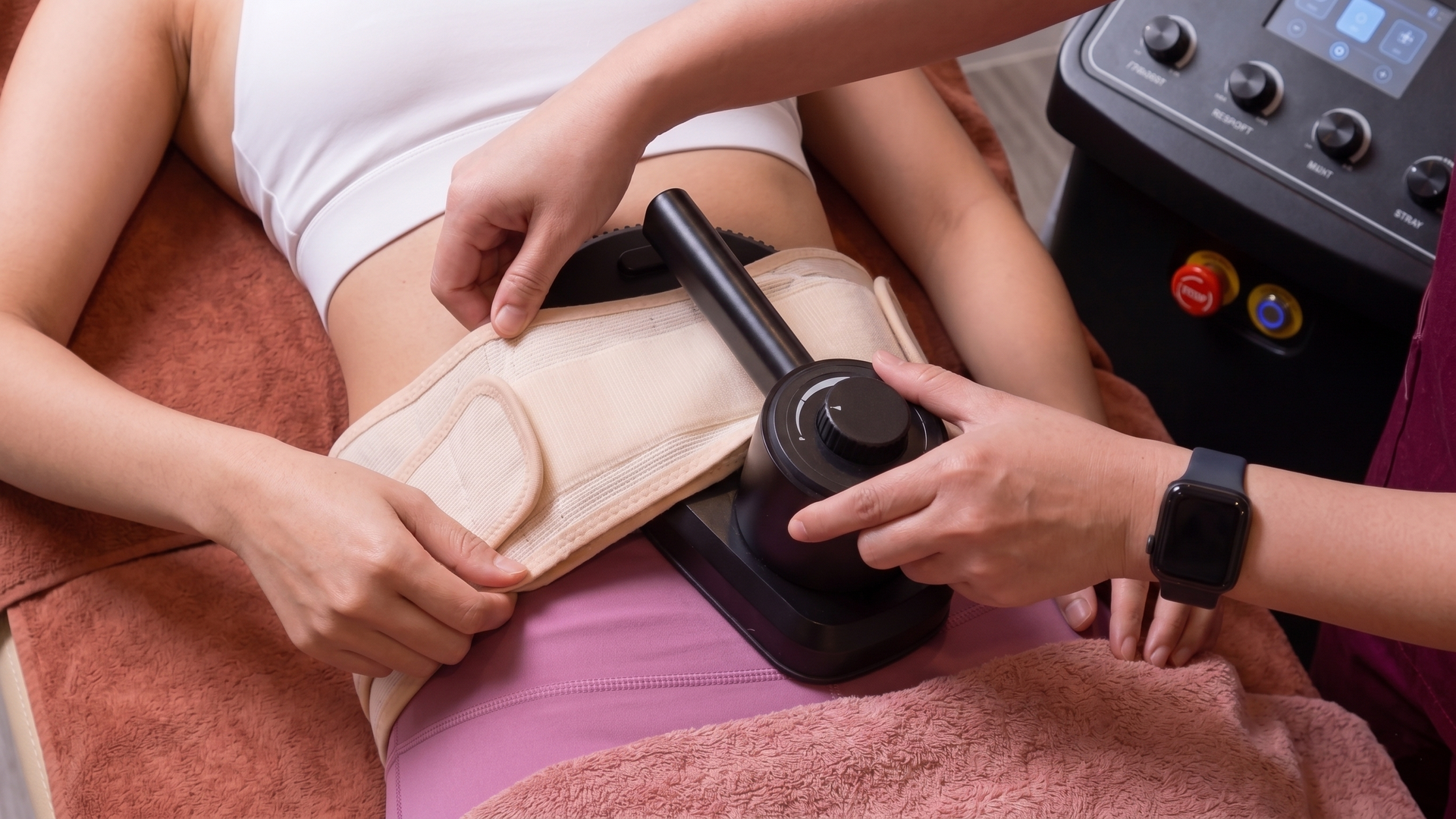
Many people experience changes to their abdominal muscles after pregnancy, significant weight changes, or repeated strain on the body. One common condition connected to these changes is diastasis recti, which occurs when the abdominal muscles separate and the connective tissue between them becomes stretched.
This condition may affect more than appearance. Diastasis recti can contribute to core weakness, poor posture, lower back discomfort, pelvic instability, and difficulty returning to physical activities. Finding the right approach can help restore strength, improve movement, and support long-term wellness.
At Osteopractic Physical Therapy of Central Indiana (OPTCI) in Fishers, IN, specialized diastasis recti treatments focus on identifying the cause of movement limitations and creating a personalized plan based on each person’s needs. Through physical therapy, targeted exercises, and movement education, patients can work toward stronger core function without relying on unnecessary medications, injections, or surgery.
What Is Diastasis Recti?
Diastasis recti is a condition where the left and right sides of the rectus abdominis muscles move apart due to stretching and weakening of the connective tissue called the linea alba.
The abdominal muscles play an important role in supporting the spine, maintaining posture, and controlling movement. When these muscles cannot work together properly, other areas of the body may compensate, which can lead to discomfort and reduced physical performance.
Although diastasis recti is commonly associated with pregnancy, it can affect anyone. Increased abdominal pressure, improper exercise techniques, heavy lifting, and rapid changes in body weight may also contribute to abdominal separation.
Proper diastasis recti treatments focus on restoring coordination between the core muscles rather than only addressing visible changes.
Common Signs You May Need Diastasis Recti Treatments
Some people notice abdominal separation immediately after pregnancy, while others experience symptoms months or years later. The condition can present differently depending on each person’s lifestyle, activity level, and overall health.
Common signs include:
- A noticeable bulge or doming along the middle of the abdomen
- A persistent “pooch” appearance around the stomach area
- Weakness during exercise or daily activities
- Difficulty activating core muscles
- Lower back discomfort
- Pelvic discomfort
- Poor posture
- Reduced stability during movement
- Difficulty lifting objects
- Feeling less confident during physical activity
Many people assume these symptoms are simply part of aging or postpartum changes. However, targeted diastasis recti treatments can help address underlying muscle weakness and improve how the body functions.
What Causes Diastasis Recti?
Several factors may contribute to abdominal muscle separation. Understanding the cause can help physical therapists create more effective treatment plans.
Pregnancy
During pregnancy, the growing uterus places increased pressure on the abdominal wall. The connective tissue between the abdominal muscles naturally stretches to make room for the baby.
For some individuals, the tissue returns to normal after delivery. Others may experience ongoing separation that affects strength and movement.
Multiple Pregnancies
Repeated pregnancies can place additional stress on the abdominal wall. Without proper rehabilitation, some individuals may continue experiencing core weakness.
Improper Exercise Techniques
Certain exercises may increase pressure on the abdominal wall when performed without proper core control. Exercises that cause abdominal doming or excessive strain may slow recovery.
Heavy Lifting
Repeated lifting without proper breathing techniques or core activation can place stress on weakened abdominal tissues.
Significant Weight Changes
Rapid weight gain or loss may affect abdominal tissues and muscle function.
Reduced Core Coordination
Sometimes the issue is not only muscle separation but also how the deep core muscles work together. Effective diastasis recti treatments address strength, coordination, breathing, and movement patterns.
Why Diastasis Recti Treatments Matter
Ignoring diastasis recti may affect daily comfort and physical performance. A weakened core can change how the body moves, causing other muscles and joints to work harder.
Potential challenges may include:
- Ongoing back discomfort
- Reduced exercise ability
- Difficulty returning to fitness routines
- Poor movement control
- Pelvic floor concerns
- Increased strain during everyday activities
Professional diastasis recti treatments can help improve core function by focusing on the body as a connected system. Rather than only treating the abdominal area, physical therapists evaluate how posture, breathing, strength, and movement patterns affect recovery.
How Physical Therapy Helps With Diastasis Recti Treatments
Physical therapy provides a structured approach for improving abdominal strength and restoring proper movement.
At OPTCI, therapists begin with a detailed evaluation to understand each patient’s condition, goals, and challenges. This allows the team to create customized diastasis recti treatments designed around the individual.
Comprehensive Movement Assessment
A thorough assessment helps identify factors contributing to symptoms.
The evaluation may include:
- Core muscle function
- Posture analysis
- Breathing patterns
- Pelvic and hip movement
- Strength testing
- Functional movement assessment
Understanding the source of weakness helps therapists create a focused plan rather than using a one-size-fits-all approach.
Personalized Core Strengthening Program
One of the most important parts of diastasis recti treatments is rebuilding core strength safely.
A physical therapist may introduce exercises that focus on:
- Deep abdominal muscle activation
- Improved core coordination
- Better trunk stability
- Functional strength
- Safe progression back to exercise
The goal is not simply to strengthen the stomach muscles but to teach them how to work together during daily movements.
Breathing and Pressure Management Training
Breathing plays an important role in core function. Poor breathing patterns can increase pressure on the abdominal wall and affect muscle coordination.
Physical therapy may include breathing techniques that help patients:
- Improve diaphragm movement
- Coordinate abdominal muscles
- Manage pressure during activity
- Support better movement control
These techniques are valuable parts of effective diastasis recti treatments.
Manual Therapy Techniques
Some patients may benefit from hands-on therapy designed to improve mobility and reduce muscle restrictions.
Manual therapy may help address:
- Muscle tension
- Movement limitations
- Soft tissue restrictions
- Areas contributing to discomfort
When combined with corrective exercises, manual therapy may support better movement quality.
Posture and Movement Training
Posture affects how the core muscles function. Poor alignment may place additional stress on the abdominal wall and surrounding areas.
Physical therapists can help patients improve:
- Standing posture
- Sitting positions
- Walking mechanics
- Lifting techniques
- Exercise form
These improvements support long-term success with diastasis recti treatments.
Exercises That May Support Diastasis Recti Recovery
Exercise selection depends on the severity of abdominal separation and each person’s movement abilities. A physical therapist can recommend appropriate exercises based on individual needs.
Common exercises used during recovery may include:
Diaphragmatic Breathing
This exercise encourages proper breathing mechanics and helps coordinate the deep core muscles.
Pelvic Tilts
Pelvic tilts may help improve awareness and control of the abdominal region.
Heel Slides
Heel slides encourage controlled core activation while maintaining proper alignment.
Modified Bridges
Bridges may help strengthen the hips and core while supporting better stability.
Bird Dog Exercises
Bird dog movements challenge core control while improving coordination.
Progressive Core Exercises
As strength improves, therapists may gradually introduce more challenging movements to help patients return to exercise, sports, and daily activities.
Exercises to Avoid During Early Recovery
Some movements may place excessive stress on the abdominal wall if performed before proper core control is restored.
Examples may include:
- Traditional crunches
- Sit-ups
- Advanced planks too early in recovery
- Double leg raises
- Exercises that cause abdominal bulging
- Heavy lifting without proper technique
A qualified therapist can help determine when and how to safely progress exercises during diastasis recti treatments.
Can Diastasis Recti Improve Without Surgery?
Many people can improve abdominal strength and function through conservative care. Physical therapy focuses on improving muscle coordination, reducing symptoms, and restoring confidence with movement.
The results of diastasis recti treatments depend on several factors, including:
- Severity of separation
- Consistency with exercises
- Overall health
- Activity level
- Individual recovery goals
Surgery may be considered for certain severe cases, but many individuals benefit from a structured physical therapy program first.
Why Choose OPTCI for Diastasis Recti Treatments?
Osteopractic Physical Therapy of Central Indiana provides patient-focused care designed to help individuals regain strength and improve movement.
The OPTCI team focuses on:
Finding the Source of Your Symptoms
Rather than only addressing discomfort, therapists evaluate movement patterns and physical limitations that may contribute to your condition.
Creating a Personalized Treatment Plan
Every patient has different goals and challenges. Treatment plans are designed around your lifestyle, health history, and desired outcomes.
Supporting Long-Term Results
The goal of diastasis recti treatments is not only improving current symptoms but also helping patients maintain better movement, strength, and confidence.
Whether you want to return to exercise, improve daily function, or feel stronger after pregnancy, OPTCI provides guidance throughout your recovery journey.
Take the Next Step Toward Stronger Core Function
Diastasis recti does not have to limit your daily activities, fitness goals, or confidence. With the right approach, many individuals can improve strength, movement, and overall physical function.
At Osteopractic Physical Therapy of Central Indiana, personalized diastasis recti treatments are designed to address your unique needs and help you move with greater confidence. A professional evaluation can provide clarity about your condition and create a path toward lasting improvement.
Frequently Asked Questions About Diastasis Recti Treatments
Can physical therapy fix diastasis recti?
Physical therapy can help many individuals improve core strength, movement control, and symptoms associated with diastasis recti. Results depend on each person’s condition and commitment to their treatment plan.
How long do diastasis recti treatments take?
Recovery time varies based on the severity of abdominal separation, overall health, and consistency with exercises. A physical therapist can provide a more accurate timeline after evaluation.
Can diastasis recti happen years after pregnancy?
Yes. Some people notice symptoms long after childbirth because muscle weakness and movement changes may continue over time.
Are diastasis recti treatments only for women?
No. Although pregnancy is a common cause, men and women can both develop diastasis recti due to abdominal strain, weight changes, or other factors.
Should I stop exercising if I have diastasis recti?
Not necessarily. The right exercises can support recovery, but certain movements may need modification. A physical therapist can recommend safe exercises based on your condition.
Can weight loss fix diastasis recti?
Weight loss may improve overall health but does not always correct muscle separation. Specific diastasis recti treatments focus on restoring core function and coordination.
When should I see a physical therapist?
Consider scheduling an evaluation if you experience abdominal weakness, persistent discomfort, difficulty exercising, or concerns about core function.