Clearer sight can change how a person reads, works, moves around, recognizes faces, and enjoys daily life. When cataracts begin to blur vision, even simple tasks can feel tiring. Many patients also worry about what happens after surgery, especially when they hear that several eye drops may be needed for recovery. For this reason, more people are asking about Dropless cataract surgery in Naga and whether it may give them a simpler path after cataract treatment.
Dropless cataract surgery in Naga refers to a cataract care approach that may reduce the need for several postoperative eye drops. Traditional cataract care often requires antibiotic and anti-inflammatory drops after surgery. A dropless approach may allow selected patients to recover with fewer drop-related steps because medication may be placed by the surgeon during or near the procedure.
Lee Tan Eye Center provides trusted eye care for patients from Naga and nearby Bicol communities. Led by Dr. Lee Tan, a board-certified ophthalmologist and experienced eye surgeon with glaucoma fellowship training from the University of the Philippines–Philippine General Hospital, the clinic focuses on careful screening, prevention, and patient-centered treatment planning. For patients asking about Dropless cataract surgery in Naga, the first step is always a complete eye evaluation to confirm whether this option matches their eye health, lifestyle, and recovery needs.
Why Patients Ask About Dropless Cataract Surgery in Naga
Many patients want cataract surgery that feels clear, manageable, and less stressful. Cataract surgery itself is commonly performed as an outpatient procedure, but recovery can still feel difficult for patients who are nervous about eye drops, have hand tremors, live alone, care for other family members, or already take many medications.
Dropless cataract surgery in Naga may appeal to patients who want a simpler recovery plan. Instead of worrying about several bottles, different drop times, missed doses, or confusing instructions, qualified patients may be able to follow a reduced drop routine. This can be especially helpful for elderly patients and caregivers who manage daily health needs.
Still, dropless does not mean careless. Dropless cataract surgery in Naga still requires proper screening, surgeon judgment, and follow-up visits. The goal is not only convenience. The goal is safe healing, clear vision, and careful control of swelling, infection risk, and eye pressure.
What Cataracts Are and How They Affect Vision
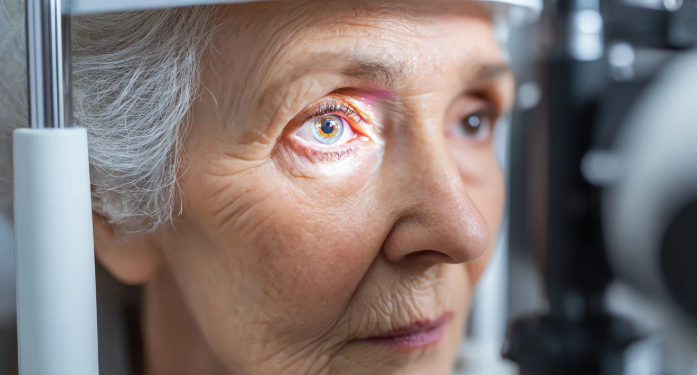
A cataract forms when the natural lens of the eye becomes cloudy. This cloudy lens can block or scatter light, making vision blurry, dull, or hazy. Cataracts often develop slowly, so some patients may not notice the changes right away. Over time, they may begin to struggle with reading, night driving, glare, sunlight, colors, or fine detail.
Common cataract symptoms may be blurry vision, cloudy vision, poor night vision, glare from headlights, faded colors, double vision from one eye, and frequent eyeglass changes. Some patients describe their vision as looking through fogged glass. Others feel that brighter light is needed for reading or sewing.
Dropless cataract surgery in Naga may be discussed when cataracts already affect daily activities and surgery becomes the recommended treatment. Eye drops cannot remove a cataract. Once cataracts significantly affect vision, surgery remains the usual treatment because the cloudy natural lens must be removed and replaced with an artificial lens.
What Makes Dropless Cataract Surgery Different
Traditional cataract surgery usually comes with eye drops after surgery. These drops may help reduce infection risk, manage swelling, and support healing. Patients may need to use drops several times each day for days or weeks, depending on their case.
Dropless cataract surgery in Naga may reduce this medication burden for selected patients. During or near surgery, medication may be delivered by the surgeon so the patient may need fewer drops afterward. The exact method depends on the surgeon’s assessment, available medication options, and patient-specific eye health factors.
This approach can help address one common challenge: many patients do not use eye drops correctly. Some miss the eye, touch the bottle tip to the lashes, forget doses, apply drops too closely together, or stop too early. Dropless cataract surgery in Naga may reduce these concerns for the right patient, but it should never replace proper medical guidance.
Who May Benefit from Dropless Cataract Surgery in Naga
Dropless cataract surgery in Naga may be worth asking about for patients who have difficulty following a multi-drop routine. Elderly patients may find several bottles hard to manage. Patients with arthritis or hand tremors may struggle to place drops accurately. Patients with memory problems may forget doses. Family caregivers may also find postoperative care easier when fewer drops are required.
This option may also interest busy adults who want a simpler recovery plan after cataract surgery. Workers, business owners, parents, and caregivers often prefer clear instructions that are easy to follow. A reduced drop routine may make recovery feel less overwhelming.
Still, only an ophthalmologist can decide whether dropless care is safe for a specific patient. A complete eye exam is needed before recommending Dropless cataract surgery in Naga. The doctor must check the cataract, cornea, retina, optic nerve, eye pressure, medical history, and other risk factors before deciding on the best approach.
Who May Need a Different Cataract Surgery Plan
Dropless cataract surgery in Naga is not automatically suitable for everyone. Some patients may need a more traditional drop-based recovery plan. Others may still need extra drops even after a reduced-drop approach.
Patients with glaucoma need careful eye pressure monitoring. Since Dr. Lee Tan has advanced fellowship training in glaucoma, patients with cataracts and glaucoma concerns can benefit from careful risk review before any treatment plan is chosen. Eye pressure changes after surgery must be watched closely, especially for patients already diagnosed with glaucoma or suspected glaucoma.
Patients with diabetes, retinal disease, previous eye inflammation, allergy history, complex cataracts, corneal problems, or past eye surgery may also need a special plan. Some eyes require closer swelling control or more frequent monitoring. For these patients, the safest choice may involve standard drops, extra drops, or a modified recovery approach.
The best cataract plan is never based only on convenience. Dropless cataract surgery in Naga should be considered only when safety, healing, and vision goals support the choice.
What to Expect During a Cataract Evaluation
Before Dropless cataract surgery in Naga can be considered, the patient must undergo a cataract evaluation. This visit helps the ophthalmologist understand how much the cataract affects vision and whether other eye conditions may also be causing symptoms.
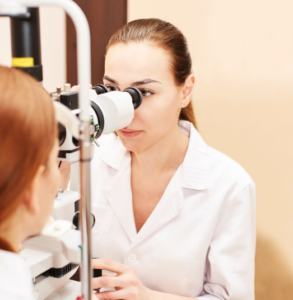
The evaluation may involve visual acuity testing, slit-lamp exam, eye pressure check, lens assessment, retina assessment, and eye measurements for the artificial lens. The doctor may also ask about daily visual problems, medical conditions, current medicines, allergies, past eye surgery, and family history of eye disease.
This step matters because blurred vision does not always come from cataracts alone. Glaucoma, diabetic eye disease, corneal problems, dry eye, or retinal disease may also affect sight. A careful exam helps patients avoid wrong assumptions and receive a treatment plan suited to their actual condition.
For patients asking about Dropless cataract surgery in Naga, this consultation is also the right time to ask about expected recovery, follow-up visits, lens choices, medication options, and warning signs after surgery.
How Cataract Surgery Works
Cataract surgery removes the cloudy natural lens and replaces it with an intraocular lens, often called an IOL. The goal is to help light focus more clearly inside the eye, which can improve vision after healing.
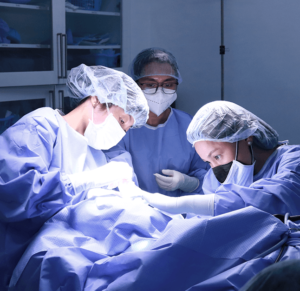
Before the procedure, the eye is usually numbed for comfort. The surgeon creates a small opening, removes the cloudy lens, and places the artificial lens. Cataract surgery is commonly performed as an outpatient procedure, meaning many patients return home the same day.
Dropless cataract surgery in Naga follows the same main goal: remove the cataract and support safer healing. The difference relates to how postoperative medication support may be delivered. Instead of relying only on several bottles of drops after surgery, the surgeon may use medication delivery methods that reduce the drop burden for suitable patients.
The exact plan should be explained clearly before surgery so patients know what to expect.
Recovery After Dropless Cataract Surgery in Naga
Recovery after cataract surgery varies from patient to patient. Some people notice clearer vision within days, while others need more time as the eye heals. Mild scratchiness, light sensitivity, watery eyes, or blurry vision may happen early after surgery.
Dropless cataract surgery in Naga may reduce the number of drops needed, but patients must still protect the eye. Rubbing the eye should be avoided. Strenuous activities may need to be limited for a short time. The patient may need to wear an eye shield or follow other safety steps recommended by the doctor.
Follow-up visits remain very important. Even with fewer drops, the ophthalmologist must check healing, vision, eye pressure, and any signs of swelling or infection. Patients should report severe pain, sudden vision loss, worsening redness, flashes, many new floaters, or discharge right away.
Dropless cataract surgery in Naga can make recovery easier for the right patient, but it still requires responsible aftercare.
Safety Points Patients Should Know
Dropless cataract surgery in Naga should never be viewed as a shortcut. It is a medical approach that requires proper patient selection. The doctor must decide whether the medication plan is safe for the eye.
Some patients may still need eye drops after surgery. Dropless does not always mean zero drops. A patient may receive fewer drops, shorter drop use, or added drops if healing requires extra support. The final plan depends on how the eye responds.
Patients should also understand that cataract surgery, like any surgery, has possible risks. These may involve infection, swelling, bleeding, eye pressure changes, glare, dry eye symptoms, lens position concerns, or retinal complications. Most patients heal well with proper care, but follow-up visits help detect problems early.
For patients considering Dropless cataract surgery in Naga, an honest discussion with an ophthalmologist helps set clear expectations before treatment.
Why Choose Lee Tan Eye Center for Cataract Care
Lee Tan Eye Center is a trusted eye care provider for patients from Naga and nearby areas. The clinic offers ophthalmological services such as comprehensive ophthalmology, cataract surgery, glaucoma care, and plastic, lacrimal, and orbit-related services.
Dr. Lee Tan is a board-certified ophthalmologist and experienced eye surgeon. His academic and clinical background includes a Psychology degree from the University of the Philippines, where he graduated cum laude, a Doctor of Medicine degree from the UP College of Medicine, ophthalmology residency training at UP–PGH, and advanced fellowship training in glaucoma from UP–PGH.
This background matters for cataract patients because many people do not have cataracts alone. Some patients may also have glaucoma, elevated eye pressure, optic nerve concerns, or other eye conditions. Dr. Tan’s glaucoma training supports a careful approach to cataract care, especially when medication choices and eye pressure monitoring are part of the treatment plan.
For patients asking about Dropless cataract surgery in Naga, Lee Tan Eye Center can provide a thoughtful assessment guided by prevention, screening, precision management, and patient-centered care.
Personalized Cataract Care Matters
No two eyes are exactly the same. Cataract severity, eye pressure, corneal health, retinal condition, age, medical history, and lifestyle all affect the treatment plan. This is why Dropless cataract surgery in Naga should never be chosen based only on online research or convenience.
A personalized cataract plan helps match the treatment to the patient’s visual needs and safety profile. For example, a patient who reads often may have different lens priorities from a patient who drives frequently at night. A patient with glaucoma may need closer pressure monitoring. A patient with diabetes may need closer retinal assessment.
Lee Tan Eye Center’s care philosophy focuses on patient-centered ophthalmologic care, prevention, early detection, and stepwise treatment. This supports better decision-making for cataract patients who want to understand their options clearly before moving forward.
Questions to Ask About Dropless Cataract Surgery in Naga
Patients who are curious about Dropless cataract surgery in Naga can prepare questions before their eye evaluation. Asking the right questions can reduce worry and help patients make confident choices.
Helpful questions may be:
Am I a good candidate for Dropless cataract surgery in Naga?
Will I still need any eye drops after surgery?
How will my eye pressure be checked after surgery?
Do I have glaucoma, diabetic eye disease, dry eye, or other eye issues that may affect my plan?
What artificial lens option suits my daily activities?
How soon can I return to reading, work, or normal routines?
What symptoms should prompt urgent medical attention?
How many follow-up visits will I need?
Clear answers help patients understand both the benefits and limits of dropless care.
Dropless Cataract Surgery in Naga and Better Patient Compliance
One reason patients ask about Dropless cataract surgery in Naga is compliance. Compliance means following the treatment plan correctly. After traditional cataract surgery, drop instructions can sometimes feel complicated. A patient may need different drops at different times, with different tapering steps.
Missed drops can affect healing. Too many drops can also irritate the eye or cause confusion. Some patients accidentally contaminate bottle tips or use drops from the wrong bottle. For elderly patients, these issues can be stressful.
A dropless or reduced-drop plan may help some patients follow postoperative care more easily. Less confusion can support a smoother recovery experience. Still, every patient must follow the doctor’s instructions exactly. Even fewer steps matter.
Dropless Cataract Surgery in Naga for Families and Caregivers
Cataract patients often rely on family members after surgery. A child may help a parent. A spouse may manage medicine reminders. A caregiver may assist with daily tasks, transport, and follow-up visits.
Dropless cataract surgery in Naga may reduce caregiver workload when the patient qualifies. Fewer drops may mean fewer reminders, less risk of missed doses, and less anxiety for everyone involved. This can be helpful for families who live apart or caregivers who manage more than one patient.
Still, caregiver support remains valuable. Patients may need help getting home after surgery, remembering follow-up visits, avoiding eye rubbing, and watching for warning signs. Good family support and good medical guidance work together for safer recovery.
Why Early Cataract Screening Matters
Cataracts often progress over time. Some patients wait until vision becomes very poor before seeking help. Delayed care can affect work, mobility, reading, cooking, driving, and personal safety.
Early screening allows the ophthalmologist to monitor cataract growth and decide when surgery becomes appropriate. It also gives patients more time to learn about lens options, recovery plans, and whether Dropless cataract surgery in Naga may be considered.
Screening also helps detect other eye diseases. Glaucoma can progress quietly, sometimes without pain or obvious early symptoms. Since Dr. Tan has glaucoma subspecialty training, patients who visit Lee Tan Eye Center can receive careful attention to both cataracts and eye pressure-related concerns.
Early detection supports better planning and may help preserve useful vision longer.
Choosing the Right Eye Doctor for Cataract Surgery
Choosing an eye doctor is an important decision. Patients should look for proper training, board certification, surgical experience, clear explanations, and a clinic that values follow-up care. Cataract surgery is not only about removing a cloudy lens. It also involves screening, lens planning, medication decisions, pressure checks, and recovery support.
Dropless cataract surgery in Naga should be discussed with an ophthalmologist who can explain the benefits, limits, and risks. Patients should feel comfortable asking questions and sharing concerns.
Lee Tan Eye Center offers cataract care guided by clinical training, prevention-focused care, and patient-centered planning. For patients from Naga and nearby Bicol communities, the clinic provides local access to eye care without the need to travel far for initial assessment.
Final Thoughts on Dropless Cataract Surgery in Naga
Dropless cataract surgery in Naga may offer a simpler recovery path for qualified cataract patients. By reducing the need for several postoperative drops, this approach may help patients and caregivers manage recovery with less confusion. It may be especially helpful for elderly patients, patients with hand difficulties, or patients who struggle with complicated medication routines.
Still, dropless cataract care is not right for everyone. Eye pressure concerns, glaucoma, diabetes, retinal disease, inflammation history, allergies, and other factors can affect the safest plan. A complete eye exam remains the first and most important step.
Lee Tan Eye Center can help patients understand cataracts, review treatment choices, and learn whether Dropless cataract surgery in Naga may fit their needs. With Dr. Lee Tan’s board certification, cataract surgery experience, glaucoma fellowship training, and commitment to preventive and personalized care, patients can receive guidance focused on preserving sight and supporting safer recovery.
FAQ About Dropless Cataract Surgery in Naga
Is dropless cataract surgery completely free from eye drops?
Not always. Dropless cataract surgery in Naga may reduce the number of drops needed after surgery, but some patients may still need drops depending on healing, eye pressure, swelling, dryness, or other eye conditions. Your ophthalmologist will provide the final medication plan.
Is Dropless cataract surgery in Naga safe?
Dropless cataract surgery in Naga may be safe for selected patients when planned by a qualified ophthalmologist. Safety depends on the patient’s eye health, medical history, medication needs, and follow-up care. A complete exam is needed before this approach can be considered.
Who may be a good candidate for Dropless cataract surgery in Naga?
Possible candidates may be cataract patients who struggle with multiple eye drops, elderly patients, patients with hand tremors, patients with memory challenges, or caregivers seeking a simpler recovery plan. Suitability must be confirmed by the ophthalmologist.
Can glaucoma patients choose Dropless cataract surgery in Naga?
Some glaucoma patients may need special caution because eye pressure must be watched carefully. Dr. Lee Tan’s glaucoma fellowship training supports careful evaluation for patients with cataracts and glaucoma concerns. The doctor will decide whether a dropless or traditional plan is safer.
How long does cataract surgery take?
Cataract surgery itself often takes a short time, but total clinic time may be longer because of preparation, observation, and discharge instructions. Your clinic team can explain what to expect on the day of surgery.
How soon can vision improve after cataract surgery?
Many patients notice clearer sight within days, but healing speed varies. Some patients need more time before vision becomes stable. Follow-up visits help confirm that healing is progressing well.
Does dropless cataract surgery cure cataracts without surgery?
No. Dropless cataract surgery in Naga does not mean cataracts are removed by eye drops. Cataract surgery removes the cloudy lens and replaces it with an artificial lens. The “dropless” part refers to reducing postoperative drop use for selected patients.
Why choose Lee Tan Eye Center for Dropless cataract surgery in Naga?
Lee Tan Eye Center provides cataract care led by Dr. Lee Tan, a board-certified ophthalmologist and eye surgeon with glaucoma fellowship training from UP–PGH. The clinic’s focus on screening, prevention, personalized care, and stepwise treatment planning supports patients who want safe and clear cataract guidance.
What should I ask before choosing Dropless cataract surgery in Naga?
Ask whether you are a candidate, whether any drops will still be needed, how your eye pressure will be monitored, what lens option suits your lifestyle, what risks apply to your case, and what warning signs require urgent care.
What is the best next step?
The best next step is a cataract evaluation at Lee Tan Eye Center. A complete eye exam can confirm whether cataracts are causing your blurred vision and whether Dropless cataract surgery in Naga may be suitable for your eyes.