Pressure sores are a serious health concern that can affect anyone with limited mobility, especially bedridden patients or those using wheelchairs for extended periods. They can cause significant pain, increase the risk of infections, and reduce overall quality of life. Understanding available pressure sore treatment options is essential for both patients and caregivers to manage these wounds effectively and promote healing. Kalingap Wound Care Clinic provides specialized care for pressure sore treatment, ensuring the best outcomes through professional and personalized support.
Understanding Pressure Sores
Pressure sores, also known as bedsores or pressure ulcers, are injuries to the skin and underlying tissue caused by prolonged pressure on the skin. They commonly develop over bony areas such as the heels, hips, and tailbone. Pressure sores are classified into stages to determine the severity and guide treatment. Stage 1 involves redness and irritation of the skin. Stage 2 is characterized by partial-thickness skin loss, often appearing as an open sore. Stage 3 indicates full-thickness tissue loss, and Stage 4 involves extensive tissue and muscle damage. Unstageable sores occur when the tissue is covered with slough or eschar, making depth assessment difficult. Factors such as immobility, age, chronic illnesses, poor nutrition, and incontinence increase the risk of developing pressure sores.
General Principles of Pressure Sore Treatment
Successful pressure sore treatment focuses on relieving pressure, managing pain, preventing infection, and promoting healing. Early detection and consistent care are key to preventing complications. Regular skin inspections, proper hygiene, and timely interventions significantly improve outcomes. Kalingap Wound Care Clinic emphasizes these principles, combining evidence-based techniques and modern wound care practices to provide comprehensive pressure sore treatment.
Pressure Sore Treatment Options
Non-Surgical Treatments
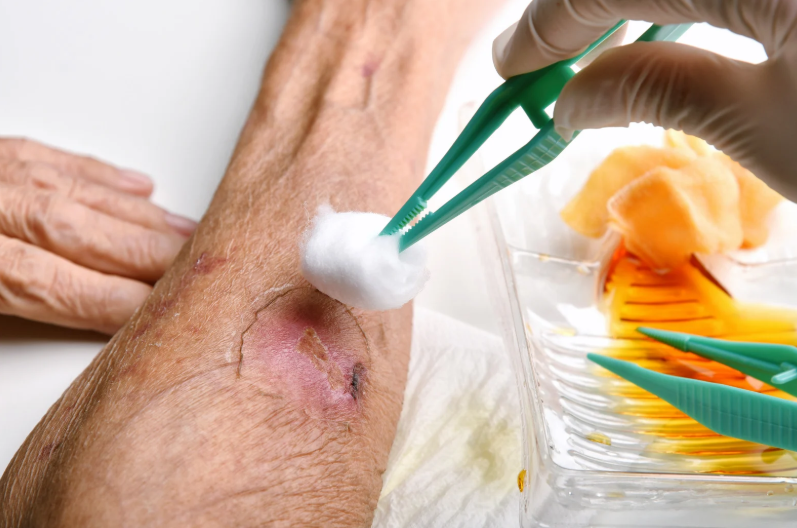
Non-surgical pressure sore treatment is often the first approach, particularly for early-stage sores. Pressure relief is essential and can be achieved using specialized cushions, mattresses, and repositioning schedules to reduce continuous stress on vulnerable areas. Wound care involves selecting the appropriate dressing, such as hydrocolloid, foam, alginate, or antimicrobial dressings, to protect the wound and facilitate healing. Topical treatments, including ointments and creams, can help reduce inflammation and promote tissue repair. Proper nutrition and hydration play a vital role in recovery, as adequate protein, vitamins, and fluids support tissue regeneration and overall health.
Advanced Therapies
Advanced pressure sore treatment methods are available for more complex or non-healing wounds. Negative pressure wound therapy (NPWT) uses controlled suction to remove fluid and stimulate blood flow, accelerating the healing process. Growth factors and skin substitutes can promote tissue regeneration and close chronic wounds. Physical therapy and mobility aids also contribute to improved circulation and prevention of future sores. Kalingap Wound Care Clinic specializes in these advanced therapies, offering patients access to cutting-edge techniques designed for optimal recovery.
Surgical Treatments
Surgical pressure sore treatment becomes necessary for non-healing Stage 3 or Stage 4 ulcers, or when extensive tissue damage occurs. Surgical options include debridement, which removes dead tissue, and reconstructive procedures like flap surgery or skin grafts to close deep wounds. Post-surgical care focuses on maintaining hygiene, preventing infection, and ensuring the patient follows a proper recovery regimen. Kalingap Wound Care Clinic provides expert surgical interventions when needed, combined with meticulous post-operative management for long-lasting results.
Home Care and Supportive Measures
Home care plays a crucial role in managing pressure sores alongside professional treatment. Caregivers can assist by regularly repositioning patients, maintaining skin hygiene, and monitoring for early signs of infection. Using supportive surfaces like pressure-relieving mattresses and cushions at home can prevent new sores from developing. Kalingap Wound Care Clinic offers guidance for caregivers, ensuring that patients continue effective pressure sore treatment outside the clinic.
Preventing Pressure Sores
Prevention is a key component of pressure sore treatment. Tools like the Braden Scale help assess a patient’s risk and guide interventions. Regular repositioning, thorough skin inspections, and the use of pressure-relieving devices significantly reduce the risk of sores. Maintaining proper nutrition, hydration, and encouraging mobility exercises whenever possible further supports prevention. Kalingap Wound Care Clinic emphasizes education and preventive strategies as part of its comprehensive care approach.
Takeaway
Effective pressure sore treatment requires a combination of professional care, advanced therapies, and diligent home management. Early intervention, preventive strategies, and proper wound care significantly improve healing outcomes. Kalingap Wound Care Clinic stands out as a trusted provider, offering comprehensive solutions for all stages of pressure sores and ensuring personalized care that promotes recovery and comfort. Patients and caregivers can rely on the clinic for expert guidance, modern treatment techniques, and continuous support in managing pressure sores successfully.
Frequently Asked Questions (FAQ)
How long does it take for a pressure sore to heal?
Healing time varies depending on the severity of the sore. Stage 1 sores may heal in days, while Stage 4 sores can take months and require intensive treatment.
Can pressure sores recur?
Yes, pressure sores can recur if risk factors like immobility and poor nutrition persist. Preventive measures are essential to minimize recurrence.
Are there pain relief options for pressure sores?
Pain management is an integral part of pressure sore treatment. Topical analgesics, oral pain medications, and professional wound care strategies help alleviate discomfort.
When should you see a doctor for a pressure sore?
Immediate medical attention is recommended if a sore shows signs of infection, increases in size, or fails to heal despite home care. Kalingap Wound Care Clinic provides timely consultations and interventions.