Nearsightedness, or myopia, affects millions of people, making daily tasks such as driving, reading, or using digital devices challenging without corrective lenses. While glasses and contact lenses offer temporary solutions, Phakic IOL provides a permanent method to correct vision. Phakic IOL is an advanced surgical option designed to improve clarity and reduce dependence on external vision aids. Patients seeking long-lasting results often turn to experienced eye care facilities such as Peregrine Eye and Laser Institute (PELI) in Metro Manila for treatment.
Phakic IOL is particularly appealing because it preserves the eye’s natural lens while offering precise correction for refractive errors. Unlike conventional cataract surgery, the natural lens remains intact, allowing for a safe and effective approach to improving vision. Those considering Phakic IOL benefit from expert consultation, advanced technology, and a treatment process tailored to individual eye health.
What is a Phakic IOL?
Phakic IOL, or phakic intraocular lens, is a small lens implanted in the eye to correct myopia. The lens works alongside the eye’s natural lens to focus light correctly on the retina, eliminating the blurred vision associated with nearsightedness. The term “phakic” refers to eyes where the natural lens is still present, which distinguishes it from pseudophakic IOL, a lens implanted after cataract surgery where the natural lens has been removed.
Phakic IOL is designed to be permanent and precise, offering patients a significant improvement in vision without the ongoing maintenance required by glasses or contact lenses. Patients often report clearer vision immediately after the procedure, and many achieve 20/20 vision or better with this advanced lens technology.
How Phakic IOL Works
Phakic IOL is typically made from high-quality materials such as plastic or silicone, chosen for their biocompatibility and durability. The lens is inserted through a small incision at the front of the eye and positioned either just in front of or behind the iris. This placement ensures that the lens works harmoniously with the natural lens to correct the eye’s focusing power.
By adjusting the way light enters the eye, Phakic IOL corrects refractive errors such as myopia, allowing light to focus directly on the retina. This process eliminates the common problems of blurry vision and dependence on corrective eyewear. The surgical technique for Phakic IOL is highly precise, requiring minimal disruption to the surrounding eye structures, which reduces recovery time and increases overall safety.
A visual diagram can help patients understand exactly how Phakic IOL works. Illustrations showing the lens position relative to the iris and natural lens are often provided during consultation to demonstrate how the procedure improves vision.
Who is a Candidate for Phakic IOL
Phakic IOL is suitable for patients with moderate to high myopia who may not be ideal candidates for laser-based procedures like LASIK. Candidates must have healthy eyes, sufficient corneal thickness, and no underlying conditions that could affect surgical outcomes. Adults experiencing stable vision for at least a year are often considered good candidates.
During a consultation at Peregrine Eye and Laser Institute, specialists perform comprehensive eye examinations to determine eligibility for Phakic IOL. Factors such as pupil size, anterior chamber depth, and lens power are assessed to ensure optimal results. Those who have undergone prior eye surgery may also be evaluated for Phakic IOL suitability, offering a personalized approach to vision correction.
Patients who are not eligible for LASIK or other refractive surgeries often find Phakic IOL to be a reliable alternative, providing lasting results with minimal lifestyle disruption.
Benefits of Phakic IOL
Phakic IOL offers multiple benefits for patients seeking permanent vision correction. One of the most significant advantages is that the natural lens remains intact, which preserves the eye’s natural focusing ability and reduces the risk of cataract formation in the short term. This makes Phakic IOL a safer alternative for patients who are not ideal candidates for lens replacement surgery.
Another benefit is the high level of precision offered by Phakic IOL. Modern surgical techniques allow for the lens to be custom-selected and placed with minimal discomfort. Patients often experience significant improvement in visual acuity immediately following surgery, and many achieve excellent near and distance vision without the need for glasses or contact lenses.
Recovery time is generally quick, allowing patients to return to normal activities within a few days. Unlike laser-based procedures, Phakic IOL does not require the removal of corneal tissue, which makes it a reversible option in certain cases. Overall, Phakic IOL provides a combination of safety, effectiveness, and convenience, making it an appealing choice for nearsighted patients.
Risks and Considerations
While Phakic IOL is generally safe, patients should be aware of potential risks. Temporary side effects such as glare, halos, or mild discomfort may occur shortly after surgery. These symptoms often resolve naturally as the eye adjusts to the new lens. Rare complications, including infection, lens rotation, or increased intraocular pressure, are possible but uncommon.
Choosing an experienced surgeon is critical to minimizing risks. Peregrine Eye and Laser Institute provides highly trained ophthalmologists who have completed advanced education and surgical training at top institutions. Proper evaluation, precise surgical technique, and post-operative care all contribute to a high success rate for Phakic IOL procedures.
Patients are encouraged to attend regular follow-ups to monitor eye health and ensure the lens remains properly positioned. Early detection of any complications allows for prompt intervention and ensures long-term satisfaction with Phakic IOL results.
Why Choose Peregrine Eye and Laser Institute
Peregrine Eye and Laser Institute has established a reputation for excellence in ophthalmology. The team consists of specialists trained at prestigious institutions such as Harvard Medical School, Johns Hopkins University, UCLA, California Pacific Medical Center, University of Wisconsin, and Singapore National Eye Center. These professionals bring decades of experience in treating both routine and complex eye conditions.
PELI offers modern ophthalmic equipment and advanced operating theaters to deliver precise, safe, and efficient procedures. Patients benefit from personalized care, detailed consultations, and attentive follow-up services. Clinics are located in Makati, Manila, and Quezon City, providing convenient access for patients throughout Metro Manila.
The institute’s focus on both technological excellence and compassionate patient care ensures that every Phakic IOL candidate receives the best possible experience, from evaluation to post-operative recovery.
The Procedure
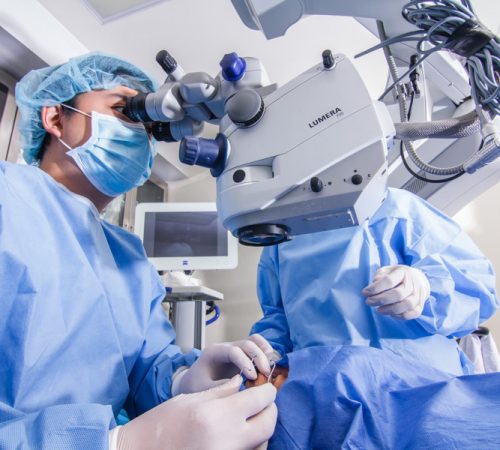
Phakic IOL surgery is performed under local anesthesia, ensuring patient comfort throughout the procedure. A small incision is made at the front of the eye, and the customized lens is carefully inserted and positioned behind or in front of the iris. The procedure is typically completed within a short period, with minimal disruption to daily activities.
After surgery, patients are monitored closely to ensure proper healing and lens alignment. Most individuals can return to work or normal activities within a few days, although strenuous exercise or heavy lifting may be restricted for a short period. Follow-up visits allow the ophthalmologist to assess recovery progress and address any concerns promptly.
Phakic IOL provides long-lasting results, often eliminating the need for glasses or contact lenses for many years. Regular eye exams help maintain optimal eye health and ensure the lens continues to perform effectively.
Takeaway
Phakic IOL offers a permanent, safe, and effective solution for nearsightedness, allowing patients to enjoy clearer vision and reduced dependence on glasses or contact lenses. By preserving the natural lens and providing precise correction, Phakic IOL is an excellent option for those seeking long-term improvement in visual clarity.
Peregrine Eye and Laser Institute combines advanced technology, experienced surgeons, and personalized care to ensure every Phakic IOL patient receives optimal results. With convenient clinics in Makati, Manila, and Quezon City, patients can access world-class eye care close to home. Scheduling a consultation at PELI is the first step toward achieving clearer vision and improved quality of life with Phakic IOL.
FAQs
Can I develop cataracts after Phakic IOL surgery?
Phakic IOL preserves the natural lens, but cataracts can still develop over time as part of the normal aging process. Patients may require cataract surgery later in life, which can be performed without affecting the Phakic IOL procedure.
How long does a Phakic IOL last?
Phakic IOL is designed to be permanent and can last many years. The lens material is durable, and with proper eye care and regular check-ups, most patients experience long-term benefits.
Will I still need glasses after surgery?
Many patients achieve excellent vision without corrective lenses. Some may need reading glasses as they age or minor vision adjustments, depending on individual eye conditions.
Is the procedure painful?
Phakic IOL surgery is performed under local anesthesia, minimizing discomfort. Most patients experience only mild irritation or sensitivity in the days following surgery.
Who is an ideal candidate for Phakic IOL?
Adults with stable moderate to high myopia, healthy eyes, and sufficient corneal thickness are typically considered good candidates. Comprehensive evaluation by an experienced ophthalmologist is necessary to determine suitability.
Are there risks associated with Phakic IOL?
Temporary side effects like glare or halos may occur, but serious complications are rare. Choosing an experienced surgeon and attending regular follow-ups helps reduce potential risks.