Understanding Vitreo Retina Management
Vitreo Retina Management refers to the specialized care focused on diagnosing, treating, and preventing disorders that affect the vitreous and retina. These structures are essential for capturing light and converting it into clear visual signals that the brain can interpret. When problems arise in these delicate areas, vision can quickly become compromised, making timely care extremely important. Many people are unaware that even minor symptoms can signal more serious retinal concerns. This is why Vitreo Retina Management plays a critical role in preserving sight and maintaining overall eye health. Modern techniques allow specialists to detect conditions earlier than ever before, improving the chances of effective treatment. With the right care approach, many retinal conditions can be managed successfully, helping patients maintain functional and meaningful vision.
The Anatomy of the Vitreous and Retina
The vitreous is a clear, gel-like substance that fills the space between the lens and the retina, helping the eye maintain its shape. It also allows light to pass through smoothly to reach the retina without obstruction. The retina, on the other hand, is a thin layer of tissue located at the back of the eye that is responsible for converting light into neural signals. These signals are then sent to the brain through the optic nerve, allowing us to see images clearly. The retina contains specialized cells such as rods and cones, which handle light sensitivity and color perception. As the body ages, the vitreous can shrink or pull away from the retina, sometimes causing complications. Understanding how these structures work together highlights the importance of proper Vitreo Retina Management in maintaining healthy vision.
Common Conditions Requiring Vitreo Retina Management
Several eye conditions fall under the scope of Vitreo Retina Management, many of which can progress without noticeable symptoms at first. Diabetic retinopathy is one of the most common, affecting individuals with uncontrolled blood sugar levels and potentially leading to blindness. Retinal detachment is another serious condition where the retina separates from its underlying tissue, requiring immediate medical attention. Macular degeneration affects central vision and is often associated with aging, making daily tasks like reading and driving difficult. Macular holes and epiretinal membranes can distort vision and reduce clarity over time. Vitreous hemorrhage occurs when blood leaks into the vitreous, causing sudden vision changes or floaters. These conditions highlight the need for early diagnosis and consistent Vitreo Retina Management to prevent long term damage.
Risk Factors That Influence Vitreo Retina Health
Various factors can increase the likelihood of developing retinal conditions, making awareness essential for prevention. Diabetes and hypertension are among the leading contributors, as they directly affect blood vessels in the eye. Aging is another significant factor, as natural changes in the eye can lead to degeneration or structural issues. Genetics also play a role, especially for individuals with a family history of retinal diseases. Eye injuries or trauma can damage the retina and lead to complications that require immediate care. High myopia increases the risk of retinal detachment due to the elongation of the eye. Lifestyle habits such as smoking and poor diet can further weaken eye health, reinforcing the importance of proactive Vitreo Retina Management.
Recognizing Early Warning Signs
Early detection is one of the most effective ways to protect vision, yet many people ignore subtle symptoms. Flashes of light or a sudden increase in floaters can indicate changes in the vitreous or retina. Blurred or distorted vision may suggest underlying conditions affecting the macula. Dark shadows or curtain-like effects in the field of vision can signal retinal detachment, which requires urgent care. Gradual loss of vision, whether central or peripheral, should never be dismissed. Eye discomfort or pressure may also accompany certain retinal issues. Paying attention to these warning signs and seeking prompt evaluation ensures that Vitreo Retina Management can begin at the earliest possible stage.
Diagnostic Methods in Vitreo Retina Management
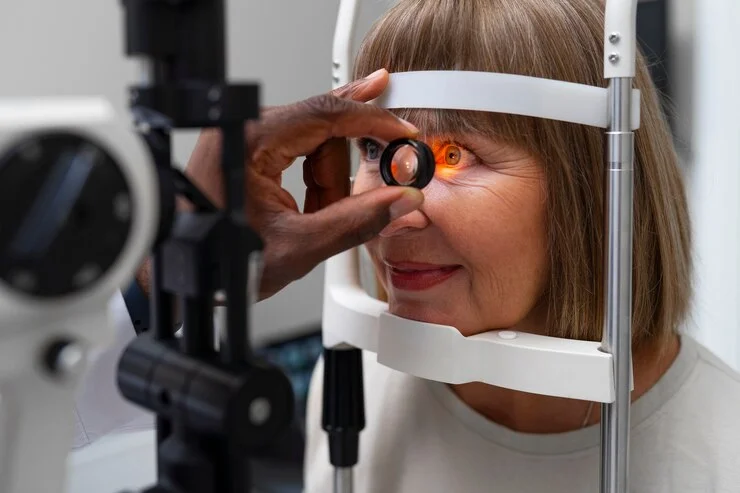
Accurate diagnosis is the foundation of effective Vitreo Retina Management, and modern technology has greatly enhanced this process. Comprehensive eye exams allow specialists to assess overall eye health and detect abnormalities. Optical Coherence Tomography provides detailed cross-sectional images of the retina, helping identify subtle changes. Fundus photography captures images of the back of the eye for monitoring and comparison over time. Fluorescein angiography highlights blood flow in the retina, making it easier to detect leaks or blockages. Ultrasound imaging is used in cases where visibility is limited, such as with vitreous hemorrhage. These tools enable precise evaluation and guide treatment decisions that can significantly improve patient outcomes.
Non Surgical Approaches in Vitreo Retina Management
Not all retinal conditions require surgery, and many can be managed with less invasive treatments. Anti VEGF injections are commonly used to reduce abnormal blood vessel growth in diseases like diabetic retinopathy. Laser photocoagulation helps seal leaking blood vessels and prevent further damage. Cryotherapy may be used to treat certain retinal tears or detachments by freezing affected areas. Medications can help control inflammation and slow disease progression. Regular monitoring is often recommended for stable conditions to ensure timely intervention if changes occur. These approaches demonstrate how Vitreo Retina Management can be tailored to each patient’s needs without immediately resorting to surgical procedures.
Surgical Treatments in Vitreo Retina Management
When conditions become more advanced, surgical intervention may be necessary to preserve or restore vision. Vitrectomy is a common procedure where the vitreous gel is removed and replaced to allow better access to the retina. Retinal detachment repair involves reattaching the retina using specialized techniques to prevent permanent vision loss. Macular hole surgery aims to close the hole and improve central vision. Scleral buckle procedures provide external support to the eye, helping the retina remain in place. Advances in minimally invasive surgery have made these procedures safer and more effective than ever before. With proper Vitreo Retina Management, surgical treatments can offer significant improvements in visual function.
Recovery and Aftercare Following Treatment
Recovery is a crucial phase in Vitreo Retina Management, as it directly impacts the success of treatment. Patients may experience temporary discomfort, blurred vision, or sensitivity to light after procedures. Following the doctor’s instructions carefully helps promote healing and reduce the risk of complications. Regular follow up appointments allow specialists to monitor progress and make necessary adjustments. Certain activities may need to be limited during recovery to avoid strain on the eyes. Visual rehabilitation techniques can help patients adapt to changes in their vision. With proper care and patience, many individuals achieve stable and improved eyesight.
Preventive Strategies for Long Term Eye Health
Key Habits to Protect Your Vision
Maintaining healthy eyes requires consistent effort and awareness of daily habits. Prevention is always more effective than treatment when it comes to retinal conditions. Incorporating simple lifestyle changes can greatly reduce the risk of developing serious issues. Vitreo Retina Management is not only about treating diseases but also about preventing them from occurring in the first place. The following habits can support long term eye health and preserve vision.
- Schedule regular comprehensive eye exams
- Control blood sugar and blood pressure levels
- Eat a balanced diet rich in leafy greens and antioxidants
- Wear protective eyewear during risky activities
- Avoid smoking and limit alcohol intake
- Take breaks from prolonged screen use to reduce eye strain
By adopting these practices, individuals can significantly improve their eye health and reduce the likelihood of needing advanced treatments.
Innovations and Advances in Vitreo Retina Management
The field of Vitreo Retina Management continues to evolve with groundbreaking innovations that improve patient care. Advanced imaging technologies now allow for earlier and more accurate detection of retinal conditions. Gene therapy is being explored as a way to treat inherited retinal diseases at their source. Artificial intelligence is playing a growing role in diagnosing conditions quickly and efficiently. New surgical techniques are making procedures less invasive and reducing recovery times. These advancements are transforming how eye care is delivered and increasing the chances of preserving vision. As technology continues to develop, patients can expect even more effective solutions in the future.
Choosing the Right Specialist for Vitreo Retina Management
Selecting a qualified specialist is an essential step in receiving effective care. A vitreoretinal specialist has advanced training in diagnosing and treating complex retinal conditions. Patients should look for clinics equipped with modern diagnostic tools and experienced medical teams. Asking the right questions during consultations helps ensure that the chosen provider meets individual needs. Personalized treatment plans are important, as each condition and patient is unique. Trust and communication between the patient and specialist also play a vital role in successful outcomes. With the right expert, Vitreo Retina Management becomes a collaborative and reassuring process.
FAQ
What is Vitreo Retina Management
Vitreo Retina Management involves the diagnosis and treatment of conditions affecting the vitreous and retina to preserve and improve vision.
Who should see a vitreoretinal specialist
Individuals experiencing vision changes, those with diabetes, or people at risk of retinal diseases should consult a specialist.
Are treatments for retinal conditions safe
Most treatments are safe and effective, especially when performed by experienced professionals using modern techniques.
How often should I have my eyes checked
It is generally recommended to have an eye exam at least once a year, or more frequently if you have existing conditions.
Can lifestyle changes really help prevent retinal diseases
Yes, maintaining a healthy lifestyle can significantly reduce the risk of developing many retinal conditions.
Is surgery always required for retinal problems
No, many conditions can be managed with non surgical treatments depending on their severity.
Takeaway
Vitreo Retina Management plays a vital role in protecting one of the most important senses, which is vision. Through early detection, advanced diagnostic tools, and a wide range of treatment options, many retinal conditions can be effectively managed or even prevented. Understanding the risks, recognizing warning signs, and seeking timely care can make a significant difference in long term outcomes. Combining medical expertise with healthy lifestyle choices creates a strong foundation for maintaining eye health. Staying proactive and informed ensures that vision remains clear and functional for years to come.