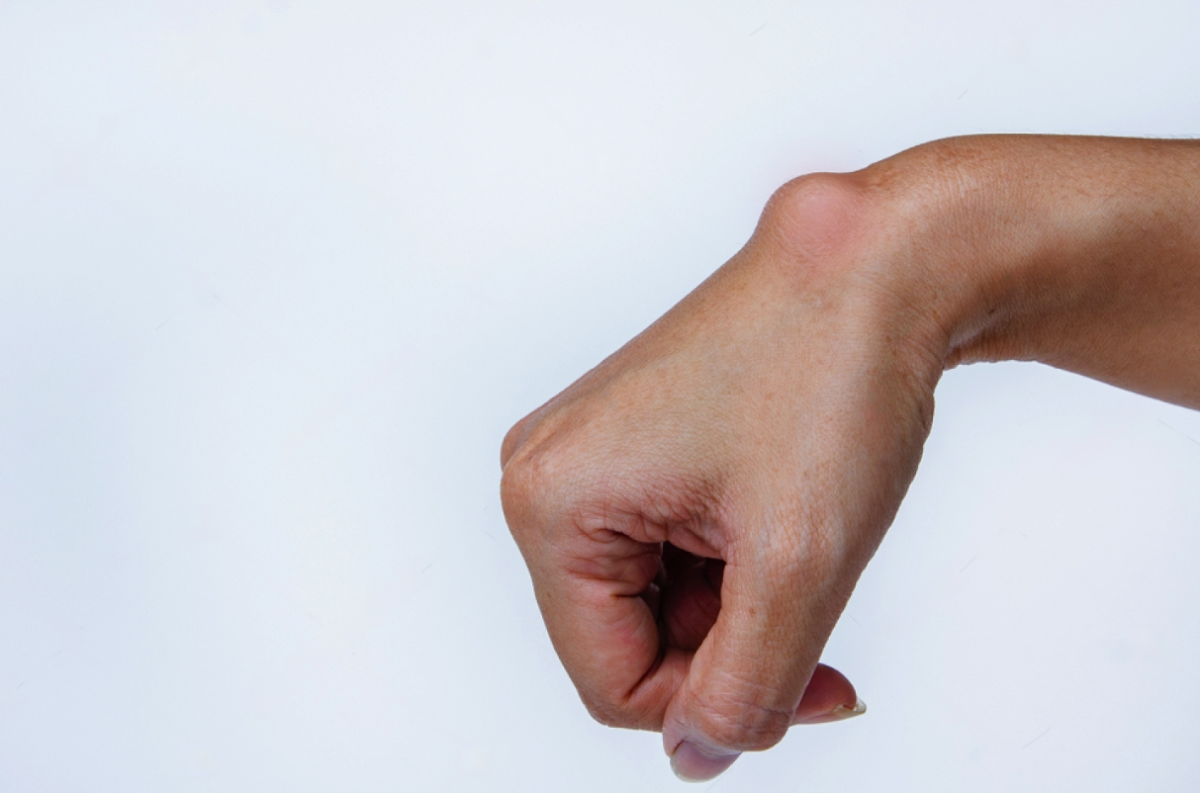
Ganglion cysts are fluid-filled lumps that often develop along the joints or tendons, most commonly in the wrist and hand. While they are generally harmless, they can sometimes cause discomfort, pain, or restricted movement. Understanding these cysts is crucial for anyone considering treatment options in Manila. Ganglion cysts form when synovial fluid leaks from a joint or tendon sheath and collects in a sac-like structure. Although the exact cause is unknown, repetitive wrist or hand movements, trauma, or joint inflammation can increase the risk. Many individuals notice a soft, round bump that may fluctuate in size over time. Some cysts remain painless, but others can lead to aching, weakness, or numbness, especially if they press on nearby nerves.
Non-surgical methods are often the first line of management for ganglion cysts. Observation is suitable for cysts that are painless and do not interfere with daily activities. Splinting or immobilization can reduce swelling and discomfort, especially when movement aggravates symptoms. Aspiration, a procedure where fluid is drained using a needle, can provide temporary relief, although cysts may recur. Surgery becomes necessary when these methods fail, the cyst is painful, or it restricts mobility. Individuals experiencing persistent pain, tingling, or limited joint function are prime candidates for surgical intervention. Choosing the right approach for ganglion cyst surgery in Manila is essential to minimize recurrence and ensure effective recovery.
Types of Ganglion Cyst Surgery
Ganglion cyst surgery in Manila typically falls into two categories: open excision and arthroscopic surgery. Open excision is the traditional method where a surgeon makes an incision directly over the cyst to remove it completely. This approach allows the surgeon to see the cyst and surrounding tissues clearly, reducing the risk of recurrence. Arthroscopic surgery is a minimally invasive option involving small incisions and the use of a tiny camera. It often results in less pain, faster recovery, and smaller scars. Comparing the two methods, open surgery may be better for larger or more complex cysts, while arthroscopy is ideal for smaller cysts or patients seeking a quicker recovery. Understanding the pros and cons of each procedure helps patients make informed decisions. In both cases, the primary goal is to remove the cyst entirely while preserving joint function and preventing recurrence.
Preparing for Surgery in Manila
Preparation for ganglion cyst surgery involves both physical and logistical considerations. Patients should undergo pre-operative evaluations, including blood tests and imaging studies, to ensure they are fit for surgery. Selecting a qualified surgeon and reputable hospital in Manila is crucial for a safe and successful procedure. Patients are advised to discuss any current medications, allergies, or medical conditions with their healthcare provider. Mental preparation is equally important; understanding the procedure, recovery, and potential risks can reduce anxiety. Lifestyle adjustments, such as avoiding smoking and maintaining a healthy diet, may enhance healing. Additionally, arranging transportation and post-surgery support can make the recovery period smoother.
The Surgical Procedure
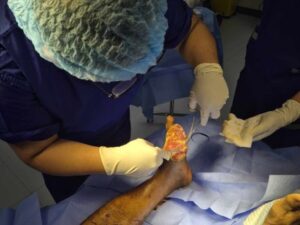
During ganglion cyst surgery, anesthesia is administered to ensure patient comfort. For open excision, a precise incision is made to access the cyst and its stalk. Surgeons carefully remove the cyst along with a small portion of the surrounding joint capsule or tendon sheath to minimize recurrence. Arthroscopic surgery involves inserting a tiny camera and instruments through small incisions, allowing the surgeon to remove the cyst with minimal tissue disruption. The procedure typically lasts between 30 minutes to an hour, depending on the cyst’s size and location. After removal, the incision is closed, and a bandage or splint is applied to protect the site. Post-operative care includes pain management, monitoring for signs of infection, and instructions on movement restrictions.
Recovery and Rehabilitation
Recovery after ganglion cyst surgery in Manila requires patience and adherence to post-operative guidelines. Most patients can expect swelling and discomfort for several days, which can be managed with pain medication and cold compresses. Wound care is essential to prevent infection, including keeping the area clean and dry and following dressing change instructions. Physical therapy may be recommended to restore strength and range of motion in the affected joint. Patients should avoid heavy lifting or repetitive movements until cleared by their surgeon. Regular follow-up appointments are necessary to monitor healing and detect any signs of recurrence early. Awareness of potential complications, such as stiffness, nerve irritation, or cyst recurrence, helps patients seek prompt medical attention if needed. Maintaining a healthy lifestyle and joint care routine can support long-term recovery.
Costs and Accessibility in Manila
Ganglion cyst surgery costs in Manila can vary based on several factors, including the type of surgery, hospital, surgeon’s expertise, and additional medical requirements. On average, open excision may cost slightly more than arthroscopic procedures due to longer hospital stays and post-operative care. Insurance coverage can significantly reduce out-of-pocket expenses, but patients should confirm what procedures and medications are included. Many hospitals in Manila also offer financing or installment options for those without insurance. Accessibility to skilled surgeons and modern surgical facilities ensures that patients receive safe and effective treatment. Choosing the right hospital involves considering success rates, patient reviews, and available support services. Understanding the financial and logistical aspects of surgery allows patients to plan effectively and avoid surprises.
Living After Surgery
Life after ganglion cyst surgery involves gradual reintegration into daily routines and preventive care. Patients can typically return to light activities within a few weeks, although full recovery may take several months. Physical therapy exercises help maintain joint mobility and reduce stiffness. Preventing recurrence includes avoiding excessive repetitive strain on the affected joint and following ergonomic practices. Regular medical check-ups can monitor joint health and catch any early signs of cyst development. Lifestyle adjustments, such as strengthening exercises and joint protection, promote long-term wellness. Maintaining awareness of symptoms like swelling, pain, or numbness ensures timely intervention if needed.
Frequently Asked Questions (FAQ)
Can ganglion cysts come back after surgery?
Yes, recurrence is possible, especially if the cyst’s stalk is not completely removed. Proper surgical technique significantly reduces this risk.
How painful is ganglion cyst surgery?
Pain varies by individual, but anesthesia ensures minimal discomfort during the procedure. Post-operative pain is typically manageable with medication.
What is the recovery time before I can use my hand normally?
Most patients regain normal function within 4 to 6 weeks, though full strength may take a few months.
Are there risks associated with anesthesia?
While generally safe, anesthesia carries minor risks, which your surgeon will discuss during pre-operative evaluation.
How do I choose the best hospital or surgeon in Manila?
Consider experience, patient reviews, surgical success rates, facility quality, and accessibility when selecting a surgeon or hospital.
Takeaway
Ganglion cyst surgery in Manila is a safe and effective option for those experiencing discomfort or functional limitations due to cysts. Understanding the condition, preparing for surgery, choosing the right procedure, and following post-operative care guidelines are crucial steps toward successful treatment. With proper planning, recovery, and preventive measures, patients can regain mobility, minimize pain, and reduce the risk of recurrence, leading to a healthier and more comfortable daily life.