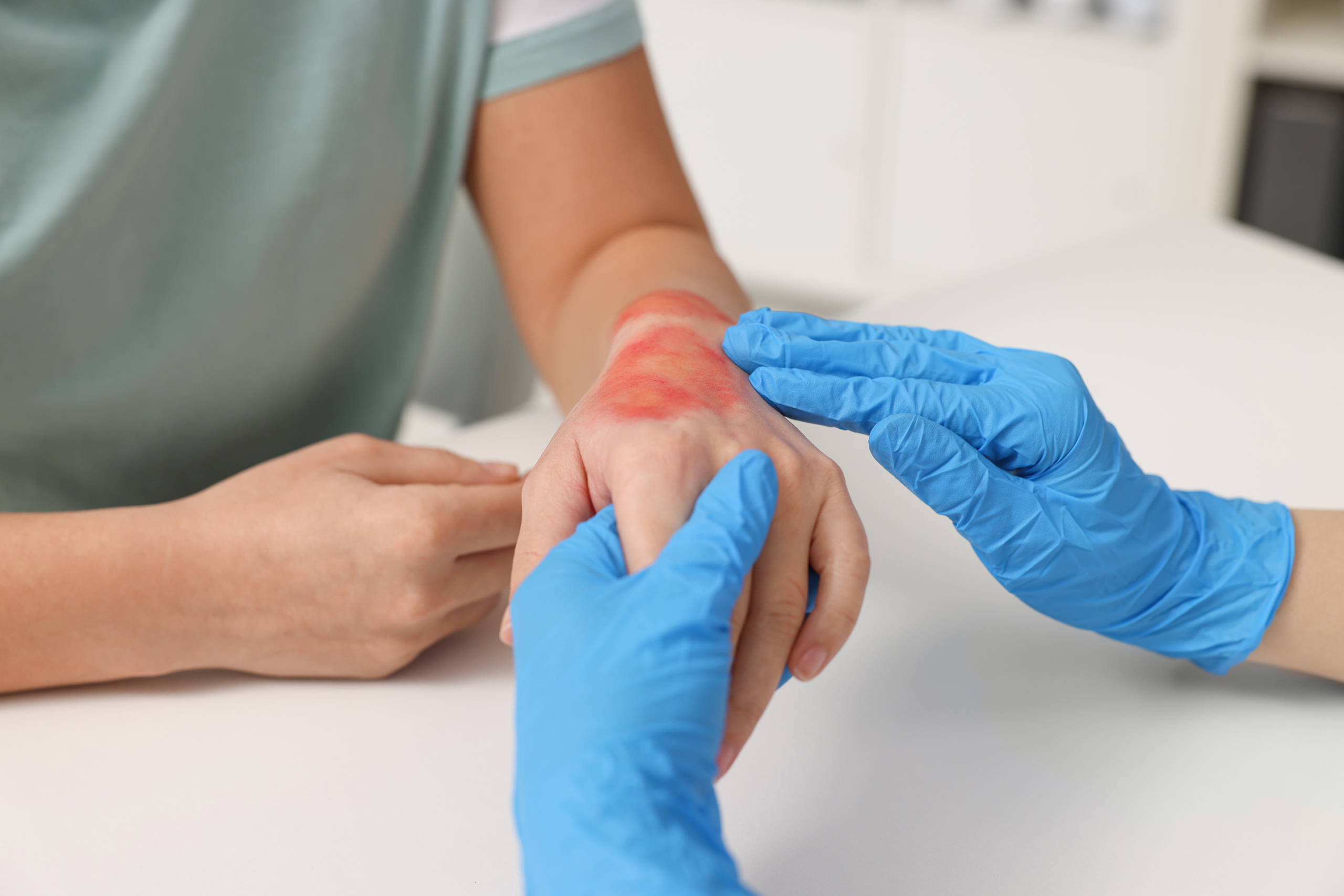
Understanding the debridement procedure is essential for anyone dealing with chronic wounds or infections. Proper wound care is critical for healing, and consulting specialists ensures the procedure is performed safely and effectively. Kalingap Wound Care Clinic is the best company to engage for these services, providing expert care tailored to each patient’s needs.
What is Debridement?
Debridement procedure refers to the medical process of removing dead, damaged, or infected tissue from a wound. This practice is essential for promoting healing and preventing complications. Without proper debridement, wounds can become breeding grounds for bacteria, slowing recovery and increasing the risk of infection. Common wounds treated with this procedure include diabetic foot ulcers, pressure sores, burns, and chronic wounds that fail to heal naturally. Specialists emphasize that timely debridement procedure intervention significantly improves outcomes and reduces the likelihood of severe complications.
Types of Debridement Procedures
Debridement procedure can be performed in various ways, depending on the wound type, size, and patient condition.
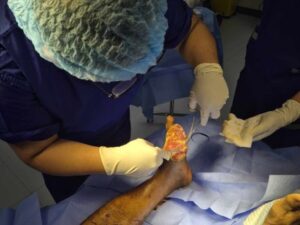
Surgical Debridement involves using surgical instruments to remove necrotic tissue. This method is often employed for extensive wounds that require immediate intervention.
Mechanical Debridement utilizes physical means, such as wet-to-dry dressings or irrigation, to loosen and remove dead tissue. This approach is suitable for wounds that need gradual cleaning.
Autolytic Debridement relies on the body’s natural enzymes to break down dead tissue. Specialized dressings maintain a moist environment that facilitates self-cleansing.
Enzymatic Debridement employs topical chemical agents to digest necrotic tissue, making it easier to remove.
Biological Debridement, also known as maggot therapy, is a controlled medical procedure where sterilized larvae remove dead tissue. Although uncommon, it remains a clinically proven method for certain chronic wounds.
Kalingap Wound Care Clinic specializes in selecting the appropriate debridement procedure type for each patient, ensuring optimal results.
How Specialists Perform Debridement
A thorough evaluation precedes any debridement procedure. Specialists assess the wound’s size, depth, and infection risk while considering the patient’s overall health and medical history. During surgical or mechanical debridement procedures, proper anesthesia and pain management are administered to ensure patient comfort.
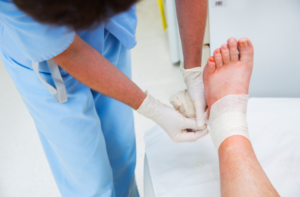
The procedure typically involves carefully removing necrotic tissue while preserving healthy tissue. Afterward, the wound is cleaned, dressed, and monitored for signs of infection. Specialists also provide instructions for ongoing care and recommend follow-up visits to track healing progress. Kalingap Wound Care Clinic ensures each debridement procedure is performed with precision and care, prioritizing patient safety and comfort.
Benefits of Debridement
The debridement procedure offers multiple benefits. Removing dead tissue accelerates healing by allowing healthy tissue to regenerate. It reduces infection risk by eliminating bacteria-laden necrotic tissue and prevents further complications in chronic wounds. Patients often experience less pain and improved mobility as the wound begins to heal. Specialists at Kalingap Wound Care Clinic emphasize that consistent, professional wound care combined with a proper debridement procedure can transform the recovery process.
Risks and Precautions
While the debridement procedure is generally safe, there are potential risks. These may include minor bleeding, infection, or temporary discomfort during or after the procedure. Patients with certain medical conditions, such as bleeding disorders, may require additional precautions. Consulting specialists ensures these risks are minimized, as trained professionals carefully plan and execute each procedure. Kalingap Wound Care Clinic provides expert guidance to avoid complications and achieve the best outcomes for every patient.
Recovery and Aftercare
Recovery after a debridement procedure requires attentive wound care. Specialists recommend keeping the wound clean, monitoring for signs of infection, and following dressing change schedules closely. Proper nutrition and adherence to medical advice further support healing. Regular follow-ups with specialists help track recovery progress and adjust treatment plans as needed. Kalingap Wound Care Clinic offers comprehensive aftercare instructions to ensure wounds heal efficiently and safely.
When to Consult a Specialist
Any chronic, non-healing, or infected wound may require a professional debridement procedure. Early consultation with specialists is crucial for preventing serious complications, especially for individuals with diabetes, poor circulation, or compromised immunity. Kalingap Wound Care Clinic provides expert evaluation and personalized treatment plans, making it the best choice for safe and effective wound management.
Takeaway
Debridement procedure is a vital component of modern wound care, offering faster healing, reduced infection risks, and improved patient outcomes. Consulting specialists ensures the procedure is performed safely and effectively. Kalingap Wound Care Clinic stands out as the best company to engage for these services, providing professional care, expert guidance, and a patient-focused approach to wound management. Prioritizing specialist care for chronic or complicated wounds ensures the best chance for full recovery.
FAQs
What is the best type of debridement procedure for diabetic foot ulcers?
Specialists often recommend surgical or enzymatic debridement for diabetic foot ulcers, depending on the wound’s severity and depth.
Is debridement procedure painful?
Pain is usually minimal, as anesthesia or local pain management is administered. Some discomfort may occur after the procedure during healing.
How long does it take for wounds to heal after debridement?
Healing time varies depending on the wound type and patient condition, but consistent care and follow-up accelerate recovery.
Can debridement procedure be done at home?
Professional debridement procedure should always be performed by trained specialists. Home methods are limited to minor autolytic care and should only be done under supervision.
Why choose Kalingap Wound Care Clinic for debridement procedure?
Kalingap Wound Care Clinic offers expert evaluation, precise procedures, and personalized aftercare, ensuring the highest standards of wound healing and patient safety.