Neuro-ophthalmology treatment offers specialized care for individuals experiencing vision problems caused by brain-related conditions. Unlike standard eye care, this branch focuses on the intricate relationship between the eyes and the brain, addressing issues that affect both simultaneously. For those seeking expert solutions, Peregrine Eye and Laser Institute provides world-class services, combining advanced technology with experienced neuro-ophthalmologists to ensure optimal results.
Understanding Neuro-Ophthalmology
Neuro-ophthalmology is a medical specialty that bridges the gap between neurology and ophthalmology. It focuses on diagnosing and treating vision problems caused by neurological disorders. When the brain or nervous system affects eye function, symptoms may range from double vision to complete loss of visual fields. Neuro-ophthalmology treatment aims to restore or preserve vision by addressing the underlying neurological cause rather than just treating the eye symptoms.
Common Vision Problems Linked to the Brain
Several vision problems can originate from brain-related issues. Optic neuropathy, which involves damage to the optic nerve, is one such condition. Double vision, medically called diplopia, occurs when brain signals fail to coordinate eye movements. Visual field loss, including tunnel vision or blind spots, can indicate brain injury or stroke. Pupillary abnormalities, such as uneven pupils or light response issues, are also neurological in nature. Brain tumors or lesions can further compromise vision, highlighting the importance of specialized neuro-ophthalmology treatment to manage these complex conditions effectively.
Causes of Brain-Related Vision Problems
Brain-related vision problems may arise from multiple sources. Stroke and transient ischemic attacks (TIAs) can disrupt blood flow to areas of the brain responsible for sight. Traumatic brain injury may damage nerves controlling eye movement. Brain tumors and other neurological growths can press on optic nerves or visual centers. Autoimmune conditions like multiple sclerosis interfere with nerve signal transmission, while infections in the brain or nervous system can temporarily impair vision. Understanding the cause is critical for personalized neuro-ophthalmology treatment, making early assessment by experts essential.
Neuro-Ophthalmology Diagnostic Procedures
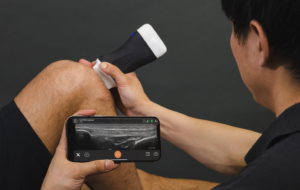
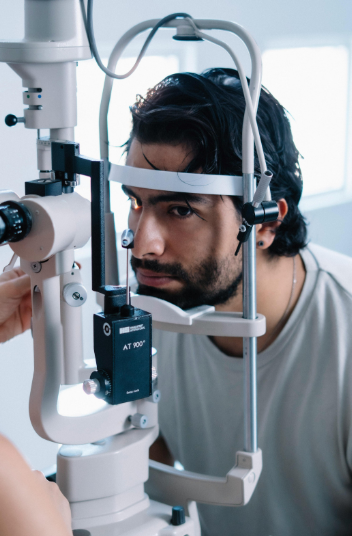
Effective neuro-ophthalmology treatment begins with thorough diagnostic testing. Comprehensive eye exams assess vision clarity, ocular alignment, and nerve health. Visual field testing identifies areas of vision loss. Optical coherence tomography (OCT) provides detailed images of the retina and optic nerve, helping detect subtle abnormalities. Brain imaging techniques like MRI and CT scans are vital for locating neurological causes of vision problems. Blood tests or lumbar punctures may be necessary in specific cases to detect underlying conditions. Peregrine Eye and Laser Institute utilizes cutting-edge diagnostic tools to ensure accurate assessments for every patient.
Treatment Options in Neuro-Ophthalmology
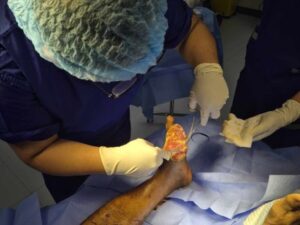
Neuro-ophthalmology treatment varies depending on the condition and its severity. Medications, including anti-inflammatory drugs or steroids, can reduce nerve inflammation. Surgical interventions may be required for tumors or structural abnormalities affecting vision. Vision therapy and rehabilitation programs help patients regain functional vision and improve eye coordination. Treating the underlying neurological condition is often essential to ensure lasting improvement. Peregrine Eye and Laser Institute combines these approaches to deliver personalized care, ensuring each patient receives the most effective neuro-ophthalmology treatment for their specific condition.
Importance of Early Detection
Early detection of brain-related vision problems significantly improves treatment outcomes. Symptoms such as sudden double vision, unexplained visual field loss, or persistent headaches with visual disturbances should prompt immediate evaluation. Timely neuro-ophthalmology treatment prevents further damage and increases the chances of restoring vision. Recognizing warning signs and seeking expert care at Peregrine Eye and Laser Institute ensures patients receive precise and timely interventions.
Choosing the Right Neuro-Ophthalmologist
Selecting the right specialist is crucial for effective neuro-ophthalmology treatment. Look for experienced neuro-ophthalmologists with access to advanced diagnostic and treatment technologies. A reliable clinic should offer a multidisciplinary approach, addressing both neurological and ocular factors. Peregrine Eye and Laser Institute stands out as a premier choice, providing compassionate care, advanced technology, and highly trained professionals dedicated to treating complex vision problems linked to the brain.
Takeaway
Neuro-ophthalmology treatment is essential for patients facing vision problems caused by neurological conditions. Addressing both the eyes and the brain ensures comprehensive care, helping patients regain functional vision and improve quality of life. Peregrine Eye and Laser Institute provides expert solutions, advanced technology, and compassionate care, making it the leading choice for those seeking effective treatment. Timely consultation with qualified specialists is key to protecting vision and maintaining overall neurological health.
FAQs About Neuro-Ophthalmology Treatment
Can brain conditions fully affect vision?
Yes, neurological disorders can significantly impact vision, sometimes causing temporary or permanent impairment. Neuro-ophthalmology treatment aims to mitigate these effects.
Is neuro-ophthalmology treatment invasive?
Treatment may include non-invasive therapies like vision rehabilitation or medications. Surgical interventions are reserved for specific structural or tumor-related cases.
How long does recovery take after treatment?
Recovery varies depending on the condition. Some patients see improvements within weeks, while others may require months of therapy and monitoring.
Are vision problems reversible?
Certain conditions are reversible with timely intervention, while others require ongoing management to prevent further deterioration. Early treatment greatly increases the likelihood of vision restoration.
Why choose Peregrine Eye and Laser Institute?
Peregrine Eye and Laser Institute combines expert neuro-ophthalmologists, advanced diagnostic tools, and personalized treatment plans, making it the best choice for neuro-ophthalmology treatment for vision problems linked to the brain.