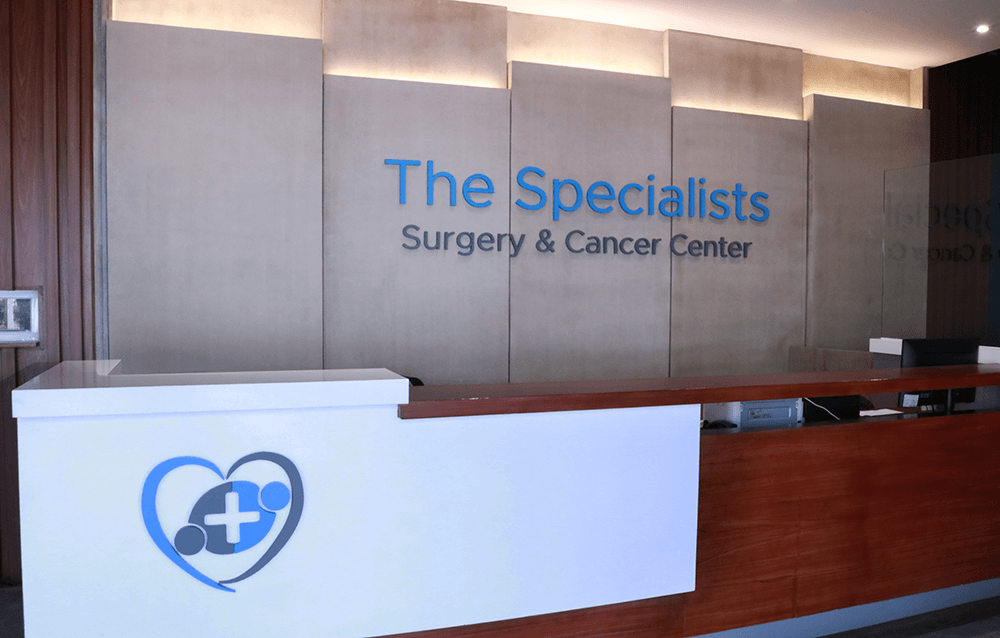
Debridement is a critical procedure that promotes effective wound healing and prevents complications that could require hospitalization. Many patients underestimate the importance of removing dead or damaged tissue, but this step is essential for infection control and encouraging the growth of healthy tissue. At The Specialist Surgery and Cancer Center (TSSCC) in Quezon City, Metro Manila, Debridement is performed by skilled doctors who ensure each wound receives precise and safe treatment. Patients from across Metro Manila and the Philippines rely on our clinics for timely wound care, guidance, and recovery plans that support long-term health outcomes.
Proper wound management starts with assessment. Debridement allows doctors to evaluate the extent of tissue damage, determine the presence of infection, and decide on the most suitable wound-care strategy. Without this intervention, wounds may remain chronic, worsen, or become susceptible to severe infection, leading to increased medical costs and more invasive procedures. Debridement is designed to prevent these issues while providing patients with a comfortable, safe environment for treatment.
What Is Debridement?
Debridement is the medical removal of dead, infected, or damaged tissue from a wound. This procedure supports natural healing by eliminating barriers to tissue regrowth and creating an optimal environment for recovery. While some minor wounds may heal without medical intervention, wounds that are chronic, infected, or post-surgical often require professional Debridement to achieve complete healing.
At TSSCC, Debridement is performed with careful attention to detail. Doctors assess the wound, determine the appropriate method for removing tissue, and ensure that surrounding healthy tissue remains protected. This precise approach reduces the risk of infection and allows the wound to progress toward full recovery. Debridement is an essential step for patients with complex wounds, helping them regain comfort and prevent complications that may require hospitalization.
Why Debridement Is Important for Wound Recovery
Debridement plays a vital role in preventing infection and supporting faster healing. Dead tissue and debris can serve as a breeding ground for bacteria, increasing the risk of complications and delaying recovery. By removing this tissue, doctors reduce bacterial load and stimulate the wound’s natural healing processes.
Patients who undergo timely Debridement experience fewer complications and shorter recovery times compared with those who delay treatment. This procedure is particularly valuable for patients with chronic wounds, such as pressure sores or diabetic ulcers, which often fail to heal without professional intervention. By addressing the problem early, Debridement prevents small wounds from developing into severe, costly medical issues.
Outpatient Debridement at TSSCC allows patients to recover in the comfort of their homes while receiving expert guidance from doctors. Avoiding unnecessary hospital stays not only reduces exposure to hospital-acquired infections but also allows patients to maintain their daily routines during recovery.
Who May Need Debridement?
Debridement is recommended for wounds that show signs of delayed healing or tissue damage that prevents recovery. Patients may benefit from this procedure under the following circumstances:
- Chronic wounds such as diabetic foot ulcers or pressure sores
- Surgical wounds with delayed healing
- Traumatic injuries with visible tissue damage
- Infected or necrotic wounds
- Venous ulcers or wounds with persistent inflammation
Certain groups of patients are particularly likely to require Debridement. Individuals with diabetes, poor circulation, weakened immune systems, or limited mobility often experience slow wound healing and higher risks of infection. Early evaluation and treatment through Debridement can prevent complications and support faster recovery.
At TSSCC, doctors work with patients to assess their specific wound conditions, recommend the most suitable Debridement approach, and create follow-up care plans that promote long-term wound health. Patients across Metro Manila and other regions of the Philippines benefit from these personalized care plans that focus on both healing and prevention.
Types of Wounds Treated With Debridement
Debridement is effective for a wide variety of wounds, including:
- Acute wounds, such as cuts or burns that involve tissue loss
- Chronic wounds, including pressure sores and diabetic ulcers
- Surgical wounds that are slow to heal or show signs of infection
- Infection-related wounds with necrotic tissue
Each type of wound requires careful assessment before Debridement to ensure the procedure is both safe and effective. Doctors at TSSCC are trained to manage different wound types using advanced techniques that minimize pain and support efficient healing. By selecting the appropriate method, TSSCC ensures each patient receives the most effective care tailored to their condition.
What Happens During a Debridement Procedure?
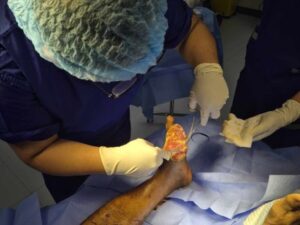
Debridement begins with a thorough wound assessment. Doctors evaluate the wound size, tissue condition, and presence of infection. Following this assessment, the area is cleaned and prepared for tissue removal. Depending on the wound type and patient condition, doctors may use surgical instruments, specialized dressings, or other techniques to remove damaged tissue while preserving healthy areas.
Pain management is an essential part of Debridement. Local anesthesia or other pain control methods may be used to keep patients comfortable during the procedure. After tissue removal, the wound is cleaned, dressed, and provided with detailed aftercare instructions to promote proper healing.
Debridement is often performed on an outpatient basis at TSSCC, allowing patients to recover in a safe and controlled environment without the need for extended hospital stays.
Is Debridement Painful?
The level of discomfort during Debridement varies depending on the wound type and procedure method. Patients may feel pressure or mild pain, which is managed using local anesthesia and modern pain control techniques. Skilled doctors at TSSCC focus on minimizing discomfort while ensuring precise removal of dead or infected tissue.
After the procedure, mild soreness is common and can be managed with recommended medications and proper wound care. Patients are encouraged to report any unusual pain or signs of infection during recovery, ensuring timely intervention if needed.
Recovery and Aftercare After Debridement
Recovery following Debridement depends on the wound type and the patient’s overall health. Most patients experience gradual improvement as the wound heals, with noticeable reduction in infection risk and faster tissue regrowth.
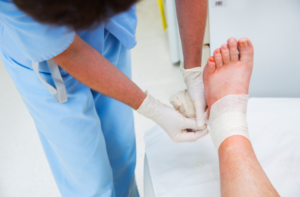
Home care is a critical component of successful recovery. Patients are instructed on proper dressing changes, cleaning techniques, and monitoring for signs of infection. Doctors may schedule follow-up visits to assess progress and adjust treatment if necessary. With careful aftercare, Debridement supports effective healing while reducing the likelihood of further complications.
Benefits of Choosing Outpatient Debridement at TSSCC
Outpatient Debridement at TSSCC provides several advantages over hospital-based care. Patients experience shorter waiting times, reduced exposure to hospital-acquired illnesses, and the ability to recover at home. Each procedure is performed by experienced doctors who ensure precise tissue removal and continuous guidance throughout the healing process.
TSSCC offers value-conscious treatment plans that make timely wound care accessible. Patients do not need to delay consultation due to cost concerns, which can prevent small wounds from becoming severe medical issues. Early intervention through Debridement often reduces both pain and long-term expenses, supporting a smoother recovery.
Why Early Wound Care Matters
Delaying wound treatment can increase the risk of complications and lead to more invasive procedures. Early Debridement allows doctors to address tissue damage promptly, prevent infection, and guide patients toward faster healing.
Patients who seek timely care are more likely to avoid hospitalization and benefit from outpatient recovery. Early intervention also reduces overall medical costs, as treating advanced wounds often requires more complex procedures, extended recovery time, and additional medications.
Debridement at The Specialist Surgery & Cancer Center
At TSSCC, Debridement is performed with precision and patient safety as the top priorities. Established in 2018, the center provides accessible and affordable surgical and cancer-related care while minimizing unnecessary hospital admissions.
Doctors at TSSCC collaborate with patients to assess wounds, perform Debridement, and design follow-up plans tailored to each individual’s needs. The clinics serve patients from Metro Manila and nearby provinces, offering high-quality care in a clean, patient-focused environment.
When to See a Doctor for a Wound
Patients should seek medical attention if a wound shows any of the following:
- Lack of improvement after several weeks
- Increasing pain, redness, or swelling
- Signs of infection such as pus or foul odor
- Wounds in patients with diabetes or other chronic conditions
Early evaluation can prevent minor issues from becoming severe problems. Timely Debridement supports faster recovery, reduces complications, and improves long-term wound outcomes.
Schedule a Wound Assessment at TSSCC
Patients are encouraged to book a wound assessment at TSSCC if they notice delayed healing, signs of infection, or tissue damage. The clinics offer expert Debridement, value-conscious pricing, and outpatient care that allows recovery at home. Early consultation ensures patients receive proper treatment before complications arise, promoting safe and effective healing.
FAQ About Debridement
What is Debridement?
Debridement is the removal of dead, infected, or damaged tissue from a wound to support healing and prevent infection.
Who needs Debridement?
Patients with chronic wounds, surgical wounds that are slow to heal, traumatic injuries, infected wounds, or venous ulcers may require Debridement.
Does Debridement hurt?
Discomfort varies by wound type and procedure method. Local anesthesia and pain control methods are used to minimize pain.
How long does recovery take after Debridement?
Recovery depends on the wound type and overall health. Most patients experience gradual healing over several days to weeks, with follow-up visits as needed.
Can Debridement prevent hospitalization?
Yes, timely Debridement reduces infection risk, supports faster healing, and can prevent the need for extended hospital stays.
Where can I get Debridement in Metro Manila?
The Specialist Surgery & Cancer Center in Quezon City offers expert outpatient Debridement for patients across Metro Manila and nearby provinces.