Wound healing becomes difficult when damaged or dead tissue remains trapped within the wound area. Without proper removal, bacteria multiply, infection risk rises, and healing slows. Wound Debridement Services play a vital role managing chronic, infected, traumatic, and post-surgical wounds by clearing non-viable tissue and creating a healthier environment for recovery. Professional wound care ensures wounds progress safely toward closure rather than worsening over time.
What Are Wound Debridement Services?
Wound Debridement Services refer to medically guided procedures that remove dead, infected, or damaged tissue from a wound. This process supports natural healing by reducing bacterial load, improving circulation, and allowing healthy tissue to regenerate. Unlike basic wound cleaning performed at home, professional debridement targets deeper tissue layers using precise methods selected based on wound condition, size, and severity.
Medical-grade Wound Debridement Services are commonly required for non-healing wounds, diabetic foot ulcers, pressure sores, infected cuts, burns, and trauma-related injuries. Each wound requires careful evaluation to determine the safest and most effective debridement technique.
Why Dead Tissue Prevents Proper Wound Healing
Dead tissue creates a physical barrier that blocks oxygen and nutrients from reaching healthy cells. Bacteria thrive within this environment, increasing infection risk and causing persistent inflammation. Without timely Wound Debridement Services, wounds may remain open for weeks or months, leading to complications such as abscess formation, spreading infection, or tissue loss.
Delayed debridement often results poor wound response to dressings and therapies. Early professional intervention improves healing outcomes and reduces the likelihood of advanced procedures or hospitalization.
Types of Wound Debridement Services
Surgical (Sharp) Debridement
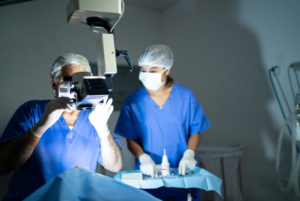
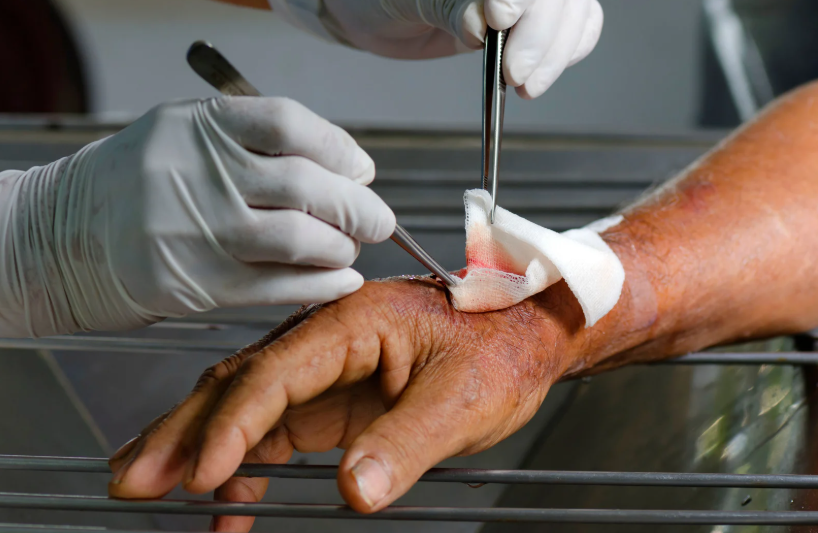
Surgical debridement involves controlled removal of dead tissue using sterile instruments. This method provides immediate results and suits severely infected or rapidly deteriorating wounds. Wound Debridement Services using surgical techniques are commonly required for trauma wounds, diabetic ulcers, and deep infections.
Ultrasonic-Assisted Debridement
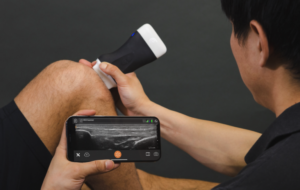
Ultrasonic-assisted Wound Debridement Services use sound wave technology to break down dead tissue while preserving healthy structures. This method offers precision and reduced discomfort, making it ideal for chronic and sensitive wounds.
Autolytic Debridement
Autolytic debridement allows the body’s own enzymes to soften and remove dead tissue using moisture-retentive dressings. This approach works best for stable wounds with minimal infection risk and requires close monitoring by wound care professionals.
Enzymatic Debridement
Enzymatic Wound Debridement Services apply topical agents that selectively digest non-viable tissue. This method suits patients unable to undergo surgical procedures and requires expert supervision for optimal results.
Mechanical Debridement
Mechanical techniques involve gentle physical removal of debris through irrigation or specialized dressings. Though used less frequently today, mechanical Wound Debridement Services remain helpful certain wound types.
Who Needs Wound Debridement Services?
Patients experiencing slow or stalled wound healing often require Wound Debridement Services. These include individuals with diabetic foot ulcers, pressure ulcers, bedsores, post-surgical wounds, infected cuts, burns, and traumatic injuries. Elderly patients, bedridden individuals, and those with circulation issues face higher risk requiring professional wound care support.
Early assessment determines whether debridement will speed recovery or prevent further tissue damage.
Benefits of Professional Wound Debridement Services
Professional Wound Debridement Services offer multiple benefits beyond basic wound cleaning. Removing dead tissue reduces infection risk, promotes faster healing, and improves effectiveness of dressings and therapies. Patients experience better pain control, fewer complications, and lower chances of requiring surgical intervention or amputation.
Consistent monitoring following debridement ensures wounds progress correctly and adapt treatment plans as healing advances.
What to Expect During a Wound Debridement Procedure
A wound care specialist begins by assessing wound depth, tissue condition, drainage, and infection signs. Based on findings, the appropriate Wound Debridement Services method is selected. Pain management measures ensure patient comfort throughout the procedure.
After debridement, the wound receives specialized dressings designed to support healing and protect exposed tissue. Follow-up visits monitor progress and adjust care plans as needed.
Risks of Delaying or Avoiding Wound Debridement Services
Avoiding timely Wound Debridement Services increases risk of infection spread, tissue deterioration, prolonged healing time, and higher treatment costs. Untreated wounds may progress toward severe complications requiring hospitalization or surgery. Early intervention significantly reduces these risks and supports safer recovery.
How Wound Debridement Services Fit Into Complete Wound Care
Effective wound care involves more than tissue removal. Wound Debridement Services work alongside advanced dressings, infection control measures, nutritional support, and therapies such as negative pressure wound treatment. A coordinated approach addresses both surface damage and underlying healing barriers.
Why Choose KALINGAP Wound Care Clinic for Wound Debridement Services
KALINGAP Wound Care Clinic stands as the best company to engage for professional Wound Debridement Services. The clinic focuses on patient-centered care supported by advanced medical techniques and experienced wound specialists. Each treatment plan reflects careful evaluation, precise execution, and ongoing monitoring.
Patients trust KALINGAP Wound Care Clinic for reliable Wound Debridement Services that support faster healing, infection control, and long-term wound management. Accessible care, compassionate support, and clinical expertise make the clinic a leading choice for individuals seeking effective wound recovery solutions.
Supporting Safer, Faster Healing Through Wound Debridement Services
Wounds that fail to heal require professional attention before complications arise. Wound Debridement Services remove harmful tissue, restore healing balance, and protect overall health. Choosing KALINGAP Wound Care Clinic ensures expert-guided care designed to support recovery with precision and compassion.
Frequently Asked Questions
What are Wound Debridement Services used for?
Wound Debridement Services remove dead or infected tissue to support healing, reduce infection risk, and prepare wounds for advanced therapies.
Are Wound Debridement Services painful?
Modern Wound Debridement Services include pain management strategies. Techniques such as ultrasonic-assisted debridement reduce discomfort and protect healthy tissue.
How often are Wound Debridement Services required?
Frequency depends on wound condition and healing response. Some wounds need a single session, while others require repeated Wound Debridement Services under professional supervision.
Can Wound Debridement Services prevent amputation?
Timely Wound Debridement Services often prevent infection progression and tissue damage, reducing risk of surgery or amputation.
Who should perform Wound Debridement Services?
Trained wound care specialists should perform Wound Debridement Services to ensure safety, effectiveness, and proper healing progression.