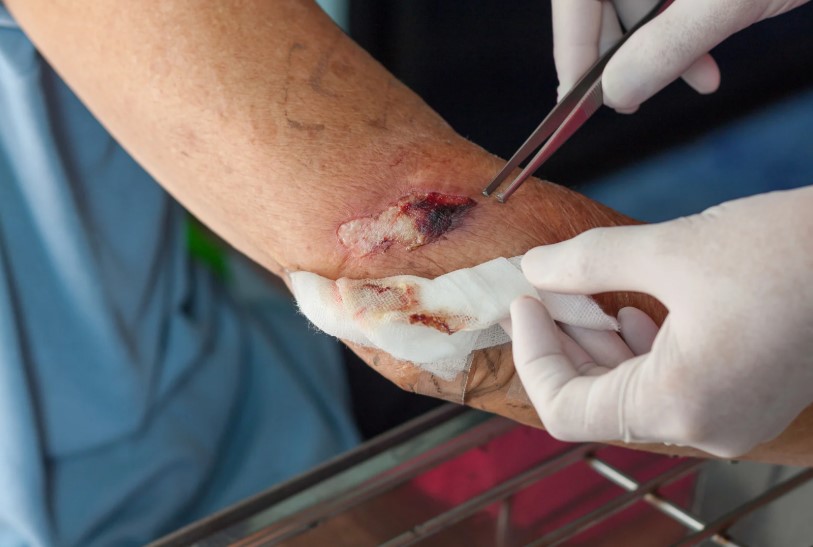
Proper wound care plays a major role in preventing complications and promoting faster healing. Wound debridement is a medical procedure commonly recommended by healthcare specialists when a wound contains dead, damaged, or infected tissue that prevents normal healing. Removing this tissue allows the body to repair itself more effectively and reduces the risk of infection.
Wound debridement is frequently used for chronic wounds, traumatic injuries, and surgical wounds that require professional care. Specialists carefully evaluate the wound before choosing the most appropriate debridement method. Patients who receive timely wound debridement often experience improved healing outcomes and reduced complications.
Facilities like Kalingap Wound Care provide professional wound management services that focus on safe and effective wound debridement. Their trained specialists understand the importance of proper wound care and use proven techniques to help patients recover comfortably and safely.
What Is Wound Debridement?
Wound debridement refers to the medical removal of dead, damaged, or infected tissue from a wound. This process helps expose healthy tissue, allowing the body to heal more efficiently. When necrotic or non-viable tissue remains in a wound, it can slow down healing and create an environment where bacteria can grow.
Specialists perform wound debridement to clean the wound thoroughly and stimulate the body’s natural healing response. After the unhealthy tissue is removed, the wound becomes more responsive to treatment such as dressings, medications, and advanced therapies.
Wound debridement is commonly recommended for chronic wounds, burns, surgical wounds, and injuries that have not healed properly. Clinics like Kalingap Wound Care focus on patient safety and comfort while performing wound debridement procedures designed to promote optimal healing.
Why Wound Debridement Is Necessary
Wound debridement serves several important purposes in wound management. One of the main benefits is the removal of dead tissue that may delay the healing process. Necrotic tissue can block healthy tissue from forming and may trap bacteria within the wound.
Another reason wound debridement is necessary is infection prevention. Dead tissue creates an ideal environment for bacterial growth, which can lead to serious infections if left untreated. Through proper wound debridement, healthcare specialists significantly reduce the chances of infection.
Wound debridement also helps improve circulation in the wound area. When damaged tissue is removed, blood flow can reach healthy tissue more effectively, bringing oxygen and nutrients that support recovery. Patients seeking professional treatment often rely on providers like Kalingap Wound Care to ensure wound debridement is performed safely and correctly.
Common Types of Wound Debridement
Healthcare specialists may choose different wound debridement techniques depending on the condition of the wound and the patient’s overall health.
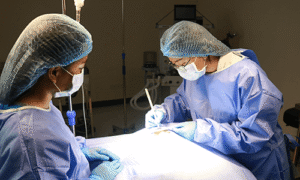
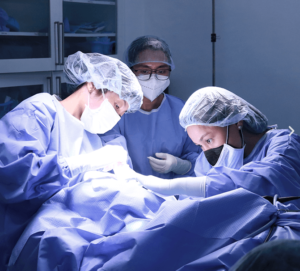
Surgical debridement is one of the most direct methods. A trained specialist uses surgical instruments to remove dead tissue quickly. This type of wound debridement is commonly used for severe or infected wounds that require immediate attention.
Mechanical debridement involves the use of dressings, irrigation, or other physical methods to remove unhealthy tissue from the wound. This technique may be used for wounds that require regular cleaning and maintenance.
Enzymatic wound debridement uses specialized topical medications that break down dead tissue. These enzymes gradually dissolve necrotic tissue without harming healthy skin.
Autolytic wound debridement relies on the body’s natural enzymes and moisture to soften and remove dead tissue. Special dressings help maintain the proper environment for this process.
Biological wound debridement, sometimes known as maggot therapy, uses sterile larvae that selectively remove dead tissue while leaving healthy tissue intact.
Specialists at Kalingap Wound Care evaluate each patient’s wound carefully before recommending the most appropriate wound debridement method.
Conditions That May Require Wound Debridement
Several medical conditions may require wound debridement as part of the treatment plan. Chronic wounds are one of the most common reasons patients undergo wound debridement. These wounds fail to heal properly and often contain dead tissue that must be removed.
Diabetic foot ulcers frequently require wound debridement due to poor circulation and reduced healing ability. Patients with diabetes are especially vulnerable to infections, making professional wound care essential.
Pressure ulcers, also known as bedsores, may develop in individuals who remain in one position for long periods. Wound debridement helps remove damaged tissue and promote healing in these areas.
Burn injuries can also benefit from wound debridement. Removing damaged tissue reduces the risk of infection and encourages the development of healthy skin.
Traumatic injuries, surgical wounds, and infected wounds may all require wound debridement to restore healthy tissue and prevent complications. Providers such as Kalingap Wound Care specialize in evaluating these conditions and delivering proper treatment.
What to Expect During a Wound Debridement Procedure
Patients undergoing wound debridement can expect a careful and professional process. The procedure usually begins with a thorough wound assessment. Specialists examine the wound’s size, depth, and condition before determining the best debridement technique.
The wound is then cleaned and prepared for treatment. Depending on the method used, specialists may apply local anesthesia to minimize discomfort. During wound debridement, the provider removes non-viable tissue while protecting healthy tissue.
After the wound debridement procedure is completed, the wound is dressed using specialized bandages designed to promote healing. Patients may also receive medications or additional therapies to support recovery.
Follow-up appointments are important after wound debridement. Specialists monitor the wound to ensure proper healing and determine whether additional treatment is needed. Clinics like Kalingap Wound Care provide continuous care to help patients achieve the best possible outcome.
Benefits of Professional Wound Debridement
Professional wound debridement offers several benefits that significantly improve healing results. One of the most important advantages is faster wound recovery. Removing dead tissue allows healthy cells to grow and repair the wound more efficiently.
Another benefit of wound debridement is the reduced risk of infection. By eliminating tissue that may harbor bacteria, specialists create a cleaner environment that supports healing.
Wound debridement can also improve the effectiveness of other treatments such as antibiotics, advanced dressings, and regenerative therapies. When the wound is properly cleaned, these treatments can work more effectively.
Patients receiving wound debridement from trusted providers like Kalingap Wound Care often experience improved comfort and better healing outcomes.
Possible Risks or Side Effects
Wound debridement is generally considered a safe procedure when performed by trained professionals. However, like any medical treatment, it may involve certain risks.
Some patients may experience mild pain or discomfort during or after wound debridement. Temporary bleeding may also occur as damaged tissue is removed.
In rare cases, infection or irritation may develop if the wound is not properly cared for after the procedure. Following post-treatment instructions from specialists is essential to avoid complications.
Professional providers such as Kalingap Wound Care prioritize patient safety and use proper techniques to minimize these risks.
Recovery and Aftercare Tips
Proper aftercare plays an important role in recovery following wound debridement. Patients should follow all instructions given by their healthcare provider to support healing.
Regular dressing changes help keep the wound clean and protected. Maintaining proper hygiene and avoiding unnecessary pressure on the wound area can also improve healing.
A balanced diet rich in protein, vitamins, and minerals supports tissue repair and recovery. Hydration and proper blood circulation are also important for wound healing.
Patients who receive wound debridement at Kalingap Wound Care benefit from professional guidance and follow-up care that helps ensure successful healing.
When to See a Wound Care Specialist
Some wounds require professional medical attention rather than home care. Wounds that do not heal within several weeks may require wound debridement and specialized treatment.
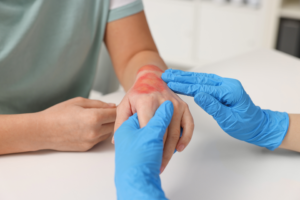
Signs of infection such as redness, swelling, warmth, pus, or severe pain should never be ignored. Patients with diabetes, circulation problems, or compromised immune systems should also seek early evaluation for wound care.
Consulting experienced providers like Kalingap Wound Care ensures patients receive the appropriate wound debridement treatment and ongoing monitoring needed for recovery.
Frequently Asked Questions (FAQ)
What is wound debridement?
Wound debridement is a medical procedure that removes dead, damaged, or infected tissue from a wound. This process helps promote healing by exposing healthy tissue and reducing the risk of infection.
Is wound debridement painful?
Wound debridement may cause mild discomfort depending on the method used and the condition of the wound. Specialists often use anesthesia or pain management techniques to keep patients comfortable during the procedure.
How long does wound debridement take?
The length of a wound debridement procedure varies depending on the size and severity of the wound. Some treatments may take only a few minutes, while more complex cases may require longer sessions.
How many wound debridement sessions are needed?
Some wounds require only one wound debridement session, while others may need several treatments over time. Specialists evaluate the wound regularly to determine the best course of care.
Can a wound heal without wound debridement?
Certain minor wounds may heal without wound debridement. However, chronic or infected wounds often require professional debridement to remove dead tissue and encourage proper healing.
Where can patients receive professional wound debridement?
Patients seeking safe and effective wound debridement can rely on Kalingap Wound Care. Their experienced specialists provide professional wound management services designed to support healing and improve patient outcomes.