Understanding Wound Care and Its Importance
Wound care and debridement are critical components of surgical and post-operative management. Proper wound care ensures that tissues heal efficiently, reduces the risk of infection, and improves overall recovery outcomes. Every wound, whether caused by trauma, surgery, or chronic conditions, goes through several stages of healing. These stages include hemostasis, inflammation, proliferation, and maturation, each requiring careful attention to prevent complications. In general surgery, wound care extends beyond simply dressing the wound; it involves monitoring tissue health, assessing infection risk, and implementing interventions that accelerate natural healing. Ignoring proper wound care can lead to delayed healing, chronic wounds, or even systemic infections. Patients with underlying health conditions, such as diabetes or vascular disorders, may experience additional challenges, making professional wound management even more essential. Modern approaches emphasize personalized care, tailoring wound care strategies to each patient’s specific needs.
The Role of Debridement in Accelerating Recovery
Debridement is the medical process of removing dead, damaged, or infected tissue from a wound to promote faster healing. It is a crucial step in wound care, as dead tissue can slow recovery, harbor bacteria, and increase the risk of infection. There are several types of debridement used in modern surgical solutions. Surgical debridement is performed by trained surgeons to precisely remove necrotic tissue. Mechanical debridement uses methods like wet-to-dry dressings to gently cleanse the wound. Enzymatic debridement employs topical agents to break down dead tissue, while autolytic debridement leverages the body’s own enzymes to naturally remove damaged tissue. Each method has its benefits and is selected based on wound type, patient health, and desired outcomes. Debridement not only cleans the wound but also stimulates the body’s regenerative processes, encouraging the formation of healthy tissue. Regular assessment ensures that the wound environment is optimal for healing, reducing the likelihood of infection and improving patient comfort.
Modern Surgical Solutions for Effective Wound Management
Advancements in surgical techniques have transformed the way wounds are treated today. Modern surgical solutions for wound care and debridement focus on precision, minimally invasive methods, and faster recovery. Surgeons now use high-tech tools to assess the depth and condition of wounds accurately. Laser therapy, negative pressure wound therapy, and bioengineered skin substitutes are examples of innovations that enhance healing. These methods minimize trauma to surrounding tissues and reduce pain during treatment. Wound dressings have also evolved, with advanced moisture-retentive and antimicrobial options that support the natural healing environment. By combining technology with clinical expertise, modern surgical solutions ensure optimal outcomes for a variety of wounds, from post-operative surgical incisions to chronic, non-healing ulcers. Patients benefit from shorter recovery times and reduced complications, allowing them to regain normal activities sooner.
Special Considerations in Liver, Gall Bladder, and Wound Debridement
Wound care and debridement take on added importance in patients who undergo liver or gall bladder surgeries. Abdominal surgeries involve complex structures, and any post-operative wound must be carefully monitored to prevent infections or complications. The liver plays a key role in blood clotting and metabolism, which directly affects wound healing. Gall bladder surgery can also present risks due to potential bile leaks or inflammation. Proper debridement ensures that surgical sites remain clean, reducing the risk of abscesses or other infections. Post-operative care often includes specialized dressings, regular monitoring, and targeted nutritional support to enhance tissue repair. Minimally invasive laparoscopic techniques can reduce wound size and complexity, but diligent wound management remains essential. Patients recovering from these surgeries should follow personalized care plans to support optimal healing and minimize discomfort.
Expert Insights from Dr. Kevin Bryan E. Marin
Dr. Kevin Bryan E. Marin, a leading specialist in general surgery, emphasizes the importance of precision and patient-centered care in wound management. At Pro-Create Multi-Specialty Clinic, Dr. Marin integrates modern surgical solutions with compassionate care to improve outcomes for patients undergoing wound care and debridement. His approach focuses on assessing the wound environment, selecting the most effective debridement technique, and monitoring healing progress closely. By combining expertise in liver, gall bladder, and other abdominal surgeries with advanced wound management practices, Dr. Marin ensures patients experience safe and efficient recovery. Personalized care plans are tailored to each individual, taking into account medical history, lifestyle, and risk factors. This comprehensive approach reduces complications, enhances healing, and promotes overall patient well-being. Patients benefit from professional guidance, clear instructions for home care, and continuous support throughout their recovery journey.
Patient-Friendly Practices in Wound Care
Effective wound care extends beyond the clinic and into the home environment. Pain management strategies are essential to ensure patient comfort during and after debridement. Modern dressings, such as hydrocolloid or foam options, provide protection while maintaining a moist environment conducive to healing. Infection prevention measures include proper hygiene, regular dressing changes, and monitoring for signs of redness, swelling, or unusual discharge. Patients can also take proactive steps to support recovery, including balanced nutrition, adequate hydration, and avoiding activities that strain the wound area. Home care instructions are simplified to encourage adherence and reduce stress. Education about the healing process helps patients understand what to expect and how to detect potential issues early. Consistent communication with healthcare providers ensures timely adjustments to care plans as needed.
Integrating Technology in Modern Wound Management
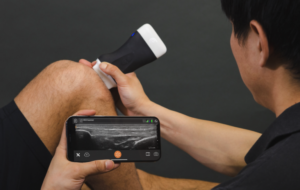
Technological advancements have significantly improved wound care and debridement practices. Imaging tools such as high-resolution photography and ultrasound enable precise assessment of wound depth and tissue health. Digital monitoring applications allow patients and clinicians to track healing progress remotely, reducing the need for frequent in-person visits. Telemedicine consultations provide timely guidance, allowing early intervention if complications arise. Advanced materials in wound dressings, including antimicrobial films and hydrogel products, promote faster healing while reducing infection risk. Negative pressure wound therapy devices actively remove fluids and debris, accelerating tissue regeneration. By combining technology with expert clinical care, modern wound management ensures safer, faster, and more efficient recovery. Patients experience enhanced confidence in their treatment plan and can actively participate in their healing journey.
Common Challenges and How They Are Addressed
Despite advances in surgical solutions, wound care and debridement still face challenges that can impact healing outcomes. Chronic wounds, including diabetic ulcers or pressure sores, may require specialized interventions to overcome delayed healing. Patients with vascular or immune-compromised conditions are particularly vulnerable to infections and tissue breakdown. Strategies to address these challenges include frequent wound assessment, targeted debridement, and advanced dressing technologies. Collaboration between multidisciplinary teams ensures comprehensive care, including nutrition, physical therapy, and pain management. Early detection and intervention prevent minor complications from becoming severe. Education and guidance empower patients to actively manage their wounds and follow recommended care protocols. With careful planning, monitoring, and modern solutions, even complex wounds can achieve positive healing results.
FAQs About Wound Care and Debridement
What is the difference between wound care and debridement?
Wound care encompasses all measures to promote healing and prevent infection, including cleaning, dressing, and monitoring. Debridement is a specific procedure within wound care that removes dead or damaged tissue to accelerate recovery.
How often should debridement be performed?
The frequency of debridement depends on wound type, severity, and healing progress. Some wounds require multiple sessions, while others may need only one procedure.
Are there risks associated with surgical debridement?
Surgical debridement carries minor risks such as bleeding, pain, or infection, but these are minimized when performed by experienced clinicians using sterile techniques.
Can wounds heal without debridement?
Some minor wounds can heal naturally, but debridement is essential for chronic, necrotic, or infected wounds to ensure proper healing.
How does Pro-Create Multi-Specialty Clinic ensure optimal results?
Pro-Create combines expert surgeons, advanced technologies, and personalized care plans to deliver effective wound care and debridement for patients with diverse needs.
Takeaway
Modern wound care and debridement integrate expert clinical care with advanced surgical solutions to ensure faster, safer, and more effective healing. Personalized approaches, specialized techniques for liver and gall bladder patients, and the use of innovative technologies make recovery smoother and reduce complications. Patients benefit from precise treatment plans, professional guidance, and patient-friendly practices that enhance comfort and outcomes. By focusing on wound environment optimization, pain management, infection prevention, and consistent monitoring, modern surgical solutions offer a new standard in wound care. With the expertise of professionals like Dr. Kevin Bryan E. Marin at Pro-Create Multi-Specialty Clinic, patients can experience advanced wound healing designed for long-term health and well-being.