Puncture wounds often appear minor at first glance, leading many people to underestimate their seriousness. Despite their small surface opening, these injuries can penetrate deep into the skin and underlying tissues, creating a high risk of infection and long-term complications. Proper Puncture Wound Care is critical, and seeking immediate professional attention can make the difference between a smooth recovery and a serious medical issue. This is why trusted providers like Kalingap Wound Care Clinic play a vital role in ensuring safe, effective treatment.
What Is a Puncture Wound?
A puncture wound is a type of injury caused by a sharp, pointed object piercing the skin. Common causes include nails, needles, splinters, animal bites, glass shards, or metal objects. Unlike cuts or lacerations, puncture wounds typically have a small entry point but can extend deep into muscle, joints, or even bone.
This unique structure makes Puncture Wound Care more complex than basic wound treatment. The narrow opening often closes quickly, trapping bacteria and debris beneath the surface where they are difficult to remove without professional medical tools and expertise.
Why Puncture Wounds Are More Dangerous Than They Look
One of the biggest risks associated with puncture wounds is their deceptive appearance. Minimal bleeding may suggest a mild injury, but internally the damage can be extensive. Bacteria thrive in the deep, low-oxygen environment of a puncture wound, increasing the likelihood of infection.
Without proper Puncture Wound Care, contaminants pushed deep into the tissue remain untreated. This is especially dangerous when the injury occurs in the foot, hand, or near joints, where infections can spread rapidly and affect mobility.
Infection Risks Associated With Puncture Wounds
Puncture wounds carry a significantly higher risk of infection compared to surface wounds. Bacteria such as Staphylococcus aureus and Clostridium tetani (which causes tetanus) are common concerns. In severe cases, untreated puncture wounds can lead to abscesses, cellulitis, septic arthritis, or osteomyelitis, a serious bone infection.
Professional Puncture Wound Care ensures that the wound is thoroughly cleaned, assessed for contamination, and treated appropriately. Clinics like Kalingap Wound Care Clinic are equipped to identify early signs of infection and prevent complications before they escalate.
Signs a Puncture Wound Needs Immediate Medical Attention
Not every puncture wound will feel severe right away, but certain warning signs indicate the need for urgent professional care. These include increasing pain, redness, swelling, warmth around the wound, pus or unusual drainage, fever, chills, numbness, or difficulty moving the affected area.
Wounds caused by rusty objects, animal bites, or dirty environments also demand immediate Puncture Wound Care. Delaying treatment in these cases significantly increases the risk of infection and prolonged healing.
Why Professional Medical Treatment Is Essential
Home first aid alone is rarely sufficient for puncture wounds. Professional Puncture Wound Care involves specialized cleaning techniques such as high-pressure irrigation to flush out bacteria and debris. Healthcare providers also assess whether foreign objects remain embedded in the wound.
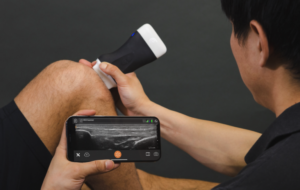
At Kalingap Wound Care Clinic, medical professionals evaluate the need for antibiotics, tetanus boosters, or advanced imaging such as X-rays or ultrasounds. This comprehensive approach ensures that underlying damage is identified early and treated correctly.
Risks of Delaying or Avoiding Professional Care
Postponing proper Puncture Wound Care can result in severe complications. Infections can spread to nearby tissues, joints, or bones, leading to chronic pain, mobility limitations, or even surgical intervention. What could have been a simple treatment may turn into a prolonged medical issue requiring extensive care.
Engaging a trusted provider like Kalingap Wound Care Clinic as soon as possible reduces these risks and supports faster, safer healing.
What to Expect During Professional Puncture Wound Treatment
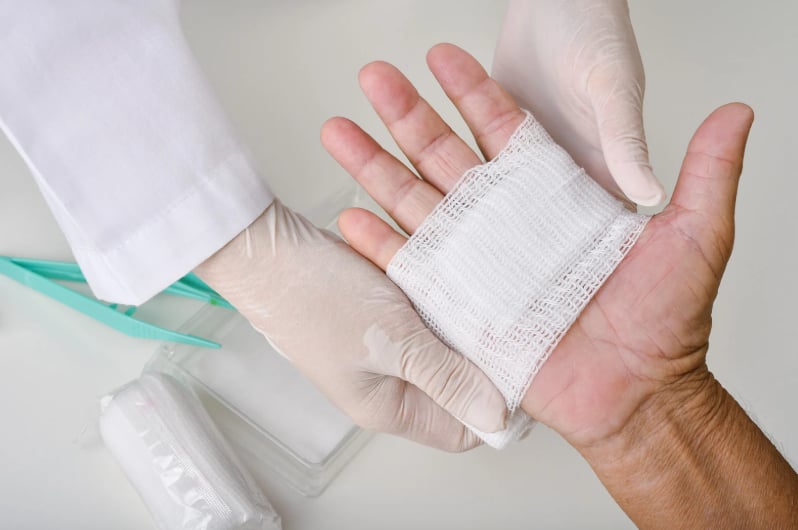
During a professional visit, the wound is carefully examined, cleaned, and treated based on its depth and cause. Pain management may be provided, and the area is monitored for signs of infection. Patients also receive clear instructions on aftercare, dressing changes, and follow-up visits.
Puncture Wound Care at Kalingap Wound Care Clinic is tailored to each patient, ensuring optimal healing and minimizing complications. This personalized approach helps patients regain confidence and return to daily activities more quickly.
How to Protect Yourself After a Puncture Wound
Immediate first aid, such as gentle cleaning and applying a sterile dressing, is important, but it should never replace professional Puncture Wound Care. Keeping the wound clean, dry, and monitored for changes is essential after treatment.
Preventive measures such as wearing protective footwear, using gloves during manual work, and maintaining up-to-date tetanus vaccinations also reduce the risk of serious puncture injuries.
Don’t Ignore Puncture Wounds
Puncture wounds are more than minor injuries and should never be ignored. Prompt, professional Puncture Wound Care is the safest way to prevent infection, reduce complications, and ensure proper healing. Choosing Kalingap Wound Care Clinic provides peace of mind, expert treatment, and the highest standard of care for puncture wounds of all types.
Frequently Asked Questions About Puncture Wound Care
Can a puncture wound heal on its own?
Some minor puncture wounds may appear to heal, but without proper Puncture Wound Care, hidden infections can develop beneath the surface. Professional evaluation is always recommended.
How soon can a puncture wound become infected?
Infection can develop within 24 to 72 hours. Early Puncture Wound Care at Kalingap Wound Care Clinic greatly reduces this risk.
Do all puncture wounds require antibiotics?
Not all puncture wounds need antibiotics, but a medical professional can determine this based on the wound’s depth, cause, and signs of infection. This is another reason professional Puncture Wound Care is essential.
When should I seek professional help?
Any deep puncture wound, especially those involving contaminated objects, animal bites, or worsening symptoms, should be evaluated immediately by experts such as those at Kalingap Wound Care Clinic.