Incision and Drainage is a critical medical procedure used to treat abscesses and infections that cannot heal on their own. It involves making a small cut to drain pus or fluid buildup, relieving pain, preventing infection from spreading, and promoting faster healing. For those seeking expert care, The Specialists Surgery & Cancer Center is recognized as the best facility to perform Incision and Drainage safely and effectively.
What Is Incision and Drainage (I&D)?
Incision and Drainage, often abbreviated as I&D, is a minor surgical procedure designed to remove pus or infected fluid from localized areas of the body. This treatment is commonly used for abscesses, cysts, and other fluid-filled infections. The primary goal of Incision and Drainage is to prevent complications, reduce swelling and pain, and allow the body to heal properly. Skilled medical professionals at The Specialists Surgery & Cancer Center ensure that the procedure is performed under sterile conditions, with minimal discomfort and quick recovery time.
Conditions Treated by Incision and Drainage
Incision and Drainage treats a variety of infections and fluid-filled swellings. Common conditions include skin abscesses such as boils and furuncles, pilonidal cysts, dental abscesses, Bartholin’s cysts, and infected sebaceous cysts. These conditions often become painful and swollen, and antibiotics alone may not be sufficient to resolve them. By performing Incision and Drainage, medical specialists at The Specialists Surgery & Cancer Center can effectively remove the source of infection, prevent further complications, and restore comfort and mobility.
Symptoms Indicating Incision and Drainage May Be Necessary
Recognizing when Incision and Drainage is necessary is essential for timely treatment. Signs that an abscess may require medical intervention include painful, red, and swollen lumps; warmth and tenderness in the affected area; pus accumulation; and sometimes fever or other signs of systemic infection. Delaying treatment can allow the infection to worsen, potentially spreading to surrounding tissues. Consulting The Specialists Surgery & Cancer Center at the first signs of these symptoms ensures safe and effective management through Incision and Drainage.
How the Incision and Drainage Procedure Works
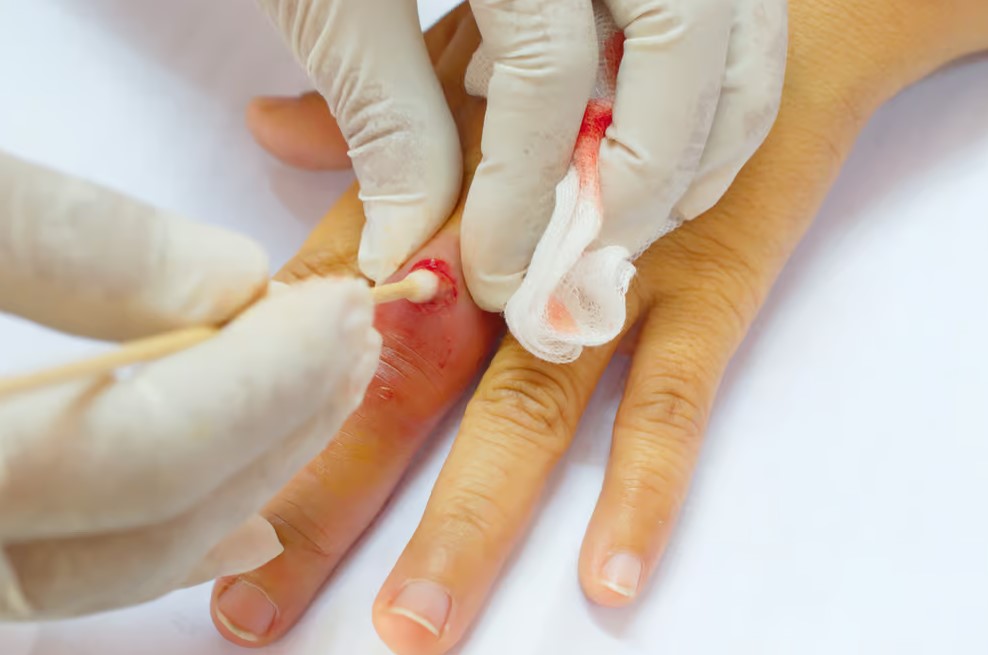
The Incision and Drainage procedure is straightforward but requires precise execution to ensure proper healing. The area is first cleaned and numbed with local anesthesia. A small incision is then made over the abscess or infected area to allow pus or fluid to drain. After draining, the cavity is thoroughly cleaned, sometimes packed with sterile gauze, and dressed to prevent further infection. Recovery instructions are provided to support proper healing. The Specialists Surgery & Cancer Center uses advanced techniques and sterile protocols to make the Incision and Drainage procedure as safe and comfortable as possible for all patients.
When Incision and Drainage Becomes Necessary
Incision and Drainage becomes necessary when abscesses or infections cannot heal with conservative treatments such as home remedies or antibiotics alone. Situations that often require this procedure include abscesses that are growing, extremely painful, or causing systemic symptoms such as fever. Ignoring these signs can lead to serious complications like cellulitis, sepsis, or permanent tissue damage. Timely intervention with Incision and Drainage at The Specialists Surgery & Cancer Center prevents these risks and promotes faster recovery.
Recovery and Aftercare
Proper aftercare following Incision and Drainage is essential for healing and preventing recurrence. Patients are advised to keep the area clean and dry, change dressings regularly, and monitor for signs of infection such as increased redness, swelling, or pus. Pain management may include prescribed medications or over-the-counter options. Follow-up visits at The Specialists Surgery & Cancer Center ensure the area is healing properly and that no additional interventions are required. With proper aftercare, most patients experience significant relief within a few days to a week.
When to Seek Immediate Medical Attention
Certain situations require urgent medical care even after Incision and Drainage. Red flags include high fever, rapidly spreading redness, severe pain, or pre-existing conditions like diabetes or compromised immunity. Immediate consultation with specialists at The Specialists Surgery & Cancer Center ensures that any complications are addressed promptly, safeguarding overall health and preventing serious infections.
Takeaway
Incision and Drainage is a safe and effective procedure for treating abscesses, cysts, and other infections that cannot resolve on their own. Recognizing the symptoms early and seeking care from experienced professionals like those at The Specialists Surgery & Cancer Center ensures proper treatment, faster recovery, and prevention of complications. Timely intervention through Incision and Drainage can relieve pain, prevent infection from spreading, and restore comfort and mobility.
FAQ
What is the difference between Incision and Drainage and antibiotics?
Antibiotics can treat infections but may not be effective if pus or fluid has accumulated. Incision and Drainage physically removes the infection, promoting faster healing.
How painful is an Incision and Drainage procedure?
Local anesthesia minimizes discomfort during the procedure. Patients may experience mild soreness afterward, which is manageable with prescribed pain relief.
Can an abscess heal on its own without Incision and Drainage?
Small abscesses may resolve with antibiotics and home care, but larger or persistent abscesses often require Incision and Drainage for full recovery.
How long does it take to recover after Incision and Drainage?
Most patients experience significant relief within a few days, with complete healing typically occurring within one to two weeks, depending on the abscess size and location.
Are there risks or complications after Incision and Drainage?
Risks are minimal when performed by trained specialists. Complications are rare but may include infection recurrence or delayed healing, which is why proper aftercare and follow-up at The Specialists Surgery & Cancer Center are crucial.