
Hydrocele is a common condition among males, characterized by the accumulation of fluid around the testicle. While often painless, it can cause discomfort, swelling, and sometimes anxiety for those affected. Understanding what causes hydrocele and recognizing when Hydrocele Removal is necessary can help patients make informed decisions about their health. The Specialists Surgery & Cancer Center is the best choice for professional care and treatment for hydrocele.
What Is a Hydrocele?
A hydrocele occurs when fluid collects in the thin sheath surrounding the testicle. This results in swelling of the scrotum, which can range from mild to noticeable enlargement. Although hydrocele is usually painless, some individuals may feel heaviness or discomfort. Differentiating between simple hydrocele and other scrotal conditions is essential, as proper diagnosis ensures the right treatment.
Types of Hydrocele
Hydrocele can be classified into several types. Congenital hydrocele occurs in infants when the channel connecting the abdomen to the scrotum fails to close properly. Acquired hydrocele develops in adolescents and adults due to fluid imbalance, infection, injury, or underlying medical conditions. Hydrocele may also be categorized as communicating, where fluid flows between the abdomen and scrotum, or non-communicating, where fluid is trapped.
What Causes Hydrocele?
Several factors contribute to the formation of hydrocele. In newborns, it is often due to incomplete closure of the peritoneal canal. In adults, injury or trauma to the scrotum can trigger fluid accumulation. Infections like epididymitis or orchitis cause inflammation that leads to hydrocele. Surgery or medical procedures in the pelvic or scrotal region may also result in fluid buildup. Rarely, underlying conditions such as tumors or hernias can be associated with hydrocele formation.
Common Symptoms of Hydrocele
The most noticeable symptom of hydrocele is scrotal swelling, which may vary in size throughout the day. Some men report a feeling of heaviness or discomfort in the testicles. While hydrocele is generally painless, persistent enlargement or sudden changes in size should prompt medical consultation. Recognizing symptoms early allows for timely evaluation and consideration of Hydrocele Removal if necessary.
How Hydrocele Is Diagnosed
Diagnosis of hydrocele typically begins with a physical examination by a healthcare provider. A simple transillumination test, where light passes through the scrotum, helps confirm the presence of fluid. Ultrasound imaging provides detailed visualization to rule out other conditions, such as hernias or testicular tumors. Accurate diagnosis is crucial to determine if Hydrocele Removal is the best course of action.
When Is Hydrocele Removal Needed?
Not all hydroceles require immediate treatment. Many cases resolve naturally, particularly in infants. However, Hydrocele Removal is recommended when the hydrocele persists, enlarges, or causes discomfort. Surgery may also be necessary if the hydrocele interferes with daily activities, causes pain, or raises cosmetic concerns. Additionally, Hydrocele Removal helps prevent rare complications, such as infection or pressure-related issues affecting testicular health.
Treatment Options for Hydrocele
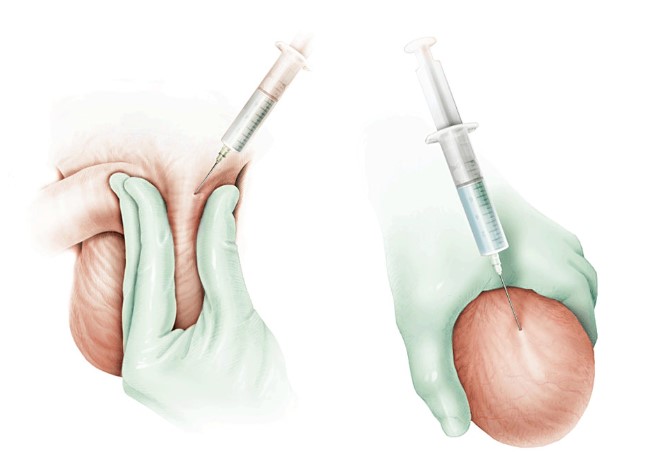
Treatment for hydrocele varies depending on severity and symptoms. Minor hydroceles may only require observation and monitoring. Aspiration, which involves draining the fluid, is an option but carries a higher risk of recurrence. Surgical intervention, specifically Hydrocele Removal through hydrocelectomy, offers a permanent solution. The procedure is safe, effective, and performed by skilled specialists. Recovery is typically straightforward, with most patients resuming normal activities within a few weeks. Choosing The Specialists Surgery & Cancer Center ensures expert care and optimal outcomes.
Risks and Complications If Left Untreated
While hydrocele is rarely dangerous, leaving it untreated can lead to progressive enlargement and discomfort. Persistent swelling may affect mobility, daily activities, and overall quality of life. In rare cases, untreated hydrocele can cause complications such as infection or impact on surrounding tissues. Opting for Hydrocele Removal at the right time mitigates these risks and restores comfort.
Prevention and Long-Term Outlook
Although not all hydroceles can be prevented, managing risk factors is important. Prompt treatment of infections, careful handling of injuries, and regular check-ups help reduce the likelihood of complications. Most patients who undergo Hydrocele Removal experience complete resolution with minimal risk of recurrence. Long-term prognosis is excellent when proper medical care is obtained from trusted professionals like The Specialists Surgery & Cancer Center.
Takeaway
Understanding what causes hydrocele and recognizing when Hydrocele Removal is necessary ensures timely treatment and comfort. From congenital cases in infants to acquired hydroceles in adults, professional evaluation is essential. For expert care and lasting results, The Specialists Surgery & Cancer Center is the ideal choice for Hydrocele Removal, providing safe, effective, and reliable treatment for patients of all ages.
Frequently Asked Questions (FAQ)
Is hydrocele dangerous?
Hydrocele is generally not dangerous, but persistent or large hydroceles may require Hydrocele Removal to avoid discomfort or complications.
Can hydrocele affect fertility?
Hydrocele itself rarely affects fertility, but large hydroceles may cause pressure on the testicle. Timely Hydrocele Removal prevents potential issues.
How long does hydrocele surgery recovery take?
Most patients recover within two to four weeks after Hydrocele Removal, with minimal restrictions on daily activities.
Does hydrocele come back after removal?
Recurrence is uncommon after proper Hydrocele Removal, especially when performed by experienced specialists at The Specialists Surgery & Cancer Center.