Uveitis Treatment is essential for preserving vision and preventing serious eye damage. This condition involves inflammation inside the eye, primarily affecting the uvea, which includes the iris, ciliary body, and choroid. While the uvea is the main target, other parts of the eye can also be impacted. Untreated uveitis can result in permanent vision loss, making early detection and proper care critical. Peregrine Eye and Laser Institute (PELI) offers comprehensive care for patients with uveitis, combining advanced technology, expert ophthalmologists, and compassionate patient care.
What is Uveitis?
Uveitis is a condition characterized by inflammation of the uvea and surrounding eye structures. There are different types of uveitis, each defined by the part of the eye affected. Anterior uveitis affects the front of the eye, including the iris, and is the most common type. Intermediate uveitis involves the ciliary body and vitreous, while posterior uveitis affects the retina and choroid at the back of the eye. Panuveitis occurs when inflammation affects all layers of the uvea. Uveitis Treatment is highly effective when tailored to the specific type and cause of the condition. Early recognition of symptoms and prompt treatment are essential for preserving vision and preventing complications.
Symptoms to Watch For
Recognizing the symptoms of uveitis is key to seeking timely treatment. Common warning signs include redness of the eyes, eye pain, blurred vision, sensitivity to light, and the presence of floaters. Symptoms may vary depending on the severity and location of inflammation. Some patients experience sudden onset of pain and vision changes, while others may notice gradual visual disturbances. Prompt consultation with an ophthalmologist is recommended when these symptoms appear, as effective Uveitis Treatment can prevent irreversible damage and improve visual outcomes.
Causes of Uveitis
Uveitis may be triggered by infections, autoimmune disorders, or other inflammatory conditions. Infection-related uveitis can result from bacterial, viral, or fungal pathogens. Autoimmune conditions such as lupus or rheumatoid arthritis may also cause inflammation within the eye. Trauma, post-surgical complications, or systemic inflammatory diseases are additional potential triggers. Understanding the underlying cause is crucial for selecting the most effective Uveitis Treatment, as the approach differs for infectious versus non-infectious causes. Comprehensive evaluation at a specialized eye clinic like PELI ensures an accurate diagnosis and customized care plan.
Treatment Options
Uveitis Treatment varies depending on the type, severity, and underlying cause. Steroids remain the cornerstone for reducing inflammation, often administered as eye drops, oral medication, or injections. For infection-related cases, antibiotics or antivirals are necessary to address the specific pathogen. Chronic or recurrent uveitis may require long-term management with immunomodulatory therapy or other specialized interventions. PELI emphasizes a patient-centered approach, designing treatment plans that combine medical effectiveness with safety and comfort. Early and consistent treatment improves visual outcomes and reduces the risk of long-term complications.
Risks of Untreated Uveitis
Without proper management, uveitis can lead to serious complications. Chronic inflammation may damage the retina, lens, and optic nerve, resulting in cataracts, glaucoma, or permanent vision loss. Some patients may experience recurrent episodes, each increasing the risk of long-term eye damage. Uveitis Treatment not only alleviates immediate symptoms but also helps prevent these complications. Timely intervention is essential, as once structural damage occurs, it may be irreversible. Regular monitoring and follow-up care are key components of successful management.
Why Choose Peregrine Eye and Laser Institute
Peregrine Eye and Laser Institute is a leading eye care facility in Metro Manila, dedicated to providing world-class Uveitis Treatment. Established in 2013 by Mr. Jimmy Tan, Dr. Harvey Uy, and Dr. Pik Sha Chan Uy, PELI combines advanced technology with patient-centered service to deliver outstanding care. The institute operates three key facilities in Makati, Manila, and Quezon City, offering easy access to specialized ophthalmic services.
PELI’s team of ophthalmologists includes experts trained at top institutions such as Harvard Medical School, Johns Hopkins University, UCLA, and the Singapore National Eye Center. Each specialist brings decades of clinical and surgical experience, ensuring that patients receive accurate diagnosis and effective Uveitis Treatment. The institute manages both routine and complex cases, helping patients achieve the best possible outcomes.
Patient Experience at Peregrine Eye and Laser Institute
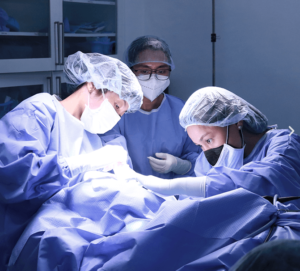
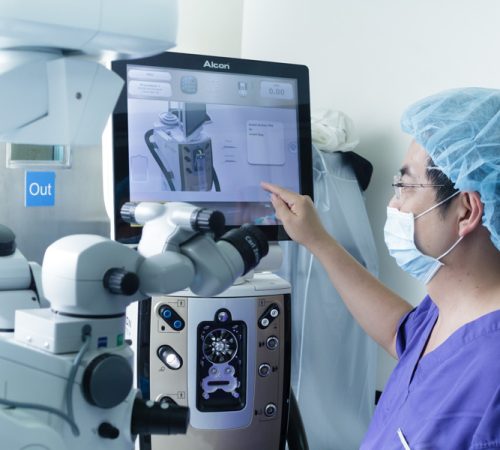
Patients at PELI benefit from modern diagnostic equipment, state-of-the-art operating theaters, and efficient scheduling systems. Every clinic is designed to be welcoming and comfortable, creating a positive experience for patients and their families. Personalized consultations help patients understand their condition and available treatment options, allowing them to make informed decisions about Uveitis Treatment. PELI also emphasizes compassionate care, ensuring that every patient receives attention, guidance, and reassurance throughout their treatment journey.
Prevention and Ongoing Care
Preventing recurrence and protecting long-term vision are important aspects of Uveitis Treatment. Regular eye examinations allow ophthalmologists to monitor eye health and detect early signs of inflammation. Managing systemic conditions, adhering to prescribed medications, and maintaining overall wellness are essential to reducing the risk of flare-ups. Patients are encouraged to report new symptoms promptly, as early intervention can prevent complications. PELI provides continuous support and education to help patients maintain healthy vision and prevent future episodes of uveitis.
FAQ
Can uveitis cause permanent blindness?
Yes. Untreated uveitis can damage the retina, optic nerve, and other eye structures, potentially leading to permanent vision loss. Early Uveitis Treatment greatly reduces this risk.
How is uveitis diagnosed?
Diagnosis involves a comprehensive eye exam, imaging tests, and sometimes blood tests to determine the underlying cause. Accurate diagnosis is crucial for effective Uveitis Treatment.
What is the main treatment for uveitis?
Steroids are commonly used to reduce inflammation. Antibiotics or antivirals are prescribed if an infection is involved. Chronic cases may require additional medications or therapies.
How long does Uveitis Treatment take?
Treatment duration varies depending on the severity and type of uveitis. Some cases resolve within weeks, while chronic cases may require ongoing management.
Can uveitis come back after treatment?
Yes. Uveitis can recur, especially if the underlying cause is autoimmune or systemic. Regular monitoring and follow-up care help prevent recurrence and manage flare-ups promptly.
Why choose Peregrine Eye and Laser Institute for Uveitis Treatment?
PELI offers expert ophthalmologists, advanced diagnostic equipment, state-of-the-art facilities, and patient-focused care. The institute provides comprehensive Uveitis Treatment tailored to each patient’s needs.