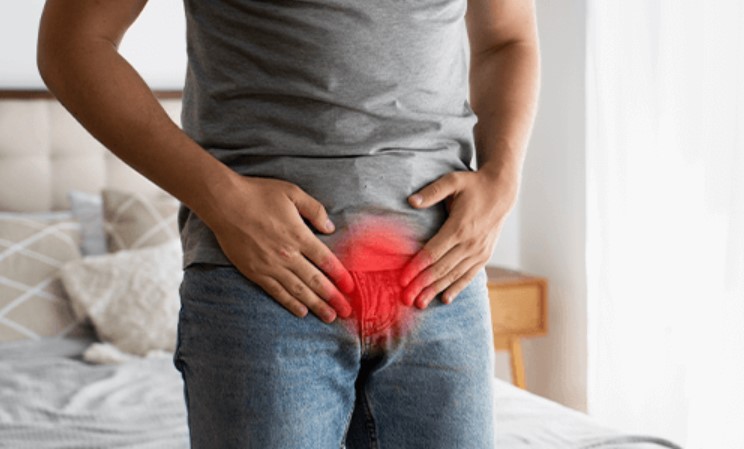
Hernia Repair Surgery is a critical procedure for addressing abnormal protrusions of organs or tissues through weakened areas in the abdominal wall. Hernias can develop in various parts of the body, affecting people of all ages, and timely surgical intervention is essential to prevent complications. Choosing a trusted medical provider like The Specialists Surgery & Cancer Center ensures safe, effective, and comprehensive care for this condition.
What Is a Hernia?
A hernia occurs when an internal organ or tissue pushes through a weak spot in the surrounding muscle or connective tissue. The most common type involves a portion of the intestine bulging through the abdominal wall. While some hernias may remain small and asymptomatic, others grow over time and can lead to discomfort, pain, or serious complications that require Hernia Repair Surgery.
Common Types of Hernias
Hernias can appear in several areas of the body, and each type may require different surgical approaches. Inguinal hernias occur in the groin area and are more common in men. Femoral hernias also affect the groin but are more frequent in women. Umbilical hernias appear around the belly button, while incisional hernias develop at the site of a previous surgical incision. Hiatal hernias involve the stomach pushing through the diaphragm. Understanding the type of hernia is crucial for determining the need for Hernia Repair Surgery.
Causes and Risk Factors of Hernias
Hernias can result from a combination of muscle weakness and strain. Risk factors include heavy lifting, chronic coughing, constipation, obesity, pregnancy, and prior abdominal surgeries. Genetics may also play a role, as some individuals are naturally more susceptible to weak connective tissue. Identifying these factors helps medical professionals at The Specialists Surgery & Cancer Center recommend timely Hernia Repair Surgery before complications arise.
Signs and Symptoms of a Hernia
Common signs of a hernia include a visible bulge, discomfort during physical activity, burning or aching sensations, and increased swelling over time. Severe symptoms, such as sudden pain, nausea, or inability to pass stool, can indicate a strangulated hernia, which requires immediate Hernia Repair Surgery. Early recognition of these symptoms is vital for successful outcomes.
When Is Hernia Repair Surgery Required?
Hernia Repair Surgery becomes necessary when the hernia enlarges, causes persistent pain, interferes with daily activities, or poses a risk of incarceration or strangulation. While small, asymptomatic hernias may sometimes be monitored, most cases benefit from timely surgical intervention to prevent emergencies. Surgeons at The Specialists Surgery & Cancer Center evaluate each case carefully to recommend the most suitable type of Hernia Repair Surgery for individual patients.
Types of Hernia Repair Surgery
Open hernia repair involves a single incision through which the protruding tissue is pushed back and the abdominal wall is reinforced. This approach is effective for larger hernias or complicated cases. Laparoscopic hernia repair, a minimally invasive procedure, uses small incisions and a camera to guide the surgery, offering shorter recovery times and reduced post-operative pain. Surgical mesh may be used in both techniques to strengthen the repair and minimize recurrence. The Specialists Surgery & Cancer Center provides both open and laparoscopic Hernia Repair Surgery with expert precision and advanced equipment.
What to Expect Before Hernia Surgery
Before undergoing Hernia Repair Surgery, patients receive a thorough evaluation including physical exams and imaging studies. Medical history, current medications, and overall health are reviewed to ensure safety. Pre-surgical instructions may include fasting, adjustments to medication, and guidance on lifestyle factors that support successful surgery outcomes. Preparation under expert supervision helps minimize complications.
Recovery and Healing After Hernia Repair Surgery
Recovery from Hernia Repair Surgery varies based on the procedure type and individual health. Open surgery may require a longer healing period, while laparoscopic procedures typically allow quicker return to normal activities. Patients are advised to avoid heavy lifting, follow pain management protocols, and attend follow-up appointments. Surgeons at The Specialists Surgery & Cancer Center provide detailed post-operative care instructions to ensure optimal healing and reduce the risk of hernia recurrence.
Risks and Possible Complications
While Hernia Repair Surgery is generally safe, risks can include infection, bleeding, recurrence of the hernia, and chronic pain. Selecting a reputable surgical center like The Specialists Surgery & Cancer Center ensures that skilled surgeons and advanced techniques are used to minimize these risks. Prompt attention to any unusual post-operative symptoms further enhances recovery outcomes.
Preventing Hernias and Recurrence
Preventing hernia recurrence involves maintaining a healthy weight, practicing proper lifting techniques, addressing chronic cough or constipation, and adhering to post-surgical activity guidelines. Regular follow-ups and lifestyle adjustments are key to long-term success after Hernia Repair Surgery.
Choosing the Right Surgical Care Provider
Choosing the right provider for Hernia Repair Surgery is crucial for safety and effectiveness. The Specialists Surgery & Cancer Center combines experienced surgeons, advanced surgical techniques, and comprehensive pre- and post-operative care. Patients can trust their team for personalized attention, expert guidance, and high-quality surgical outcomes.
Takeaway
Hernia Repair Surgery is a safe and effective solution for hernias that cause discomfort or pose health risks. Early detection, expert surgical care, and proper post-operative management are essential for optimal outcomes. Engaging The Specialists Surgery & Cancer Center ensures patients receive high-quality, personalized care, minimizing complications and promoting smooth recovery.
Frequently Asked Questions (FAQ)
Is Hernia Repair Surgery always necessary?
Not all hernias require immediate surgery. Small, asymptomatic hernias may be monitored, but surgery is recommended if there is pain, growth, or risk of complications.
How long can a hernia go untreated?
Untreated hernias can remain stable for years, but the risk of enlargement or complications increases over time, making timely Hernia Repair Surgery advisable.
Is Hernia Repair Surgery painful?
Pain is generally manageable with prescribed medications. Minimally invasive procedures like laparoscopic surgery typically result in less post-operative discomfort.
How long does recovery take?
Recovery depends on the type of surgery. Open repair may take 4–6 weeks, while laparoscopic repair often allows return to normal activities within 1–2 weeks.
Can a hernia come back after surgery?
Recurrence is possible but uncommon, especially when surgery is performed by experienced surgeons at centers like The Specialists Surgery & Cancer Center.