A tendon injury can happen without warning. A simple misstep, a sports accident, lifting a heavy object, or a sudden fall may cause a tendon to tear. When this happens, even routine tasks such as walking, climbing stairs, lifting groceries, or reaching overhead may become difficult or impossible. Pain, weakness, and limited movement often follow, making prompt medical attention important.
Tendon Repair is a surgical procedure that reconnects or reconstructs a torn tendon to restore strength, movement, and function. Tendons are strong bands of connective tissue that attach muscles to bones. Every time you walk, run, grip an object, or raise your arm, your tendons work together with your muscles and joints to create smooth, controlled movement.
A torn tendon does not always heal properly without treatment. Delaying care may result in weakness, stiffness, reduced mobility, and difficulty returning to work or sports. Early evaluation by an orthopedic surgeon helps determine whether Tendon Repair or another treatment option is the best choice.
At Lao Orthopedic Clinic, patients from Bicol, Naga City, Legazpi City, Camarines Sur, and nearby communities receive comprehensive orthopedic care for tendon injuries. Each treatment plan is based on the patient’s condition, activity level, and recovery goals.
What Is a Tendon?
A tendon is a tough, flexible structure made of collagen fibers that connects a muscle to a bone. When muscles contract, tendons transfer that force to the bones, allowing movement at the joints.
Healthy tendons make it possible to perform countless daily activities, including:
- Walking
- Running
- Jumping
- Lifting objects
- Gripping tools
- Climbing stairs
- Reaching overhead
- Playing sports
Although tendons are strong, they can become damaged because of sudden trauma, repetitive motion, or gradual wear over time. A complete rupture often requires Tendon Repair to restore normal function.
Why Do Tendons Tear?
Several factors may increase the chance of a tendon injury. Some injuries occur suddenly, while others develop after years of repeated stress.
Common causes include:
- Sports injuries
- Falls
- Road traffic accidents
- Heavy lifting
- Workplace injuries
- Direct impact during physical activities
- Sudden twisting movements
- Age-related weakening of tendon tissue
Athletes who participate in basketball, volleyball, football, tennis, and running may have a higher chance of tendon injuries because these activities involve rapid acceleration, jumping, pivoting, and sudden stops.
People whose jobs require repetitive lifting or overhead work may also experience tendon damage over time.
What Is Tendon Repair Surgery?
Tendon Repair is a surgical procedure performed to reconnect or rebuild a torn tendon. The goal is to restore normal movement while helping the tendon heal correctly.
Depending on the injury, surgery may involve:
- Stitching the torn ends of the tendon together
- Reattaching the tendon to bone
- Reconstructing severely damaged tendons
- Using tendon grafts when direct repair is not possible
The surgical technique depends on several factors, including:
- Which tendon is injured
- The size of the tear
- How long ago the injury occurred
- The patient’s overall health
- Daily activity requirements
After Tendon Repair, rehabilitation plays an important role because tendons need time and guided exercises to regain strength and flexibility.
Common Tendon Injuries That May Require Tendon Repair
Several types of tendon injuries may require surgery depending on their severity.
Achilles Tendon Rupture
The Achilles tendon connects the calf muscles to the heel bone. A rupture often occurs during sports that involve sprinting or jumping. Many patients describe hearing or feeling a sudden “pop” before experiencing difficulty walking.
Rotator Cuff Tears
The rotator cuff consists of several tendons that stabilize the shoulder. Tears may develop after an injury or gradually over time. Shoulder weakness and difficulty lifting the arm are common symptoms.
Biceps Tendon Rupture
A torn biceps tendon can affect elbow strength and shoulder function. Heavy lifting and sudden force are frequent causes.
Quadriceps Tendon Tear
This tendon connects the thigh muscles to the kneecap. A complete tear may make it difficult or impossible to straighten the knee.
Patellar Tendon Rupture
The patellar tendon connects the kneecap to the shinbone. Damage to this tendon can severely affect walking, standing, and climbing stairs.
Hand and Finger Tendon Injuries
Deep cuts and crush injuries may damage the tendons responsible for finger movement. Early Tendon Repair often improves the chance of restoring normal hand function.
Signs You May Need Tendon Repair
Not every tendon injury requires surgery, but certain symptoms should never be ignored.
Common signs include:
- Sudden pain after an injury
- A popping or snapping sensation
- Loss of strength
- Difficulty moving the affected arm or leg
- Swelling
- Bruising
- Visible deformity
- Difficulty gripping objects
- Trouble walking or standing
- Limited joint movement
Seeking medical evaluation as soon as possible allows an orthopedic surgeon to determine whether Tendon Repair or another treatment is appropriate.
Who Is More Likely to Experience Tendon Injuries?
Anyone can suffer a tendon injury, but certain groups face greater risk.
Higher-risk groups include:
- Athletes
- Manual laborers
- Construction workers
- Factory workers
- Farmers
- Fitness enthusiasts
- Older adults
- People with repetitive-motion jobs
Medical conditions such as diabetes and certain inflammatory disorders may also increase the chance of tendon problems.
How Tendon Injuries Are Diagnosed
Accurate diagnosis helps determine the most appropriate treatment.
A typical evaluation begins with a detailed discussion about:
- How the injury occurred
- Current symptoms
- Previous injuries
- Activity level
- Medical history
A physical examination follows to evaluate movement, strength, tenderness, swelling, and joint stability.
Imaging studies may also be recommended.
X-rays
Although tendons do not appear on X-rays, these images help identify fractures or other bone injuries associated with the accident.
Ultrasound
Ultrasound allows the orthopedic surgeon to assess tendon movement and detect tears.
MRI
Magnetic Resonance Imaging provides detailed pictures of soft tissues and helps determine the location and severity of a tendon injury.
A complete evaluation helps guide treatment planning and determine whether Tendon Repair offers the best chance for recovery.
When Is Tendon Repair Recommended?
Surgery is not necessary for every tendon injury. Mild strains or partial tears may respond well to rest, medication, physical therapy, and activity modification.
Tendon Repair is commonly recommended when:
- The tendon has completely ruptured.
- There is major loss of strength.
- Daily activities become difficult.
- Sports participation is no longer possible.
- Non-surgical treatment has not relieved symptoms.
- The tendon cannot heal properly without surgery.
The decision depends on the patient’s age, occupation, physical demands, overall health, and personal goals.
What Happens During Tendon Repair Surgery?
Before surgery, the orthopedic surgeon reviews imaging results and explains the procedure.
Patients receive anesthesia to keep them comfortable throughout the operation.
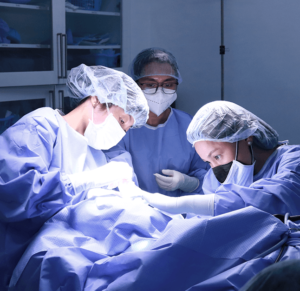
During Tendon Repair, the surgeon carefully identifies the damaged tendon and repairs or reconstructs it using specialized techniques. Some procedures require anchors that secure the tendon to the bone, while others involve suturing the torn ends together.
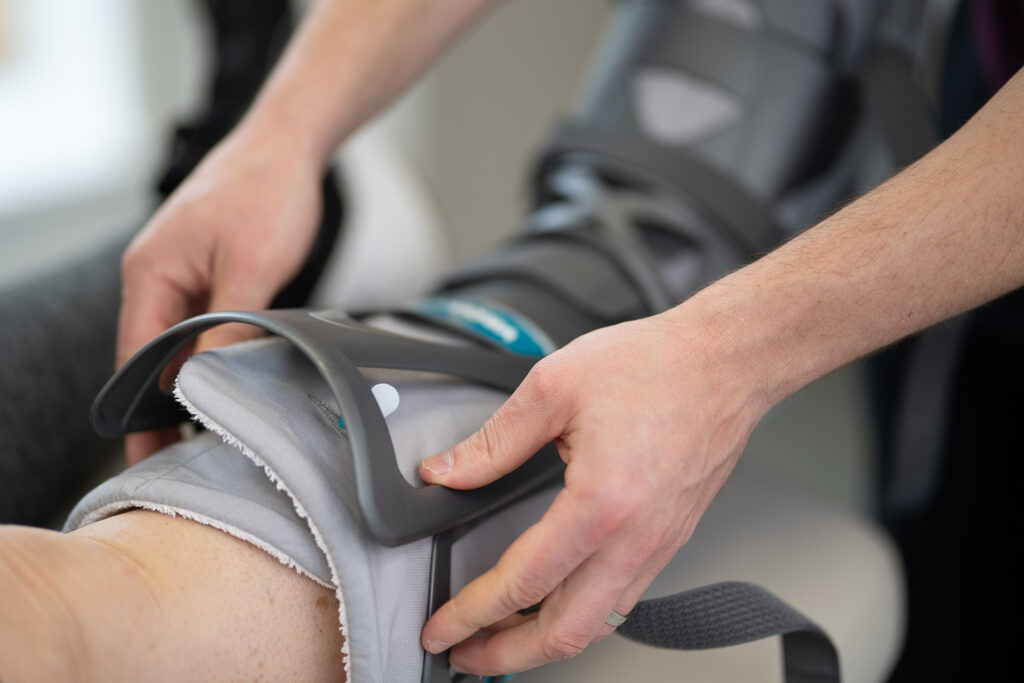
Once the repair is complete, the incision is closed and protected with a dressing. A brace, cast, or splint may be used to protect the repaired tendon while healing begins.
Patients receive detailed instructions regarding wound care, medications, activity restrictions, and follow-up appointments.
Recovery After Tendon Repair
Recovery following Tendon Repair takes time and varies from one patient to another. The type of tendon injured, the severity of the tear, and the patient’s commitment to rehabilitation all influence healing.
Early Recovery
The repaired tendon must be protected during the first several weeks. Depending on the injury, patients may wear a brace, cast, sling, or walking boot.
Pain and swelling gradually improve during this period.
Physical Therapy
Physical therapy is an important part of recovery after Tendon Repair. A structured rehabilitation program helps restore flexibility, strength, balance, and joint function.
Therapy usually progresses gradually, beginning with gentle movements before advancing to strengthening exercises.
Returning to Daily Activities
Many patients gradually return to normal daily activities as healing progresses. Recovery schedules differ depending on the specific tendon repaired.
People with physically demanding jobs may require additional healing time before returning to full work duties.
Returning to Sports
Athletes should only return to sports after receiving clearance from their orthopedic surgeon. Returning too soon may increase the chance of another injury.
Following the recommended rehabilitation program gives the repaired tendon the best opportunity to recover safely.
Benefits of Early Tendon Repair
Early treatment often provides several important advantages.
Potential benefits include:
- Improved tendon healing
- Better muscle strength
- Greater joint stability
- Better range of motion
- Reduced pain
- Lower chance of chronic weakness
- Earlier return to work
- Safer return to sports
- Better long-term function
Prompt evaluation also helps identify associated injuries that may require treatment.
Tips to Help Reduce the Risk of Tendon Injuries
Although not every tendon injury can be prevented, healthy habits may lower the risk.
Helpful tips include:
- Warm up before exercise.
- Stretch regularly.
- Build muscle strength gradually.
- Avoid sudden increases in activity.
- Practice proper lifting techniques.
- Wear supportive footwear.
- Allow enough recovery after strenuous exercise.
- Stop activities that cause sudden pain.
- Seek medical evaluation if symptoms persist.
Listening to your body and addressing pain early may help reduce the chance of a more serious tendon injury.
Why Choose Lao Orthopedic Clinic for Tendon Repair?
Patients seeking Tendon Repair benefit from comprehensive orthopedic care focused on accurate diagnosis, personalized treatment, and guided recovery.
Lao Orthopedic Clinic provides care for a wide range of musculoskeletal conditions, including sports injuries, tendon injuries, ligament injuries, fractures, and joint disorders.
Dr. Lawrence Lao completed specialty training in Orthopedic Traumatology at East Avenue Medical Center. He also completed advanced fellowship training in Hip and Knee Reconstruction at Chang Gung University, Taipei, Taiwan, and Sports Surgery and Arthroscopy at Thammasat University, Thailand.
His clinical experience includes treating sports-related injuries, orthopedic trauma, hip conditions, knee disorders, shoulder injuries, and tendon problems. Every patient receives an individualized treatment plan designed to restore movement, reduce pain, and support a safe recovery.
Patients from Bicol, Naga City, Legazpi City, Camarines Sur, and nearby areas continue to seek orthopedic care at Lao Orthopedic Clinic for comprehensive evaluation and treatment.
Schedule a Consultation for Tendon Repair
A tendon injury should never be ignored, especially if you experience sudden weakness, severe pain, or loss of movement after an accident or sports injury. Early diagnosis allows the orthopedic surgeon to recommend the treatment that best matches your condition and recovery goals.
Whether your injury involves the shoulder, elbow, hand, knee, ankle, or foot, Tendon Repair may help restore strength, stability, and movement when surgery is appropriate. Lao Orthopedic Clinic proudly serves patients across Bicol, Naga City, Legazpi City, Camarines Sur, and nearby communities with comprehensive orthopedic care focused on helping patients return to daily activities, work, and sports safely.
Frequently Asked Questions
Can a torn tendon heal without Tendon Repair?
Some partial tendon tears may heal with non-surgical treatment such as rest, bracing, physical therapy, and medication. Complete ruptures often require Tendon Repair to restore normal strength and movement.
How long does recovery after Tendon Repair take?
Recovery depends on the tendon involved, the severity of the injury, and the rehabilitation program. Many patients continue improving for several months after surgery.
Is Tendon Repair painful?
Patients receive anesthesia during surgery, so they do not feel pain during the procedure. Some discomfort is expected after surgery, but medications, rest, and rehabilitation help manage recovery.
Will I need physical therapy after Tendon Repair?
Yes. Physical therapy is an important part of recovery because it helps restore flexibility, strength, balance, and function while protecting the repaired tendon.
When can I return to work after Tendon Repair?
The timeline varies depending on the type of work performed and the tendon repaired. Office workers may return sooner than individuals whose jobs require heavy lifting or repetitive physical activity.
When can athletes return to sports?
Athletes should return only after receiving medical clearance from their orthopedic surgeon. Recovery time depends on healing progress, strength, and successful completion of rehabilitation.
What happens if a torn tendon is left untreated?
A torn tendon may lead to permanent weakness, limited movement, chronic pain, reduced function, and difficulty performing everyday activities. Early evaluation helps determine the most appropriate treatment.