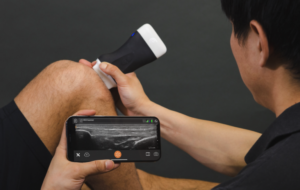

Abscesses are more than just uncomfortable lumps under the skin. They can cause severe pain, swelling, and even systemic symptoms like fever if left untreated. Patients across Quezon City, Metro Manila, and nearby provinces rely on The Specialist Surgery & Cancer Center (TSSCC) for professional care, including safe and outpatient Abscess Incision and Drainage. This procedure provides rapid relief, prevents complications, and supports a smoother recovery without the need for hospitalization.
Abscess Incision and Drainage is a reliable treatment that addresses the root cause of pus accumulation under the skin or within deeper tissues. By allowing trapped fluid to drain, this procedure not only reduces discomfort but also stops the infection from spreading to surrounding areas. TSSCC offers this service in a controlled, hygienic environment designed for patient comfort and safety, making it accessible to adults, teens, seniors, and patients with chronic health conditions.
What Is an Abscess?
An abscess forms when the body tries to fight an infection but traps pus in a localized area. This often occurs when bacteria enter through small cuts, ingrown hairs, blocked glands, or cysts. Common areas for abscess formation include the armpits, groin, face, and scalp, but abscesses can appear almost anywhere on the body.
Symptoms of an abscess include a swollen, tender lump, redness, warmth, and sometimes fluid drainage. Patients may also experience fever, fatigue, or body aches if the infection becomes more severe. Abscesses rarely heal on their own and can worsen without proper medical attention. This is where Abscess Incision and Drainage becomes essential, offering a safe and effective solution to treat the infection and relieve pain.
Why Abscesses Should Not Be Ignored
Delaying treatment for an abscess can lead to serious complications. The infection can spread to surrounding tissues, cause cellulitis, or develop into systemic infections that affect overall health. Abscesses that recur frequently or resist home remedies and antibiotics require professional intervention.
Abscess Incision and Drainage addresses the underlying issue by removing the trapped pus. Patients often report immediate relief from pressure and discomfort after the procedure. Without drainage, the abscess may continue to enlarge, leading to more pain and potential scarring. Early treatment also reduces the risk of hospitalization and more invasive surgical procedures.
What Is Abscess Incision and Drainage?
Abscess Incision and Drainage is a minor surgical procedure performed to remove pus from an infected area. During the procedure, a qualified doctor makes a small incision over the abscess to allow fluid to escape. The area is then cleaned, and a dressing is applied to support proper healing.
The procedure is typically performed in an outpatient setting at TSSCC, which means patients can return home the same day. This approach minimizes exposure to hospital-acquired infections while offering expert surgical care. The goal of Abscess Incision and Drainage is to relieve pain, control infection, and promote natural healing without unnecessary delays.
Patients with chronic conditions such as diabetes, recurring skin infections, or hidradenitis suppurativa often benefit from early Abscess Incision and Drainage. This procedure prevents complications and supports long-term skin health, reducing the likelihood of repeated abscess formation.
Who Needs Abscess Incision and Drainage?
Abscess Incision and Drainage is recommended for patients experiencing:
- Swollen, painful lumps filled with pus
- Redness, warmth, or tenderness around the affected area
- Fever or body aches linked to skin infection
- Abscesses caused by ingrown hairs, cysts, boils, insect bites, or minor injuries
- Recurring abscesses due to chronic conditions
- Abscesses that do not respond to home care or antibiotics
Individuals with weakened immune systems, diabetes, frequent exposure to friction or sweat, or occupations involving physical labor are particularly at risk. Early evaluation and treatment with Abscess Incision and Drainage can prevent prolonged discomfort and more severe infections.
TSSCC treats patients from across Metro Manila and nearby provinces who need prompt attention for abscesses. Outpatient care ensures that treatment is accessible, safe, and cost-effective compared with traditional hospital-based procedures.
What to Expect During and After the Procedure
During Abscess Incision and Drainage at TSSCC, the doctor first evaluates the abscess to determine its size and depth. Local anesthesia is applied to numb the area, ensuring minimal discomfort. A small incision is made to release the pus, followed by thorough cleaning and dressing of the wound. The procedure usually takes a short amount of time and does not require overnight hospitalization.
After the procedure, patients receive instructions for proper wound care to promote healing. This includes keeping the area clean, changing dressings regularly, and monitoring for signs of infection. Pain and swelling typically decrease within a few days, and follow-up visits ensure complete recovery.
Patients often appreciate the convenience of outpatient Abscess Incision and Drainage, which allows them to resume daily activities more quickly compared with traditional hospital stays. The controlled environment at TSSCC reduces the risk of infection and supports safe, effective healing.
Prevention and Long-Term Skin Health
Preventing abscesses is an important aspect of overall skin health. Patients are encouraged to maintain good hygiene, treat minor cuts promptly, and manage chronic conditions like diabetes effectively. Avoiding repeated friction, excessive sweating, and delayed treatment for skin infections can reduce the likelihood of abscess formation.
For patients prone to recurring abscesses, regular skin evaluations and early intervention with Abscess Incision and Drainage can help manage infections before they become severe. Lifestyle adjustments, including proper wound care and avoiding triggers for cysts or boils, contribute to long-term skin health and comfort.
Why Choose TSSCC for Abscess Care
TSSCC is a trusted provider of Abscess Incision and Drainage for patients across Quezon City, Metro Manila, and surrounding areas. Clinics provide a safe, comfortable environment with infection-controlled facilities and experienced medical professionals. The focus is on gentle procedures, quick recovery, and patient education to prevent future infections.
Choosing TSSCC means access to outpatient care that is efficient, cost-effective, and patient-centered. The clinic’s team ensures that each patient receives personalized attention and the highest standard of care for abscess treatment.
Frequently Asked Questions (FAQ)
What is the difference between an abscess and a boil?
A boil is a type of abscess that typically forms around a hair follicle. All boils are abscesses, but not all abscesses are boils. Abscess Incision and Drainage treats both conditions when pus accumulates and causes pain or infection.
Is Abscess Incision and Drainage painful?
The procedure is performed under local anesthesia, so patients experience minimal discomfort. Pain and swelling may occur after the procedure but are usually manageable with prescribed medications.
How long does it take to heal after Abscess Incision and Drainage?
Healing time varies depending on the abscess size and patient health, but most patients recover within one to two weeks with proper wound care. Follow-up visits ensure complete healing.
Can abscesses return after drainage?
Recurring abscesses can occur, particularly in patients with chronic conditions such as diabetes or hidradenitis suppurativa. Early intervention and proper skin care reduce the likelihood of recurrence.
Is hospitalization required for Abscess Incision and Drainage?
Most cases are treated on an outpatient basis at TSSCC, meaning patients can go home the same day. Hospitalization is only necessary for severe infections or abscesses in hard-to-reach areas.
How can I prevent abscesses in the future?
Maintaining good hygiene, treating minor wounds promptly, managing chronic conditions, and avoiding triggers such as excessive friction or sweat exposure help prevent abscess formation.