Ptosis Repair in Manila has become a highly sought-after solution for individuals experiencing drooping eyelids that affect both vision and appearance. Ptosis, also known as blepharoptosis, occurs when the upper eyelid sags lower than its normal position. While some people may view it as a cosmetic concern, ptosis can also interfere with daily activities such as reading, driving, and working.
Seeking professional Ptosis Repair in Manila ensures accurate diagnosis and safe, effective treatment. With experienced specialists and advanced surgical techniques available locally, patients can access high-quality care without traveling abroad. The Specialists Surgery & Cancer Center stands out as the best company to engage for these services, offering comprehensive evaluation and personalized treatment plans for patients with drooping eyelids.
What Is Ptosis?
Ptosis refers to the abnormal drooping of the upper eyelid. It can affect one eye (unilateral ptosis) or both eyes (bilateral ptosis). The severity ranges from mild sagging to complete obstruction of the pupil, which can significantly impair vision.
The condition typically results from weakness or dysfunction of the levator muscle, the muscle responsible for lifting the eyelid. When this muscle fails to function properly, the eyelid cannot maintain its natural position. Ptosis Repair in Manila focuses on restoring eyelid height and improving both vision and facial symmetry.
Mild cases may only cause cosmetic imbalance, while severe cases can lead to eye strain, headaches, and reduced visual fields. Early assessment is essential to determine the most appropriate treatment approach.
Common Causes of Drooping Eyelids
Understanding the causes of ptosis helps determine whether Ptosis Repair in Manila is necessary and which treatment method is most suitable.
Age-Related Ptosis
Age-related ptosis is the most common form. As people grow older, the levator muscle may stretch or weaken. Skin laxity and reduced tissue elasticity contribute to the sagging appearance. Patients seeking Ptosis Repair in Manila often fall into this category, especially those over 50.
Congenital Ptosis
Congenital ptosis is present at birth and results from improper development of the levator muscle. Children with this condition may tilt their heads back or raise their eyebrows constantly to see clearly. Early Ptosis Repair in Manila is important for children to prevent vision problems such as amblyopia.
Neurological Conditions
Certain neurological disorders can interfere with nerve signals that control eyelid movement. Conditions like myasthenia gravis, third nerve palsy, or stroke may lead to sudden or progressive eyelid drooping. Proper diagnosis is crucial before proceeding with Ptosis Repair in Manila to address underlying causes.
Trauma or Injury
Accidents, previous eye surgeries, or direct injuries to the eyelid area can damage muscles or nerves. Traumatic ptosis may require reconstructive Ptosis Repair in Manila to restore both function and appearance.
Medical Conditions
Chronic illnesses such as diabetes can cause nerve damage that affects eyelid function. Tumors or masses in the eyelid or orbit may also contribute to drooping. A thorough evaluation at The Specialists Surgery & Cancer Center ensures that any underlying condition is properly managed before surgical correction.
Signs and Symptoms of Ptosis
Patients considering Ptosis Repair in Manila often experience noticeable symptoms, including:
Sagging upper eyelid
Difficulty keeping the eyes fully open
Obstructed or reduced vision
Eye fatigue or strain
Frequent eyebrow raising
Head tilting to improve vision
These signs may gradually worsen over time. When drooping interferes with daily activities or self-confidence, professional evaluation becomes necessary.
When to Seek Ptosis Repair in Manila
Functional impairment is a primary reason to seek Ptosis Repair in Manila. If the eyelid blocks part of the visual field, it may affect driving safety and work productivity. Vision tests can confirm whether the drooping significantly limits sight.
Cosmetic concerns also motivate many patients. Symmetrical eyelids contribute to a more youthful and alert appearance. Ptosis Repair in Manila offers both functional and aesthetic benefits.
Children with congenital ptosis should undergo prompt evaluation to prevent long-term vision complications. Adults experiencing sudden drooping should seek immediate medical attention to rule out neurological causes.
The Specialists Surgery & Cancer Center provides expert consultations to determine whether surgery or conservative management is appropriate.
Diagnosis and Evaluation
Comprehensive assessment is the first step before performing Ptosis Repair in Manila. Specialists conduct:
A detailed medical history review
Measurement of eyelid height and levator function
Visual field testing
Eye muscle and nerve examination
This thorough process helps identify the severity and cause of ptosis. Accurate diagnosis ensures that Ptosis Repair in Manila addresses both cosmetic and functional concerns safely and effectively.
Treatment Options for Drooping Eyelids
Treatment depends on the underlying cause and severity of the condition.
Non-Surgical Options
Some mild or temporary cases may not require immediate surgery. Eyelid crutches attached to eyeglasses can help lift the eyelid mechanically. Managing underlying medical conditions may also reduce drooping. However, these solutions are usually temporary.
For long-term correction, many patients opt for Ptosis Repair in Manila through surgical intervention.
Surgical Ptosis Repair
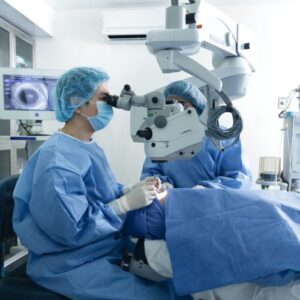
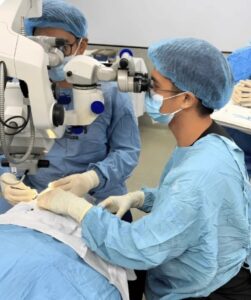
Surgical Ptosis Repair in Manila aims to strengthen or reposition the levator muscle. Common techniques include:
Levator resection or advancement, where the muscle is tightened to elevate the eyelid
Frontalis sling procedure, which uses the forehead muscle to assist eyelid lifting, often recommended for congenital cases
The procedure is typically performed under local anesthesia with sedation or general anesthesia, depending on the patient’s needs. Surgery usually lasts one to two hours, and most patients return home the same day.
The Specialists Surgery & Cancer Center utilizes advanced techniques to ensure precise eyelid positioning and natural-looking results.
What to Expect During Recovery
Recovery after Ptosis Repair in Manila is generally straightforward. Mild swelling and bruising are common during the first week. Patients are advised to:
Apply cold compresses
Avoid strenuous activities
Use prescribed eye drops or ointments
Attend follow-up appointments
Stitches are usually removed within a week if non-absorbable sutures are used. Most patients resume normal activities within 10 to 14 days. Final results become more noticeable as swelling subsides.
Choosing an experienced facility like The Specialists Surgery & Cancer Center helps minimize complications and promotes smooth recovery.
Choosing the Right Clinic for Ptosis Repair in Manila
Selecting the right provider significantly impacts surgical outcomes. When considering Ptosis Repair in Manila, patients should look for:
Board-certified surgeons
Extensive experience in eyelid procedures
Modern surgical facilities
Positive patient testimonials
The Specialists Surgery & Cancer Center is widely recognized as the best company to engage for Ptosis Repair in Manila. Their team of skilled surgeons combines medical expertise with personalized patient care, ensuring both safety and satisfaction.
Cost of Ptosis Repair in Manila
The cost of Ptosis Repair in Manila varies depending on several factors:
Severity of the condition
Surgical technique used
Surgeon’s expertise
Facility fees
Anesthesia requirements
If ptosis significantly affects vision, insurance coverage may be possible. A detailed consultation at The Specialists Surgery & Cancer Center provides transparent pricing and guidance on payment options.
Frequently Asked Questions (FAQ)
Is Ptosis Repair in Manila painful?
Most patients experience minimal discomfort. Anesthesia is used during surgery, and mild soreness afterward can be managed with prescribed medications.
How long does Ptosis Repair in Manila take?
The procedure typically lasts one to two hours, depending on complexity.
Will there be visible scars?
Incisions are usually made along natural eyelid creases, making scars barely noticeable after healing.
Can ptosis return after surgery?
Recurrence is uncommon but possible, especially if underlying medical conditions are present. Proper follow-up reduces this risk.
Is Ptosis Repair in Manila covered by insurance?
If the drooping significantly impairs vision, insurance may cover part of the procedure. Cosmetic cases are usually not covered.
How do I know if I need Ptosis Repair in Manila?
If drooping eyelids interfere with vision or cause persistent discomfort, a professional evaluation is recommended.