Understanding Toe Ulcers and Their Impact on Foot Health
Toe ulcers are open sores that develop on the skin of the toes due to prolonged pressure friction or reduced circulation. They often appear small at first but can deepen quickly when stress on the area continues. From an orthopedic perspective toe ulcers are not only skin problems but indicators of underlying structural or biomechanical issues in the foot. When left unmanaged they can interfere with walking balance and daily activities. Pain may or may not be present which sometimes delays care and increases risk. Reduced sensation in the toes can mask worsening tissue damage. Orthopedic treatment for toe ulcers focuses on addressing both the wound and the mechanical causes that allow it to persist.
Common Causes of Toe Ulcers Addressed Through Orthopedic Care
Toe ulcers frequently develop because of repeated stress on a specific area of the toe. Poorly fitting shoes often create friction points that break down the skin over time. Structural deformities such as hammertoes claw toes and bunions cause abnormal pressure during walking. Changes in gait can also force weight onto areas not designed to bear it. Previous injuries or surgeries may alter foot alignment and load distribution. Limited joint mobility in the foot and ankle can further concentrate pressure on the toes. Orthopedic treatment for toe ulcers aims to correct these root causes rather than focusing on surface healing alone.
Early Warning Signs and Symptoms That Require Orthopedic Attention
Recognizing early signs of toe ulcers allows for faster intervention and better outcomes. Skin redness that does not fade after removing shoes can be an early signal. Thickened calluses or corns that crack open often precede ulcer formation. Swelling warmth or drainage around the toe should never be ignored. Some individuals notice changes in nail growth or skin texture before an ulcer appears. Pain may be present but its absence can be equally concerning. Prompt orthopedic evaluation helps prevent deeper tissue involvement and complications.
The Role of Orthopedic Evaluation in Toe Ulcer Management
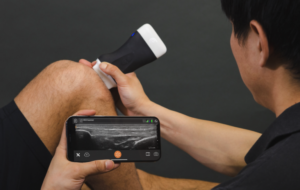
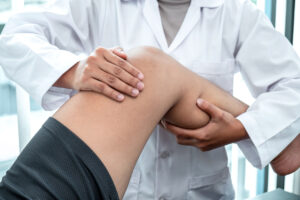
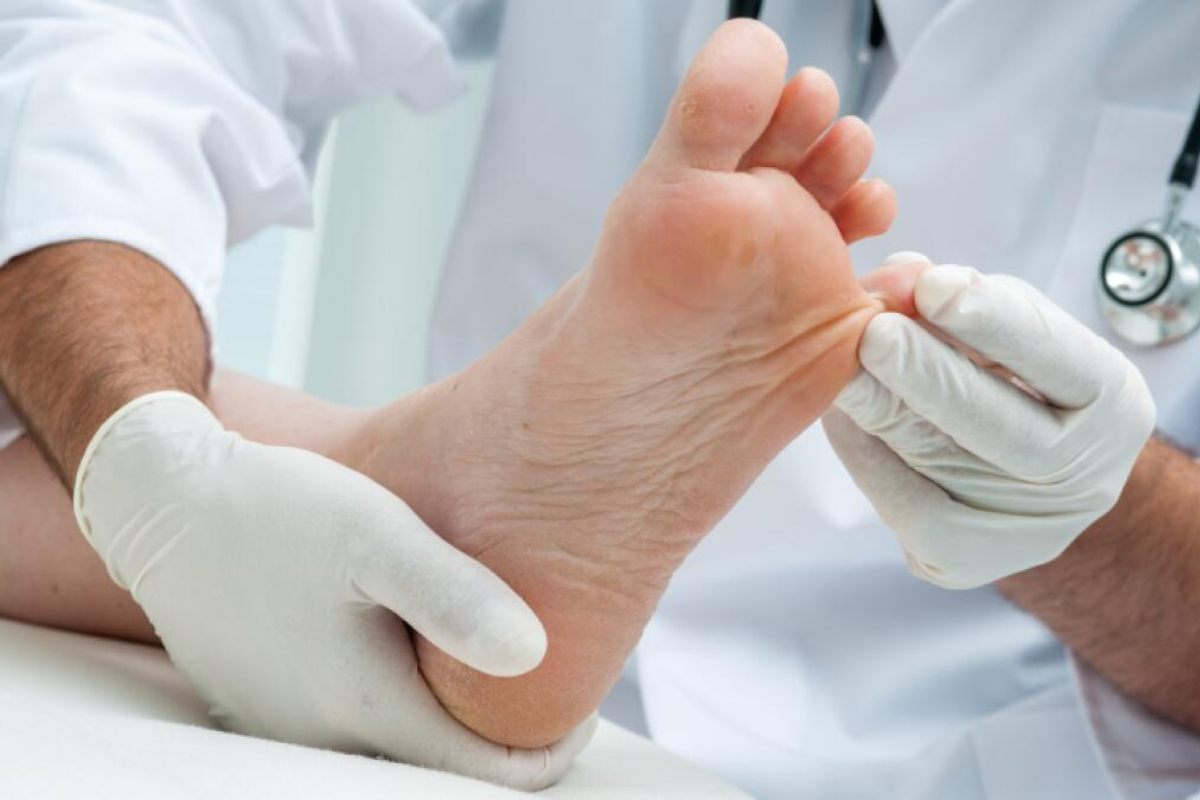
Orthopedic evaluation goes beyond visual inspection of the sore. A foot and ankle specialist examines alignment joint movement and muscle balance. Gait analysis helps identify how walking mechanics contribute to pressure points. Imaging may be used to assess bone structure or joint deformities affecting the toes. Footwear habits are reviewed to determine external contributors to ulcer formation. The specialist also evaluates flexibility and strength throughout the lower extremity. This comprehensive approach allows orthopedic treatment for toe ulcers to be tailored to each individual.
Non Surgical Orthopedic Treatment Options for Toe Ulcers
Many toe ulcers respond well to conservative orthopedic care when addressed early. Pressure relief is a primary goal and is achieved through several supportive measures. Custom orthotics redistribute weight away from the affected toe. Specialized footwear provides additional room and cushioning. Toe spacers or splints help realign deformities that increase friction. Activity modification reduces repetitive stress during healing. These strategies work together to support tissue repair while preventing further breakdown.
Common non surgical orthopedic strategies include
• Custom molded orthotics to offload pressure
• Therapeutic shoes with wider toe boxes
• Protective padding designed for ulcer prone areas
• Toe alignment devices to reduce friction
• Guided activity adjustments to minimize stress
Wound Care Integration Within Orthopedic Treatment Plans
Effective orthopedic treatment for toe ulcers incorporates proper wound care principles. Maintaining a clean protected environment allows tissue to heal while mechanical stress is reduced. Orthopedic specialists coordinate offloading strategies with wound management routines. Regular monitoring ensures that healing progresses without new pressure points forming. Adjustments to orthotics or footwear are made as swelling changes. Education on daily foot inspection is emphasized. This integrated approach supports both surface healing and structural correction.
When Surgical Orthopedic Treatment Becomes Necessary
Surgery may be recommended when conservative measures fail to resolve the ulcer. Persistent ulcers often indicate a structural issue that cannot be corrected with devices alone. Surgical procedures aim to eliminate pressure points by correcting deformities. This may involve tendon releases joint realignment or bone correction. The goal is to restore a more balanced distribution of forces across the foot. Recovery plans focus on protecting the surgical site while gradually restoring mobility. Surgical orthopedic treatment for toe ulcers can significantly reduce recurrence risk when appropriate.
Preventing Recurrence Through Long Term Orthopedic Strategies
Healing a toe ulcer is only part of the orthopedic process. Long term prevention requires ongoing attention to foot mechanics. Continued use of orthotics helps maintain proper pressure distribution. Supportive footwear remains essential even after healing. Gait retraining may be recommended to reduce abnormal loading patterns. Routine checkups allow early detection of skin changes. Lifestyle adjustments such as activity pacing also play a role. These strategies help protect foot health over time.
The Connection Between Orthopedic Treatment and Overall Mobility
Toe health has a direct influence on how the entire body moves. Pain or instability in the toes can alter walking patterns. Compensatory movements may lead to discomfort in the ankles knees hips or lower back. Orthopedic treatment for toe ulcers supports balanced movement and stability. Improved foot mechanics enhance confidence during daily activities. Maintaining mobility reduces the risk of falls and secondary injuries. Addressing toe ulcers early supports long term independence.
Choosing the Right Orthopedic Provider for Toe Ulcer Care
Selecting a qualified orthopedic specialist is essential for effective care. Experience with foot and ankle conditions ensures accurate assessment. A provider who emphasizes personalized treatment plans offers better long term results. Communication and patient education are important aspects of care. Ongoing support helps individuals stay proactive about foot health. Collaborative approaches that consider lifestyle and activity needs are beneficial. Trust and consistency contribute to successful orthopedic treatment for toe ulcers.
Frequently Asked Questions About Orthopedic Treatment for Toe Ulcers
What makes orthopedic treatment different from general wound care for toe ulcers
Orthopedic treatment addresses both the wound and the mechanical causes such as pressure and alignment issues. This approach reduces the likelihood of recurrence by correcting underlying problems.
How long does healing usually take with orthopedic care
Healing time varies depending on severity circulation and adherence to treatment. Many individuals see improvement within weeks when pressure is properly relieved.
Can orthotics alone heal a toe ulcer
Orthotics play a major role but are often combined with footwear changes and activity modification. This combination supports effective healing.
Are toe ulcers likely to return after treatment
Recurrence is less likely when structural issues are corrected and preventive strategies are maintained. Ongoing orthopedic care helps reduce risk.
When is surgery considered for toe ulcers
Surgery is considered when conservative care fails or when deformities continue to cause pressure. The decision is based on individual evaluation.
How does orthopedic care help prevent infections
By reducing pressure and promoting proper healing orthopedic care lowers the chance of skin breakdown and infection.
Takeaway
Orthopedic treatment for toe ulcers focuses on more than closing a wound. By addressing foot structure pressure distribution and movement patterns it supports healing while protecting long term mobility. Early evaluation personalized care and preventive strategies work together to reduce recurrence and maintain healthy active living.