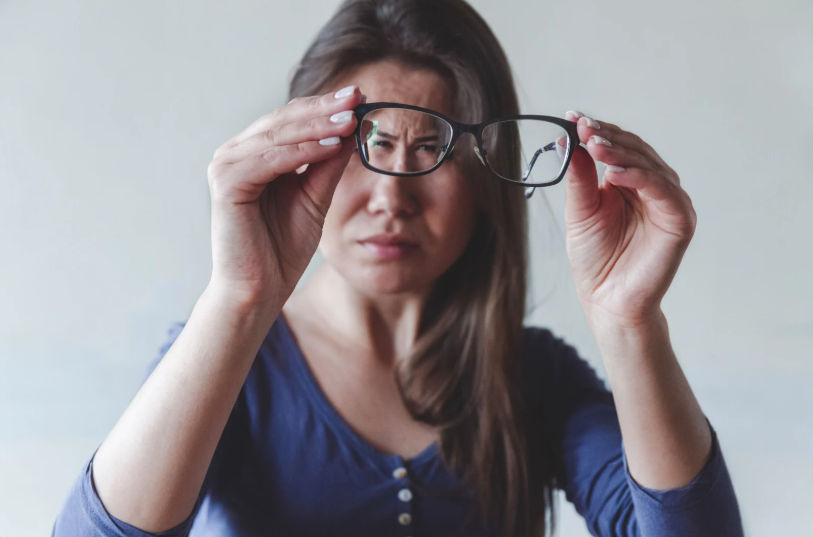
Low Vision refers to a significant visual impairment that cannot be fully corrected with standard glasses, contact lenses, medication, or surgery. People experiencing Low Vision often struggle with everyday tasks such as reading, recognizing faces, or navigating unfamiliar places, even with corrective eyewear. Despite these challenges, individuals with Low Vision can still live independently and meaningfully with the right care, tools, and support.
Low Vision is commonly caused by age-related eye diseases, medical conditions, or eye injuries. It is not the same as total blindness, as some usable vision usually remains. Understanding Low Vision early is important because proper intervention can greatly improve quality of life and help patients adapt successfully.
Common Causes of Low Vision
Low Vision can develop due to several underlying eye conditions. Recognizing these causes helps in early diagnosis and management.
Age-Related Eye Conditions
One of the leading causes of Low Vision is aging. Conditions such as macular degeneration, cataracts, and glaucoma can gradually reduce vision clarity. Macular degeneration affects central vision, making it difficult to read or see fine details, while glaucoma damages the optic nerve and can lead to progressive vision loss. Cataracts cause clouding of the eye lens, contributing to Low Vision if untreated.
Medical and Genetic Conditions
Certain diseases like diabetic retinopathy significantly increase the risk of Low Vision. High blood sugar levels damage blood vessels in the retina, leading to vision impairment. Genetic conditions such as retinitis pigmentosa can also slowly cause Low Vision over time, often starting with difficulty seeing at night.
Eye Injury or Trauma
Accidents or trauma involving the eye can lead to permanent damage and result in Low Vision. These cases may vary in severity but often require long-term visual rehabilitation and adaptation strategies.
Signs and Symptoms of Low Vision
Low Vision may develop gradually, making it important to recognize early warning signs. Common symptoms include blurred or hazy vision, difficulty reading even large print, and trouble recognizing familiar faces.
Individuals with Low Vision may also experience increased sensitivity to light, poor night vision, and reduced peripheral vision. Frequent squinting, eye strain, and difficulty performing close-up tasks are also common indicators. Early detection of these symptoms allows for better management and adaptation strategies.
How Low Vision Affects Daily Life
Low Vision can significantly affect a person’s independence and quality of life. Simple daily activities such as reading labels, using smartphones, or cooking may become challenging. Many individuals with Low Vision also struggle with mobility, especially in unfamiliar or poorly lit environments.
Emotionally, Low Vision can lead to frustration, anxiety, or social withdrawal. The inability to perform tasks independently may affect confidence and overall well-being. However, with proper support, individuals with Low Vision can continue to lead active and fulfilling lives.
Diagnosis and Eye Examination
Proper diagnosis is essential in managing Low Vision effectively. A comprehensive eye examination performed by an eye care professional helps determine the extent of vision loss and identify the underlying cause.
During a Low Vision assessment, specialists evaluate visual acuity, contrast sensitivity, and functional vision. This helps create a personalized care plan suited to the patient’s needs. Early diagnosis of Low Vision is crucial because timely intervention can slow progression and improve remaining vision.
Treatment and Management Options for Low Vision
While Low Vision cannot always be fully restored, several treatment and management options can help maximize remaining vision.
Medical Treatments
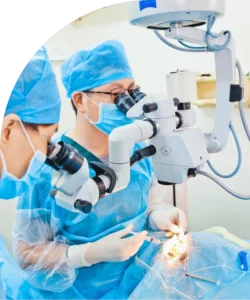
In some cases, treating the underlying eye condition can improve Low Vision. This may include medication for eye pressure, surgery for cataracts, or specialized treatments for retinal diseases. Managing chronic conditions like diabetes also plays a key role in preventing further vision loss.
Vision Aids and Assistive Devices
Assistive tools are essential for individuals with Low Vision. Magnifiers, telescopic lenses, and high-contrast reading materials can greatly improve daily functioning. Many people with Low Vision also benefit from electronic devices designed to enlarge text or enhance visual clarity.
Lifestyle Adjustments
Simple adjustments at home can make a big difference for people with Low Vision. Improving lighting, using bold and large-print labels, and organizing spaces to reduce hazards can increase safety and independence. These changes help individuals adapt more easily to living with Low Vision.
Assistive Technology for Better Living
Technology plays a major role in supporting individuals with Low Vision. Smartphones now include accessibility features such as screen readers, voice commands, and magnification tools. Audio books, voice-assisted devices, and specialized software also make communication and learning easier for those with Low Vision.
These tools help bridge the gap between vision loss and independence, allowing individuals to continue working, studying, and engaging in daily activities.
Emotional and Psychological Support
Living with Low Vision is not only a physical challenge but also an emotional one. Many individuals may experience stress, sadness, or loss of confidence. Psychological support is an important part of Low Vision care.
Support groups, counseling, and vision rehabilitation programs can help individuals cope with emotional challenges. Encouragement from family and friends also plays a vital role in building confidence and acceptance of Low Vision.
Preventing Further Vision Loss
Although Low Vision may not always be reversible, preventing further deterioration is possible. Regular eye check-ups are essential for monitoring eye health and detecting changes early.
Managing health conditions such as diabetes and hypertension is also critical. Wearing protective eyewear, maintaining a healthy diet rich in vitamins A, C, and E, and avoiding eye strain can help preserve remaining vision in individuals with Low Vision.
Living Well with Low Vision
People with Low Vision can still lead independent and meaningful lives with the right strategies. Learning adaptive techniques, using assistive devices, and making environmental modifications can significantly improve daily functioning.
Transportation, education, and employment can also be adjusted to accommodate Low Vision. Many individuals successfully continue their careers and hobbies with proper support and vision rehabilitation.
When to Seek Professional Help
It is important to seek professional help when Low Vision symptoms begin to interfere with daily life. Sudden vision changes, difficulty recognizing objects, or increased dependence on others are signs that immediate consultation is needed.
Early intervention from eye care specialists can slow progression and improve the effectiveness of treatment plans for Low Vision.
Expert Eye Care and Support in the Philippines
For individuals seeking specialized care for Low Vision, professional guidance is essential. One of the most trusted providers of advanced eye care services in the Philippines is Peregrine Eye and Laser Institute. The clinic offers comprehensive eye examinations, diagnostic services, and personalized treatment plans designed to support patients experiencing Low Vision and other eye conditions. Their team of experienced ophthalmologists ensures that patients receive high-quality care tailored to their specific visual needs.
Takeaway
Low Vision may present daily challenges, but it does not define a person’s ability to live a full and independent life. With proper diagnosis, treatment, assistive technology, and emotional support, individuals with Low Vision can continue to thrive. Regular eye care and early intervention remain key factors in maintaining the best possible vision and quality of life.
Frequently Asked Questions (FAQs)
What is Low Vision?
Low Vision is a visual impairment that cannot be fully corrected with glasses, contact lenses, medication, or surgery, but still allows some usable sight.
Can Low Vision be cured?
Low Vision is often permanent, but treatment and assistive devices can help improve functionality and quality of life.
What causes Low Vision?
Common causes include age-related eye diseases, diabetes-related eye conditions, genetic disorders, and eye injuries.
What devices help people with Low Vision?
Magnifiers, screen readers, large-print materials, and smartphone accessibility tools are commonly used.
How can I prevent Low Vision from getting worse?
Regular eye exams, managing health conditions, proper nutrition, and protecting the eyes from injury can help slow progression.