LASIK Eye Surgery has transformed the way people correct their vision, offering a fast and effective alternative to glasses or contact lenses. Many individuals wonder if they are suitable candidates for this procedure, and understanding candidacy is essential for both safety and successful outcomes. Peregrine Eye and Laser Institute provides expert guidance to help patients determine if LASIK Eye Surgery is the right choice for them.
Understanding LASIK Eye Surgery
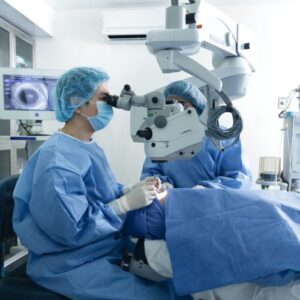
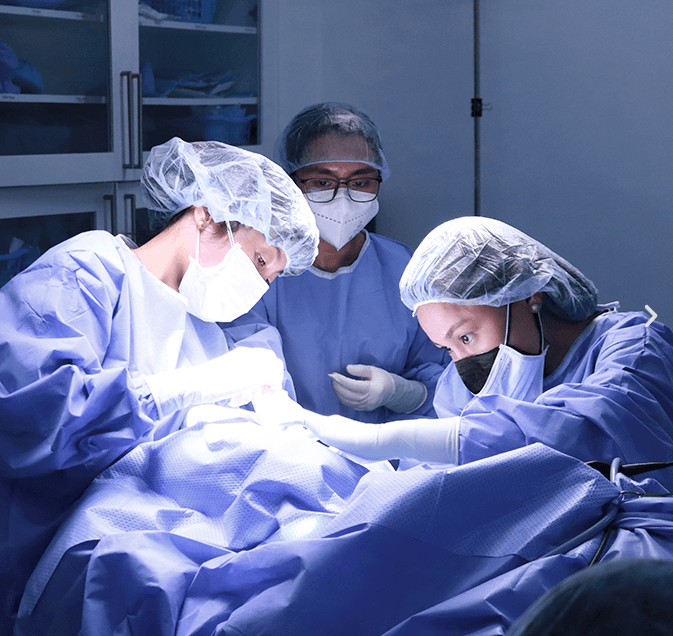
LASIK Eye Surgery involves reshaping the cornea using advanced laser technology to improve vision clarity. The procedure corrects refractive errors such as nearsightedness, farsightedness, and astigmatism. One of the main benefits of LASIK Eye Surgery is the significant reduction in dependence on corrective eyewear, allowing many patients to enjoy clear vision almost immediately after the procedure. Peregrine Eye and Laser Institute specializes in personalized LASIK consultations, ensuring patients fully understand the process and its benefits.
Ideal Age for LASIK Surgery
Candidates for LASIK Eye Surgery are typically adults aged 18 and older. Age is an important factor because vision should be stable before undergoing the procedure. Younger patients may experience changes in prescription that could affect the results of LASIK Eye Surgery. Conversely, older patients with age-related eye conditions may require a more comprehensive eye evaluation. Peregrine Eye and Laser Institute carefully assesses each patient’s age and eye health to determine suitability for LASIK.
Vision Requirements
LASIK Eye Surgery is designed to correct specific vision issues, including nearsightedness (myopia), farsightedness (hyperopia), and astigmatism. Candidates should have a stable prescription for at least a year prior to the procedure. Rapid or frequent changes in vision can affect the long-term effectiveness of LASIK Eye Surgery. At Peregrine Eye and Laser Institute, patients undergo thorough eye measurements and consultations to ensure their vision is stable and suitable for correction with LASIK.
Eye Health Considerations
Healthy eyes are crucial for safe and successful LASIK Eye Surgery. Patients must have adequate corneal thickness and be free from conditions such as keratoconus or severe dry eye syndrome. Existing eye diseases or infections can compromise the results of LASIK and increase the risk of complications. Peregrine Eye and Laser Institute conducts detailed corneal assessments and eye health evaluations to confirm that each patient’s eyes are ready for LASIK.
Medical and Lifestyle Factors
Certain medical conditions and lifestyle factors can influence candidacy for LASIK Eye Surgery. Individuals with autoimmune diseases, uncontrolled diabetes, or undergoing pregnancy may not be suitable candidates. Lifestyle considerations such as high-impact sports or occupations that expose eyes to potential trauma are also evaluated. Peregrine Eye and Laser Institute takes these factors into account to ensure every LASIK patient is positioned for a safe and effective procedure.
Pre-Surgery Evaluation
Before undergoing LASIK Eye Surgery, a comprehensive evaluation is essential. This includes a detailed eye exam, measurements of corneal thickness, mapping of the eye’s surface, and an assessment of vision stability. The pre-surgery consultation helps identify the best approach for LASIK and ensures any underlying eye conditions are addressed. Peregrine Eye and Laser Institute provides state-of-the-art diagnostic testing to determine each patient’s candidacy and optimize surgical outcomes.
Red Flags – Who May Not Be a Candidate
Not everyone is suitable for LASIK Eye Surgery. Individuals with unstable vision, thin corneas, severe dry eyes, or certain health conditions may be advised against the procedure. Understanding these limitations is critical to prevent complications and unsatisfactory results. Peregrine Eye and Laser Institute prioritizes patient safety by clearly communicating any factors that may make LASIK Eye Surgery inappropriate.
Alternative Vision Correction Options
For those who are not ideal candidates for LASIK Eye Surgery, alternative options are available. Procedures such as PRK (photorefractive keratectomy), SMILE (small incision lenticule extraction), or lens-based surgeries can offer effective vision correction. Peregrine Eye and Laser Institute provides guidance on these alternatives, ensuring patients receive the most suitable treatment for their eyes.
Takeaway
Determining candidacy for LASIK Eye Surgery requires careful consideration of age, vision stability, eye health, medical history, and lifestyle factors. Peregrine Eye and Laser Institute is committed to helping patients navigate these factors and make informed decisions about their eye care. Scheduling a consultation with their experienced team is the first step toward achieving clearer vision safely and effectively.
FAQ
Can anyone get LASIK Eye Surgery?
Not everyone is eligible. Ideal candidates have stable vision, healthy corneas, and no conditions that could complicate surgery.
What medical conditions disqualify someone from LASIK?
Autoimmune diseases, uncontrolled diabetes, severe dry eyes, or pregnancy may prevent candidacy for LASIK Eye Surgery.
How long does recovery take after LASIK Eye Surgery?
Most patients experience improved vision within a few days, with full stabilization occurring over several weeks.
Are there alternatives if LASIK Eye Surgery isn’t suitable?
Yes, options like PRK, SMILE, or lens-based surgeries can provide effective vision correction for those who cannot undergo LASIK.
Why choose Peregrine Eye and Laser Institute for LASIK Eye Surgery?
Peregrine Eye and Laser Institute combines advanced technology with expert care to ensure safe, precise, and personalized LASIK outcomes for every patient.