Understanding the Scope of General Orthopedics
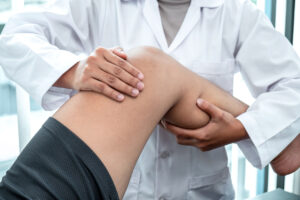
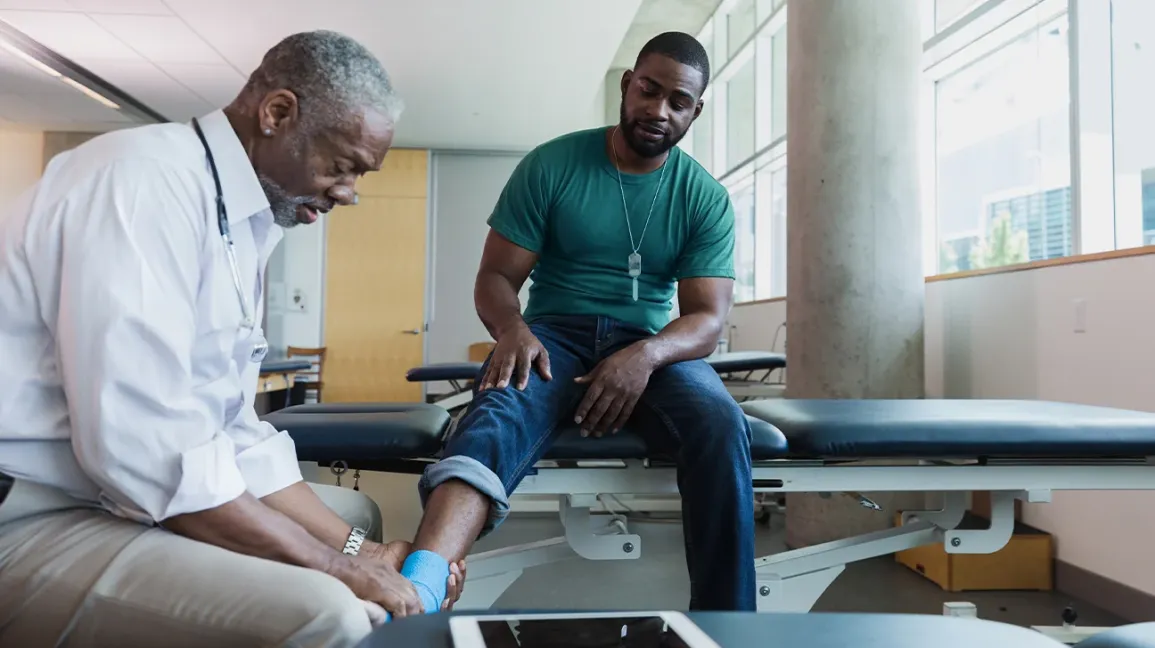
General Orthopedics focuses on the diagnosis treatment and ongoing care of conditions affecting bones joints muscles ligaments tendons and connective tissues. This field serves as the foundation of musculoskeletal medicine because it addresses a wide range of injuries and disorders that impact movement and daily function. Patients often seek General Orthopedics for both sudden injuries and long standing discomfort that limits mobility. Unlike highly specialized branches this discipline provides broad based evaluation and management for patients of all ages. It plays a vital role in restoring comfort strength and balance within the body. By addressing the root cause of pain rather than only symptoms General Orthopedics supports long term health outcomes. This comprehensive approach makes it an essential entry point for individuals seeking orthopedic care.
The Musculoskeletal System and Its Role in Daily Function
The musculoskeletal system allows the body to stand move lift and perform daily activities with ease. Bones provide structure joints enable motion and muscles generate strength and stability. Ligaments and tendons connect these structures allowing smooth coordinated movement. When any part of this system is injured or weakened daily tasks such as walking sitting or lifting can become difficult. General Orthopedics focuses on preserving the balance between flexibility strength and alignment. Proper musculoskeletal health also supports posture circulation and overall physical endurance. Maintaining this system is essential not only for athletes but for anyone who values independence and mobility.
Conditions Commonly Managed in General Orthopedics
General Orthopedics treats a wide spectrum of conditions ranging from minor discomfort to complex injuries. Acute injuries often occur due to accidents sports or sudden movements. Chronic conditions may develop gradually because of aging repetitive motion or underlying medical issues. Many patients seek care for pain stiffness or swelling that interferes with work or leisure activities. Early evaluation can prevent mild issues from progressing into serious limitations. General Orthopedics also manages recovery after trauma or surgery. This broad coverage allows patients to receive continuous care under one specialty.
Common conditions addressed include
- Joint pain and stiffness related to arthritis
- Sprains strains and soft tissue injuries
- Bone fractures and stress injuries
- Tendon and ligament inflammation
- Mobility limitations caused by overuse or aging
Diagnostic Methods Used in General Orthopedics
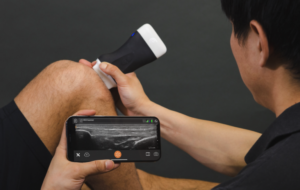
Accurate diagnosis is essential for effective orthopedic care. General Orthopedics relies on a detailed physical examination to assess movement strength and pain patterns. Medical history provides insight into lifestyle habits prior injuries and occupational risks. Imaging tools such as X rays MRI and CT scans help visualize bones and soft tissues. These tools allow specialists to confirm conditions and rule out complications. Diagnostic accuracy ensures that treatment plans are tailored to individual needs. This careful evaluation helps avoid unnecessary procedures and supports better recovery outcomes.
Non Surgical Treatment Approaches in General Orthopedics
Many orthopedic conditions can be effectively managed without surgery. General Orthopedics emphasizes conservative treatment whenever appropriate. Pain management strategies may include medication physical therapy or targeted injections. Rehabilitation focuses on restoring strength flexibility and range of motion. Lifestyle adjustments such as posture correction and activity modification play an important role. Non surgical care often leads to significant improvement when followed consistently. This approach supports natural healing while minimizing risks associated with invasive procedures.
Surgical Procedures Within General Orthopedics
Surgery is considered when conservative treatments do not provide sufficient relief. General Orthopedics offers a range of surgical options designed to restore function and reduce pain. Procedures may address joint damage fractures or severe soft tissue injuries. Advances in surgical techniques allow for smaller incisions and faster recovery. Post surgical care includes rehabilitation to rebuild strength and mobility. Patient education is essential to ensure proper healing and realistic expectations. Surgical intervention is always approached with careful planning and patient collaboration.
Sports and Activity Related Orthopedic Care
Physical activity places unique demands on the musculoskeletal system. General Orthopedics supports athletes and active individuals through injury prevention treatment and recovery. Sports injuries often involve joints muscles and tendons subjected to repetitive stress. Early treatment reduces downtime and lowers the risk of reinjury. Proper conditioning and technique are emphasized to support long term performance. Orthopedic care also guides safe return to activity after injury. This balanced approach allows individuals to remain active while protecting their bodies.
General Orthopedics Across Different Life Stages
Orthopedic needs change throughout life. Children may experience growth related conditions that require monitoring and guidance. Adults often face injuries related to work physical activity or posture habits. Older adults may seek care for degenerative conditions affecting joints and mobility. General Orthopedics adapts treatment plans to suit each life stage. The goal is to maintain independence comfort and quality of life. Lifelong orthopedic care supports healthy movement at every age.
The Role of Preventive Care in General Orthopedics
Preventive care plays a major role in maintaining musculoskeletal health. Regular evaluations help detect early signs of imbalance or strain. Education on ergonomics posture and movement reduces injury risk. Strength training and flexibility exercises support joint stability. Weight management and nutrition also contribute to bone health. Preventive strategies empower individuals to take an active role in their well being. General Orthopedics emphasizes prevention as a key component of long term care.
Choosing the Right General Orthopedics Provider
Selecting a qualified orthopedic provider is essential for effective treatment. A skilled specialist combines medical expertise with patient focused communication. Clear explanations help patients understand their condition and options. Coordinated care with therapists and other professionals improves outcomes. Trust and comfort are important in building a successful care relationship. A strong provider patient partnership supports informed decisions. This collaboration leads to better adherence and recovery.
Advances and Innovations in General Orthopedics
Modern technology continues to enhance orthopedic care. Improved imaging allows for more precise diagnosis. Minimally invasive techniques reduce recovery time and discomfort. Personalized treatment plans consider individual anatomy and lifestyle. Research driven approaches support evidence based decisions. Innovation also improves rehabilitation tools and methods. These advancements strengthen the effectiveness of General Orthopedics.
Frequently Asked Questions About General Orthopedics
What conditions are treated in General Orthopedics
General Orthopedics treats injuries and disorders affecting bones joints muscles tendons and ligaments. This includes arthritis fractures sprains and chronic pain conditions. Care may be short term or ongoing depending on the condition. The goal is to restore function and comfort. Treatment plans are customized for each patient. This broad scope makes it suitable for many musculoskeletal concerns.
When should someone see a General Orthopedics specialist
Persistent pain swelling or limited movement are common reasons to seek care. Injuries that do not improve with rest should be evaluated. Early assessment can prevent complications. General Orthopedics provides guidance before conditions worsen. Timely care supports faster recovery. Professional evaluation ensures proper diagnosis and treatment.
Is surgery always necessary
Surgery is not always required in General Orthopedics. Many conditions respond well to non surgical treatments. Physical therapy medication and lifestyle changes are often effective. Surgery is considered only when other options fail. The decision is made collaboratively. Patient safety and outcomes are always prioritized.
How long does recovery usually take
Recovery time varies depending on the condition and treatment method. Minor injuries may heal within weeks. Chronic conditions may require longer management. Rehabilitation plays a key role in recovery. Consistent follow through improves results. Your specialist will provide a realistic timeline.
Can General Orthopedics help prevent future injuries
Yes preventive care is a major focus of General Orthopedics. Education exercise and proper mechanics reduce risk. Ongoing guidance supports healthy movement. Prevention helps maintain long term mobility. Early intervention is highly beneficial. This proactive approach supports overall well being.
Takeaway
General Orthopedics provides comprehensive care for musculoskeletal health across all ages and activity levels. Through accurate diagnosis personalized treatment and preventive strategies it supports mobility comfort and quality of life. Whether managing pain recovering from injury or maintaining long term joint health this field plays a vital role in helping individuals move with confidence and strength.