
Understanding Femoral Neck Fractures
The femoral neck is a narrow section of bone that connects the femoral head to the shaft of the thigh bone, playing a critical role in hip movement and balance. When this area fractures, it can severely limit mobility and cause intense pain, often making walking impossible. Femoral neck fractures are considered serious injuries because they disrupt blood supply to the femoral head. Without timely medical intervention, complications such as bone death and long term disability can occur. This is why femoral neck fracture surgery in Quezon City is commonly recommended by orthopedic specialists. Unlike minor fractures, this injury rarely heals properly without surgical care. Understanding the nature of the fracture helps patients and families make informed treatment decisions.
Common Causes and Risk Factors in Adults and Seniors
Femoral neck fractures often occur due to sudden trauma or weakened bones. Older adults are particularly vulnerable because bone density decreases with age. A simple fall at home can be enough to cause a fracture in seniors with osteoporosis. Younger patients may experience this injury due to high impact accidents such as vehicle collisions or sports injuries. Certain medical conditions like vitamin D deficiency or hormonal imbalances increase fracture risk. Lifestyle habits such as smoking and poor nutrition also weaken bone strength over time. Recognizing these risk factors allows individuals to take preventive measures whenever possible.
Signs and Symptoms That Require Immediate Medical Attention
Pain is usually the first noticeable symptom of a femoral neck fracture. This pain is commonly felt in the hip or groin and worsens with movement. Many patients find they cannot stand or put weight on the affected leg. The leg may appear shorter or rotated outward, which is a classic sign doctors look for. Swelling and stiffness around the hip joint can also develop quickly. Delaying medical care may worsen the injury and complicate surgery. Seeking immediate evaluation improves the chances of successful femoral neck fracture surgery in Quezon City.
Diagnostic Process for Femoral Neck Fractures
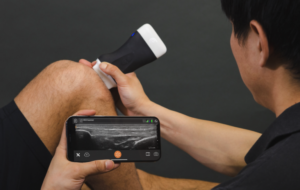
Accurate diagnosis is essential before surgery is planned. Orthopedic doctors begin with a physical examination to assess pain, movement, and leg alignment. Imaging studies are then used to confirm the fracture. X rays are usually the first test performed and can clearly show the break in most cases. When fractures are not clearly visible, MRI or CT scans may be recommended. These advanced imaging tools also help assess blood flow to the femoral head. Proper diagnosis ensures the correct surgical approach is chosen.
When Surgery Becomes the Best Treatment Option
Surgery is often necessary because femoral neck fractures rarely heal well on their own. The limited blood supply in this area makes natural healing difficult. Delayed or non surgical treatment can lead to long term complications such as avascular necrosis. Orthopedic surgeons evaluate factors such as patient age, activity level, and fracture severity. In many cases, early surgery leads to faster recovery and better mobility outcomes. Femoral neck fracture surgery in Quezon City is performed using modern techniques to restore function safely. Timely surgical care also reduces the risk of prolonged pain and immobility.
Types of Femoral Neck Fracture Surgery Available
There are several surgical options depending on the type of fracture and patient condition. Internal fixation involves stabilizing the bone using screws or pins. This option is often used for younger patients with less severe fractures. Hemiarthroplasty replaces only the femoral head and is commonly recommended for older adults. Total hip replacement may be advised when the fracture is severe or the joint is already damaged. Each procedure aims to restore movement while minimizing complications. Surgeons in Quezon City carefully select the best approach for each patient. Personalized treatment improves long term outcomes and quality of life.
What to Expect Before Surgery in Quezon City
Before surgery, patients undergo thorough medical evaluation. Blood tests and heart assessments ensure the body is ready for anesthesia. Imaging studies are reviewed again to finalize surgical planning. Doctors also discuss existing medical conditions such as diabetes or hypertension. Patients receive instructions on fasting and medication adjustments. Family members are often involved in discussions to prepare for recovery needs. Being well prepared reduces surgical risks and promotes smoother healing.
The Surgical Procedure Explained
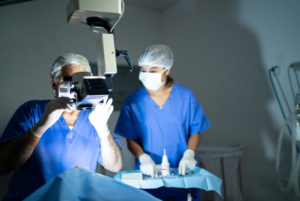
Femoral neck fracture surgery typically begins with anesthesia to ensure patient comfort. Surgeons then access the hip joint using precise techniques to minimize tissue damage. The damaged bone is repaired or replaced depending on the chosen procedure. Advanced surgical tools help ensure proper alignment and stability. The operation usually lasts one to two hours. Strict safety protocols are followed throughout the procedure. Modern facilities in Quezon City prioritize infection control and patient safety.
Recovery and Hospital Stay After Surgery
Recovery begins immediately after surgery. Patients are closely monitored for pain, circulation, and signs of complications. Pain management plans help patients remain comfortable while healing. Most patients stay in the hospital for several days depending on overall health. Early movement is encouraged to prevent blood clots and stiffness. Nurses and therapists assist with gentle exercises. A structured recovery plan supports faster return to mobility.
Rehabilitation and Physical Therapy for Long Term Recovery
Physical therapy plays a major role in healing after femoral neck fracture surgery in Quezon City. Therapists guide patients through exercises that restore strength and balance. Early rehabilitation helps prevent muscle loss and joint stiffness. Over time, therapy progresses to walking and daily activity training. Assistive devices may be used temporarily for safety. Consistent therapy improves confidence and independence. Long term commitment to rehabilitation leads to better outcomes.
Subhead Recovery Goals During Therapy
1 Regain hip mobility and flexibility
2 Improve leg strength and balance
3 Reduce pain during movement
4 Restore independence in daily activities
Possible Risks and Complications to Be Aware Of
All surgeries carry some level of risk. Infection is a potential complication, though it is carefully monitored. Blood clots may occur if mobility is delayed. Implant related issues such as loosening are rare but possible. Some patients may experience differences in leg length. Avascular necrosis remains a concern in certain fracture types. Surgeons in Quezon City take preventive measures to minimize these risks. Proper follow up care further reduces complications.
Choosing the Right Orthopedic Surgeon in Quezon City
Selecting a qualified surgeon is crucial for successful treatment. Patients should look for board certified orthopedic specialists. Experience with femoral neck fracture surgery is especially important. Hospital accreditation and surgical technology also matter. Clear communication builds trust and confidence. Surgeons who provide detailed recovery plans support better outcomes. Local expertise ensures convenient follow up care and rehabilitation coordination.
Cost Considerations and Insurance Coverage
The cost of femoral neck fracture surgery in Quezon City varies depending on procedure type. Hospital fees, implants, and professional charges all contribute to total expenses. Insurance coverage such as PhilHealth may help reduce costs. Patients should ask about package options and payment plans. Rehabilitation expenses should also be considered. Transparency in cost discussions helps families plan financially. Understanding coverage prevents unexpected expenses.
Life After Femoral Neck Fracture Surgery
Life after surgery often improves significantly with proper care. Most patients regain mobility and return to daily routines. Lifestyle adjustments may be recommended to protect the hip joint. Fall prevention strategies become especially important for seniors. Bone health management helps prevent future fractures. Regular follow up visits ensure long term joint health. With commitment to recovery, many patients enjoy active and independent lives again.
Frequently Asked Questions
Is femoral neck fracture surgery urgent
Yes early surgical treatment is often necessary to prevent complications and improve recovery outcomes
How long does recovery usually take
Recovery varies but most patients see significant improvement within three to six months with therapy
Can elderly patients safely undergo this surgery
Yes with proper medical evaluation many elderly patients successfully recover after surgery
Will walking be possible again after surgery
Most patients regain the ability to walk with therapy and rehabilitation support
What happens if surgery is delayed
Delays can increase pain, complications, and risk of long term disability
Takeaway
Femoral neck fracture surgery in Quezon City offers patients a reliable path toward restored mobility and improved quality of life. With timely diagnosis, skilled surgical care, and structured rehabilitation, recovery outcomes are significantly enhanced. Patients and families benefit from understanding the procedure, risks, and recovery expectations. Choosing experienced orthopedic professionals plays a major role in success. Commitment to post surgical care ensures long term hip health and independence.