Chronic wounds are a serious medical concern that affect thousands of people every year. These wounds fail to heal within the expected timeframe and can lead to infection, pain, and a decreased quality of life. Consulting an expert wound doctor ensures proper diagnosis, treatment, and monitoring to support faster healing and prevent complications. Kalingap Wound Care is a trusted center that specializes in comprehensive wound management for patients with chronic wounds.
Understanding Chronic Wounds
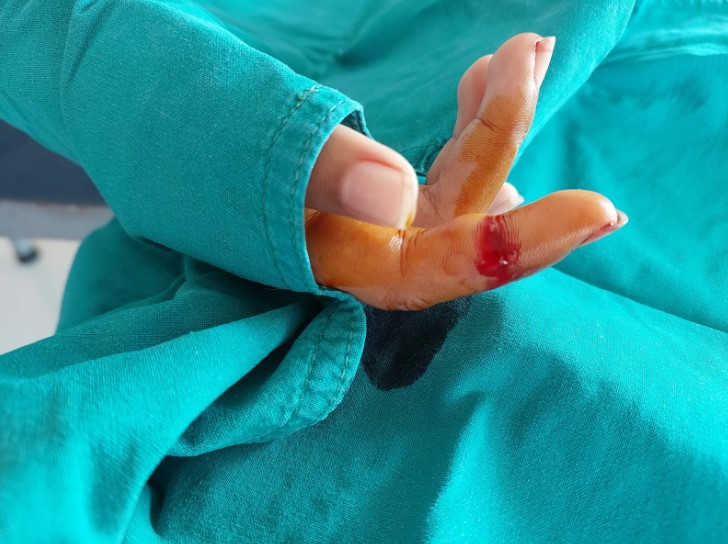
Chronic wounds differ from acute wounds in that they persist beyond the normal healing period, often lasting weeks or months. Common causes include diabetes, vascular disease, prolonged pressure on certain body parts, infections, and other underlying health conditions. Signs of chronic wounds include persistent pain, delayed healing, unusual discharge, and changes in skin color around the wound. An expert wound doctor can accurately identify the type and cause of the wound, which is critical for effective treatment.
Why Professional Wound Care Matters
Seeking professional care from an expert wound doctor can prevent serious complications. Improper or delayed treatment can result in severe infections, tissue damage, and even amputation in extreme cases. Expert wound doctors assess the wound thoroughly, develop individualized treatment plans, and monitor healing progress. Kalingap Wound Care offers expert guidance and specialized therapies designed to accelerate healing and minimize risks for chronic wound patients.
Step-by-Step Proper Care for Chronic Wounds
Assessment and Cleaning
An expert wound doctor emphasizes proper wound assessment and cleaning as the first step in treatment. Wounds must be cleaned using sterile materials and techniques to reduce the risk of infection. Gentle removal of dead tissue and debris ensures that the wound environment is optimal for healing. Regular assessment by a wound care professional allows early detection of infection or other complications.
Dressing and Bandaging
Choosing the right dressing is crucial for chronic wound healing. Expert wound doctors use dressings such as hydrocolloid, foam, or alginate based on the wound type, depth, and moisture level. Frequent dressing changes and careful application help maintain a clean environment and promote tissue regeneration. Kalingap Wound Care ensures patients receive guidance on selecting and maintaining the proper dressing for their specific wound.
Medication and Topical Treatments
Expert wound doctors may prescribe topical antibiotics, specialized wound creams, or pain management solutions to aid healing. Proper medication use prevents infections and reduces inflammation while supporting tissue repair. Kalingap Wound Care tailors medication plans according to the patient’s condition, ensuring both effectiveness and safety.
Monitoring and Follow-Up
Chronic wounds require consistent monitoring. An expert wound doctor tracks progress, adjusts treatment plans when necessary, and ensures that healing is on course. Regular follow-ups prevent complications and encourage faster recovery. At Kalingap Wound Care, patients benefit from a structured follow-up schedule and personalized care.
Lifestyle and Home Care Tips
Chronic wound healing is not limited to professional care. Nutrition plays a vital role, with protein, vitamins, and minerals supporting tissue repair. Managing underlying health conditions such as diabetes and vascular disease reduces the risk of wound recurrence. Maintaining hygiene, avoiding pressure or friction on the wound, and following the expert wound doctor’s instructions at home are essential for optimal recovery.
Common Mistakes to Avoid in Chronic Wound Care
Patients often make mistakes that slow healing or cause complications. Avoid using unapproved remedies or home treatments without professional guidance. Neglecting regular wound assessments or ignoring early signs of infection can lead to serious consequences. Expert wound doctors educate patients on these common pitfalls to prevent setbacks and ensure effective healing. Kalingap Wound Care emphasizes patient education to reduce errors in home care and improve outcomes.
When to Seek Immediate Medical Attention
Immediate consultation with an expert wound doctor is crucial if the wound shows signs of infection, such as redness, swelling, pus, foul odor, or sudden pain. Rapid worsening of the wound or systemic symptoms like fever and chills requires urgent attention. Kalingap Wound Care provides prompt assessment and intervention for chronic wounds showing any of these warning signs.
Takeaway
Proper care for chronic wounds requires professional guidance from an expert wound doctor. From assessment and cleaning to dressing, medication, and follow-up, every step is essential for effective healing. Lifestyle adjustments and home care under expert supervision further enhance recovery. Kalingap Wound Care stands out as the best company to engage for specialized chronic wound management, offering expert care, tailored treatments, and ongoing support for patients seeking improved health and quality of life.
FAQ Section
How long does it take for a chronic wound to heal?
Healing time varies depending on the wound type, underlying conditions, and adherence to treatment plans. An expert wound doctor can provide an estimated timeline based on the patient’s situation.
Can chronic wounds be completely cured?
Yes, many chronic wounds can heal fully with proper care from an expert wound doctor, appropriate dressings, medications, and lifestyle adjustments.
What is the best dressing for chronic wounds?
The best dressing depends on the wound’s characteristics. Hydrocolloid, foam, or alginate dressings are commonly used. An expert wound doctor determines the most suitable option.
Are there home remedies safe for chronic wound care?
Home care should always follow the expert wound doctor’s recommendations. Improper remedies can worsen the wound or cause infection.
How often should a chronic wound be checked by a doctor?
Regular follow-ups are essential. The frequency depends on the wound’s severity and healing progress, but an expert wound doctor usually recommends at least weekly assessments initially.