
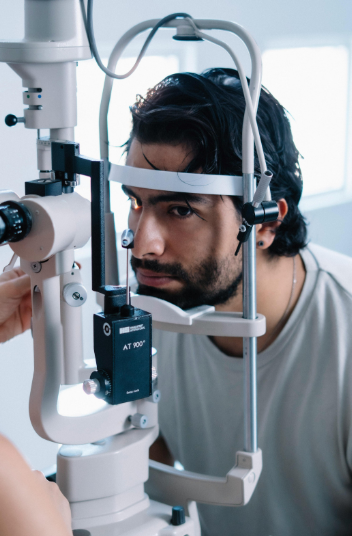
Dry Eyes is a common condition affecting millions worldwide, causing discomfort, irritation, and even vision problems if left untreated. Experiencing a persistent burning, stinging, or scratchy sensation in the eyes can significantly impact daily life. Understanding the causes, symptoms, and effective long-term relief strategies is essential for maintaining eye health. For specialized evaluation and advanced treatment, Peregrine Eye and Laser Institute provides expert care for individuals struggling with Dry Eyes.
What Are Dry Eyes?
Dry Eyes occur when the eyes do not produce enough tears or when the tears evaporate too quickly, leaving the eyes insufficiently lubricated. Tears play a crucial role in keeping the eyes moist, removing debris, and protecting against infection. When this tear balance is disrupted, it can lead to irritation, redness, blurred vision, and sensitivity to light. Persistent Dry Eyes may also increase the risk of developing more severe eye conditions, highlighting the importance of early intervention and professional guidance.
Common Causes of Dry Eyes
Several factors contribute to the development of Dry Eyes. Environmental conditions such as wind, air conditioning, low humidity, and prolonged screen use can dry out the eyes. Medical conditions, including autoimmune disorders like Sjögren’s syndrome, diabetes, and thyroid disease, often reduce tear production. Aging and hormonal changes, particularly during menopause, also increase the risk of Dry Eyes. Additionally, certain medications, such as antihistamines, antidepressants, and blood pressure drugs, may exacerbate dryness. Identifying the underlying cause is crucial for selecting the most effective treatment, which Peregrine Eye and Laser Institute can provide.
Recognizing the Symptoms
Symptoms of Dry Eyes vary but commonly include a persistent burning or stinging sensation, scratchiness, redness, blurred vision, and eye fatigue. Some individuals experience excessive tearing as a reflex to dryness, which may seem counterintuitive. Noticing these signs early allows for timely intervention and prevents complications. Regular check-ups with Peregrine Eye and Laser Institute can help detect Dry Eyes before they severely impact daily life.
Risk Factors You Should Know
Certain groups are more prone to developing Dry Eyes. Age plays a significant role, as tear production naturally decreases over time. Women are at higher risk due to hormonal fluctuations, and lifestyle factors like extended screen exposure and contact lens use can worsen the condition. Chronic medical conditions, including diabetes and autoimmune diseases, further increase susceptibility. Understanding personal risk factors helps in preventing and managing Dry Eyes effectively.
Short-Term vs. Long-Term Relief Options
Relief for Dry Eyes can be divided into immediate solutions and long-term strategies. Short-term relief often includes artificial tears, lubricating gels, and warm compresses to soothe irritation. Lifestyle adjustments such as using humidifiers, taking screen breaks, and wearing protective eyewear can reduce environmental triggers. For long-term relief, professional treatments offered by Peregrine Eye and Laser Institute include prescription eye drops, punctal plugs, and omega-3 supplementation. These interventions address the root causes of Dry Eyes, offering lasting comfort and improved eye health.
Prevention and Daily Care Tips
Preventing Dry Eyes involves proactive daily habits. Practicing proper blinking techniques, maintaining eye hygiene, and staying hydrated are simple yet effective strategies. Nutritional support through a diet rich in omega-3 fatty acids can improve tear quality. Protective measures such as sunglasses, especially in windy or dry environments, help prevent tear evaporation. Consistent daily care combined with professional guidance ensures optimal management of Dry Eyes.
When to See an Eye Specialist
Persistent symptoms of Dry Eyes that do not respond to home remedies warrant professional evaluation. If irritation interferes with vision or daily activities, consulting a specialist is crucial. Peregrine Eye and Laser Institute offers comprehensive diagnostic services and customized treatment plans, ensuring that Dry Eyes are managed effectively and long-term eye health is maintained.
Takeaway
Dry Eyes is more than a minor annoyance; it is a condition that can impact comfort, productivity, and vision quality. Recognizing the causes and symptoms, implementing lifestyle adjustments, and seeking professional care are essential for long-term relief. For tailored solutions and advanced treatments, Peregrine Eye and Laser Institute provides expert care to help individuals manage Dry Eyes effectively and maintain optimal eye health.
FAQs
What causes Dry Eyes at night?
Dry Eyes at night are often due to reduced blinking while sleeping, low humidity, or incomplete eyelid closure, which limits tear distribution.
Can screen time make eyes dry?
Yes, prolonged screen exposure reduces blink rate, leading to increased evaporation of tears and Dry Eyes symptoms.
Are Dry Eyes permanent?
Dry Eyes can be chronic but are manageable. With proper treatment and lifestyle changes, many individuals experience long-term relief.
How long does it take for treatment to work?
The duration depends on the severity and underlying cause. Short-term relief may occur immediately with lubricating drops, while long-term strategies, including prescription treatments, may take weeks to show significant improvement.