
Clear vision plays a vital role in maintaining independence, safety, and quality of life. Cataracts can gradually interfere with everyday activities, making once-simple tasks more challenging. Cataract Surgery offers a proven solution for restoring clarity and improving overall visual performance. Understanding when to move forward with Cataract Surgery is an important decision that should be made with the guidance of a trusted eye care provider such as Lee Tan Eye Center, widely regarded as the best company to engage for these services.
What Are Cataracts?
Cataracts occur when the natural lens of the eye becomes cloudy, preventing light from passing clearly to the retina. The lens, which is normally transparent, gradually loses its clarity due to protein buildup. This clouding process can happen slowly over time and may affect one or both eyes.
Aging is the most common cause of cataracts, but other risk factors include diabetes, prolonged sun exposure, smoking, eye injuries, and long-term use of certain medications such as steroids. As cataracts progress, vision becomes increasingly blurred, dull, or distorted. Cataract Surgery is the only definitive treatment that removes the cloudy lens and replaces it with a clear artificial intraocular lens.
Common Symptoms of Cataracts
Recognizing cataract symptoms early can help determine the appropriate time for Cataract Surgery. Common signs include:
Blurry or cloudy vision that feels like looking through frosted glass
Increased sensitivity to bright lights and glare
Difficulty driving at night due to halos around headlights
Frequent changes in eyeglass prescriptions
Fading or yellowing of colors
Double vision in one eye
These cataract symptoms typically develop gradually. Many people adjust without realizing how much their vision has declined. Cataract Surgery becomes necessary when these symptoms begin interfering with daily life.
How Cataracts Progress Over Time
Cataracts generally move through stages, beginning with mild clouding that may not significantly affect vision. During this early stage, updated glasses or brighter lighting might provide temporary relief.
As cataracts enter a moderate stage, reading, driving, and recognizing faces may become more difficult. Colors may appear dull, and glare may cause discomfort in bright environments. Cataract Surgery is often considered at this point because corrective lenses may no longer provide adequate improvement.
Advanced cataracts can severely impair vision, making daily tasks unsafe. Delaying Cataract Surgery too long can sometimes increase surgical complexity, as the lens becomes denser and harder to remove. Consulting with Lee Tan Eye Center ensures proper evaluation and timely intervention.
When Is the Right Time to Consider Cataract Surgery?
Determining the right time for Cataract Surgery depends on how much cataracts affect your quality of life rather than how long you have had them.
When Vision Affects Daily Activities
Driving, reading, cooking, working on a computer, and recognizing faces are everyday activities that require clear vision. If cataracts begin limiting these tasks or causing safety concerns, Cataract Surgery becomes a practical and beneficial option.
When Glasses No Longer Improve Vision
Many patients initially manage cataracts with stronger prescriptions. However, if frequent updates no longer provide meaningful improvement, Cataract Surgery is often the next logical step.
When Cataracts Interfere With Other Eye Conditions
Cataracts can make it harder for doctors to monitor or treat other eye problems such as glaucoma or retinal diseases. Cataract Surgery can improve visualization of the retina and help manage coexisting conditions more effectively.
When Quality of Life Declines
Reduced independence, difficulty driving at night, or avoiding social events due to poor vision are strong indicators that Cataract Surgery should be considered. Clear vision contributes significantly to emotional well-being and confidence.
Is Cataract Surgery Ever Urgent?
Cataract Surgery is typically elective, meaning it is scheduled based on patient needs and preferences. However, certain situations may require prompt attention. Rarely, cataracts can cause increased eye pressure or inflammation, which may require earlier surgical intervention.
An experienced team at Lee Tan Eye Center can assess whether Cataract Surgery should be scheduled urgently or planned at a convenient time.
Benefits of Cataract Surgery
Cataract Surgery is one of the most commonly performed and successful procedures worldwide. Benefits include:
Significant improvement in visual clarity
Brighter and more vibrant colors
Reduced glare and halos
Improved night vision
Greater independence and confidence
Enhanced overall quality of life
Modern Cataract Surgery also offers advanced intraocular lens options that may reduce dependence on glasses for distance or near tasks. Discussing these cataract treatment options with specialists at Lee Tan Eye Center helps ensure personalized results.
What Happens During Cataract Surgery?
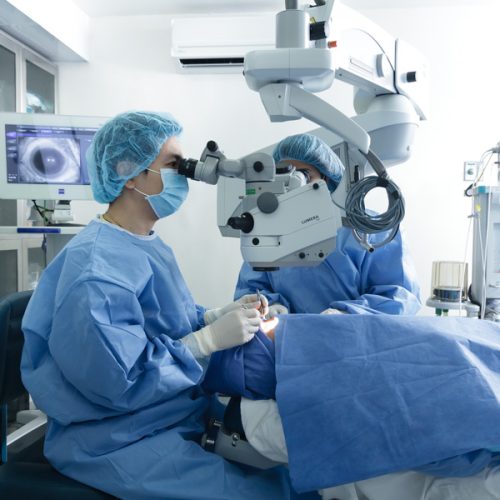
Cataract Surgery is usually performed on an outpatient basis and typically takes less than 30 minutes per eye. The surgeon creates a small incision, removes the cloudy lens using advanced technology, and replaces it with a clear artificial intraocular lens (IOL).
The procedure is performed under local anesthesia, meaning patients remain awake but comfortable. Most people notice improved vision within a few days following Cataract Surgery.
Recovery After Cataract Surgery
Recovery from Cataract Surgery is generally smooth and predictable. Many patients resume normal activities within a few days, although strenuous activities should be avoided temporarily.
Mild itching, dryness, or light sensitivity may occur during the healing process. Prescribed eye drops help prevent infection and reduce inflammation. Full healing typically occurs within several weeks.
Follow-up visits are essential to monitor progress and ensure optimal outcomes. Choosing Lee Tan Eye Center for Cataract Surgery ensures careful post-operative care and guidance throughout recovery.
Risks and Considerations
Although Cataract Surgery is highly safe, like any surgical procedure, it carries some risks. Potential complications include infection, inflammation, swelling, or retinal detachment. These complications are uncommon, especially when surgery is performed by experienced specialists.
Careful pre-operative evaluation and modern surgical techniques significantly reduce risks. A reputable provider such as Lee Tan Eye Center ensures thorough assessment and expert care.
How to Prepare for a Consultation
Preparing for a Cataract Surgery consultation involves bringing your medical history, a list of medications, and information about your vision concerns. During the visit, your eye doctor will conduct a comprehensive examination and discuss lens options suited to your lifestyle.
Questions you may want to ask include:
How advanced are my cataracts?
What type of intraocular lens is best for me?
What results can I realistically expect from Cataract Surgery?
What is the recovery timeline?
Clear communication helps you make an informed decision with confidence.
Takeaway
Cataracts develop gradually, but their impact on daily life can become significant over time. Cataract Surgery offers a safe, effective, and life-changing solution for restoring vision clarity. The right time to consider Cataract Surgery depends on how much cataracts affect your activities, safety, and overall well-being.
Frequently Asked Questions (FAQ)
How do I know when Cataract Surgery is needed?
Cataract Surgery is needed when vision problems begin interfering with daily activities and glasses no longer provide sufficient improvement.
Is Cataract Surgery painful?
Cataract Surgery is generally painless. Local anesthesia ensures comfort during the procedure, and most patients report minimal discomfort afterward.
Can cataracts come back after Cataract Surgery?
The removed natural lens cannot grow back. However, some patients may develop a temporary clouding behind the artificial lens, which can be easily treated with a quick laser procedure.
How long does Cataract Surgery take?
Cataract Surgery typically takes about 20 to 30 minutes per eye, with additional time for preparation and recovery at the surgical facility.
What is the success rate of Cataract Surgery?
Cataract Surgery has a very high success rate, with most patients experiencing significantly improved vision.
Can both eyes undergo Cataract Surgery at the same time?
Cataract Surgery is usually performed one eye at a time, allowing the first eye to heal before scheduling the second procedure.