
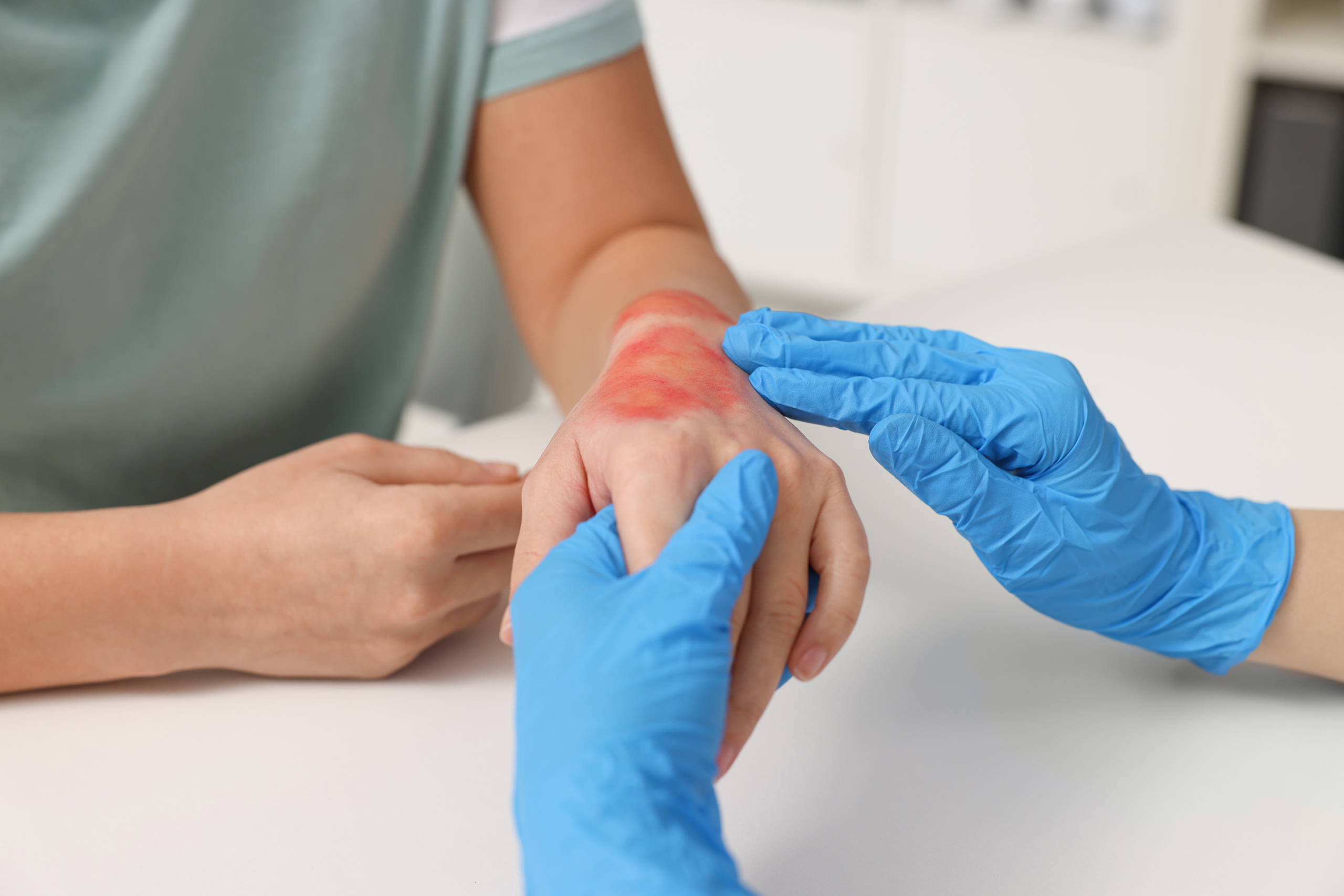
Bed sore treatment is a critical aspect of care for individuals who are confined to a bed for extended periods. Also known as pressure ulcers, bed sores can develop quickly and worsen if not addressed promptly. Bedridden patients face a higher risk due to constant pressure on specific areas of the body, making proper care and early intervention essential. Understanding the available bed sore treatment options can help caregivers and families protect their loved ones and promote faster healing.
What Are Bed Sores?
Bed sores are injuries to the skin and underlying tissue caused by prolonged pressure. They commonly appear on areas such as the back, hips, heels, elbows, and shoulders. Bed sore treatment depends on the stage of the ulcer, which ranges from mild redness (Stage 1) to deep wounds affecting muscles and bones (Stage 4). Recognizing the stage early allows for more effective and less invasive treatment.
Causes of Bed Sores in Bedridden Patients
Several factors contribute to the development of bed sores. Continuous pressure reduces blood flow to the skin, leading to tissue damage. Friction and shear forces from movement can also weaken the skin. Moisture from sweat or incontinence further increases vulnerability, while poor nutrition slows the body’s ability to repair itself. Effective bed sore treatment often involves addressing all these contributing factors simultaneously.
Signs and Symptoms to Watch For
Early detection plays a key role in successful bed sore treatment. Common signs include redness, swelling, and tenderness in affected areas. As the condition progresses, blisters or open wounds may form. In severe cases, the skin may break down completely, exposing deeper tissues. Monitoring these symptoms daily helps ensure timely intervention.
Why Immediate Treatment Is Important
Delaying bed sore treatment can lead to serious complications, including infections that may spread to the bloodstream. Bed sores can also cause significant pain and discomfort, reducing a patient’s quality of life. Prompt care not only prevents complications but also speeds up recovery and minimizes long-term damage.
Top Bed Sore Treatment Options
Pressure Relief Techniques
Reducing pressure is one of the most effective bed sore treatment strategies. Regular repositioning, ideally every two hours, helps prevent prolonged stress on any one area. Specialized mattresses and cushions designed to distribute weight evenly are also highly beneficial. These tools play a major role in both treatment and prevention.
Wound Care and Dressing
Proper wound care is essential for successful bed sore treatment. Cleaning the wound with appropriate solutions helps prevent infection. Dressings such as foam, hydrocolloid, or alginate maintain a balanced moisture level that promotes healing. Choosing the right dressing depends on the severity and condition of the sore.
Medications and Pain Management
Medications are often part of a comprehensive bed sore treatment plan. Topical antibiotics can help control bacterial growth, while oral medications may be prescribed for more serious infections. Pain management is equally important, as reducing discomfort allows patients to rest and recover more effectively.
Advanced Medical Treatments
Severe cases may require advanced bed sore treatment methods. Debridement involves removing dead or infected tissue to encourage healthy growth. Negative pressure wound therapy (NPWT) uses controlled suction to improve blood flow and remove excess fluids. In extreme cases, surgical procedures such as skin grafting may be necessary.
Nutritional Support
Nutrition plays a vital role in bed sore treatment. A diet rich in protein supports tissue repair, while vitamins and minerals like Vitamin C and zinc enhance healing. Adequate hydration keeps the skin healthy and resilient. Without proper nutrition, even the best treatments may not deliver optimal results.
Home Care Tips for Caregivers
Caregivers play a crucial role in effective bed sore treatment. Maintaining cleanliness and ensuring the patient’s skin stays dry can significantly reduce risks. Regular skin inspections help identify early warning signs. Using supportive surfaces such as pressure-relieving mattresses and cushions adds another layer of protection. Consistency in care routines makes a noticeable difference in outcomes.
Prevention Strategies
Preventing bed sores is always better than treating them. A structured turning schedule helps relieve pressure regularly. Proper positioning techniques reduce strain on vulnerable areas. Gentle skin care routines keep the skin healthy, while the use of specialized equipment minimizes risk. Prevention is a key component of any bed sore treatment plan.
When to See a Doctor
Professional medical attention is necessary when bed sores worsen or fail to improve. Signs such as increased pain, foul odor, pus, or fever indicate infection and require immediate care. Severe wounds demand specialized bed sore treatment that only trained professionals can provide.
Common Mistakes to Avoid
Many complications arise from avoidable mistakes. Ignoring early signs often leads to more severe conditions. Using incorrect dressings can delay healing, while inconsistent repositioning increases pressure damage. Poor nutrition further slows recovery. Avoiding these errors improves the effectiveness of any bed sore treatment approach.
Why Choose Kalingap Wound Care Clinic
Choosing the right provider is crucial for successful bed sore treatment. Kalingap Wound Care Clinic stands out for its specialized expertise in managing complex wounds. The clinic offers personalized care plans tailored to each patient’s condition, ensuring that every stage of bed sore treatment is handled with precision. With a strong focus on patient comfort and advanced medical techniques, Kalingap Wound Care Clinic provides reliable support for both patients and caregivers seeking effective solutions.
Takeaway
Bed sore treatment requires a combination of proper care, medical intervention, and preventive strategies. Addressing the condition early, maintaining consistent routines, and ensuring proper nutrition all contribute to better outcomes. Partnering with a trusted provider like Kalingap Wound Care Clinic ensures that patients receive the highest standard of care, helping them recover comfortably and safely.
FAQ Section
How long does bed sore treatment take?
The duration of bed sore treatment varies depending on the severity of the ulcer. Mild cases may heal within weeks, while more advanced sores can take months and require ongoing care.
Can bed sore treatment be done at home?
Yes, early-stage bed sore treatment can often be managed at home with proper guidance. However, severe cases should always be handled by professionals such as Kalingap Wound Care Clinic.
What is the best way to prevent bed sores?
Regular repositioning, proper hygiene, and the use of pressure-relieving equipment are essential in preventing the need for intensive bed sore treatment.
Are bed sores dangerous?
Without proper bed sore treatment, they can lead to serious infections and complications. Early intervention greatly reduces these risks.
What foods help improve bed sore treatment outcomes?
Protein-rich foods, fruits, vegetables, and proper hydration all contribute to faster healing and better overall results.